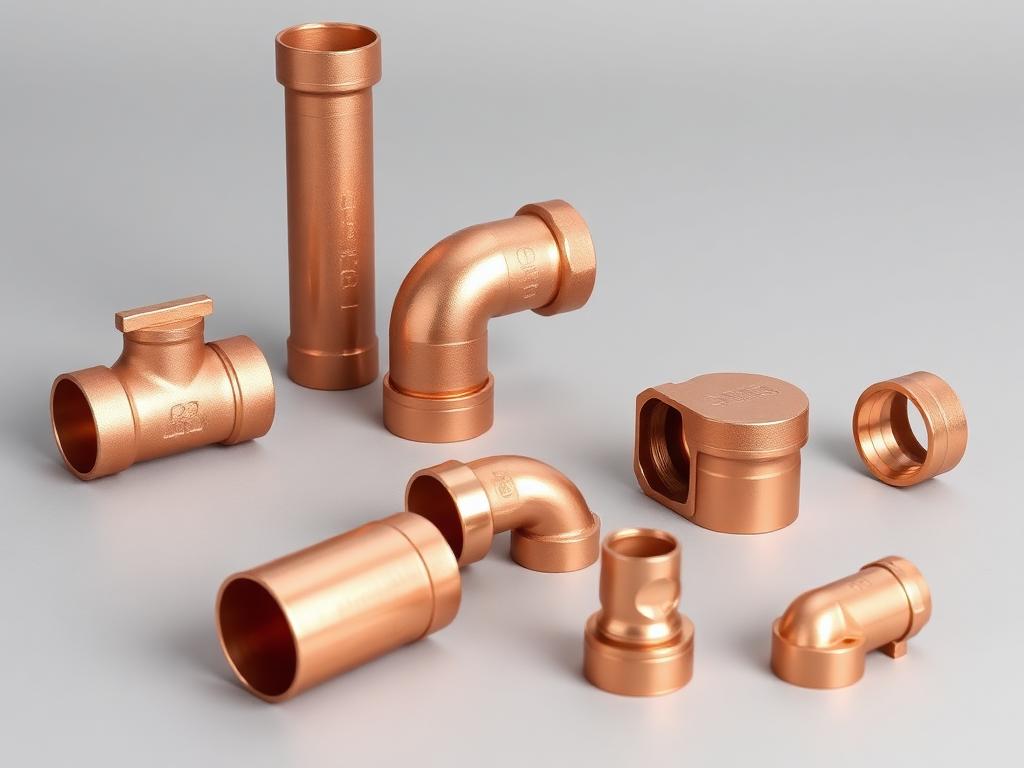
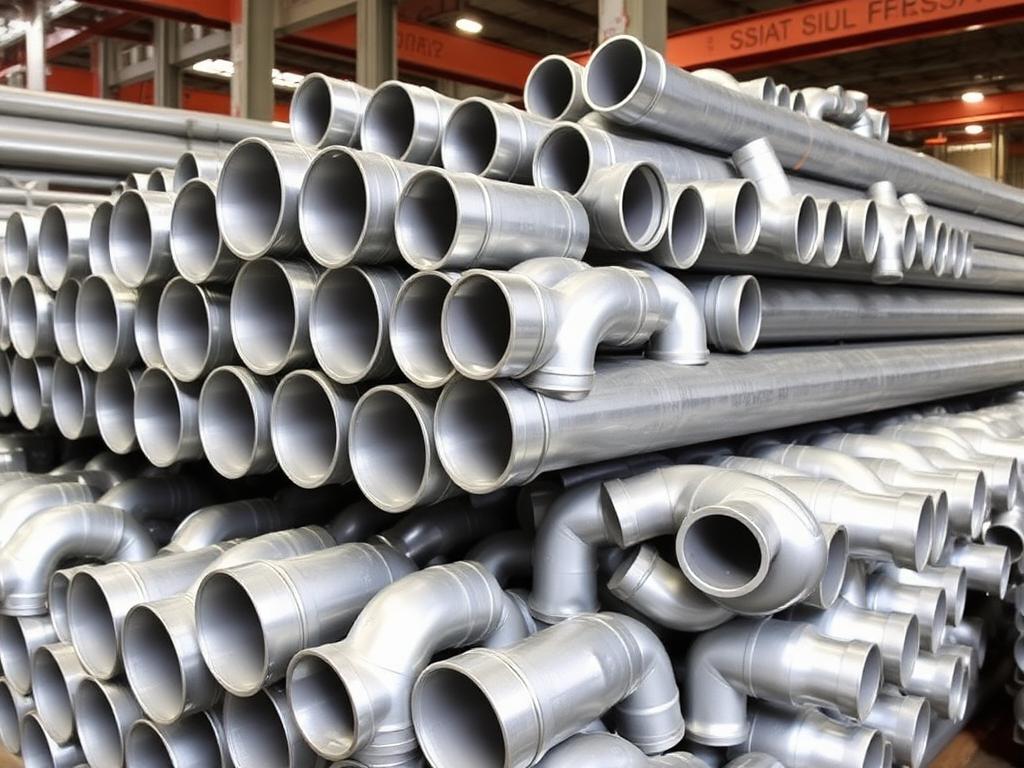
Allied Fitting L.P., a cornerstone of the global Allied Group, serves as a primary manufacturer and master distributor of high-quality butt-weld fittings and flanges in Houston, Texas. Strategically located to support the energy capital of the world, the company provides mission-critical piping components for the oil, gas, and petrochemical industries.
The Role of Allied Fitting in the Houston Industrial Landscape
As we navigate the industrial landscape of 2026, Allied Fitting in Houston remains a vital artery for the North American energy sector. Houston's status as a global logistics hub allows Allied Fitting to leverage the Port of Houston and extensive rail networks, ensuring that heavy-duty piping components are available for both domestic shale projects and international offshore developments. The company’s presence in Houston is not merely a sales office; it represents one of the largest inventories of carbon, stainless, and alloy steel fittings in the Western Hemisphere.
The Houston facility acts as a master distribution center, which is a critical distinction in the supply chain. While many local suppliers carry limited stock, a master distributor like Allied Fitting maintains deep inventories that allow smaller distributors and large-scale Engineering, Procurement, and Construction (EPC) firms to fulfill massive material take-offs (MTOs) without waiting months for mill production. This "off-the-shelf" availability for specialized items—such as high-yield fittings for pipeline applications—is what has solidified their reputation over several decades.
Comprehensive Product Range and Material Specifications
The technical depth of Allied Fitting’s inventory is designed to meet the most demanding specifications of modern engineering. In the high-pressure environments typical of 2026 industrial projects, the margin for error is non-existent. Allied Fitting specializes in several core product categories that are essential for fluid and gas transport.
Butt-Weld Fittings
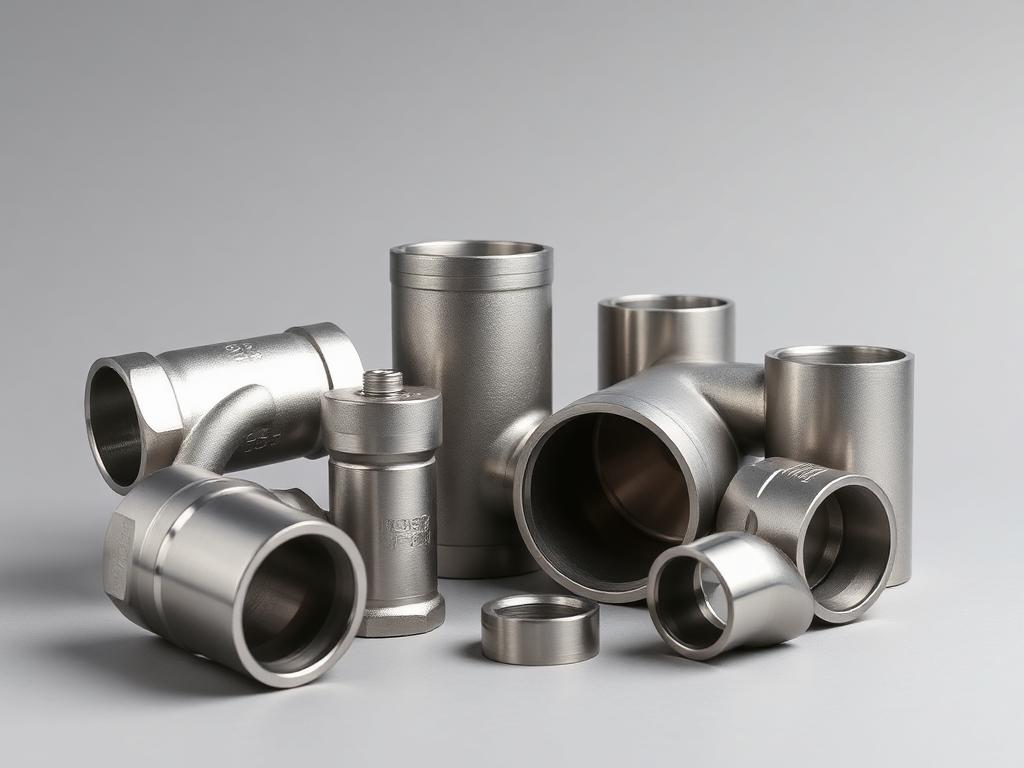
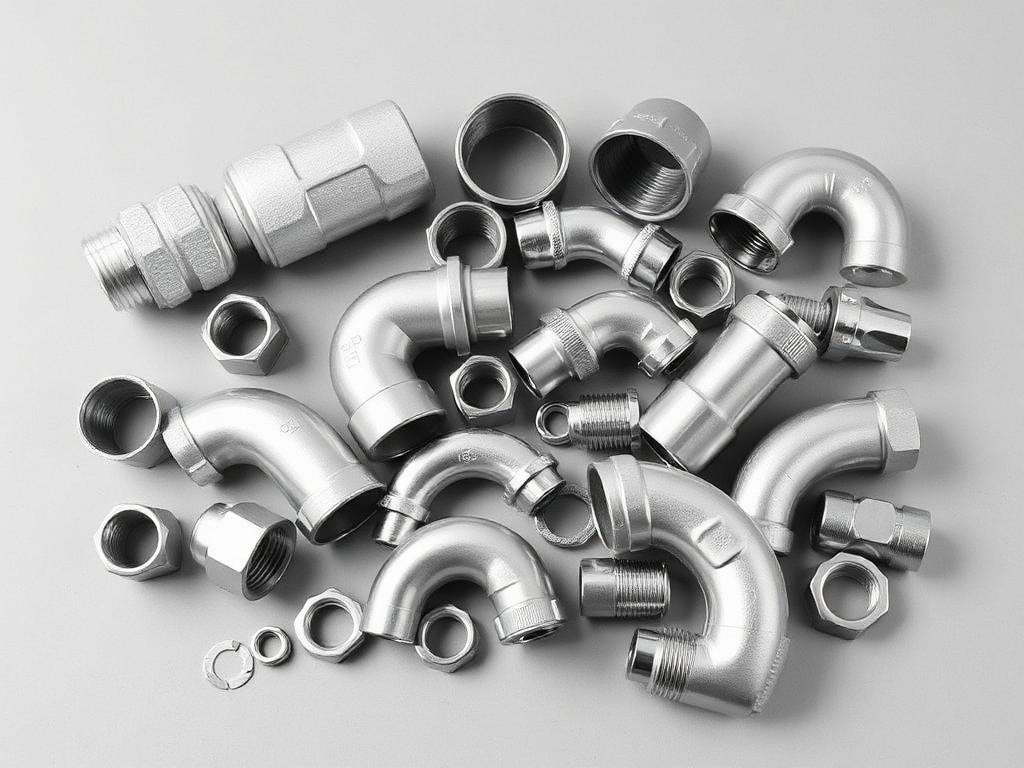
These are the primary products manufactured and distributed by Allied. Unlike threaded or socket-weld fittings, butt-weld fittings are welded directly to the pipe, creating a leak-proof, continuous flow system. Allied Fitting stocks:
- Elbows: Available in 45-degree and 90-degree configurations, in both Long Radius (LR) and Short Radius (SR).
- Tees: Including equal tees and reducing tees for branching off main lines.
- Reducers: Both concentric and eccentric models, used to change the pipe diameter while managing flow characteristics and preventing vapor locks.
- Caps and Stubs: Essential for sealing pipe ends or facilitating lap-joint flange connections.
Flanges
Flanges are used to connect pipes, valves, pumps, and other equipment to form a piping system. Allied’s Houston hub carries a vast array of:
- Weld Necks: Preferred for high-pressure and extreme temperature applications.
- Slip-Ons: Easier to align and often used in lower-pressure environments.
- Blind Flanges: Used to seal the end of a piping system or a pressure vessel opening.
- Threaded and Socket Welds: For smaller-diameter piping where welding might be restricted.
Material Grades
The selection of material is dictated by the chemical composition of the fluid being transported, the pressure of the system, and the external environment. Allied Fitting provides materials that comply with strict ASTM (American Society for Testing and Materials) and ASME (American Society of Mechanical Engineers) standards.
| Material Category | Common Grades | Typical Applications |
|---|---|---|
| Carbon Steel | ASTM A234 WPB, WPC | Standard temperature oil and gas lines, steam, and water. |
| Low-Temp Carbon | ASTM A420 WPL6 | Arctic environments, cryogenic gas processing (LNG). |
| High-Yield Carbon | ASTM A860 WPHY 42-70 | Large-diameter transmission pipelines with high pressure. |
| Stainless Steel | ASTM A403 304/L, 316/L | Corrosive chemical processing, food and beverage, offshore. |
| Alloy Steel | ASTM A234 WP11, WP22, WP91 | Power generation, high-heat boiler applications. |
| Duplex/Super Duplex | ASTM A815 S31803, S32750 | Desalination, highly corrosive subsea environments. |
Manufacturing Excellence and the Allied Group Synergy
One of the unique advantages of Allied Fitting in Houston is its vertical integration within the Allied Group. The group owns several manufacturing facilities globally, including Tectubi Raccordi in Italy. This relationship allows the Houston branch to act as a direct link between the factory and the end-user.
Manufacturing fittings is a complex process involving hot forming, cold forming, and heat treatment. For instance, high-yield fittings used in the Permian Basin pipelines require precise quenching and tempering to achieve the necessary tensile strength without becoming brittle. By controlling the manufacturing process, Allied Fitting ensures that every component arriving in Houston has a documented lineage.
In 2026, the industry has moved toward even stricter "Approved Manufacturer Lists" (AMLs). Being part of a globally recognized manufacturing group allows Allied to stay on the AMLs of major players like ExxonMobil, Chevron, and Shell. This is not just a matter of branding; it is a matter of verified metallurgical integrity.
Quality Assurance: The Backbone of Safety
In the industrial piping world, a single failure can lead to catastrophic environmental damage or loss of life. Allied Fitting in Houston adheres to a rigorous Quality Management System (QMS).
Traceability and MTRs
Every fitting and flange sold by Allied is accompanied by a Mill Test Report (MTR). This document is the "birth certificate" of the steel. It includes:
- Chemical Analysis: The exact percentage of carbon, manganese, phosphorus, sulfur, and other alloying elements.
- Mechanical Properties: The results of tensile tests, yield strength tests, and elongation measurements.
- Heat Treatment Records: Details on how the steel was heated and cooled to achieve its final properties.
- Compliance Standards: Verification that the part meets ASME B16.9 (for fittings) or ASME B16.5 (for flanges).
Non-Destructive Testing (NDT)
Beyond the standard mill tests, Allied Fitting often facilitates additional testing based on project requirements. This may include Ultrasonic Testing (UT) to check for internal flaws, Magnetic Particle Inspection (MPI) for surface cracks, or Positive Material Identification (PMI) to confirm the alloy content at the point of sale. These steps are vital for the "Hydrogen Economy" infrastructure projects that have gained momentum in 2026, where the integrity of welds and materials is under even higher scrutiny due to the small molecular size of hydrogen.
Strategic Logistics and the Houston Advantage
The physical location of Allied Fitting in Houston (specifically in the heavy industrial corridors near the Ship Channel or North Houston) provides a logistical edge that few can match.
Just-In-Time (JIT) Delivery
In 2026, project timelines are tighter than ever. A refinery turnaround (planned maintenance) might only last 14 days, with every hour of downtime costing millions in lost revenue. Allied’s ability to provide same-day or next-day shipping to the Texas Gulf Coast industrial complex is a major factor in their continued success. Their warehouse operations are optimized with modern ERP systems that allow for real-time inventory tracking, ensuring that when a customer calls for 20-inch Schedule 80 elbows, the sales team knows exactly how many are on the rack.
Global Export Capabilities
Houston is not just a destination; it is a gateway. Allied Fitting utilizes the Port of Houston to ship components to major projects in South America, West Africa, and the Middle East. By maintaining a massive "free stock" in Houston, they can consolidate orders that would otherwise take months to source from multiple global mills.
Technical Standards Every Buyer Should Know
Navigating the specifications for fittings and flanges can be daunting. It is essential to understand the governing standards that Allied Fitting operates under.
ASME B16.9: The Standard for Wrought Steel Butt-Welding Fittings
This standard covers the overall dimensions, tolerances, ratings, testing, and marking for factory-made butt-welding fittings. When you purchase from Allied, the "ASME B16.9" stamp is a guarantee that the fitting will physically align with the pipe of the same nominal size and schedule.
ASTM A234 vs. ASTM A420
A common point of confusion in procurement is the difference between these two standards. ASTM A234 covers piping fittings of wrought carbon steel and alloy steel for moderate and high-temperature service. Conversely, ASTM A420 is specifically for piping fittings of wrought carbon steel and alloy steel for low-temperature service (often referred to as "Low-Temp"). Using an A234 fitting in a cryogenic application could lead to brittle fracture, which is why Allied’s technical sales team is trained to verify the service temperature of the application.
Wall Thickness (Schedules)
Pipe fittings must match the wall thickness of the pipe they are welded to. Allied stocks a full range of schedules, including:
- Standard (STD) and Extra Heavy (XH/XS)
- Schedule 40 and Schedule 80
- Schedule 160 and Double Extra Heavy (XXH)
Troubleshooting Common Procurement Issues
When sourcing from Allied Fitting in Houston, procurement managers often face challenges related to lead times and material substitutions.
- Material Substitution: If a specific grade of stainless steel (like 317L) is not available, the Allied technical team can often suggest a superior grade (like Duplex) that meets or exceeds the required corrosion resistance, though at a different price point.
- Origin Restrictions: Some government or municipal projects require "Domestic Only" or "No-China" materials. Allied Fitting’s inventory is clearly categorized by country of origin, allowing buyers to comply with the Build America, Buy America Act (BABA) or other trade regulations.
- End Prep Issues: Sometimes fittings arrive with beveled ends that don't match the specific welding procedure of the project. Allied can often provide or coordinate custom machining to ensure the "V-prep" or "J-prep" is exactly what the welders need in the field.
Frequently Asked Questions
What is the typical lead time for stock items at Allied Fitting Houston?
For items currently in stock at the Houston warehouse, lead times are typically 24 to 48 hours for standard processing and shipping. For orders requiring additional third-party testing (like Charpy Impact testing) or custom coatings, the lead time may extend to 5–7 business days.
Does Allied Fitting provide 3.1 and 3.2 certification?
Yes. Allied Fitting provides standard EN 10204 3.1 certification (MTRs) for all their products. For projects requiring independent third-party inspection, they can facilitate 3.2 certification, which involves an outside agency (such as Lloyd's Register or ABS) witnessing the testing and signing off on the documentation.
Can Allied Fitting Houston handle custom or "Special" fittings?
While Allied is known for high-volume standard fittings, through the Allied Group’s manufacturing arms, they can facilitate the production of "Specials." This includes heavy-wall lateral tees, barred tees for pigging operations, and long-radius bends (3D, 5D, or 10D) that are not typically held in distribution stock.
How does Allied Fitting ensure the quality of imported products?
Allied Group maintains strict oversight of their global supply chain. Many of the "imported" items in their Houston warehouse are manufactured in their own facilities in Europe or Asia, ensuring that the same QMS applied in Italy or the USA is followed abroad. They do not simply buy from open-market "jobbers"; they maintain a controlled manufacturer list.
What are the main differences between WPB and WPHY fittings?
WPB (ASTM A234) is a standard carbon steel grade used for general pressure piping. WPHY (ASTM A860) stands for "Wrought Pipe High Yield." These fittings are used with high-strength line pipe (like API 5L X52, X60, or X70) in gas transmission lines where thinner walls and higher pressures are required to optimize flow and reduce weight.
Practical Recommendation for Procurement Teams
For engineers and procurement professionals in 2026, the best approach when working with Allied Fitting in Houston is to engage their technical sales team early in the design phase. By sharing the "Pipe Specification" (Pipe Spec) upfront, Allied can advise on stock availability for specific schedules and grades.
If your project involves high-pressure hydrogen or carbon capture and storage (CCS), ensure you request "Low-H2" or specialized testing early, as these requirements often exceed standard ASME B16.9 parameters. Furthermore, always verify the "Country of Origin" requirements before the order is finalized to avoid delays at the job site during inspection.