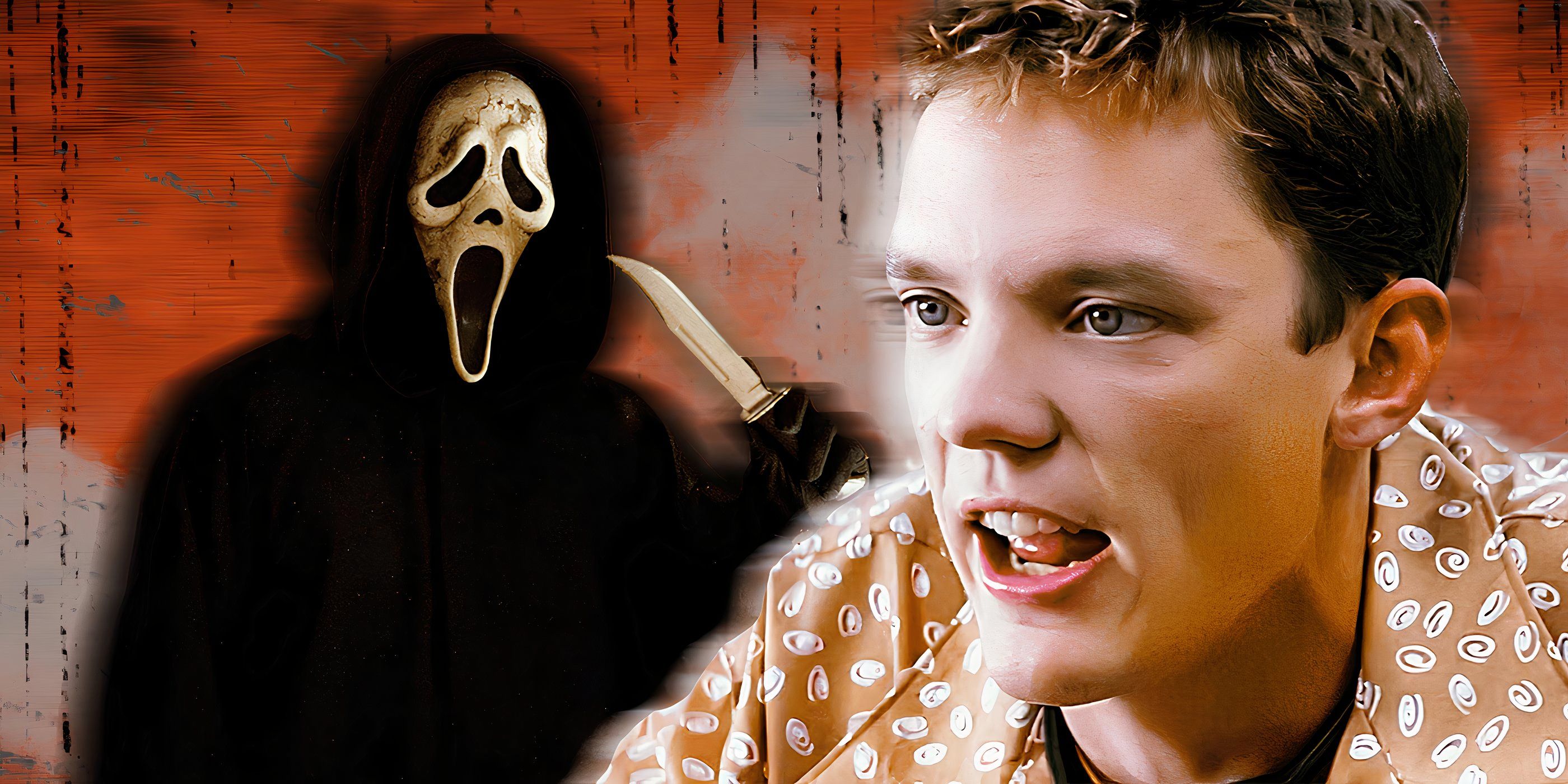
"All the screams" refers to the systematic study, documentation, and technical analysis of vocal terror in horror cinema. From dedicated fan databases that catalog every shriek in a franchise to the physiological science of human distress signals, it encompasses the artistic evolution of the scream as a central narrative and auditory tool in film history.
The cinematic scream is more than a mere sound effect; it is a primal communication of vulnerability, a rhythmic beat in the pacing of suspense, and a technical achievement in sound engineering. In 2026, as we look back at over a century of recorded audio in film, the effort to archive "all the screams" has transitioned from niche trivia into a formal discipline involving acoustic physics, film semiotics, and digital preservation.
The Cultural Significance of the Cinematic Scream
The scream serves as the universal language of the horror genre. While dialogue requires translation and cultural context, a high-pitched vocalization of terror is understood instantly by audiences across the globe. This universality is why "all the screams" in horror history are often studied as a singular, evolving entity.
Historically, the scream was the first major challenge for early "talkies." While the visual of a screaming face was iconic in the silent era—most notably in Lon Chaney’s The Phantom of the Opera (1925)—the transition to sound required a new kind of performance. The scream became the signature of the "Scream Queen," a title first cemented by Fay Wray in King Kong (1933). Since then, the scream has evolved from a signal of helplessness to a tool of defiance.
In modern cinema, archiving these sounds allows researchers to track shifts in gender roles and narrative structures. In the 1970s and 80s, the "Final Girl" trope relied heavily on the endurance of the scream. By 2026, contemporary horror has diversified the "all the screams" archive to include more guttural, low-frequency vocalizations that reflect a shift toward psychological and visceral realism rather than stylized melodrama.
The Acoustic Physics of Fear: Why We React
To understand the collection of "all the screams," one must understand the science of sound. Not all loud noises are screams, and not all screams evoke fear. Researchers in psychoacoustics have identified a specific property known as "roughness."
Roughness refers to the rapid changes in volume within a sound, typically in the range of 30 to 150 Hz. Normal human speech is relatively smooth, but a scream is intentionally jagged. This acoustic roughness activates the amygdala, the brain's fear center, triggering an immediate fight-or-flight response.
When sound engineers curate "all the screams" for a film’s post-production, they are looking for this specific frequency profile. If a scream is too melodic, it fails to frighten; if it is too noisy, it becomes irritating. The "perfect" cinematic scream resides in a narrow band of acoustic chaos that the human ear is evolutionarily hardwired to prioritize over all other environmental sounds.
Categorizing the Archive: The Taxonomy of Vocal Terror
When archivists and database managers attempt to catalog "all the screams" within a specific franchise or the genre at large, they generally use a specific taxonomy. This classification helps in understanding the narrative function of the sound.
- The Discovery Scream: Triggered when a character finds a body or a horrific sight. These are usually short, sharp, and high-pitched.
- The Pursuit Scream: Sustained vocalizations occurring during a chase sequence. These often incorporate heavy breathing and staggered rhythms.
- The Death Scream: The final vocalization of a character. These vary significantly based on the "kill" method and are often the most analyzed by fans of the "slasher" subgenre.
- The False-Alarm Scream: Often used for "jump scares" involving a cat, a friend, or a falling object. These are designed to release tension quickly.
- The Defiant Scream: Common in modern horror, where the protagonist screams as a way to summon strength or intimidate the antagonist.
By documenting these types, projects like the "All the Screams" databases provide insights into the pacing of horror films. For example, a high ratio of Discovery Screams to Death Screams often indicates a "slow-burn" or psychological thriller, whereas a high frequency of Pursuit and Death Screams characterizes the "slasher" era.
Data Analysis: Scream Metrics in Major Horror Franchises
Quantifying the "all the screams" phenomenon requires looking at the data. Below is a comparison of scream metrics across some of the most analyzed horror franchises, based on historical data as of 2026.
| Franchise | Average Screams Per Film | Primary Scream Type | Notable "Scream Queen/King" |
|---|---|---|---|
| Halloween | 14 | Pursuit / Defiant | Jamie Lee Curtis |
| A Nightmare on Elm Street | 22 | Discovery / Surreal | Heather Langenkamp |
| Friday the 13th | 18 | Death / High-Pitch | Various (Ensemble) |
| Scream | 26 | Meta-Aware / Pursuit | Neve Campbell |
| The Texas Chain Saw Massacre | 31 | Sustained Hysteria | Marilyn Burns |
| Evil Dead | 19 | Visceral / Guttural | Bruce Campbell |
This data shows that the Texas Chain Saw Massacre franchise remains the benchmark for sustained vocal terror, largely due to the sheer duration of the screams in the original 1974 masterpiece. Conversely, the Scream franchise utilizes a higher frequency of shorter, more rhythmic screams to maintain its "whodunnit" pacing.
The Technical Art of Recording and Foley
Creating "all the screams" for a major motion picture involves complex production techniques. It is rarely as simple as an actor screaming into a microphone on set. In fact, most on-set screams are replaced in post-production through a process called Automated Dialogue Replacement (ADR).
The Role of the "Scream Double"
Much like a stunt double, a "scream double" is a specialized voice actor hired specifically for their ability to produce high-intensity, lung-busting shrieks without damaging their vocal cords. These professionals can sustain a "death scream" for 10 to 15 seconds while maintaining the necessary "roughness" frequency. This is a highly technical skill that requires specific breath control and anatomical knowledge of the larynx.
Foley Layering
Sound designers rarely use a single recording for a pivotal scream. They often layer "all the screams" into a composite sound. This might involve:
- The actor’s original performance for emotional resonance.
- A high-frequency animal sound (such as a hawk or a pig) to add an unnatural, piercing quality.
- A low-frequency "growl" or mechanical hum to increase the psychoacoustic "roughness."
This layering is why iconic screams, like those in The Exorcist or Jurassic Park, feel so much larger and more terrifying than anything a human could produce naturally.
Legendary Sound Effects: The Wilhelm and Beyond
No discussion of "all the screams" is complete without addressing the "Wilhelm Scream." This stock sound effect, first used in the 1951 film Distant Drums, has been featured in over 400 films and television shows. While it began as a legitimate sound effect, it evolved into an "Easter egg" for sound designers, used in everything from Star Wars to Toy Story.
However, the Wilhelm is just one part of a larger library of stock screams. The "Howie Scream" (also known as the "You-Hoo" or "Fast Scream") is another frequent inclusion, often used for characters falling from heights. For those archiving "all the screams," these stock sounds represent a fascinating intersection of cinematic history and inside jokes within the industry. By 2026, AI-driven audio recognition software has made it possible to identify every instance of these stock sounds across the entire history of digital media.
The Psychological Impact on the Audience
Why do we seek out "all the screams"? The appeal of the horror genre is rooted in the "excitation transfer theory." When we hear a scream, our body enters a state of high arousal—increased heart rate, cortisol spikes, and muscle tension. When the threat is revealed to be fictional, the brain experiences a massive release of dopamine and endorphins.
The collection of "all the screams" provides a controlled environment for this biological cycle. For many viewers, the sound of the scream is the signal that the "tension" phase is over and the "release" phase has begun. It is the peak of the roller coaster. This explains the enduring popularity of "Scream Compilations" on video platforms, where viewers can experience the high-arousal triggers in rapid succession.
Vocal Health and Professional Standards
For the actors who provide "all the screams," the technical depth of the work includes strict health protocols. Screaming incorrectly can lead to vocal fold nodules or hemorrhages, which can end a career.
In 2026, the Screen Actors Guild (SAG-AFTRA) and other international bodies have established guidelines for "Vocal Stress Performances." These include:
- Limiting Scream Sessions: Capping ADR sessions to 30-60 minutes to prevent inflammation.
- Hydration Protocols: Specific requirements for steam inhalation and room humidity during recording.
- Warm-up Regimens: Actors must perform vocal glides and lip trills to prepare the tissue for the high-pressure air of a scream.
This professionalization of the "scream" ensures that the industry can continue to produce high-quality audio without compromising the physical well-being of the performers.
Frequently Asked Questions
What is the loudest scream ever recorded in a movie?
While "loudness" in cinema is controlled by theatre playback systems, the scream with the highest recorded acoustic intensity (prior to digital leveling) is often cited as Sheryl Lee’s final scream in Twin Peaks: Fire Walk With Me (1992). Her performance reached a level of raw, unbridled vocal power that has become a case study for sound students.
Who is the most famous "Scream Queen" of all time?
Jamie Lee Curtis is widely considered the definitive "Scream Queen" due to her role as Laurie Strode in the Halloween franchise. However, others like Fay Wray (King Kong), Janet Leigh (Psycho), and Neve Campbell (Scream) are essential figures in the "all the screams" archive.
How do I identify a Wilhelm Scream?
The Wilhelm Scream has a very distinct, two-part "Aaaaa-shhh" sound. It sounds somewhat tinny and slightly more like a "shout" than a genuine scream of terror. Once you hear it once, it becomes unmistakable in action and adventure movies.
Are movie screams copyrighted?
Yes, specific recordings of screams are protected by copyright. This is why sound libraries like the "Universal Sound Library" sell licenses to filmmakers. Using a famous scream from a movie without permission is a violation of intellectual property laws, just like using a piece of music would be.
Can AI recreate "all the screams" of a specific actor?
By 2026, AI vocal synthesis has reached a point where it can replicate the timbre and pitch of an actor's scream. However, the emotional "roughness" and the subtle nuances of human fear are still difficult for AI to mimic perfectly, which is why human "scream doubles" remain in high demand.
Practical Recommendation for Horror Enthusiasts
If you are interested in the technical and cultural history of "all the screams," your next step should be to explore the Academy of Motion Picture Arts and Sciences archives or specialized sound design forums like Designing Sound. These resources provide deep dives into the foley techniques and historical recordings that have shaped the genre. For a more interactive experience, many film schools now offer "Horror Soundscapes" workshops that teach the specific anatomy of the cinematic scream.