Life insurance premiums are the contractual payments made by a policyholder to an insurance company to keep a life insurance policy in force. These costs are calculated based on the insured individual’s statistical mortality risk, administrative expenses, and the specific type of coverage, ensuring that the insurer can fulfill future death benefit claims.
Understanding how life insurance premiums are structured is essential for long-term financial planning. In the current 2026 insurance landscape, premiums have become more personalized due to advancements in algorithmic underwriting, yet the core principles of risk and mortality remain the foundation of every quote. Whether you are considering a temporary term policy or a permanent whole life contract, the way you pay for that coverage dictates the policy's sustainability and its overall value to your estate.
The Mathematical Foundation of Insurance Premiums
To understand why one person pays $20 a month while another pays $200, we must look at the actuarial math that supports the insurance industry. Every premium is composed of three primary components: mortality, interest, and expenses.
1. Mortality Charge
The mortality charge is the portion of the premium that covers the risk of the insured person dying within a specific timeframe. Insurance companies use mortality tables—statistical charts that predict the probability of death at any given age—to determine this cost. As an individual ages, the mortality charge naturally increases because the statistical likelihood of death rises. In term insurance, this cost is often averaged out over the length of the term (level premium), whereas in certain types of universal life insurance, the cost of insurance (COI) may rise every year.
2. The Interest Credit
Insurers do not simply hold your premium in a vault. They invest a portion of the premiums received into conservative assets, such as corporate bonds and government securities. The "interest" component works in the policyholder's favor. The more interest the insurance company expects to earn on its investments, the lower the premium it needs to charge to meet its future obligations. In 2026, interest rate environments continue to be a significant driver in the pricing of permanent life insurance products.
3. Expense Loading
Running an insurance company involves significant overhead, including commissions for agents, salaries for underwriters, physical office costs, and the technology required to manage millions of policies. "Loading" refers to the addition of these administrative costs to the pure mortality and interest calculation. It also includes a margin for profit and a "safety fund" to protect the company against unexpected spikes in claims, such as those seen during global health crises.
Types of Life Insurance Premiums
Not all premiums are paid the same way. The structure of your payment plan can drastically change the total amount you pay over the life of the policy.
Level Premiums
Commonly found in term life insurance and whole life insurance, level premiums remain the same for the duration of the policy or the specified term. For example, if you purchase a 20-year level term policy at age 30, you will pay the exact same amount in year 19 as you did in year one. In the early years, you are technically "overpaying" relative to your actual risk of death, which allows the insurer to keep the price stable in later years when your risk of death is much higher.
Increasing (Stepped) Premiums
Found in "Annual Renewable Term" (ART) policies, these premiums start very low but increase every year as the insured person ages. While this may be affordable initially, it can become prohibitively expensive for older individuals. These are typically used for short-term needs or when a policyholder expects a significant increase in income in the near future.
Flexible Premiums
Flexible premiums are a hallmark of Universal Life (UL) insurance. Within certain limits defined by the contract, the policyholder can choose how much to pay. You can pay more to build cash value faster, or pay less (sometimes even skipping payments) if the policy’s accumulated cash value is sufficient to cover the internal costs of insurance. However, underfunding a flexible premium policy is a common mistake that can lead to a policy "lapse" or expiration if the cash value runs dry.
Single Premiums
A single premium policy requires one large, upfront payment. This immediately fully funds the policy for life. These are often used as wealth transfer vehicles or for individuals who have received a sudden windfall (like an inheritance) and want to secure a death benefit without recurring monthly obligations. Note that in many jurisdictions, single premium policies may be classified as Modified Endowment Contracts (MECs), which have different tax implications for withdrawals.
Critical Factors That Determine Your Premium Rate
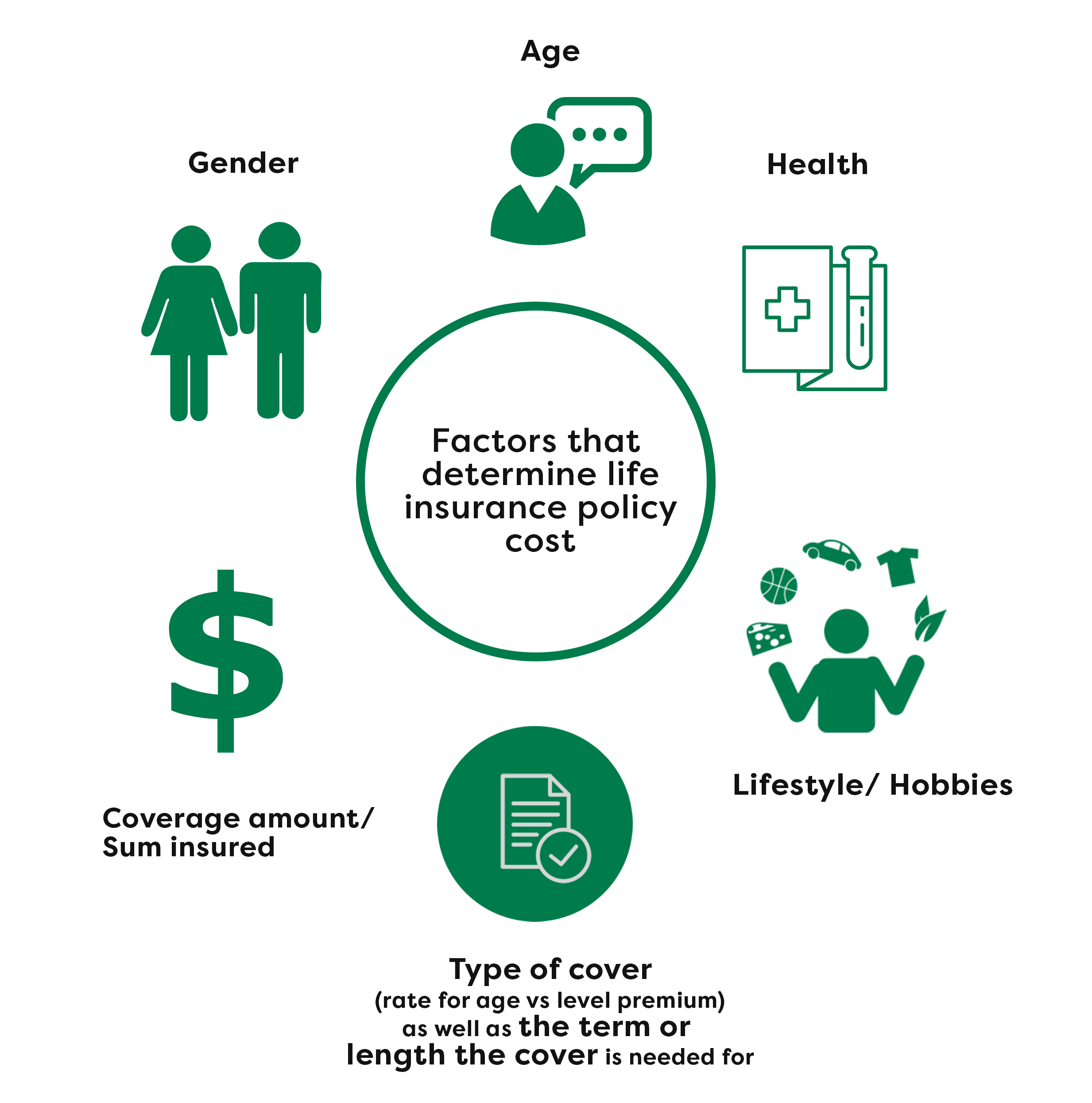
When you apply for life insurance, the underwriting department assesses dozens of variables to place you in a "rating class." This classification determines your final premium.
Age and Gender
Age is the most significant factor; the younger you are, the lower your premium. Gender also plays a role; statistically, women have longer life expectancies than men, which generally results in lower premiums for women for the same amount of coverage.
Medical History and Current Health
Underwriters look at your Body Mass Index (BMI), blood pressure, and cholesterol levels. They also review your history of chronic illnesses like diabetes, heart disease, or cancer. In 2026, many insurers use "accelerated underwriting," which analyzes your medical records and prescription history via digital databases rather than requiring a traditional blood draw and physical exam.
Tobacco and Substance Use
Smokers typically pay two to three times more than non-smokers. This includes cigarettes, e-cigarettes, and in some cases, nicotine replacement therapies. Marijuana use is also assessed, though many insurers have moved toward more lenient ratings for occasional use as of 2026, provided there are no underlying respiratory issues.
Lifestyle and Occupation
If your job involves high risk—such as underwater welding, structural steel work, or active military duty in combat zones—your premiums may include a "flat extra" fee. Similarly, hobbies like skydiving, SCUBA diving at extreme depths, or private piloting can increase your costs.
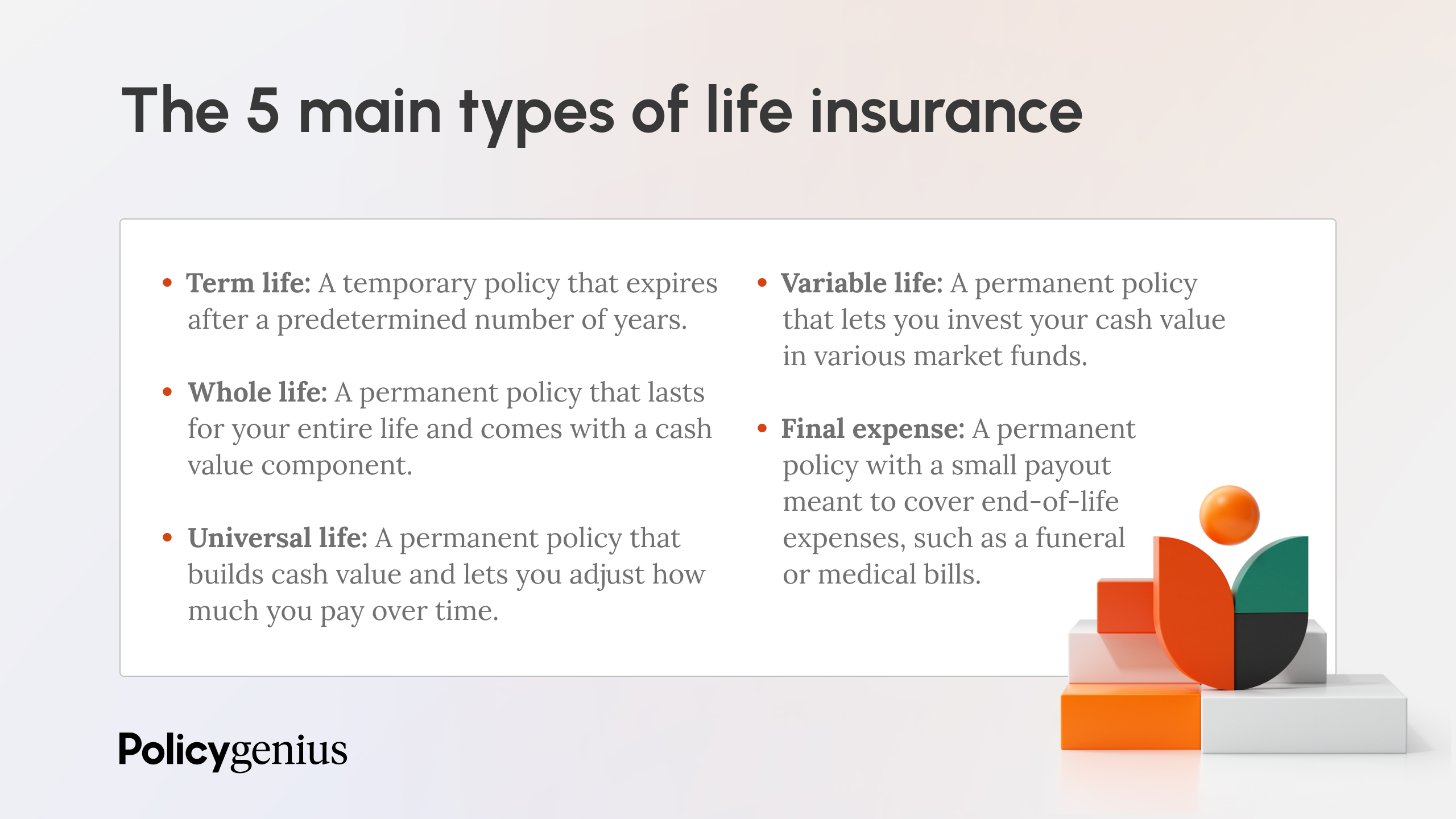
| Policy Type | Premium Structure | Cash Value Component? | Typical Relative Cost |
|---|---|---|---|
| Term Life | Fixed/Level for 10-30 years | No | Lowest |
| Whole Life | Fixed/Level for life | Yes | Highest |
| Universal Life | Flexible | Yes | Moderate to High |
| Variable Life | Fixed or Flexible | Yes (Investment-linked) | High |
| Final Expense | Fixed/Level | Yes (Small amount) | Moderate (per $1k) |
Understanding "Premium Modes" and Hidden Costs
How often you choose to pay your premium can affect the total cost. Most insurance companies offer several "modes":
- Annual: One payment per year.
- Semi-Annual: Two payments per year.
- Quarterly: Four payments per year.
- Monthly: Twelve payments per year.
While monthly payments are the most convenient for budgeting, they are often the most expensive. Insurers typically apply a "modal loading" fee to semi-annual, quarterly, and monthly payments to cover the extra administrative work of processing multiple transactions and the loss of interest they would have earned on a single annual payment. Paying annually can often save you 2% to 8% per year compared to monthly billing.
Policy Riders: Adding Functionality at a Price
Riders are optional add-ons that customize your coverage. Each rider typically adds a specific dollar amount or percentage to your base premium.
- Waiver of Premium: If you become totally disabled and cannot work, the insurance company waives your premium payments while keeping the policy in force.
- Accidental Death Benefit: This pays an additional benefit if you die specifically due to an accident.
- Child Term Rider: Provides a small amount of life insurance for your children under your own policy.
- Accelerated Death Benefit: Often included at no or low cost, this allows you to access a portion of the death benefit if diagnosed with a terminal illness.
What Happens When You Can't Pay?
Life happens, and sometimes a premium payment is missed. It is important to know the safeguards built into most life insurance contracts.
The Grace Period
Standard insurance law requires a grace period, typically 31 days, after the premium due date. During this time, the policy remains fully active even if the payment hasn't been received. If the insured dies during the grace period, the insurer pays the death benefit but subtracts the overdue premium.
Automatic Premium Loan (APL)
In permanent policies with cash value, you can often elect an "Automatic Premium Loan" provision. If you miss a payment, the insurer automatically takes a loan against your policy's cash value to pay the premium. This prevents the policy from lapsing but creates a debt that accrues interest and reduces the death benefit if not repaid.
Reinstatement
If a policy lapses (expires) because of non-payment, you may be able to "reinstate" it within a certain timeframe (usually 3–5 years). However, this typically requires paying all back premiums plus interest and proving that you are still in good health through a new underwriting process.
2026 Market Trends in Premium Pricing
As of 2026, the insurance industry has shifted significantly toward Dynamic Pricing models. Some insurers now offer "interactive" policies where premiums can be slightly discounted if the policyholder shares data from wearable fitness devices proving a healthy lifestyle. Furthermore, the use of Artificial Intelligence in underwriting has narrowed the time it takes to get a final premium quote from weeks to mere minutes for most applicants.
However, despite these technological shifts, the fundamental advice remains the same: the best time to lock in a life insurance premium is always "today," as premiums strictly correlate with your current age and health status.
Frequently Asked Questions
Can an insurance company raise my premiums after I buy the policy?
For Term Life and Whole Life insurance, the answer is generally no. These contracts usually have "guaranteed level premiums," meaning the rate is locked in for the life of the term or the policy. However, for Universal Life or Variable Universal Life, premiums can effectively increase if the internal costs of insurance rise or if the underlying investments perform poorly, requiring the policyholder to pay more to keep the policy from lapsing.
Is it better to pay life insurance premiums monthly or annually?
Mathematically, it is almost always better to pay annually. Most insurance companies charge a convenience fee (modal loading) for monthly payments. By paying once a year, you avoid these fees and ensure the policy doesn't lapse due to a missed monthly bank transfer or a changed credit card number.
Are life insurance premiums tax-deductible?
For individuals, life insurance premiums are generally not tax-deductible. The IRS views these as a personal expense. However, the trade-off is that the death benefit paid to beneficiaries is typically received income tax-free. For businesses, premiums paid for "key person" insurance are also generally not deductible if the business is the beneficiary.
What is a "rated" policy, and how does it affect my premium?
A "rated" policy occurs when an underwriter determines you are a higher-than-average risk but still insurable. Instead of a standard rating, you receive a "Table Rating" (e.g., Table B or Table 4). Each table typically adds a 25% surcharge to the base "Standard" premium. Common reasons for ratings include controlled diabetes, a history of heart disease, or a high BMI.
Can I lower my premiums if I lose weight or stop smoking?
Yes, but usually only after a waiting period. Most insurers require you to be tobacco-free for at least 12 to 24 months before they will reconsider your rating. If you have a significant health improvement, you can request a "re-rating" of your current policy. This may involve a new medical exam, but if successful, it can lead to lower future premiums without needing to buy a brand-new policy.
Final Recommendation
When shopping for life insurance in 2026, do not look at the premium in isolation. A low premium on a policy that doesn't guarantee the death benefit or lacks a "waiver of premium" rider may be more expensive in the long run. Always request a full policy illustration before signing. This document shows exactly how your premiums will behave over 30 to 50 years, including "guaranteed" and "non-guaranteed" scenarios. If you are seeking the most budget-friendly option, prioritize a Level Term policy with an annual payment mode to maximize your coverage-to-cost ratio.
Financial Advice Disclaimer: This article is for informational purposes only and does not constitute legal, tax, or financial advice. Life insurance regulations vary by jurisdiction and country. Always consult with a licensed insurance professional or a certified financial planner to discuss your specific needs and local regulatory requirements.