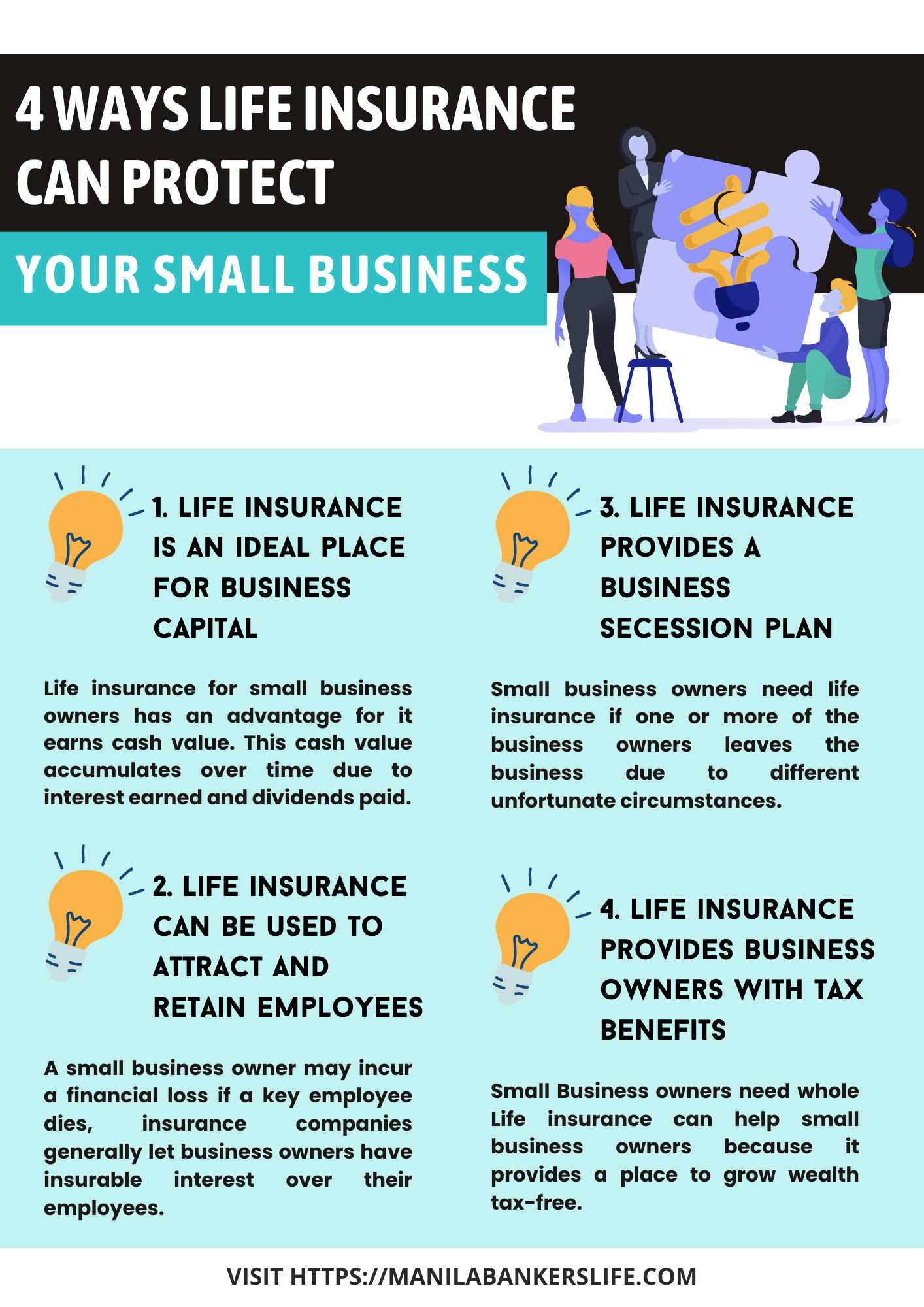
Business life insurance is a suite of specialized policies designed to protect a company’s financial integrity, facilitate ownership transitions, and enhance employee retention. These policies include Key Person insurance, Buy-Sell agreement funding, Executive Bonus plans, and Group Term Life, each serving specific roles in mitigating the fiscal risks associated with the death or loss of essential personnel.
In the corporate landscape of 2026, business life insurance has evolved from a simple death-benefit tool into a sophisticated instrument for balance sheet protection and executive compensation. For a business, life insurance is rarely about the "personal" needs of the insured; rather, it is a strategic asset used to safeguard the entity itself, its shareholders, and its workforce. Understanding the nuances of these policies is critical for any organization looking to maintain continuity through unavoidable transitions.
Key Person Insurance: Protecting the Core Value Drivers
Key Person insurance (frequently referred to as Key Man insurance) is perhaps the most fundamental form of business life insurance. It is a policy taken out by a business on the life of an owner, founder, or high-level executive whose absence would cause significant financial hardship to the company.
How Key Person Insurance Operates
In this arrangement, the business pays the premiums, owns the policy, and is the designated beneficiary. If the key employee passes away, the death benefit is paid directly to the company. This liquidity is intended to provide a financial cushion while the business undergoes the expensive process of recruiting and training a replacement, or to offset the immediate loss of revenue generated by that individual.
Valuation and Coverage Limits
Determining the appropriate coverage amount is a technical process. In 2026, underwriters typically use three primary methods to value a key person:
- Multiple of Compensation: This is the simplest method, often involving a coverage amount between 5 to 10 times the individual’s annual salary and bonuses.
- Contribution to Earnings: This method calculates the percentage of the company’s net profit directly attributable to the individual, then multiplies that by the number of years required to replace their expertise.
- Replacement Cost: This includes the estimated costs of executive search fees, signing bonuses for a new hire, and the projected loss of efficiency during the transition period.
Tax and Legal Compliance
Under Internal Revenue Code (IRC) Section 101(j), businesses must comply with specific notice and consent requirements before the policy is issued. Failure to document that the employee was notified of the insurance and consented to the coverage can result in the death benefit becoming taxable income to the corporation—a costly mistake that undermines the primary purpose of the policy.
Buy-Sell Agreement Funding
A Buy-Sell agreement is a legally binding contract between business owners that dictates what happens to a partner's share of the business if they die, become disabled, or retire. Life insurance is the most efficient vehicle to fund these agreements, ensuring that the remaining partners have the cash necessary to purchase the deceased partner’s interest from their estate.
Cross-Purchase Plans
In a cross-purchase plan, each business owner purchases a life insurance policy on every other owner. For example, in a three-partner firm, Partner A buys policies on Partner B and Partner C. If Partner B dies, Partner A and Partner C receive the death benefits and use those funds to buy Partner B’s shares.
- Advantage: The surviving partners receive a "step-up in basis," which can significantly reduce capital gains taxes if they sell the business later.
- Limitation: This becomes administratively complex as the number of partners increases. A firm with five partners would require 20 separate policies.
Entity Purchase (Stock Redemption) Plans
In an entity purchase plan, the business itself buys a single policy on each owner. When an owner dies, the company receives the death benefit and uses it to redeem (buy back) the deceased owner's shares.
- Advantage: It is much simpler to manage, as the company only maintains one policy per owner.
- Limitation: There is no step-up in basis for the surviving owners, and the policy cash values are considered business assets, potentially exposing them to the company's creditors.
The 2026 Use of Insurance LLCs
To combine the benefits of both models, many businesses in 2026 utilize a "Buy-Sell LLC." Owners form a separate limited liability company solely to hold the life insurance policies. This structure provides the step-up in basis of a cross-purchase plan while maintaining the administrative simplicity of an entity purchase plan.
Executive Bonus Plans (Section 162)
The Executive Bonus Plan, often cited under Section 162 of the tax code, is a non-qualified benefit used to recruit and retain top-tier talent without the restrictive "non-discrimination" rules that govern 401(k) or pension plans.
Mechanism of Action
The business pays the premiums on a permanent life insurance policy (such as Whole Life or Universal Life) owned by the executive. The premium payments are treated as a bonus to the executive, meaning they are tax-deductible for the corporation as a business expense. The executive must report the premium as taxable income, but the business often provides a "double bonus" to cover the resulting tax liability.
Long-Term Value for the Executive
Because the executive owns the policy, they have access to the cash value growth within the policy. In 2026, this is a highly prized benefit because the cash value grows tax-deferred and can be accessed via tax-free loans during retirement. If the executive stays with the company until retirement, they take the policy with them, providing a portable and versatile financial asset.
Restrictive Covenants
Businesses often add a "restrictive covenant" to these plans. This prevents the executive from accessing the policy’s cash value for a set number of years (e.g., 10 years), acting as "golden handcuffs" that incentivize the executive to remain with the firm.
Split-Dollar Life Insurance
Split-dollar insurance is not a specific type of policy but rather a method of sharing the costs and benefits of a permanent life insurance policy between the employer and an employee.
Endorsement vs. Collateral Assignment
There are two primary ways to structure split-dollar arrangements in 2026:
- Endorsement Split-Dollar: The employer owns the policy and "endorses" a portion of the death benefit to the employee’s beneficiaries. This is typically used in a non-profit or credit union setting.
- Collateral Assignment: The employee owns the policy, and the employer’s premium payments are structured as a series of loans to the employee. The employer is assigned a portion of the death benefit or cash value equal to the premiums paid.
The primary advantage of split-dollar plans is that they allow an executive to obtain a large amount of permanent life insurance with little to no out-of-pocket cost, while the employer eventually recovers its investment.
Group Term Life Insurance
Group Term Life Insurance is a staple of most employee benefit packages. It provides a level of coverage to all eligible employees, usually based on a multiple of their salary or a flat dollar amount.
The $50,000 Rule
Under current IRS guidelines in 2026, the first $50,000 of group term life insurance coverage provided by an employer is tax-free to the employee. For coverage exceeding $50,000, the "imputed cost" of the excess coverage must be calculated using IRS Table I and reported as taxable income on the employee’s W-2.
Portability and Conversion
One significant limitation of group term life is that it is typically not portable. If an employee leaves the company, the coverage usually ends, though many 2026 policies include a conversion rider allowing the employee to switch to an individual permanent policy without a medical exam, albeit at a significantly higher premium.
Comparison of Business Life Insurance Structures
| Policy Type | Primary Purpose | Owner | Premium Deductibility | Death Benefit Recipient |
|---|---|---|---|---|
| Key Person | Business continuity | The Business | Not Deductible | The Business |
| Buy-Sell (Cross) | Ownership transfer | Individual Partners | Not Deductible | Surviving Partners |
| Buy-Sell (Entity) | Share redemption | The Business | Not Deductible | The Business |
| Exec. Bonus (162) | Executive retention | The Executive | Deductible (as bonus) | Exec's Beneficiaries |
| Group Term | Employee benefit | The Business/Group | Deductible (to $50k) | Employee's Beneficiaries |
| Split-Dollar | Shared cost benefit | Varies by structure | Generally Not Deductible | Split between Employer/Employee |
Determining the Right Policy Mix
For most businesses, a single policy type is insufficient. A comprehensive risk management strategy often involves layering these coverages. For instance, a growing tech firm might implement:
- Group Term Life for its general workforce to remain competitive in the labor market.
- Key Person Insurance on the lead developers and the CEO to satisfy venture capital requirements.
- Buy-Sell Funding between the three original founders to prevent an accidental dissolution of the company.
The Role of Permanent vs. Term Insurance
While Term Life is often preferred for Key Person insurance due to its lower cost and the temporary nature of the risk (until the person retires), Permanent Life (Whole or Universal) is almost always used for Executive Bonus and Split-Dollar plans. This is because the permanent cash value component serves as the "engine" for the retirement benefit, which is a major selling point for those structures.
Common Pitfalls and Operational Limitations
Failure to Update Valuations
A common mistake businesses make is setting up a Buy-Sell agreement and insurance policy in 2026 but failing to adjust the coverage as the business grows. If the business doubles in value over five years, the insurance will only fund half of the buyout, leading to potential legal disputes and cash flow crises during a partner's transition.
Ignoring Credit Risk
In Entity Purchase plans or Endorsement Split-Dollar plans, the policy is a corporate asset. If the business is sued or enters bankruptcy, those cash values and death benefits may be reachable by creditors. Businesses must consult with legal counsel to determine if an irrevocable life insurance trust (ILIT) or a different ownership structure is necessary for asset protection.
Interest Rate Sensitivities
For Universal Life policies used in business planning, performance is often tied to market interest rates or index performance. In the economic environment of 2026, it is vital to review "in-force illustrations" annually to ensure that the policy's cash value is performing as projected. If interest rates have shifted, the business may need to increase premiums to prevent the policy from lapsing.
FAQs
Is business life insurance tax-deductible?
Generally, premiums paid for Key Person or Buy-Sell insurance are not tax-deductible because the business is a direct or indirect beneficiary. However, premiums paid for Executive Bonus plans (Section 162) and Group Term Life (up to certain limits) are deductible as compensation or fringe benefit expenses.
Can a business change the insured person on a policy?
Some "Corporate Owned Life Insurance" (COLI) policies include a "Business Exchange Rider." This allows the business to transfer the coverage from an outgoing executive to their successor without having to issue an entirely new policy, though the new insured must still meet underwriting requirements.
What happens to a Key Person policy if the employee retires?
The business has several options: they can surrender the policy for its cash value, transfer ownership to the retiring employee as part of a retirement package (which triggers a taxable event), or continue to pay the premiums and collect the death benefit later.
Are death benefits received by the business taxable?
If the notice and consent requirements of IRC Section 101(j) were met, the death benefit is usually received by the business income tax-free. However, for C-corporations, the death benefit may be subject to the Corporate Alternative Minimum Tax (AMT) if it exceeds certain thresholds.
Can life insurance be used to secure a business loan?
Yes. Lenders often require a "Collateral Assignment" of a life insurance policy on the business owner. This ensures that if the owner dies, the loan is repaid immediately from the insurance proceeds, protecting the lender and the owner's estate from the debt.
Final Recommendations for Businesses
Businesses should initiate a comprehensive insurance audit by a qualified professional at least once every two years. Start by identifying the "indispensable" members of your team to determine Key Person needs, and then review your legal operating agreement to ensure your Buy-Sell funding is aligned with your current valuation. Because the legal and tax landscape for employer-owned life insurance is complex, always involve both a tax advisor and a legal professional during the implementation of these policies to ensure compliance with Section 101(j) and other regulatory requirements.