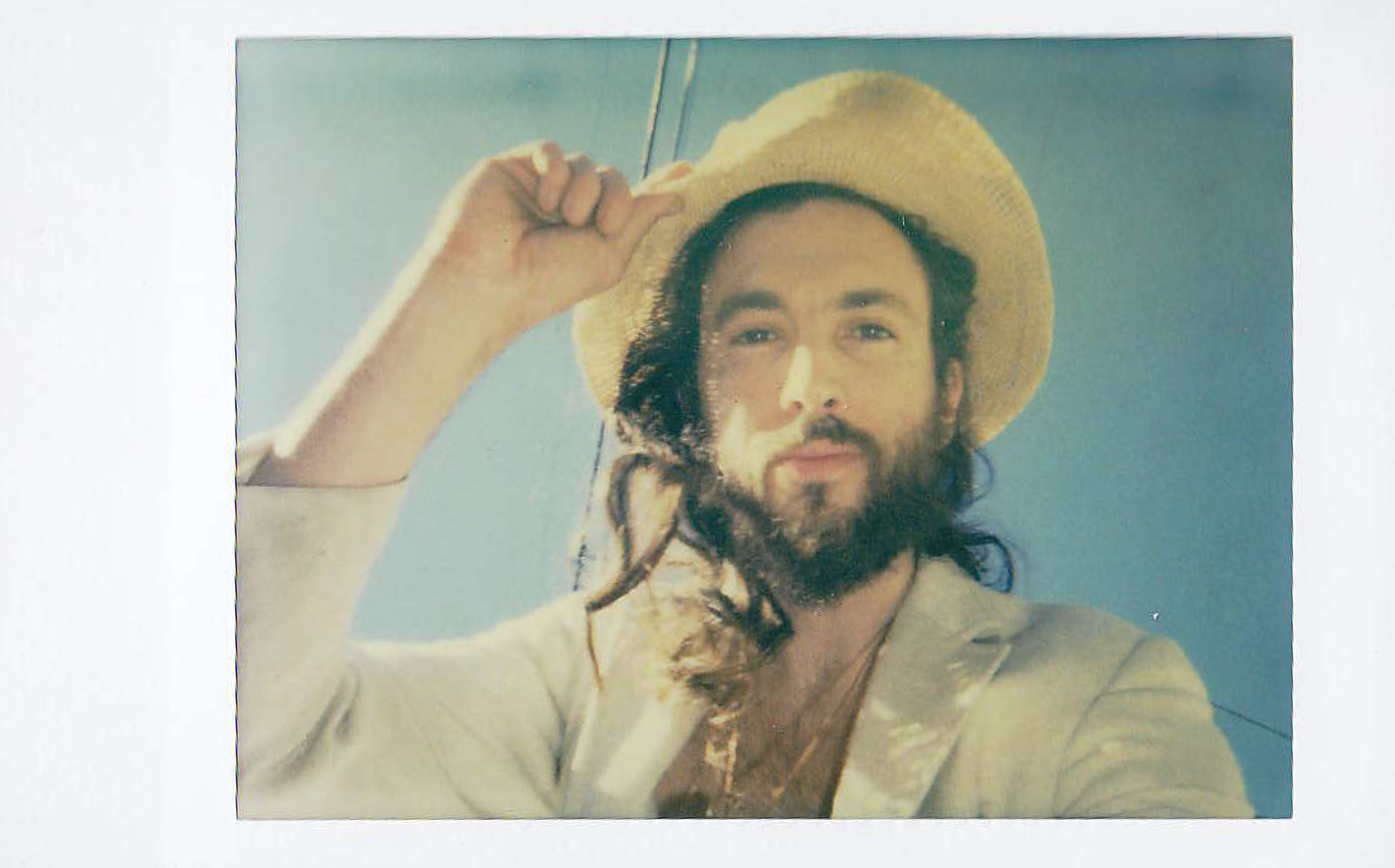
Alex Ebert’s debut solo album, Alexander, is a ten-track folk-pop record released on March 1, 2011, through Community Music. Written, performed, and produced entirely by Ebert in his bedroom using a single microphone, the album represents a stripped-back, intimate departure from his work with Edward Sharpe and the Magnetic Zeros and Ima Robot.
As we look back from the perspective of 2026, Alexander stands as a definitive marker of the early 2010s indie-folk movement. It is an album defined by its DIY ethos, primitive percussion, and the singular creative vision of a man who, at the time, was the frontman of one of the largest touring ensembles in the world. While Alex Ebert (also known as Edward Sharpe) was famous for the communal, "more-is-more" energy of the Magnetic Zeros, this solo effort was an exercise in solitude and self-reliance.
The Historical Context of Alexander
To understand the weight of Alexander, one must look at where Alex Ebert was in 2010. His career had already undergone several transformations. He began as the high-energy, neon-drenched frontman of the power-pop/electro-clash band Ima Robot. Following a period of personal struggle and recovery, he reinvented himself as the messianic leader of Edward Sharpe and the Magnetic Zeros. The success of their debut album, Up from Below (2009), and the hit single "Home," had propelled Ebert into a level of fame that required constant touring and the management of a 10-plus member band.
The creation of Alexander was an intentional retreat from that noise. Ebert wanted to see what he could create by himself, without the democratic process of a band or the polished expectations of a major studio. He retreated to his home and began recording with a laptop and a modest microphone. This "bedroom pop" approach—long before the term became a mainstream genre—allowed him to capture a vulnerability that was often buried under the orchestral arrangements of his other projects.
The Production Process: A One-Man Symphony
The most remarkable technical aspect of Alexander is that every sound heard on the record was generated by Ebert himself. In an era where digital perfection was becoming the standard, Ebert leaned into the "clunky" and the "raw." He didn't use a professional drum kit; instead, he used chairs, walls, and his own body to create percussion. He played the guitars, the organ, the clarinet, and the glockenspiel.
This isolation was not just a logistical choice but a creative philosophy. By removing the influence of other musicians, Ebert was able to explore more eccentric rhythmic structures and vocal harmonies that felt deeply personal. The production is characterized by a "low-fidelity" (lo-fi) warmth. There is a sense of air and space in the recordings, often capturing the ambient sound of the room, which adds to the listener's sense of intimacy.
Track-by-Track Deep Dive
The album consists of ten tracks, each contributing to a narrative of self-discovery and existential reflection.
1. "Let’s Win!"
The opening track sets the tone with a jaunty, optimistic rhythm. It introduces the listener to Ebert’s "primitive" percussion style—a mix of stomps and claps that feel communal despite being recorded in isolation. It serves as a bridge between the Edward Sharpe sound and this new solo venture.
2. "A Million Years"
This track is perhaps the most melodic on the album. It features a lush arrangement of backing vocals, all performed by Ebert, creating a "wall of sound" effect that highlights his range. The lyrics deal with themes of eternal love and the passage of time, delivered with a whimsical, folk-pop sensibility.
3. "Truth"
"Truth" is the undisputed centerpiece of the album. Driven by a catchy, whistled melody and a hip-hop-influenced beat, it achieved significant cultural longevity. The song gained massive popularity after being featured in the AMC series Breaking Bad (Season 4, Episode 13, "Face Off"). Its lyrics—"Truth is a beauty, but the truth is I'm a liar"—explore the complexities of human ego and the search for authenticity. Even in 2026, "Truth" remains a staple on indie playlists and is often cited as one of the best "whistle songs" in modern music history.
4. "In the Twilight"
A slower, more atmospheric piece that leans into the psychedelic folk roots of the project. It showcases Ebert’s ability to use his voice as an instrument, layering harmonies to create a sense of ethereal mystery.
5. "Bad Bad Love"
This track is a bit more blues-inflected, focusing on the darker side of romance and the cyclical nature of dysfunctional relationships. It’s one of the moments where the "raw" production works most effectively, as the slight distortion on the vocals adds to the emotional grit.
6. "Old Friend"
"Old Friend" is a tender acoustic ballad. It feels like a direct conversation, possibly with a former version of himself or a literal old friend from his past lives in the Los Angeles music scene. The simplicity of the guitar work allows the lyrics to take center stage.
7. "Glimpses"
This song features some of the most intricate arrangements on the album, utilizing clarinets and bells to create a soundscape that feels like a Victorian-era carnival. It reflects Ebert’s fascination with "old world" sounds and folk traditions.
8. "Bad Bad Love" & "Let’s Die!"
The back half of the album shifts toward more existential themes. "Let’s Die!" is not as morbid as the title suggests; rather, it is a celebration of the cycle of life and the release of the ego. It echoes some of the spiritual themes found in his work with the Magnetic Zeros but through a much more idiosyncratic lens.
9. "Golden"
A bright, shimmering track that serves as a late-album pick-me-up. It uses high-pitched vocal melodies and light percussion to create a feeling of sunshine and renewal.
10. "The Junkie"
The final track is a haunting, introspective look at addiction and recovery. Given Ebert’s personal history, the song carries a heavy emotional weight. It ends the album not on a note of triumph, but on one of honest reflection, leaving the listener with a sense of the man behind the persona.
Technical Specifications and Legacy
| Feature | Details |
|---|---|
| Artist | Alex Ebert (Alexander) |
| Release Date | March 1, 2011 |
| Record Label | Community Music |
| Producer | Alex Ebert |
| Recording Location | Bedroom Studio (Los Angeles/Tour) |
| Primary Instruments | Acoustic Guitar, Organ, Clarinet, Glockenspiel, Found Percussion |
| Total Length | Approximately 40 minutes |
| Most Famous Track | "Truth" |
As of 2026, the legacy of Alexander is its proof of concept: that a solo artist can capture the essence of a whole band through sheer creativity and limited resources. It influenced a generation of DIY artists who realized they didn't need a high-end studio to produce a meaningful body of work. While Ebert would go on to win a Golden Globe for his score for All Is Lost (2013) and continue his work with various collectives, Alexander remains his most intimate portrait.
Themes: Identity and the Ego
One cannot discuss Alexander without discussing the concept of the "Ego." Ebert has often spoken about the struggle between the self and the public persona. In this album, he explicitly explores the "Alexander" side of himself—the individual—as opposed to "Edward Sharpe," the character.
The lyrics are peppered with contradictions. He sings about being a liar, a seeker, a lover, and a ghost. This duality is central to the album's appeal. It doesn't offer easy answers or "anthems" in the traditional sense; instead, it offers a look into the mind of an artist who is constantly questioning his own motives and his place in the world.
Critical Reception and Popular Culture
Upon its release in 2011, Alexander received generally positive reviews. Critics praised its charm and the surprising effectiveness of its "one-man-band" production. Pitchfork noted its "childlike wonder" and compared it to the work of artists like Paul McCartney (specifically his solo debut McCartney) and Skip Spence.
The inclusion of "Truth" in Breaking Bad served as a massive catalyst for the album's long-term success. It introduced Ebert's solo work to a global audience that might not have been familiar with Edward Sharpe. The song’s placement in such a pivotal moment of television history ensured that the album would not simply fade into the "indie-folk" background of the early 2010s.
Comparing Alexander to Edward Sharpe and the Magnetic Zeros
While there are obvious sonic similarities—primarily Ebert’s distinctive voice and his penchant for folk melodies—the difference lies in the "breath" of the music.
- Density vs. Space: Edward Sharpe tracks are often dense with multiple guitars, pianos, and a choir of voices. Alexander uses silence and space as an instrument.
- Emotional Tone: The Zeros' music is often outwardly ecstatic and communal. Alexander is inward-looking and occasionally melancholic.
- Spontaneity: Because Ebert was the only one in the "room," the shifts in tempo and rhythm in Alexander feel more like a stream of consciousness than a rehearsed band arrangement.
Why Alexander Remains Relevant in 2026
In 2026, the music industry has become increasingly automated and AI-influenced. In this landscape, the human "imperfections" of an album like Alexander become even more valuable. The sound of a hand hitting a wall for a snare drum or the slight crack in a vocal take serves as a reminder of the human touch.
For fans of Alex Ebert, this album is the Rosetta Stone for his later work. It bridges the gap between the chaotic energy of his youth and the sophisticated film scoring of his later career. It is a document of a transition—an artist finding his own voice while the world was shouting someone else’s name.
Frequently Asked Questions
Is "Alexander" a stage name or just the album title? Both. Alex Ebert released the album under the moniker "Alexander," which he used specifically for this solo project to distinguish it from his work with Edward Sharpe and the Magnetic Zeros.
What instruments did Alex Ebert use to record the album? Ebert played every instrument heard on the record. This includes acoustic and electric guitars, an organ, a clarinet, a glockenspiel, and "found percussion" such as clapping, stomping, and hitting furniture.
Which TV shows have featured songs from this album? The most famous sync was the use of "Truth" in the Breaking Bad finale of Season 4. The song has also appeared in various commercials and other series, thanks to its catchy, universal appeal.
Was there ever a follow-up solo album to Alexander? Yes, Ebert released 2 in 2020. While he has released other solo tracks and film scores, Alexander remains his most recognized full-length solo studio effort.
Where can I find the lyrics to Alexander? Official lyrics are available via most streaming platforms (Spotify, Apple Music) and major lyrics databases like Genius. The lyrics are known for their poetic, sometimes cryptic, folk-inspired imagery.
Final Recommendation
If you are a fan of indie folk or the "freak folk" movement of the early 2010s, Alexander is essential listening. To get the most out of the experience, listen to it on a high-quality audio system or through open-back headphones to appreciate the bedroom-recorded nuances. Pay close attention to the layers of vocals in "A Million Years" and the rhythmic ingenuity of "Truth." It is a rare example of a solo project that manages to be both tiny in its production and massive in its emotional scope.