Contrary to a common misconception, the founders of Aldi and Lidl were not brothers, nor were the two companies ever part of the same family business. Aldi was founded and split by the Albrecht brothers, Karl and Theo, while Lidl was developed by the Schwarz family, led by Josef and later Dieter Schwarz. These two retail giants are fierce competitors with distinct origins.
The confusion regarding the "Aldi and Lidl brothers" often stems from their shared German heritage, their remarkably similar "hard discount" business models, and their near-simultaneous global expansion. However, the corporate DNA of these entities is entirely separate. To understand the landscape of modern grocery retail in 2026, one must look back at the distinct lineages of the Albrecht and Schwarz families and how their parallel paths redefined how the world shops for food.
The Albrecht Brothers: The Architects of Aldi
The story of Aldi begins in Essen, Germany, shortly after World War II. In 1946, brothers Karl and Theo Albrecht took over their mother’s small grocery store. Their approach was revolutionary for the time: they focused on keeping costs extremely low by refusing to stock items that didn't sell quickly and avoiding expensive advertising.
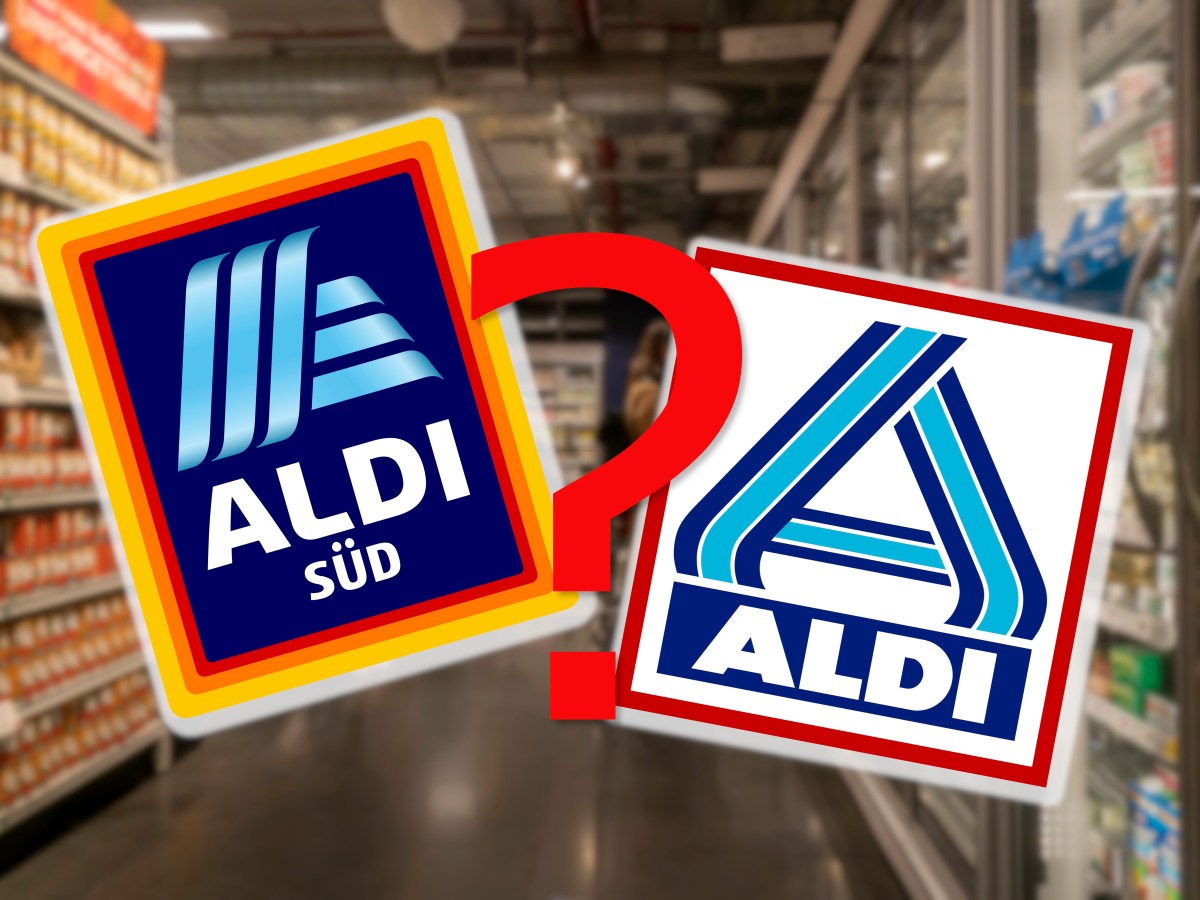
By the 1950s, the Albrechts had expanded to dozens of locations under the name "Albrecht Lebensmittel." However, the most defining moment in the company’s history occurred in the early 1960s. A legendary disagreement between the brothers—reportedly over whether or not to sell cigarettes at the checkout—led to the division of the company into two separate legal entities: Aldi Nord (North) and Aldi Süd (South).
The Great Split: Aldi Nord vs. Aldi Süd
The "Aldi brothers" did not just run one company; they operated two distinct empires that cooperated on certain procurement levels but remained financially and legally independent.
- Aldi Nord: Managed by Theo Albrecht, this branch took control of stores in northern Germany and eventually expanded into Western, Southern, and Eastern Europe, as well as the United States (where it operates Trader Joe’s, though Trader Joe’s maintains a very different brand identity).
- Aldi Süd: Managed by Karl Albrecht, this branch took southern Germany and expanded into the United Kingdom, Australia, and the United States (where it operates the standard "Aldi" branded stores).
Despite the split, both brothers adhered to a philosophy of "extreme simplicity." This involved limited assortments, products displayed in their original shipping cartons, and a ruthless focus on private-label goods rather than expensive national brands. This efficiency allowed them to offer prices that traditional supermarkets could not match.
The Schwarz Family: The Origin of Lidl
While the Albrecht brothers were cementing their hold on the German market, the foundations of Lidl were being laid by the Schwarz family. The company traces its roots back to the 1930s, when Josef Schwarz became a partner in Lidl & Co., a fruit wholesaler. Over time, he developed the business into the Schwarz-Gruppe (Schwarz Group).
The transition from a wholesaler to a modern discount retailer was spearheaded by Josef’s son, Dieter Schwarz. Unlike the Albrecht brothers, who used their own name for their stores initially, Dieter Schwarz faced a unique branding challenge. He wanted to avoid using his last name, "Schwarz," for the retail stores because "Schwarz-Markt" translates literally to "black market" in German—a name with obvious negative connotations.
The Naming of Lidl
To solve the branding issue, Dieter Schwarz purchased the naming rights from an unrelated retired schoolteacher and former business partner named Ludwig Lidl for 1,000 Deutsche Marks. This allowed him to launch the first Lidl discount supermarket in 1973 in Ludwigshafen, modeled closely after the Aldi system but with subtle differences that would eventually define its competitive edge.
Under Dieter Schwarz's leadership, the Schwarz Group grew into a massive retail conglomerate. Today, it remains a private family-owned company, making Dieter Schwarz one of the wealthiest individuals in the world. The group also owns Kaufland, a hypermarket chain that operates differently from the discount Lidl model.
Comparing the Business Models in 2026
By 2026, the distinction between Aldi and Lidl has become a subject of study for retail analysts worldwide. While both are "hard discounters," their strategies have diverged as they have adapted to digital transformation and shifting consumer preferences.
Private Label vs. Brand Names
Aldi (both Nord and Süd) has historically leaned more heavily into an exclusive private-label strategy. Approximately 90% of the products found in an Aldi store are brands you cannot find anywhere else. This gives them total control over the supply chain and pricing.
Lidl, conversely, has always been slightly more welcoming to major national brands (like Coca-Cola or Nestlé) alongside its private labels. In 2026, this "hybrid" model helps Lidl act as a bridge for consumers who want discount prices but aren't ready to give up their favorite specific brand-name items.
The "Aisle of Shame" and Special Buys
Both retailers utilize a "middle aisle" strategy for non-food items, often referred to by fans as the "Aisle of Shame" or "Aldi Finds" and "Lidl Surprises." This involves rotating weekly specials on everything from power tools to gardening equipment and kitchen gadgets. While the concept is the same, Lidl’s logistics network often allows for a slightly more frequent rotation of high-tech and textile goods, whereas Aldi tends to focus on seasonal household essentials.
Store Layout and Customer Experience
Aldi stores are generally smaller and designed for a "lightning-fast" shopping experience. The layout is almost identical across all locations to ensure customers can find what they need without searching. Lidl stores, particularly the newer "Lidl of the Future" models seen in 2026, tend to be slightly larger, featuring in-store bakeries that serve as a significant foot-traffic driver—a feature that Aldi has only recently begun to implement in select markets.
| Feature | Aldi (Nord & Süd) | Lidl (Schwarz Group) |
|---|---|---|
| Founders | Karl and Theo Albrecht | Josef and Dieter Schwarz |
| Year Founded | 1946 (Current form 1961/62) | 1973 (First discount store) |
| Ownership | Private (Albrecht Family Foundations) | Private (Schwarz-Gruppe) |
| Primary Strategy | 90%+ Private Label, extreme efficiency | Hybrid (Private label + Big brands) |
| In-Store Bakery | Selective/Roll-out phase | Standard feature in most regions |
| US Presence | Aldi Süd (Aldi US), Aldi Nord (Trader Joe's) | Lidl US (Rapidly expanding) |
The Global Disruption: Why the Confusion Persists
The reason many consumers believe there is a "brotherly" connection between Aldi and Lidl is the synchronized way they enter new markets. When Aldi enters a country, Lidl is rarely far behind.
In the United Kingdom, for example, the "Aldi and Lidl effect" completely disrupted the "Big Four" supermarkets (Tesco, Sainsbury's, Asda, and Morrisons). Their aggressive pricing forced a permanent downward shift in grocery margins. A similar trend has played out in the United States throughout the 2020s. As of 2026, Aldi has established a massive footprint in the US, with over 2,500 stores, while Lidl has focused on a dense, high-quality presence along the East Coast.
The companies are often mentioned in the same breath by media outlets—"The German Discounters"—which reinforces the idea of a singular entity or a pair of related founders. Furthermore, the secrecy of both families has added to the mystique. Both the Albrechts and the Schwarzes have historically avoided the spotlight, rarely giving interviews and maintaining a level of corporate privacy that is unusual for companies of their size.
Impact on Modern Retail (2026 Perspective)
As we look at the retail landscape in 2026, the influence of these two (non-related) families is undeniable. They have moved beyond "cheap" and are now seen as "smart."
Sustainability and Logistics
In 2026, both Aldi and Lidl have become leaders in sustainable retail. Their business models are inherently less wasteful than traditional supermarkets. Because they stock fewer items (SKUs), they have less food waste. Their logistics chains are optimized for minimal fuel consumption, and both have made significant strides in eliminating single-use plastics.
Digital Integration
While they were late to the e-commerce game, 2026 sees both retailers utilizing sophisticated apps and click-and-collect services. However, they have resisted the move to full-scale delivery in many regions, as the high cost of "last-mile" delivery conflicts with their core mission of providing the lowest possible prices to the consumer.
Common Myths Debunked
It is important to clarify a few persistent rumors that circulate regarding the relationship between these companies:
- Myth: Lidl is a spin-off of Aldi. There is no historical evidence for this. They started as entirely separate wholesale and retail businesses in different parts of Germany.
- Myth: The brothers had a falling out and one started Lidl. The falling out (the cigarette dispute) only concerned the split of Aldi into Nord and Süd. It had nothing to do with the creation of Lidl.
- Myth: They fix prices together. As major competitors, they are subject to strict antitrust and competition laws in the EU and the US. While they often react to each other's price drops, they operate as fierce rivals.
FAQ: Understanding the Aldi and Lidl Relationship
Were the founders of Aldi and Lidl related?
No, the founders were not related. Aldi was founded by brothers Karl and Theo Albrecht. Lidl was founded by the Schwarz family, specifically Josef Schwarz and his son Dieter Schwarz. They are two separate family dynasties that happen to dominate the same industry.
Why do Aldi and Lidl always open stores near each other?
This is a classic example of "Hotelling's Law" or spatial competition. By locating near each other, they ensure they are both accessible to the same pool of price-conscious customers. It also allows them to benefit from the "retail destination" effect, where shoppers visit an area specifically to compare prices between the two discounters.
Who is bigger, Aldi or Lidl?
This depends on the metric. In terms of total revenue of the parent company, the Schwarz Group (which includes Lidl and Kaufland) is often cited as the largest food retailer in Europe. However, if you combine the global footprints of Aldi Nord and Aldi Süd, the "Aldi" brand has a more widespread international presence, particularly in markets like Australia and the United States.
Does Aldi own Trader Joe's?
Aldi Nord owns Trader Joe's in the United States. However, Trader Joe's operates independently with its own management, supply chain, and branding. The "Aldi" stores you see in the US are owned by Aldi Süd. Lidl has no ownership stake in either.
Why are their names so similar?
The names are not intentionally similar; they are both short, punchy, four-letter German names that are easy to remember and work well on signage. "Aldi" is a contraction of Albrecht Diskont. "Lidl" is the surname of a former business associate of the Schwarz family.
Final Recommendation: How to Choose Between Them
In 2026, the choice between Aldi and Lidl usually comes down to personal preference rather than price, as their pricing remains highly competitive. If you prefer a faster, more streamlined shopping experience with a focus on high-quality private-label staples, Aldi is typically the better choice. If you prefer a slightly wider selection, including more brand-name products and a robust in-store bakery, Lidl often has the edge. Regardless of which you choose, understanding that they are separate entities helps consumers better navigate the unique strengths and weekly specials each retailer offers.