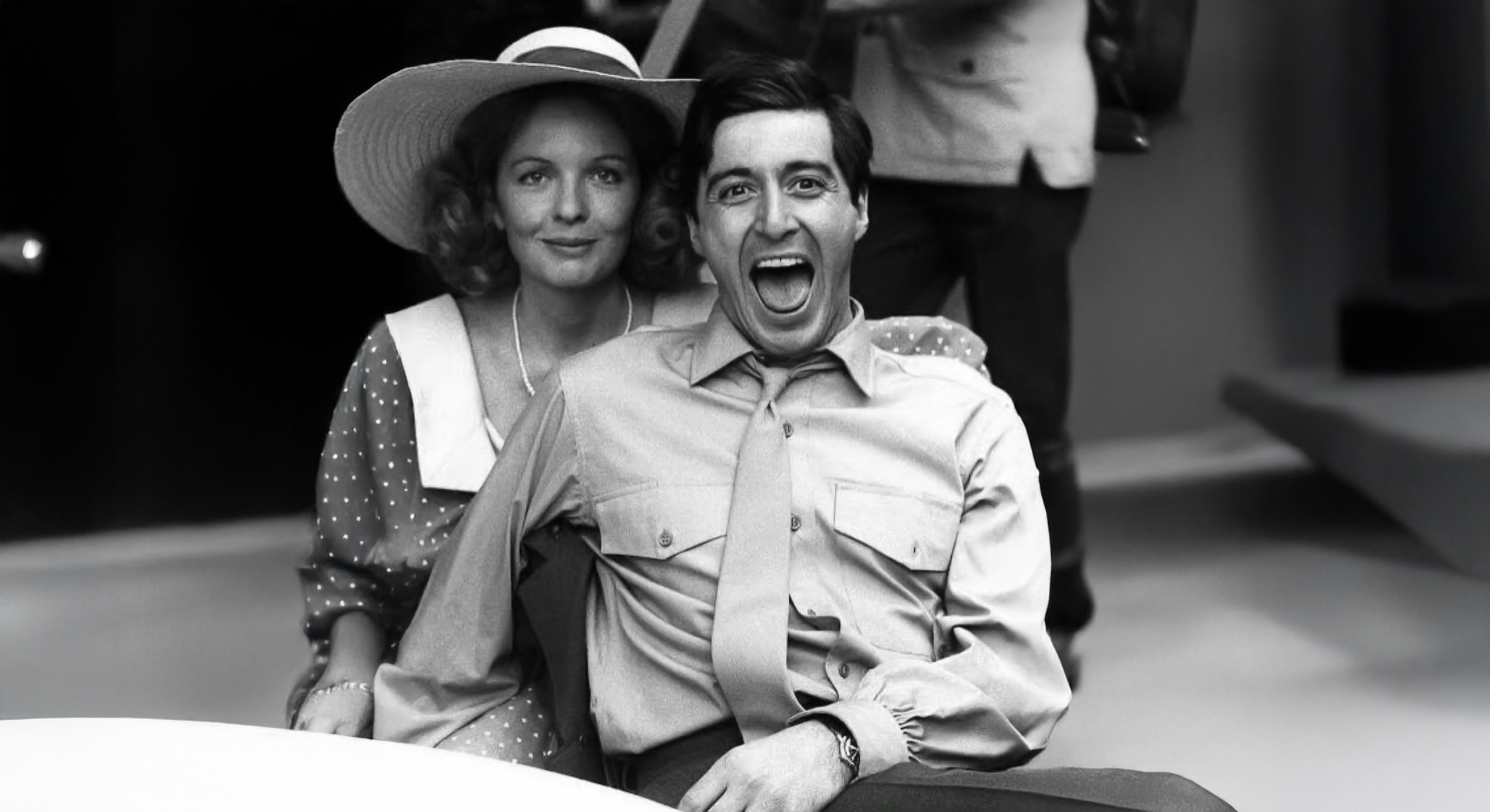
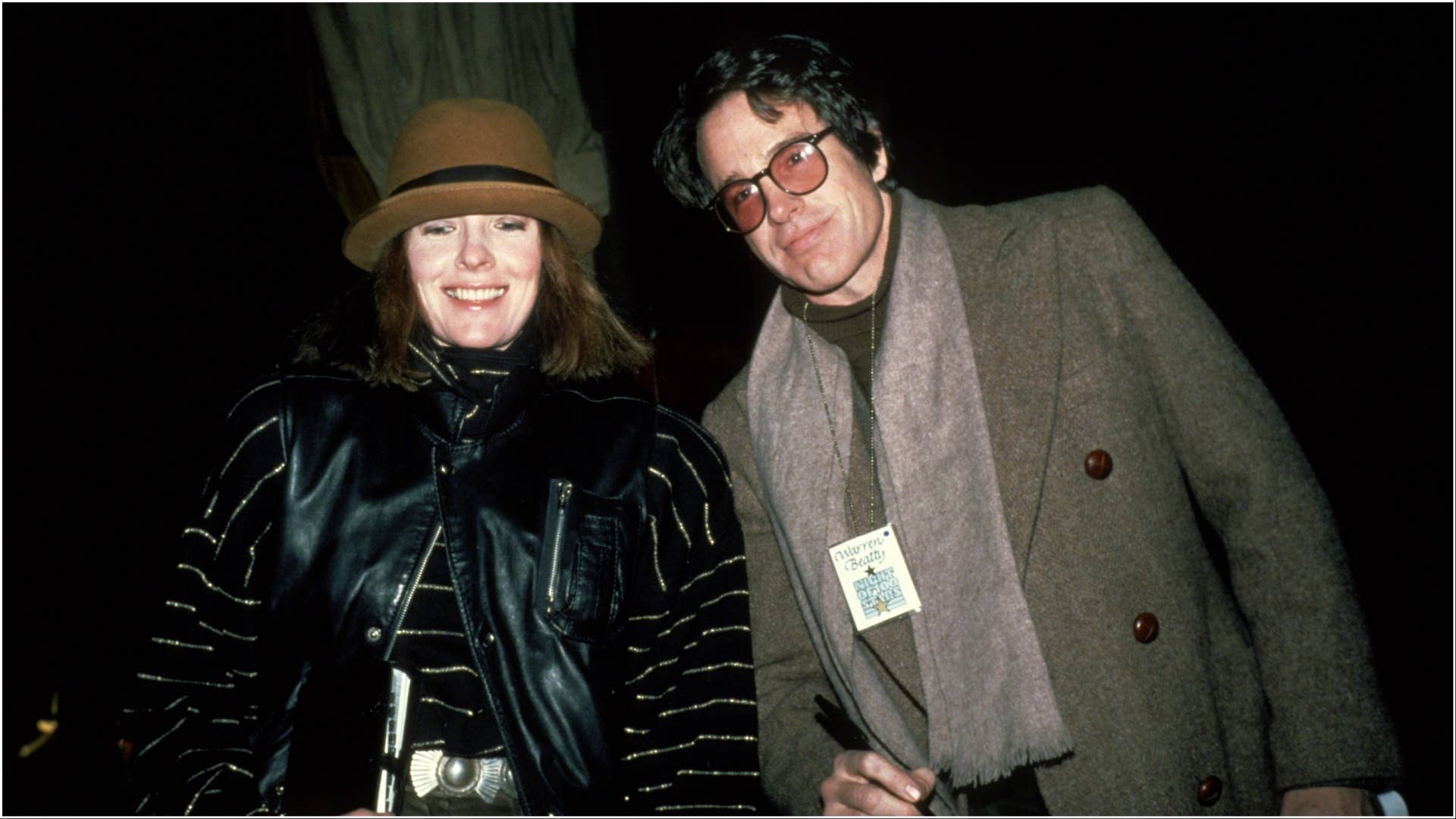
The collaboration between Al Pacino and Diane Keaton represents one of the most enduring creative partnerships in American cinema, anchored by their iconic work in the Godfather trilogy. Their "shifting story"—a narrative arc spanning decades—explores the evolving dynamics of power, isolation, and domesticity, reflecting how their characters grow from youthful infatuation into the complex, burdened realities of later life.
The Foundation of a Legendary On-Screen Dynamic
To understand the shifting story of Al Pacino and Diane Keaton, one must first look at the foundation established in Francis Ford Coppola’s The Godfather (1972). Pacino, as Michael Corleone, began his journey as the reluctant war hero, while Keaton’s Kay Adams served as the audience’s surrogate—the outsider attempting to comprehend the insular, violent world of the Corleone crime family.
Their chemistry was not built on traditional romantic tropes but on the tension between two conflicting American archetypes: the assimilation-seeking woman and the tradition-bound, power-hungry man. As the narrative progresses through the trilogy, this "shifting story" gains momentum. It is a tale of erosion. The warmth present in their early courtship in New York and the optimism of their eventual marriage are slowly drained by Michael’s descent into cold-blooded cynicism.
For audiences and film scholars, this arc is essential because it anchors the supernatural scale of the Mafia epic in a deeply recognizable, albeit tragic, domestic reality. The shifts in their relationship are not merely plot points; they are barometers for Michael’s moral degradation. Every time Keaton’s Kay attempts to bridge the gap between her moral sensibilities and Michael’s shifting allegiances, the distance between them grows, marking the definitive transition from a love story to a tragedy.
Analyzing the Shifting Narrative Arc
The evolution of Pacino and Keaton’s shared screen time can be categorized into three distinct phases. Understanding these phases allows viewers to appreciate the technical skill involved in their long-term character development.
Phase One: The Illusion of Normalcy
In the first film, the narrative focus is on potential. The "shift" here is subtle. When Kay visits the Corleone compound or attends the wedding, she represents the "real world" that Michael intends to inhabit. Their interactions are characterized by a sense of hope, even as the shadow of the Corleone business encroaches upon their privacy.
Phase Two: The Confrontation of Truth
In The Godfather Part II (1974), the shift becomes violent and structural. The pivotal scene in which Kay reveals to Michael that she has aborted their child is the thematic centerpiece of their relationship. It is the moment the "shifting story" moves from misunderstanding to permanent schism. Keaton portrays a woman who has finally seen the void, and Pacino portrays a man whose realization of loss is instantly subsumed by the cold logic of self-preservation.
Phase Three: The Legacy of Regret
By The Godfather Part III (1990), the story has shifted from active conflict to the burden of historical memory. Their relationship is no longer about the future but about the irreparable damage of the past. Their screen time is characterized by a weary recognition of the lives they might have led had they chosen different paths.
Comparative Dynamics in the Godfather Trilogy
The table below outlines how the relationship between Michael Corleone and Kay Adams shifts across the trilogy, reflecting the broader themes of the films.
| Film Entry | Relationship Dynamic | Symbolic Meaning |
|---|---|---|
| The Godfather | Courtship and Hope | The potential for assimilation. |
| The Godfather Part II | Betrayal and Alienation | The permanent corruption of the soul. |
| The Godfather Part III | Regret and Accountability | The unavoidable weight of one’s legacy. |
Technical Depth: The Acting Methodology
When evaluating the longevity of Pacino and Keaton’s collaboration, it is necessary to consider their divergent acting methods and how these styles informed the "shifting story." Al Pacino, heavily influenced by the Actors Studio, often employs an internalized, volatile energy. His portrayal of Michael Corleone requires him to be a stillness-obsessed character who only explodes when cornered.
Diane Keaton, conversely, provides a reactive, organic presence. Her ability to convey vulnerability without losing the character's core strength acts as the perfect foil to Pacino’s stoicism. In scenes where Michael is attempting to mask his intentions, Keaton’s performance often involves small, physical cues—a lowered gaze, a tremor in the voice—that signal to the viewer that Kay knows the truth, even when the dialogue is obfuscated.
This dynamic is particularly evident in the 1990 finale. The technical challenge for both actors was to portray characters who had aged, hardened, and ultimately exhausted their capacity for further change. They had to strip away the artifice of their younger performances to reveal the bones of the characters they had played for nearly two decades.
Common Misconceptions Regarding the Partnership
A recurring error in analyzing the Pacino-Keaton collaboration is the assumption that their off-screen relationship (they dated in the 1970s) was the primary driver of their on-screen chemistry. While their personal connection likely facilitated a degree of comfort, relying on this narrative obscures the professional craft involved.
The "shifting story" is a product of deliberate screenwriting, meticulous direction by Coppola, and the actors’ individual commitments to their roles. To credit their real-life history is to diminish the technical mastery of their performances. Furthermore, viewers often mistake the screen time of their characters as a romantic arc, whereas the narrative is actually one of political and ethical divergence. Their story is not a romance; it is a clinical dissection of a marriage collapsing under the weight of power and deceit.
Exploring the Themes of Power and Domesticity
The shifting story of these two characters is essentially a study of the incompatibility between institutional power and the private sphere. Kay Adams is a person of the world, a teacher and a citizen who believes in the rule of law. Michael Corleone, through the shifting story, becomes a person who is the law.
When these two worlds collide, the "shift" is rarely a negotiation; it is a conquest. Throughout the films, audiences watch as Kay is slowly assimilated into the Corleone world—her hair color changes, her wardrobe becomes more formal, and her voice loses its youthful optimism. Pacino, meanwhile, undergoes a shift from a soldier in uniform to a man in a pinstripe suit, his physical movements becoming increasingly calculated and restricted.
This thematic tension provides the groundwork for why these scenes remain so compelling in 2026. The struggle to reconcile personal values with the demands of one's professional environment is as relevant today as it was during the release of the films.
Frequently Asked Questions
Did Al Pacino and Diane Keaton work together outside of the Godfather trilogy?
Yes, their careers intersected briefly in other contexts, but the Godfather trilogy remains the definitive "shifting story" of their collaborative work. Their professional lives often ran parallel, but they did not share the same level of narrative depth in subsequent projects.
How did the director influence the shifting story of these characters?
Francis Ford Coppola acted as the architect of their relationship. By utilizing close-ups and long, uninterrupted takes, he forced the actors to inhabit the space between their lines, allowing the "shift" in their relationship to be felt through silence rather than just spoken word.
Is the relationship between Kay and Michael considered a romance?
Technically, it functions as a dark, cautionary tale. While it begins with the traditional trappings of a romance, the narrative arc shifts toward a power struggle. It is more accurate to view it as a tragedy regarding the loss of innocence and the price of absolute power.
What is the most critical scene for their character development?
While subjective, many critics point to the scene in The Godfather Part II where Kay confesses to the abortion. This is the moment the "shifting story" hits a point of no return. It forces both characters to drop their respective masks, revealing the raw animosity that has developed beneath the surface of their marriage.
How do modern viewers perceive the Pacino-Keaton dynamic?
In 2026, the collaboration is viewed as a masterclass in long-term character progression. Modern audiences appreciate the lack of melodrama; the shift is conveyed through subtle changes in body language and delivery, which stands out against more modern, fast-paced cinematic styles.
Next Actions and Further Exploration
For those looking to deepen their understanding of this cinematic relationship, the most productive next step is to view the trilogy in its entirety, specifically focusing on the scenes shared by Pacino and Keaton. Pay close attention to the evolution of their physical distance during key confrontations. Note how in the first film, they are often in physical contact, while by the third film, they are almost always separated by significant space, desks, or the presence of other family members.
If you are conducting research or writing a critical analysis, refer to the original screenplays or authorized production notes for the Godfather films to see how the dialogue was refined to reflect the shifting nature of their power dynamic. The "shifting story" is not merely about what is said, but about the transition from intimacy to a permanent, cold disconnect.