The "musical mission" at the United States Air Force Academy (USAFA) in Colorado Springs is a strategic outreach program where elite military musicians utilize contemporary hits, such as those by Bruno Mars, to drive recruitment, boost morale, and strengthen community relations. Through high-energy performances, the Academy Band communicates the excellence and professionalism of the Air Force to diverse global audiences.
Understanding the Musical Mission of the United States Air Force Academy
The United States Air Force Academy, located in Colorado Springs, Colorado, is not only a premier institution for officer commissioning but also home to one of the most versatile musical organizations in the Department of Defense. The phrase "musical mission" refers to the specific, multi-faceted objectives assigned to the United States Air Force Academy Band. Unlike a traditional civilian band, this ensemble operates under a military mandate to support the Academy’s mission of developing leaders of character for the Air Force and Space Force.
In 2026, the musical mission has evolved to meet the cultural preferences of a new generation. By incorporating the repertoire of global icons like Bruno Mars, the band moves beyond historical marches to create an immediate, visceral connection with potential recruits and the general public. This is not merely entertainment; it is a calculated tool of "soft power" used to project the Air Force image of innovation and precision.
The Strategic Importance of Music in Military Outreach
The military has long understood that music is a universal language. At the Air Force Academy, the musical mission serves three primary pillars:
- Recruitment and Engagement: By performing recognizable pop and funk music, the band breaks down barriers between the military and Gen Z or Gen Alpha audiences.
- Community Relations: Concerts in Colorado Springs and across the nation build local support and maintain a positive public identity for the Academy.
- Troop Morale and Ceremonial Support: Music provides the emotional backdrop for cadet graduations, promotion ceremonies, and official diplomatic functions.
The "Bruno Mars" Effect: Why Contemporary Pop Defines the Modern Mission
A common question regarding the Academy’s musical mission is why a military ensemble would focus so heavily on pop artists like Bruno Mars. The answer lies in the technical demand and universal appeal of his music. Bruno Mars' discography—ranging from the funk-infused "Uptown Funk" to the retro-pop of "24K Magic"—requires a level of rhythmic precision, vocal range, and instrumental tight-knit coordination that mirrors the discipline of military operations.
Technical Excellence in Performance
The musicians within the USAFA Band are not just "hobbyists"; they are world-class professionals who have won highly competitive auditions. Many hold advanced degrees from the nation's top music conservatories. When they perform a Bruno Mars set, they are demonstrating:
- Precision Timing: Replicating complex syncopated rhythms found in modern funk.
- Versatility: Switching from a traditional Sousa march in the morning to a high-production pop show in the evening.
- Innovation: Using the latest in audio engineering and stage lighting to provide a professional-grade concert experience.
By mastering the "Bruno Mars" style, the band signals that the Air Force is modern, culturally relevant, and dedicated to excellence in every discipline, including the arts.
Blue Steel: The Face of the Academy’s Contemporary Mission
While the USAFA Band includes various ensembles (such as the Concert Band and the Falconaires jazz ensemble), the specific unit most responsible for the "Bruno Mars" musical mission is Blue Steel.
Blue Steel is the Academy’s premier commercial music ensemble. This high-energy group consists of a rhythm section, vocalists, and a horn section. Their primary task is to tour high schools, colleges, and community festivals to represent the Air Force.
The Role of Blue Steel in 2026 Recruitment
In the 2026 recruitment landscape, the competition for high-tech talent is fierce. The Air Force Academy uses Blue Steel to reach students who might not otherwise consider a military career. When a high school student sees an Airman performing a flawless rendition of a Bruno Mars hit, it challenges their preconceived notions of what military service looks like. This "musical mission" serves as the top of the recruitment funnel, sparking curiosity and leading to conversations with recruiters present at the events.
Comparing USAFA Band Ensembles and Their Missions
The "musical mission" is partitioned across different groups within the Academy Band to ensure all demographics are reached.
| Ensemble Name | Primary Genre | Primary Mission | Target Audience |
|---|---|---|---|
| Blue Steel | Pop, Rock, Funk | Recruitment & Outreach | High Schools, Public Festivals |
| The Falconaires | Big Band Jazz | Heritage & Innovation | Jazz Educators, Veterans |
| Concert Band | Classical, Marches | Ceremonial & Protocol | Graduations, Formal Events |
| Stellar Brass | Brass Quintet | Education & Chamber | Universities, Military Ceremonies |
| Wild Blue Country | Country, Americana | Community Relations | State Fairs, Rural Outreach |
Logistics of the Musical Mission: From Colorado Springs to the World
Executing a "musical mission" involving the high-production values of a Bruno Mars-style show is a massive logistical undertaking. The USAFA Band is stationed at Peterson Space Force Base and the Academy grounds in Colorado Springs, but their reach is international.
Equipment and Technical Requirements
A typical tour for the contemporary ensembles involves:
- Professional Sound Reinforcement: Digital mixing consoles and line-array speaker systems to ensure stadium-quality sound in various venues.
- Integrated Media: Video backdrops and synchronized lighting that enhance the storytelling of the Air Force mission.
- Transportation: Specialized vehicles to transport sensitive instruments and tons of audio gear across the continental United States.
The Audition Process: Joining the Mission
To become a part of this mission, musicians must undergo a rigorous multi-stage process. As of 2026, the standards remain incredibly high. Candidates must first submit a preliminary recording. If selected, they fly to Colorado Springs for a live audition that tests their sight-reading, stylistic versatility, and stage presence. Once hired, these musicians enlist in the Air Force and attend Basic Military Training (BMT) before returning to the Academy to begin their musical duties.
Impacts of the Musical Mission on the Cadet Wing
While much of the musical mission is outward-facing, it has a profound impact on the Cadet Wing at the Air Force Academy. Music is woven into the daily life of a cadet, from the bugle calls that signal the start of the day to the drumline that leads the march to the dining hall.
Education and Masterclasses
The professional musicians of the USAFA Band often conduct masterclasses for cadets involved in extracurricular music programs. This mentorship reinforces the idea that "excellence in all we do" (one of the Air Force Core Values) applies to every endeavor. Whether a cadet is studying aeronautical engineering or playing the saxophone, the standard of performance remains the same.
The Graduation Performance
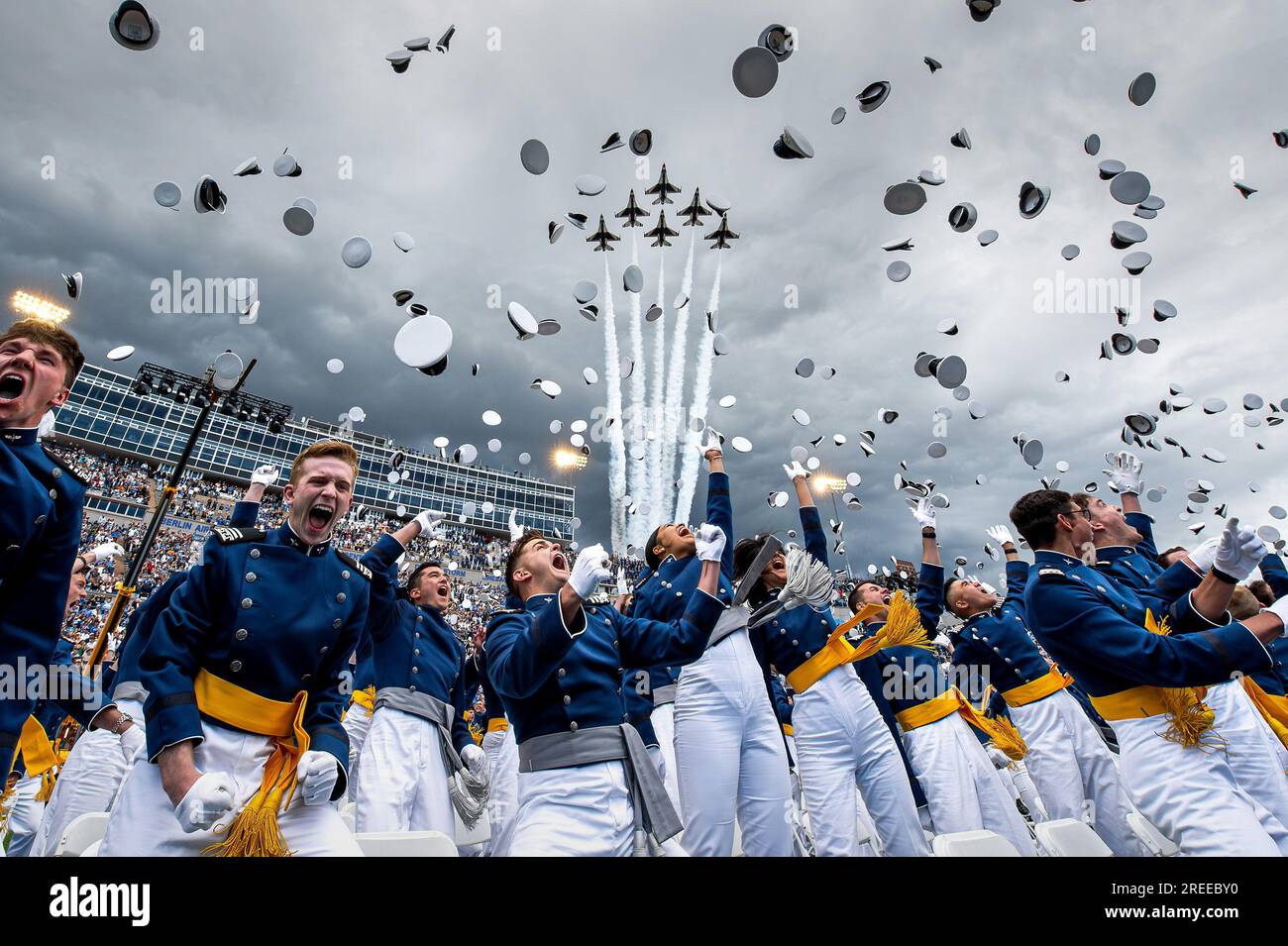
Each year, the musical mission culminates in the USAFA Graduation ceremony. As the Thunderbirds fly over the Falcon Stadium, the band provides the soundtrack to one of the most significant moments in a young officer's life. The inclusion of modern elements in these ceremonies—including contemporary fanfares and popular music during the celebratory periods—reflects a military that honors tradition while embracing the future.
Common Challenges and Troubleshooting the Mission
Even with world-class talent, the musical mission faces obstacles. Operating a touring band within a military framework requires balancing artistic needs with strict regulations.
- Acoustic Variability: Performing in gymnasiums or outdoor airfields often creates sound challenges. The band’s audio engineers use sophisticated software to tune the room and ensure the "Bruno Mars" sound remains crisp and professional.
- Scheduling and Readiness: Band members are Airmen first. They must maintain physical fitness standards and complete mandatory military training alongside their rehearsal schedules.
- Public Perception: Occasionally, critics question the expenditure on military bands. The Academy addresses this by providing data on recruitment ROI (Return on Investment) and the documented positive impact on community relations and veteran morale.
The Future of the Musical Mission in 2026 and Beyond
As we move through 2026, the United States Air Force Academy Band continues to adapt. The mission is increasingly digital. Beyond live performances, the band produces high-definition music videos and social media content that features their pop repertoire. This allows the "musical mission" to reach millions of viewers who may never attend a live concert in Colorado.
The integration of Space Force themes into the musical mission is also a major development. As the Academy trains officers for both branches, the music is evolving to reflect the "high ground" of space, using futuristic synth sounds and modern production techniques that align with the aesthetic of the Space Force.
Frequently Asked Questions
Does Bruno Mars actually perform with the Air Force Academy Band?
No, Bruno Mars is not a member of the Air Force. The "musical mission" involves the professional Airmen musicians of the USAFA Band performing his music as part of their contemporary outreach repertoire. While the performances are high-quality and sound remarkably like the original artist, they are executed by active-duty military musicians.
Why does the Air Force Academy spend money on a band?
The band is a strategic communication tool. It performs a "musical mission" that supports recruitment, international diplomacy, and community relations. For many Americans, the band is their only personal interaction with the Air Force. The cost is justified through its effectiveness in building public trust and inspiring the next generation of Airmen.
Can I hire the USAFA Band for a private event?
The USAFA Band’s performances must serve a public or military purpose according to Department of Defense regulations. They generally do not perform for private parties or partisan political events. However, community leaders can request a performance for public festivals, patriotic ceremonies, or educational clinics through the official USAFA Band website.
Are the musicians in the band real soldiers?
Yes, they are active-duty Airmen. They wear the same uniform as any other member of the Air Force, receive the same pay and benefits based on their rank, and must meet the same physical and military standards. Their primary "Air Force Specialty Code" (AFSC) is focused on music, but they are fully integrated members of the military.
Where can I see a performance of the musical mission in Colorado Springs?
The band frequently performs at local venues such as the Pikes Peak Center, the Ent Center for the Arts, and on the Academy grounds themselves. They also participate in the annual Colorado Springs Veterans Day Parade and perform free holiday concerts in December.
Final Recommendation for Residents and Recruits
To fully experience the impact of the Air Force Academy's musical mission, it is highly recommended to attend a live performance by Blue Steel. For students interested in the Academy, these concerts provide a unique opportunity to speak with Airmen in an informal setting. For the general public, it is a chance to see the technical excellence of the Air Force on full display through the lens of modern pop culture. Check the official 2026 USAFA Band tour schedule online to find a performance near you and witness how a "musical mission" can bridge the gap between military service and modern artistry.