When your air conditioner fan is blowing air, but that air is stubbornly warm or room-temperature, you are dealing with one of the most frustrating home comfort failures. This common HVAC issue typically means your system's blower is successfully circulating air through your home's ductwork, but the thermodynamic cycle responsible for extracting heat and humidity from that air has stalled.
Understanding why this happens requires looking at both the indoor and outdoor components of your cooling system. Resolving the problem can range from a simple homeowner fix—such as replacing a clogged air filter or resetting a tripped circuit breaker—to calling in a licensed professional to handle a refrigerant leak or a failed compressor.
The Mechanics of Cooling: Why Air Blows Without Coldness
To understand why your air conditioner fan is blowing but not cooling, you first need to understand how a split-system air conditioner operates. Your HVAC system is not a machine that "creates" cold air; rather, it is a heat-pumping mechanism that removes heat from your indoor air and transfers it outdoors.
The system relies on two main units working in tandem:
- The Indoor Unit (Evaporator Coil and Blower Fan): The blower fan pulls warm air from your living spaces and forces it across the indoor evaporator coil. Liquid refrigerant inside this coil absorbs the heat from the air, turning the refrigerant into a gas. The now-cooled air is then blown back through your ducts into your home.
- The Outdoor Unit (Condenser and Compressor): The compressor pressurizes the warmed refrigerant gas, turning it back into a high-pressure liquid and releasing the absorbed heat outside via the condenser coil and fan.
If the fan inside your home is blowing, it means the low-voltage electrical signal from your thermostat is successfully telling the blower motor to run. However, if the air coming out of your vents is warm, it indicates that heat transfer is failing somewhere along this closed-loop cycle.
Preliminary Safety Precautions Before You Begin
Before troubleshooting your air conditioner, prioritize safety. HVAC systems carry high-voltage electricity and operate under significant pressure.
- Turn Off the System: Set your thermostat to the "Off" position or switch the system to "Fan Only" if you are testing airflow, but switch it completely off when inspecting equipment.
- Locate the Breakers: Know where your indoor air handler breaker and your outdoor condenser unit breaker are located in your main electrical panel.
- Respect Refrigerant Regulations: Under United States Environmental Protection Agency (EPA) Section 608 regulations, venting refrigerants like R-410A or R-22 into the atmosphere is illegal. Any work involving refrigerant lines, leak detection, or recharging must be performed by an EPA-certified technician.
Common Causes of an AC Blowing Warm Air
1. Restricted Airflow Caused by Dirty Filters
The most common and easily correctable cause of an air conditioner blowing warm air is a severely restricted air filter.
When your air filter becomes choked with dust, pet dander, and debris, airflow across the evaporator coil drops precipitously. Because the coil is not receiving enough warm air to absorb heat, the temperature of the coil drops below freezing. Moisture condensing on the coil turns into ice, eventually coating the entire assembly in a solid block of frost or ice.
Once iced over, the coil can no longer absorb heat from your home. Even though the fan is blowing, it is simply pushing air past a block of ice. If you place your hand near the supply vents, you will feel weak, lukewarm air.
- How to Check: Turn off your AC system at the thermostat. Locate your filter (usually in a return air duct grille, a slot in the air handler, or near the furnace base). Inspect it visually. If you cannot see light through the material, it is overdue for replacement.
- The Remedy: Replace the disposable filter with a clean one of the correct dimensions. If ice has formed on the indoor coil, switch your thermostat system setting to "Off" and your fan setting to "ON." This forces room-temperature air across the coil to melt the ice safely. Do not attempt to chip away ice with sharp tools, as you can easily puncture the delicate aluminum fins or refrigerant tubing.
2. Thermostat Settings and Miscommunications
Sometimes the issue is not mechanical at all, but rather a matter of incorrect settings or communication failures between your thermostat and your HVAC equipment.
- Fan Setting Error: Check your thermostat fan switch. If it is set to "ON" rather than "AUTO," the blower fan will run continuously, even when the air conditioner is not actively cooling the house. In this mode, the fan will blow room-temperature air between cooling cycles, which homeowners often misinterpret as a system malfunction.
- Incorrect Mode or Dead Batteries: Ensure your system is set to "Cool" and that the target temperature is set significantly lower than the current room temperature. If your thermostat has a low battery indicator, replace the batteries, as failing power can disrupt relay signals to the outdoor unit.
3. Outdoor Unit Power Loss or Dirty Condenser Coils
While your indoor blower fan may be happily spinning away, your outdoor condenser unit might be completely dormant. If the outdoor unit has no power or cannot expel heat, your indoor air will remain warm.
- Tripped Breakers or Fuses: Outdoor units draw a massive amount of electrical current, especially during startup. A power surge, a storm, or a failing compressor can cause the outdoor breaker to trip or blow a disconnect fuse. Check your home's main electrical panel and the physical outdoor disconnect box located on the exterior wall near your compressor.
- Dirty Condenser Coils: The outdoor unit relies on ambient air passing across its metal fins to release the heat pulled from your home. If these coils are caked in cottonwood seeds, dirt, grass clippings, or dog hair, heat cannot escape. The system will overheat, causing internal safety switches (such as the high-pressure limit switch) to shut down the compressor while leaving the indoor fan running.
- The Remedy: Clear away any bushes, tall grass, or debris within a two-foot radius of your outdoor unit. If the coils are dirty, turn off the power to the unit and gently wash the exterior fins using a garden hose with a spray nozzle. Never use a high-pressure pressure washer, as the intense stream will bend and ruin the delicate aluminum fins.
4. Refrigerant Leaks and Low Charge
Refrigerant is the lifeblood of your air conditioner. Unlike fuel in a car, an air conditioner is a sealed system, meaning it should never consume or lose refrigerant over its lifespan.
If you have a pinhole leak in your copper tubing, a cracked brazed joint, or a faulty service valve, refrigerant will slowly escape. As the refrigerant level drops, the pressure inside the system falls. This causes the evaporator coil to run extremely cold, leading to ice buildup, and ultimately eliminates the system's ability to absorb heat from your home.
- Warning Signs: Hissing or bubbling noises near the refrigerant lines, ice forming on the indoor coil or the large suction line outdoors, and steadily rising indoor temperatures despite the system running constantly.
- The Remedy: This requires a professional HVAC technician. A technician must perform a pressure test or use an electronic leak detector to find the breach, repair the copper tubing, pull a vacuum on the system to remove moisture, and recharge the system to the manufacturer's exact weight specification.
5. Failed Compressor or Electrical Capacitors
The compressor is the heart of your air conditioning system. Located inside the outdoor unit, it pumps refrigerant between the indoor and outdoor coils. If the compressor fails to start, no cooling cycle can take place.
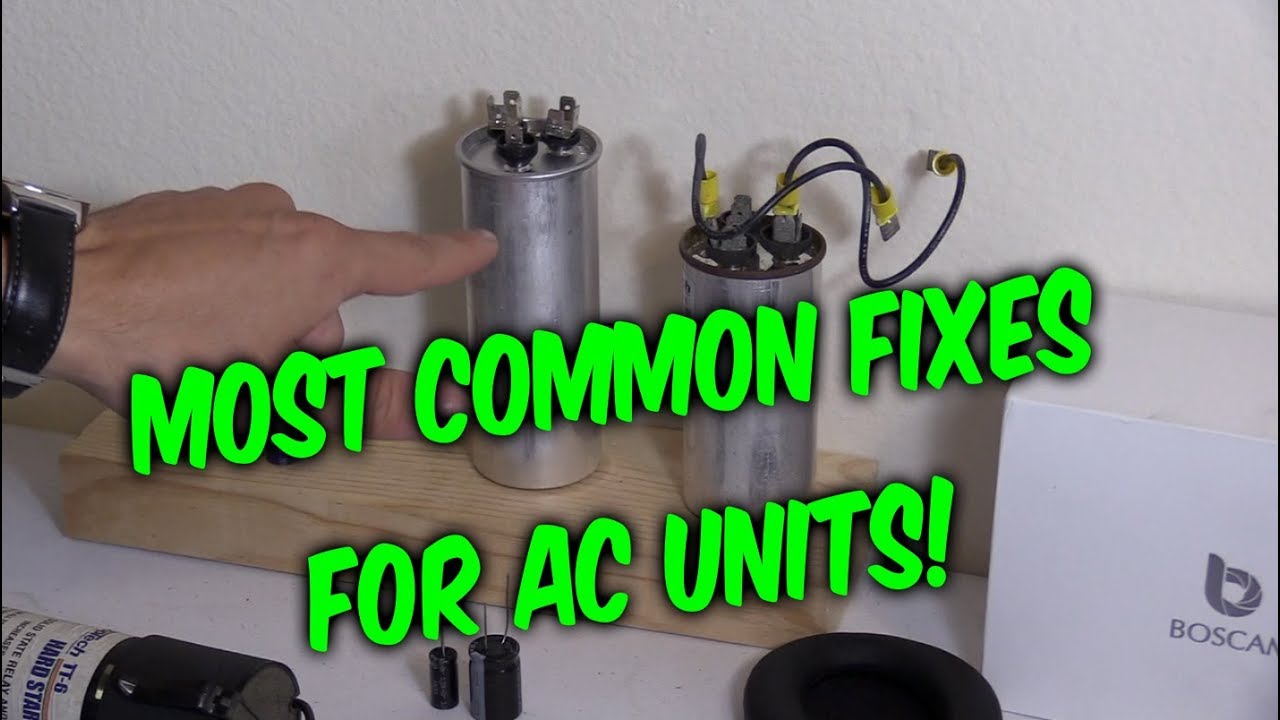
Often, the culprit behind a silent outdoor unit is a failed run capacitor or start capacitor. Capacitors are cylindrical electrical components that store and release electrical energy to give motors the jolt they need to start and run. When a capacitor fails due to age or extreme summer heat, you may hear a clicking sound or a low hum from the outdoor unit as the compressor tries to start, but the fan motor or compressor fails to engage.
- The Remedy: Diagnosing and replacing capacitors or compressors involves dealing with high-voltage electricity capable of holding a lethal charge even after power is disconnected. This is strictly a task for a licensed HVAC professional equipped with a multimeter and safety gear.
Troubleshooting Checklist for Homeowners
To help you systematically diagnose why your air conditioner fan is blowing but not cooling, review the step-by-step diagnostic matrix below.
| Step | Component to Check | What to Look For | Safe Action |
|---|---|---|---|
| 1 | Thermostat | Set to "ON" instead of "AUTO"; incorrect temperature setting. | Switch fan setting to "AUTO" and lower the target temperature below room temp. |
| 2 | Air Filter | Caked with dust, grey, blocking airflow completely. | Remove and replace with a clean filter immediately. |
| 3 | Indoor Evaporator Coil | Frost or solid ice coating the metal coils or copper lines. | Turn AC to "Off", leave fan on "ON" until ice melts completely. |
| 4 | Outdoor Unit Power | Tripped breaker in electrical panel or outdoor disconnect box. | Reset tripped breaker once. If it trips again immediately, call a pro. |
| 5 | Outdoor Condenser Coils | Covered in grass clippings, dirt, leaves, or cottonwood fuzz. | Turn off power and rinse gently with a standard garden hose. |
| 6 | Outdoor Unit Fan/Compressor | Unit is completely silent, humming, or only the top fan is running. | Turn off system and call an HVAC technician for electrical/refrigerant diagnostics. |
Frequently Asked Questions
Why is my AC fan running, but the outdoor unit is completely silent?
When the indoor fan runs while the outdoor unit is dead silent, it usually points to an electrical issue. The thermostat is sending a signal to the indoor air handler, but power is failing to reach the outdoor unit. This could be caused by a tripped outdoor circuit breaker, a blown fuse in the exterior disconnect box, a severed low-voltage control wire running from your home to the unit, or a failed outdoor capacitor.
Can a dirty air filter really cause my AC to stop cooling?
Yes. A clogged air filter restricts airflow to the point that the indoor evaporator coil becomes too cold and freezes solid into a block of ice. Once iced over, the coil cannot absorb heat from your home. Even though your blower fan is pushing air through the ducts, that air simply passes over the ice without being cooled, resulting in weak, room-temperature airflow from your vents.
How long does it take for an iced-up air conditioner to thaw?
It typically takes anywhere from 1 to 24 hours for a heavily iced evaporator coil to thaw completely, depending on the thickness of the ice, the ambient indoor temperature, and whether you accelerate the process. You can speed up thawing by turning your thermostat system switch to "Off" while leaving the fan switch set to "ON," which pulls warm indoor air across the frozen coil.
Is it safe to keep running my AC if it is blowing warm air?
It is not recommended. If your AC is blowing warm air because of a restricted filter, restricted airflow is placing undue strain on your blower motor. If the issue is a failing compressor or low refrigerant, running the system can cause the compressor to overheat and burn out permanently. Turning the system off until the issue is identified and resolved prevents minor repairs from escalating into a total system replacement.
How often should I replace my HVAC air filter?
Standard 1-inch fiberglass or pleated filters should generally be inspected monthly and replaced every 30 to 90 days. If you have pets, live in an area with high dust or pollen counts, or run your system almost continuously during peak summer or winter months, you may need to replace your filter every 30 days to maintain optimal airflow.
Next Actions and Professional Guidance
If you have replaced a dirty air filter, verified your thermostat settings, cleared debris from your outdoor unit, and reset any tripped breakers, but your air conditioner still refuses to blow cold air, it is time to call a qualified, licensed HVAC technician.
When you contact a professional, clearly describe the symptoms: note that the indoor fan is blowing, but the air remains warm, and mention any steps you have already taken. This transparency helps the technician prepare the right diagnostic tools—such as manifold gauges for checking refrigerant pressures and multimeters for testing electrical components—ensuring your home returns to comfortable temperatures as quickly and safely as possible.