AIG (American International Group) life insurance policies, now primarily managed under Corebridge Financial following the company’s strategic separation, provide various protection products including term, universal, and variable life insurance. To understand an AIG life insurance example, one must evaluate how specific death benefits, premium structures, and cash-value accumulation mechanisms interact based on the policyholder’s age, health profile, and financial objectives.
The Landscape of AIG Life Insurance Offerings
AIG’s legacy in the life insurance sector has transitioned into a specialized focus under the Corebridge Financial brand. When evaluating an "AIG life insurance example," it is important to distinguish between the types of coverage historically associated with the brand and the current products available to consumers in 2026.
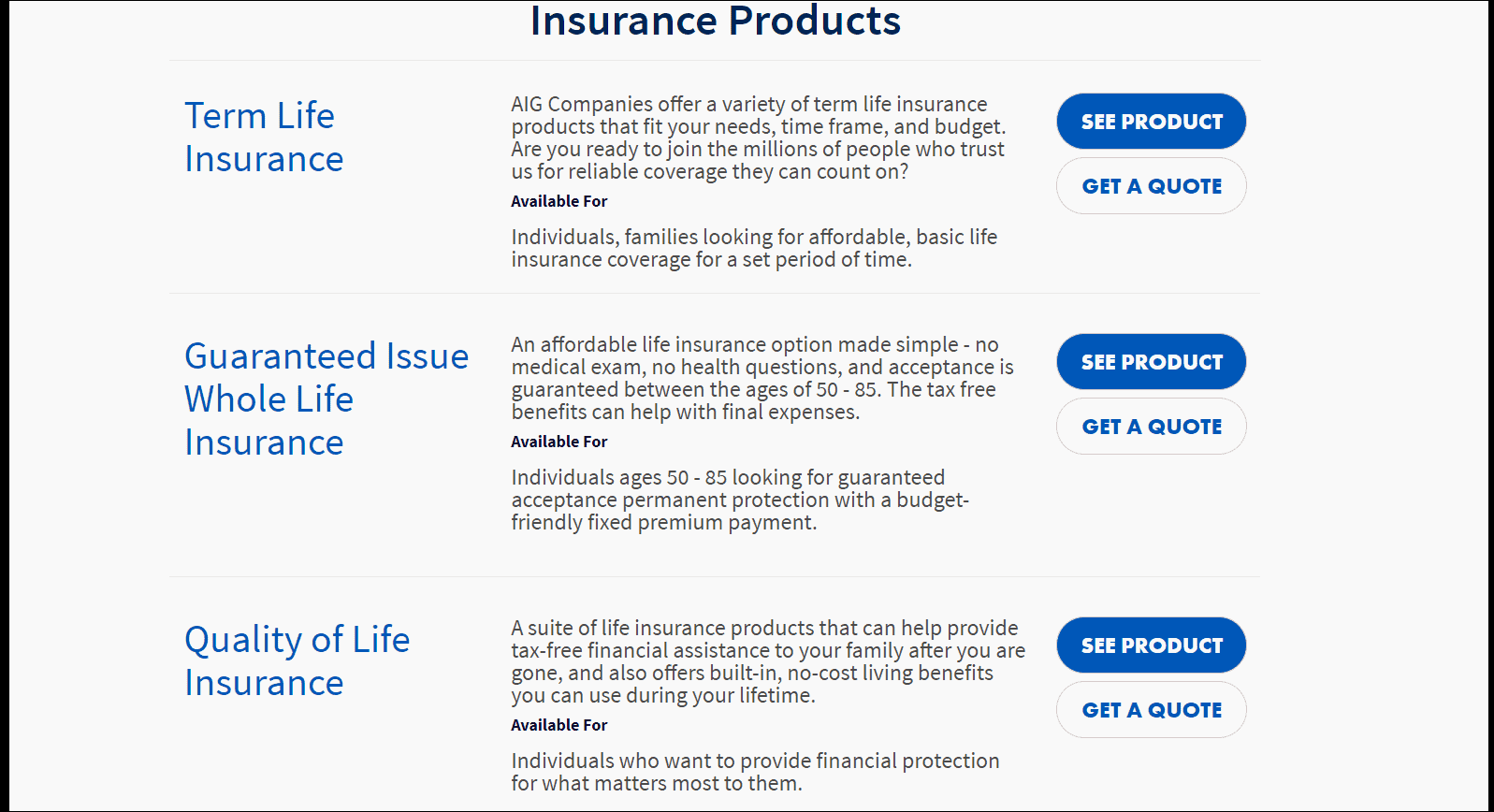
Life insurance is not a one-size-fits-all financial product. Instead, it functions as a contract between an individual and the insurer, where premiums are paid in exchange for a death benefit paid to designated beneficiaries. In the context of AIG-affiliated products, these generally fall into three categories: Term Life, Universal Life, and Variable Universal Life. Each serves a different purpose, ranging from simple income replacement to complex wealth transfer and tax-advantaged savings strategies.
Analyzing the Term Life Insurance Example
Term life insurance is the most straightforward example of an AIG-branded policy. It provides coverage for a specific period—typically 10, 15, 20, or 30 years.
Example Scenario: Consider a 35-year-old individual in excellent health who purchases a 20-year term policy with a $500,000 death benefit.
- Premiums: The policyholder pays a fixed monthly premium that remains constant for the entire 20-year duration.
- The Benefit: If the policyholder passes away within those 20 years, the beneficiary receives the $500,000 tax-free.
- The Outcome: If the policyholder outlives the 20-year term, the coverage terminates. No money is returned unless the policy included a specific "return of premium" rider, which is a common optional feature in such examples.
This structure is favored by young families or individuals looking to cover specific debts, such as a 20-year mortgage, because it offers the highest death benefit for the lowest initial cost.
Understanding Universal and Variable Life Examples
Unlike term policies, universal and variable life insurance are categorized as permanent insurance. These policies provide lifelong coverage, provided the premiums are paid and the policy remains in good standing.
Universal Life (UL) Mechanics: A UL policy includes a cash-value component. A portion of the premium is allocated to a savings element that grows at a rate determined by the insurer. In 2026, many policyholders look for flexibility in these plans; UL policies allow the owner to adjust their premium payments and death benefit amount as their financial situation evolves.
Variable Universal Life (VUL) Mechanics: VUL is a more sophisticated example of life insurance. It allows the policyholder to invest the cash value of the policy into various sub-accounts, similar to mutual funds. The cash value—and sometimes the death benefit—can fluctuate based on the performance of these investments. This carries higher risk but provides potential for greater growth compared to traditional whole life or fixed universal life products.
Factors Influencing Your Policy Example
When you view a quote or a sample illustration from an insurer like Corebridge (formerly AIG Life & Retirement), the numbers are derived from a complex actuarial process. Several factors dictate why your "example" might differ from another person’s:
- Underwriting Class: This is the most significant variable. Insurers categorize applicants into "preferred plus," "preferred," "standard," or "substandard" health classes based on medical exams, family history, and lifestyle choices like tobacco use.
- Age and Gender: Life expectancy data dictates that younger applicants and women (who statistically live longer) generally receive lower premium rates for identical benefit amounts.
- Policy Riders: Riders are optional add-ons that change the policy’s performance. Common riders include "Accelerated Death Benefit" (which allows access to funds if diagnosed with a terminal illness) or "Waiver of Premium" (which pauses payments if the policyholder becomes disabled).
- Face Amount: The total death benefit requested is the primary driver of cost. A $1 million policy will naturally result in a higher premium example than a $250,000 policy.
Comparative Analysis of Policy Types
| Feature | Term Life | Universal Life | Variable Universal Life |
|---|---|---|---|
| Duration | Fixed Term | Lifetime | Lifetime |
| Cash Value | None | Fixed Interest | Market-linked Investments |
| Premium Cost | Lowest | Moderate | Higher (Variable) |
| Flexibility | None | High | High |
| Primary Goal | Income Protection | Long-term Security | Growth & Protection |
Prerequisites and Application Requirements
Applying for a life insurance policy in 2026 involves a structured verification process. Before receiving an official illustration or example policy, applicants must generally satisfy the following:
- Financial Need Documentation: Insurers often require proof of income to ensure the death benefit requested is commensurate with the applicant’s economic loss, generally capped at a multiple of annual earnings.
- Medical Evaluation: While some policies offer "simplified issue" or "no-exam" options, comprehensive policies often require a paramedical exam. This includes blood pressure checks, blood tests, and medical history reviews.
- Identity Verification: Government-issued identification and Social Security numbers are required to comply with the USA PATRIOT Act and other anti-money laundering regulations.
Potential Limitations and Risks
When examining an AIG life insurance example, it is vital to acknowledge the limitations inherent in these products.
- Lapse Risk: If a policyholder stops paying premiums on a permanent policy, the policy may lapse. If the cash value is insufficient to cover the costs of insurance, the policy could be canceled, resulting in the loss of both coverage and the accumulated cash value.
- Market Risk: For variable policies, if the underlying sub-accounts perform poorly, the cash value may decrease, and the policyholder might be required to pay higher premiums to maintain the death benefit.
- Tax Implications: While death benefits are generally received income-tax-free, withdrawals or loans taken against the cash value during the policyholder's life may be taxable if they exceed the "cost basis" (the total premiums paid).
Frequently Asked Questions
1. Is AIG still selling life insurance in 2026? Yes, but the business operates under the brand Corebridge Financial. The transition from AIG Life & Retirement to Corebridge ensures the continuity of policies previously issued by AIG while offering new products under the updated corporate identity.
2. Can I change my beneficiary on an existing policy? Yes. You can typically update your beneficiary designation at any time by contacting the insurer’s policyholder service department or logging into your online account portal. Always ensure your beneficiary information remains current following life events like marriage, divorce, or the birth of a child.
3. What is the difference between a death benefit and cash value? The death benefit is the amount paid to your beneficiaries upon your passing. The cash value is a component of permanent life insurance policies that grows over time and can potentially be accessed by the policyholder via loans or withdrawals while they are still alive.
4. How does the "Accelerated Death Benefit" work? This is a rider that allows a policyholder to receive a portion of their death benefit early if they are diagnosed with a qualifying terminal or chronic illness. It acts as a financial support mechanism to cover medical expenses or end-of-life care.
5. Are life insurance premiums tax-deductible? In the United States, individual life insurance premiums are generally not tax-deductible. However, the death benefit is typically excluded from the beneficiary's gross income for federal income tax purposes. Consult with a qualified tax advisor regarding your specific financial situation.
Practical Next Steps
If you are analyzing a life insurance example for your financial planning, the following steps are recommended:
- Define Your Objective: Determine if you need temporary coverage (term) for a specific period or permanent coverage (universal) for estate planning or long-term growth.
- Request an Illustration: Contact a licensed financial advisor or a representative from Corebridge Financial to run a "current assumption" illustration. This document provides a year-by-year breakdown of your expected premiums, death benefit, and projected cash value growth.
- Review the Fine Print: Pay close attention to the "Surrender Charges" section of any permanent policy. These charges can be significant if you cancel your policy within the first 10 to 15 years.
- Consult a Professional: Always review these documents with a certified financial planner or a tax professional to ensure the policy aligns with your broader financial strategy and legal estate needs.
Disclaimer: This information is provided for educational purposes only and does not constitute financial, legal, or tax advice. Life insurance policies contain exclusions, limitations, reductions of benefits, and terms for keeping them in force. Please refer to your specific policy contract or contact the insurer directly for details applicable to your situation.