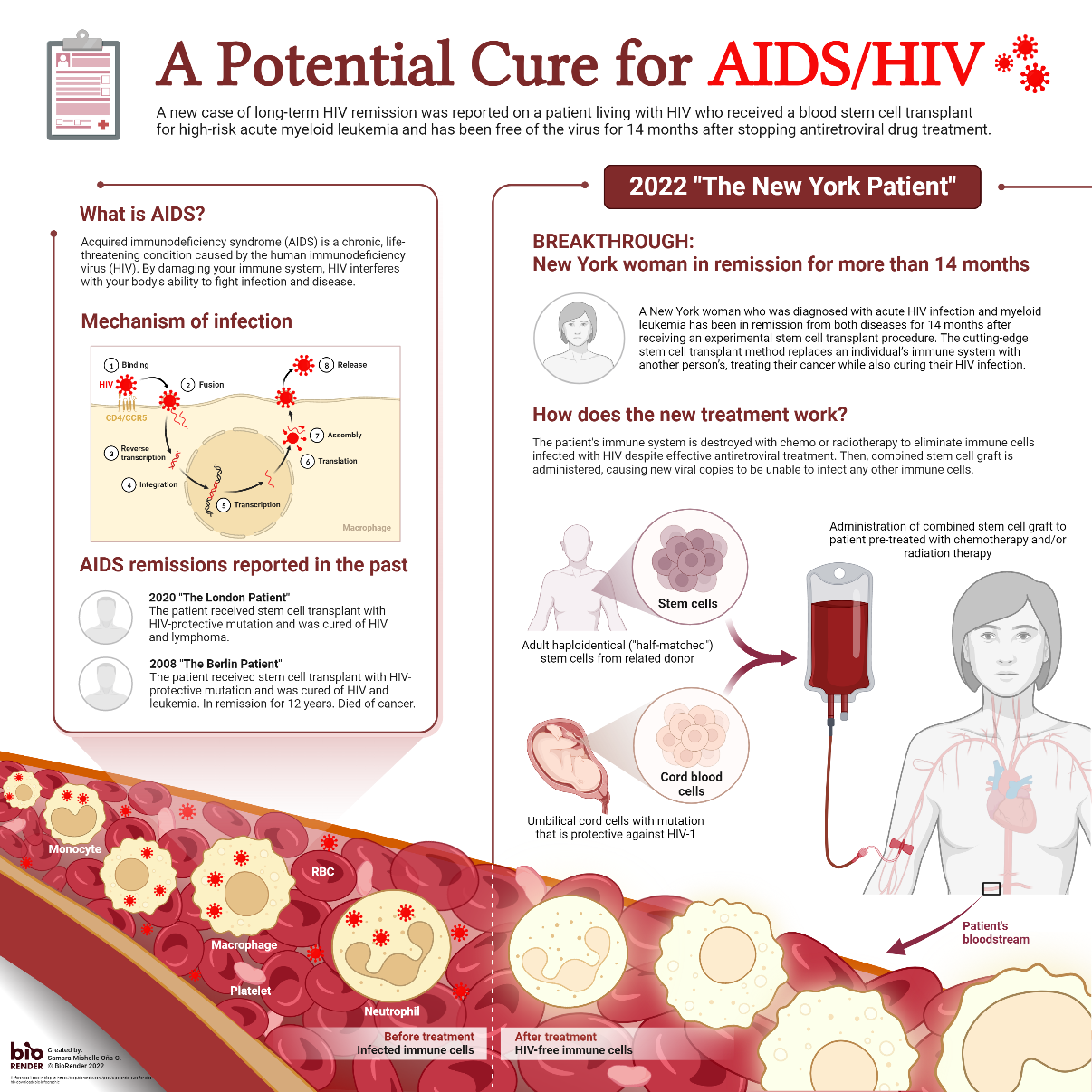
AIDS is treatable through Antiretroviral Therapy (ART), which prevents the virus from replicating and allows the immune system to recover. With consistent treatment, individuals diagnosed with AIDS can reduce their viral load to undetectable levels, regain significant immune function, and live a near-normal life expectancy while preventing transmission to others.
The evolution of medical science has transformed Acquired Immunodeficiency Syndrome (AIDS) from a terminal diagnosis into a manageable chronic condition. While the underlying Human Immunodeficiency Virus (HIV) remains in the body, the progression to AIDS—the most advanced stage of infection—is no longer an inevitable or permanent state. Today, in 2026, the focus of clinical care has shifted from simple survival to long-term wellness, aging gracefully with the virus, and eliminating the risk of transmission through effective viral suppression.
The Distinction Between HIV and AIDS
To understand why AIDS is treatable, one must first understand the relationship between HIV and AIDS. HIV is the virus that attacks the body’s immune system, specifically the CD4 cells (T cells), which help the immune system fight off infections. If left untreated, HIV reduces the number of CD4 cells in the body, making the person more likely to get other infections or infection-related cancers.
AIDS is the medical term for the most advanced stage of HIV infection. A person is diagnosed with AIDS when their CD4 cell count falls below 200 cells/mm3 or when they develop specific opportunistic infections. However, the "AIDS" label is a clinical marker of past or current immune damage. Because the immune system can be rebuilt through medication, many people who receive an AIDS diagnosis can see their CD4 counts rise back into the "healthy" range (500–1,500 cells/mm3), effectively moving back into the stage of "asymptomatic HIV."
The treatability of AIDS relies on the fact that the damage caused by the virus is often reversible or at least arrestable. The goal of modern medicine is to stop the virus from replicating, which gives the body the space it needs to repair its natural defenses.
How Antiretroviral Therapy (ART) Works
The cornerstone of treating AIDS is Antiretroviral Therapy (ART). ART is not a single medicine but a combination of drugs that attack the virus at different stages of its life cycle. By using multiple "classes" of drugs, doctors can prevent the virus from making copies of itself and significantly reduce the risk of the virus developing drug resistance.
The Mechanism of Viral Suppression
HIV replicates by hijacking a host’s CD4 cells and using their internal machinery to create new viral particles. ART interferes with this process through several mechanisms:
- Entry Inhibitors: These prevent the virus from entering the CD4 cell in the first place.
- Reverse Transcriptase Inhibitors (NRTIs and NNRTIs): These stop the virus from converting its RNA into DNA, a necessary step for it to integrate into the host cell's genome.
- Integrase Inhibitors (INSTIs): These block the enzyme (integrase) that the virus uses to insert its genetic material into the DNA of the host cell.
- Protease Inhibitors (PIs): These prevent the "cleaving" of long protein chains into the smaller pieces needed to assemble a functional new virus.
In 2026, the standard of care often involves "Single-Tablet Regimens" (STRs), where three or more different medications are combined into one daily pill. This has drastically improved adherence, which is the most critical factor in successful treatment. When a patient takes their medication consistently, the amount of virus in the blood drops so low that standard lab tests cannot detect it. This is known as being undetectable.
The Significance of Undetectable = Untransmittable (U=U)
One of the most profound breakthroughs in the treatability of AIDS is the validation of the U=U principle. Extensive clinical studies have confirmed that a person living with HIV who has an undetectable viral load through consistent ART cannot transmit the virus to their sexual partners.
This discovery has revolutionized the psychological and social aspects of living with the condition. It removes the fear of transmission and reduces the stigma that has historically been associated with an AIDS diagnosis. For individuals currently in treatment, U=U serves as a powerful incentive to maintain 100% adherence to their medication schedule. It confirms that the treatment is not just saving their own life but is also a powerful tool for public health.
Beyond Daily Pills: Long-Acting Treatments
As of 2026, the landscape of AIDS treatment has expanded beyond daily oral medication. For many patients, "pill fatigue"—the psychological burden of taking a pill every day—can hinder adherence. Long-acting injectable treatments have emerged as a highly effective alternative.
These injectables, typically administered by a healthcare provider every one to two months, provide a steady release of medication into the bloodstream. This ensures that the virus remains suppressed without the need for daily intervention. This shift is particularly beneficial for individuals who may face challenges with privacy, housing stability, or busy schedules that make daily dosing difficult.
The availability of long-acting options reinforces the fact that AIDS is treatable across a variety of lifestyles and personal circumstances. It allows patients to live their lives without a daily reminder of their diagnosis, further integrating HIV care into the routine of standard healthcare.
Comparing Classes of Antiretroviral Medications
The following table summarizes the primary classes of medications used in modern AIDS treatment as of 2026.
| Medication Class | Function | Common Examples (Generic) | Primary Benefit |
|---|---|---|---|
| Integrase Inhibitors (INSTIs) | Blocks viral DNA integration. | Dolutegravir, Bictegravir, Cabotegravir | High potency, low side effects; often the first-line choice. |
| Nucleoside Reverse Transcriptase Inhibitors (NRTIs) | Blocks the "building blocks" of viral DNA. | Emtricitabine, Tenofovir, Abacavir | The "backbone" of most combination therapies. |
| Non-Nucleoside Reverse Transcriptase Inhibitors (NNRTIs) | Binds to and disables the reverse transcriptase enzyme. | Doravirine, Rilpivirine | Effective alternative for those who cannot tolerate INSTIs. |
| Protease Inhibitors (PIs) | Prevents the assembly of mature, infectious virus. | Darunavir, Atazanavir | High "barrier to resistance," useful in complex cases. |
| Entry/Attachment Inhibitors | Prevents the virus from attaching to or entering cells. | Maraviroc, Fostemsavir, Ibalizumab | Used primarily for multi-drug resistant (MDR) HIV. |
Managing Opportunistic Infections and Immune Recovery
Treatment for AIDS involves more than just suppressing HIV; it also involves managing the complications that arise from a weakened immune system. When a person is first diagnosed with AIDS, they may already be suffering from opportunistic infections (OIs) such as PJP (a type of pneumonia), toxoplasmosis, or certain fungal infections.
In these cases, "treatment" is a two-pronged approach. First, doctors use specific antibiotics, antivirals, or antifungals to treat the active OI. Second, they initiate ART to begin the process of immune restoration. In many cases, once the CD4 count rises above a certain threshold (usually 200), the patient can stop taking the prophylactic (preventative) medications for OIs because their immune system is once again strong enough to handle common environmental pathogens.
It is important to note that the timeline for immune recovery varies. Some individuals see a rapid "rebound" in CD4 counts, while others may experience a more gradual increase. However, as long as the viral load remains undetectable, the body is generally in a state of healing rather than decline.
Aging and Long-Term Wellness with HIV
Because AIDS is now treatable and people are living decades longer than they were in the 1990s, the medical community has turned its attention to the challenges of aging with the virus. People living with HIV may face a slightly higher risk of age-related conditions, such as cardiovascular disease, bone density loss, and kidney issues, often at an earlier age than the general population.
This is why modern AIDS treatment involves a holistic approach. It includes:
- Cardiovascular Monitoring: Regular checks of cholesterol and blood pressure, as chronic inflammation from the virus (even when suppressed) can affect heart health.
- Bone Health: Monitoring for osteoporosis, especially in post-menopausal women or those on certain older NRTI medications.
- Mental Health Support: Addressing the "long-term survivor" syndrome, depression, or anxiety that can accompany a chronic health diagnosis.
- Lifestyle Interventions: Smoking cessation, exercise, and nutrition are now considered essential components of an AIDS treatment plan.
Access to Treatment and Financial Support
A critical aspect of the claim that "AIDS is treatable" is the accessibility of that treatment. In the United States and many other parts of the world, there are robust systems designed to ensure that no one is denied HIV medication due to an inability to pay.
The Ryan White HIV/AIDS Program is a federal program in the U.S. that provides a comprehensive system of care, including primary medical care and essential support services, for people living with HIV who are uninsured or underinsured. Additionally, most private insurance plans, Medicaid, and Medicare cover ART as a standard benefit.
For those without insurance, pharmaceutical companies often offer Patient Assistance Programs (PAPs) that provide medications free of charge. In 2026, global initiatives like PEPFAR continue to provide treatment to millions of people in low- and middle-income countries, reinforcing the global consensus that AIDS is a treatable condition that no one should suffer from due to lack of resources.
Common Obstacles to Effective Treatment
While the medical tools to treat AIDS are highly effective, several factors can complicate the process. Understanding these obstacles is key to overcoming them.
Drug Resistance
If ART is taken inconsistently—missing doses or stopping and starting—the virus has the opportunity to mutate. These mutations can make the virus resistant to specific drugs or even entire classes of drugs. This is why adherence is the "golden rule" of HIV care. If resistance occurs, doctors must perform a genotype or phenotype test to determine which drugs will still work and then switch the patient to a "salvage regimen."
Side Effects
Modern HIV medications are much better tolerated than those used in the past. However, some people may still experience side effects such as nausea, fatigue, or sleep disturbances. In 2026, the wide variety of available drugs means that if one regimen causes side effects, a doctor can almost always find an alternative that is better suited to the patient’s body.
Stigma and Mental Health
The social stigma surrounding AIDS remains a significant barrier to treatment. Fear of being "found out" can lead individuals to avoid seeking care or to hide their medication, leading to poor adherence. Treating AIDS requires addressing the whole person, including their social support systems and psychological well-being.
Frequently Asked Questions
Can AIDS be cured in 2026?
While AIDS is highly treatable, a widely available clinical cure (where the virus is completely eradicated from the body) does not yet exist for the general population. There have been rare cases of individuals being cured through specialized stem cell transplants for cancer, but this is not a standard treatment. Researchers are currently focusing on "functional cures," where the virus is kept in check by the immune system without the need for daily medication.
Is an AIDS diagnosis still a death sentence?
No. With access to modern Antiretroviral Therapy, an AIDS diagnosis is no longer a death sentence. Most people who start and stay on treatment can live long, healthy lives. The mortality rate for HIV/AIDS has plummeted since the mid-1990s, and the focus of care has shifted to managing it as a chronic illness similar to diabetes or hypertension.
What are the first steps to take after an AIDS diagnosis?
The first step is to connect with an HIV specialist who can run baseline tests, including a viral load test, CD4 count, and a drug-resistance test. From there, the patient will typically start ART immediately. It is also important to seek out a case manager or a support group to help navigate the emotional and financial aspects of the diagnosis.
Does insurance cover the cost of AIDS treatment?
Yes, in the United States, the Affordable Care Act (ACA) ensures that HIV/AIDS is not considered a pre-existing condition that can bar you from coverage. Medicaid, Medicare, and private employer-sponsored plans all cover ART. For those without insurance, the Ryan White Program and various state-run AIDS Drug Assistance Programs (ADAPs) provide medications at little or no cost.
How long does it take for treatment to work?
Most people see a significant drop in their viral load within the first few weeks of starting ART. Reaching an "undetectable" status usually takes between one and six months of consistent medication. Immune system recovery (increase in CD4 count) can take longer, sometimes several months to years, depending on how low the count was at the start of treatment.
Practical Recommendations for Moving Forward
If you or someone you know has been diagnosed with AIDS, the most important action is to start treatment as soon as possible. The "test and treat" model is the gold standard of care in 2026, as early intervention prevents further damage to the immune system and reduces the risk of opportunistic infections.
- Find a Specialist: Use resources like the HIV.gov provider locator or local health departments to find a clinic that specializes in HIV care.
- Prioritize Adherence: Set alarms, use pill organizers, or discuss long-acting injectables with your doctor to ensure you never miss a dose.
- Monitor Your Health: Attend all follow-up appointments to track your viral load and CD4 count. These numbers are the best indicators of your treatment's success.
- Seek Support: Don't go through this alone. Reach out to local HIV service organizations (ASOs) for counseling, peer support, and assistance with navigating the healthcare system.
The medical reality of 2026 is clear: AIDS is a treatable condition. With the right care and consistent adherence to medication, the virus can be controlled, the immune system can be protected, and individuals can live full, productive, and healthy lives.