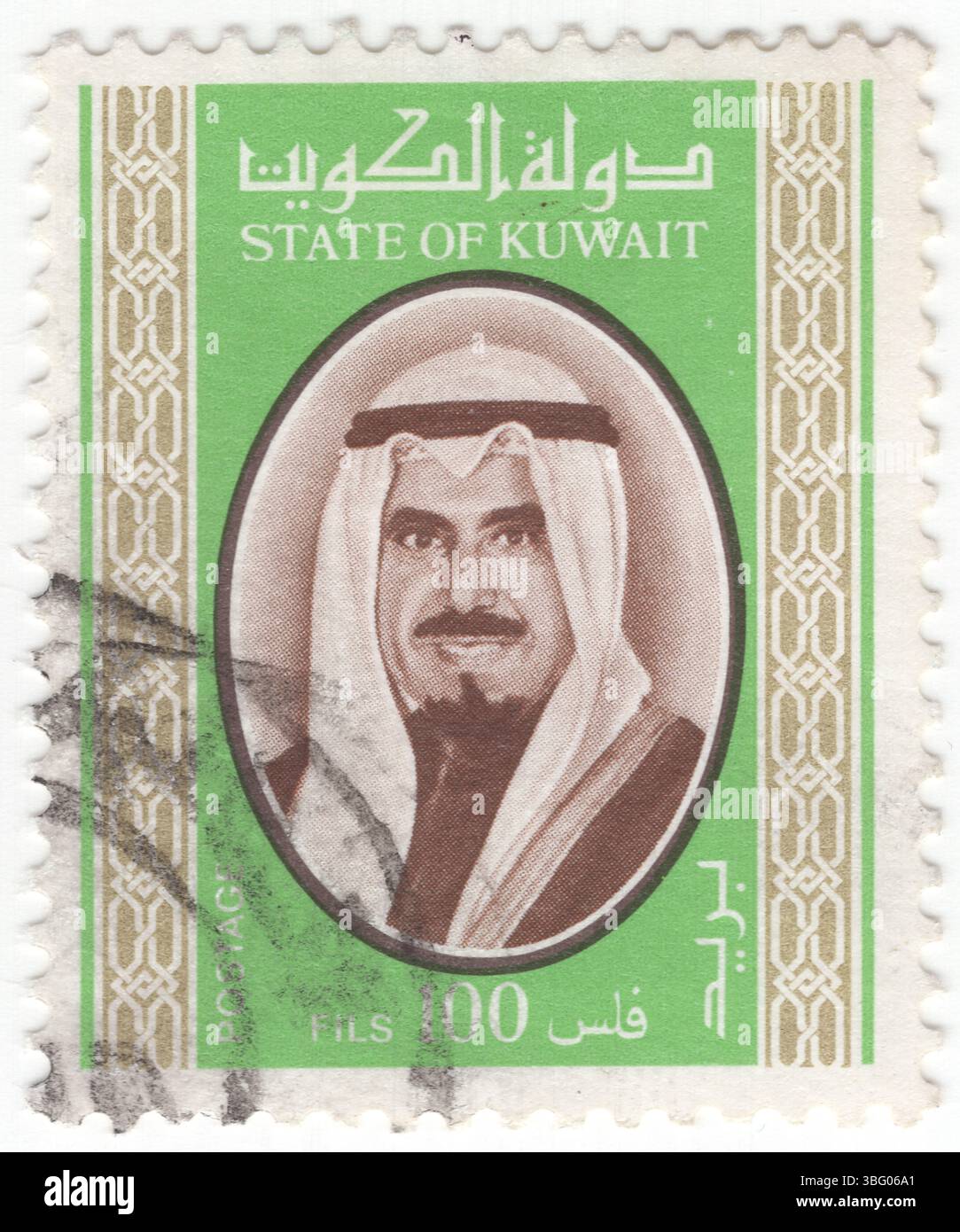
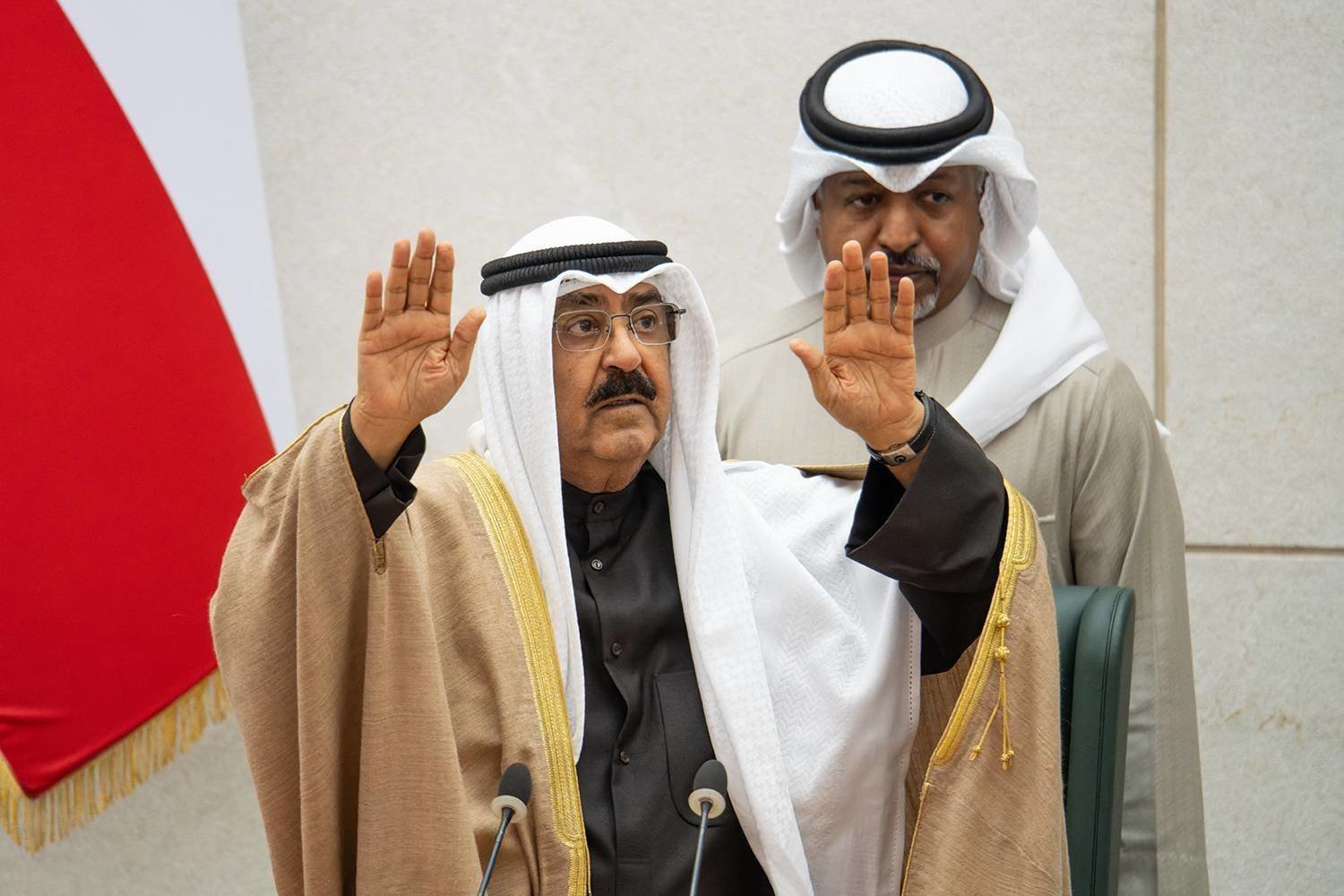
Ahmad Al Jaber Al Sabah, who reigned as the Emir of Kuwait from 1921 to 1950, served as the principal architect of the modern Kuwaiti state. His leadership bridged the transition from a traditional pearling and maritime economy to the dawn of the oil era, establishing the foundational diplomatic, legislative, and administrative frameworks that define the nation today.
The Formative Years and Accession to Power
Ahmad Al Jaber Al Sabah was born in 1885, a time when Kuwait was a nascent trading hub navigating the geopolitical tensions between the Ottoman Empire and the British Empire. As the nephew of Sheikh Salem Al-Mubarak Al-Sabah, he was groomed for leadership, gaining significant experience in regional diplomacy and defense.
Upon his accession in 1921 following the death of his uncle, Kuwait was in a precarious position. The economy was heavily reliant on the pearl industry, which was facing existential threats from the rise of the Japanese cultured pearl industry. Concurrently, the regional borders were being redrawn following the collapse of the Ottoman Empire. Ahmad’s early reign was defined by the 1922 Treaty of Uqair, a pivotal moment in which he negotiated with Sir Percy Cox of Britain to establish the borders between Kuwait, Saudi Arabia, and Iraq. This agreement provided the territorial integrity necessary for the state to begin institutionalizing its governance.
Governance and Administrative Reform
One of the defining aspects of Ahmad Al Jaber’s reign was the shift from a personal, tribal-based administration to a more formalized state structure. Realizing that the changing global landscape required specialized focus, he encouraged the establishment of the Majlis—a consultative council—in 1921. While the early councils faced internal power struggles between merchant classes and the ruling family, they introduced the concept of shared governance and institutional bureaucracy.
He recognized that the traditional reliance on custom duties and the pearl trade was insufficient for long-term stability. Under his mandate, Kuwait began the arduous process of standardizing legal codes, municipal administration, and security apparatuses. He was a proactive ruler, frequently traveling to meet regional leaders and British colonial administrators, ensuring that Kuwait’s autonomy was recognized and protected despite the colonial pressures of the era.
The Discovery of Oil: The Economic Pivot
The most consequential event for Kuwait’s trajectory occurred during the mid-1930s. Geologists had long suspected that the Arabian Peninsula held vast hydrocarbon reserves. Ahmad Al Jaber demonstrated remarkable foresight by granting a concession to the Kuwait Oil Company (KOC), a joint venture between the British Anglo-Persian Oil Company and the American Gulf Oil Corporation, in 1934.
The initial discovery of oil at Burgan in 1938 would change the course of Kuwait’s history, though the impact was temporarily delayed by the outbreak of World War II. During the war years, when oil exports were suspended, Ahmad Al Jaber maintained the state’s internal stability by managing food rations and ensuring that the population was protected from the worst of the regional economic fallout.
When exports officially resumed in 1946, the revenue shift was instantaneous and absolute. Ahmad Al Jaber oversaw the transition from a subsistence-level desert economy to one of the world's highest per-capita income nations. He directed this initial wealth toward critical infrastructure projects, including the construction of the first desalination plants, hospitals, and modern schools, which were essential to accommodate the sudden influx of expatriate labor and the modernization of society.
Institutional Evolution Under Ahmad Al Jaber
The evolution of Kuwait during this period can be categorized into four primary developmental pillars that remain the bedrock of the state.
| Pillar | Focus Area | Impact during Ahmad Al Jaber’s Era |
|---|---|---|
| Diplomacy | Territorial Sovereignty | Secured borders via the Uqair Protocol (1922) and protected Kuwaiti autonomy. |
| Economy | Transition to Hydrocarbons | Granted initial oil concessions (1934) and oversaw the start of commercial production (1946). |
| Education | Human Capital | Established early secular schools, moving away from traditional kuttab schooling. |
| Urbanism | Modern Infrastructure | Initiated water desalination and urban planning, moving from mud-brick architecture. |
The Education System
Education was a priority for the Emir. He understood that wealth alone would not sustain a modern state; the population required technical proficiency to manage the oil industry and the state bureaucracy. He expanded the Al-Mubarakiyah School, the first modern school in Kuwait, and encouraged the dispatch of students abroad, planting the seeds for what would eventually become the state-funded education system that serves all Kuwaiti citizens today.
Public Health and Welfare
The 1940s marked the emergence of the state's welfare model. Ahmad Al Jaber utilized the early oil revenues to create the first medical dispensaries. This was not merely an act of benevolence but a prerequisite for industrial development. A healthy workforce was necessary to operate the oil fields and the expanding urban centers, and the foundation of these health services helped stabilize the population during the rapid transition to a modern society.
The End of an Era and Lasting Legacy
By the time of his death in 1950, Ahmad Al Jaber Al Sabah had successfully steered Kuwait through the most turbulent decades in its history. He had navigated the decline of the maritime economy, the rise of regional nationalism, the global volatility of the Second World War, and the initial, overwhelming influx of oil wealth.
He set a precedent for the "father figure" role of the Emir in Kuwaiti society, emphasizing that the prosperity of the state should be shared with the citizens through public services and infrastructure. This era of leadership instilled the values of regional neutrality and strategic alliances that continue to influence Kuwaiti foreign policy. His successors built directly upon his administrative foundation, transforming the capital from a walled port town into a global financial center.
Frequently Asked Questions
What was the significance of the 1922 Treaty of Uqair?
The Treaty of Uqair was essential for defining the physical borders of Kuwait. By establishing fixed boundaries between Kuwait, Iraq, and the Saudi state, it provided the territorial certainty required for foreign companies to eventually invest in oil exploration, as investors required clear jurisdictional rights before committing capital to long-term projects.
How did the decline of the pearl trade impact Ahmad Al Jaber’s early policies?
The collapse of the pearling market led to severe economic distress in Kuwait during the 1920s and 1930s. Ahmad Al Jaber responded by seeking alternative sources of revenue and maintaining diplomatic ties with Britain to ensure the state’s survival. This period of poverty necessitated a focus on austerity and the eventual push to explore mineral resources to replace the lost income.
What role did the Al-Mubarakiyah School play in Kuwaiti development?
Al-Mubarakiyah was the first formal, non-religious school in Kuwait, established to provide a modern, secular curriculum. It was pivotal in creating a generation of bureaucrats, teachers, and administrators who would staff the emerging ministries and the oil sector, ensuring that Kuwaitis could participate in the management of their own state.
How did the discovery of oil change the social structure of Kuwait?
The shift from a trade-based society to an oil-based economy created a massive demand for labor, leading to significant migration. It also allowed the government to provide comprehensive social services, including free healthcare and education, which effectively established the social contract between the ruling family and the citizens that persists to this day.
Why is Ahmad Al Jaber considered the architect of modern Kuwait?
He is regarded as the architect because he presided over the transition from a traditional society to a modern state. By negotiating borders, legalizing the oil industry, and investing in human capital through education and healthcare, he provided the structural blueprint that allowed the state to function as a modern, prosperous nation following the 1950s.
Practical Next Steps for Researchers
For those interested in studying the specific administrative changes of this period, it is recommended to consult the archives of the Center for Research and Studies on Kuwait. Academic focus should be placed on the transition of the Kuwaiti legislative council records from the 1930s, as these documents provide the most granular detail on how the Emir balanced tribal customs with modern administrative needs. When analyzing the oil industry, primary source reports from the Kuwait Oil Company during the 1946–1950 window provide the best insights into the logistical challenges of that era.