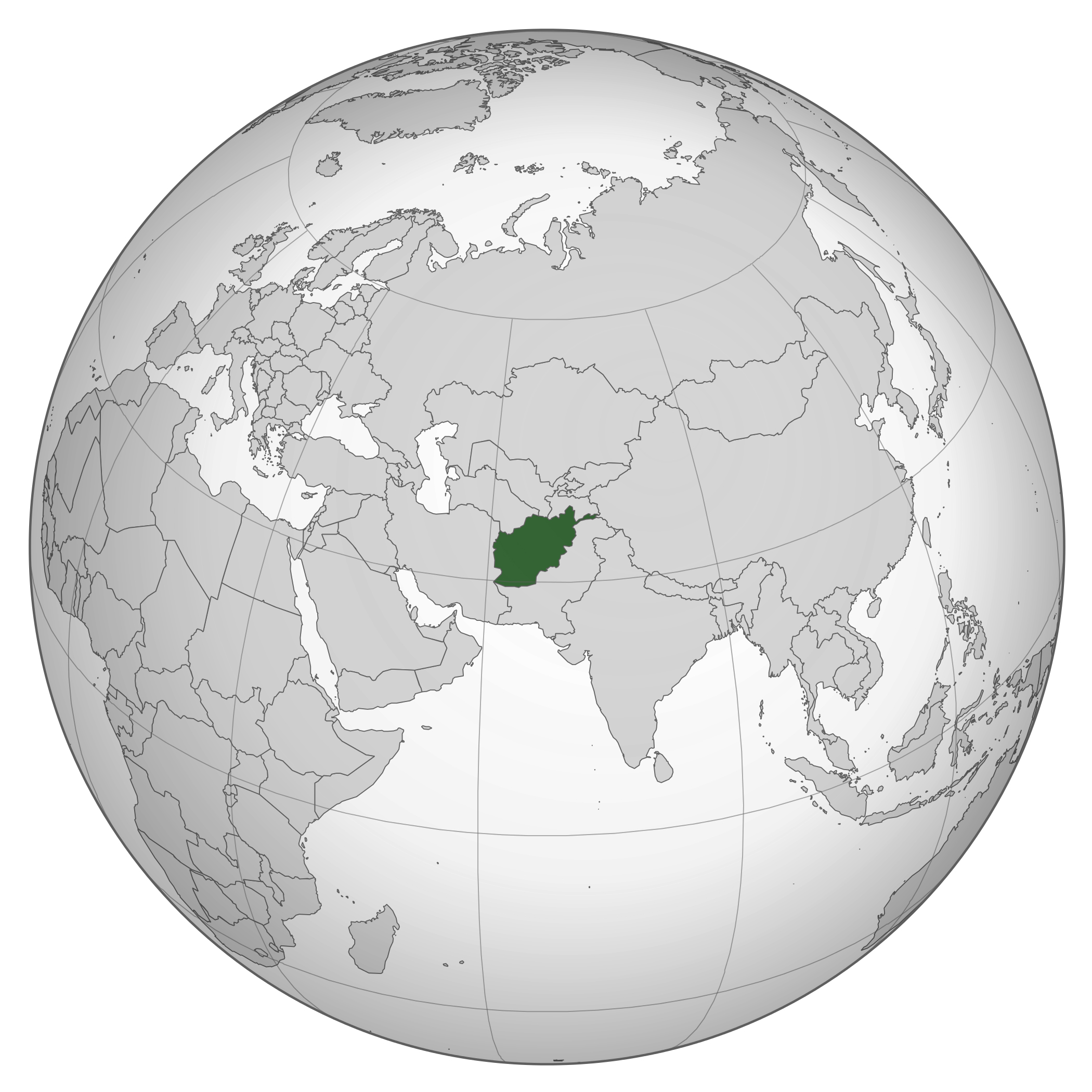
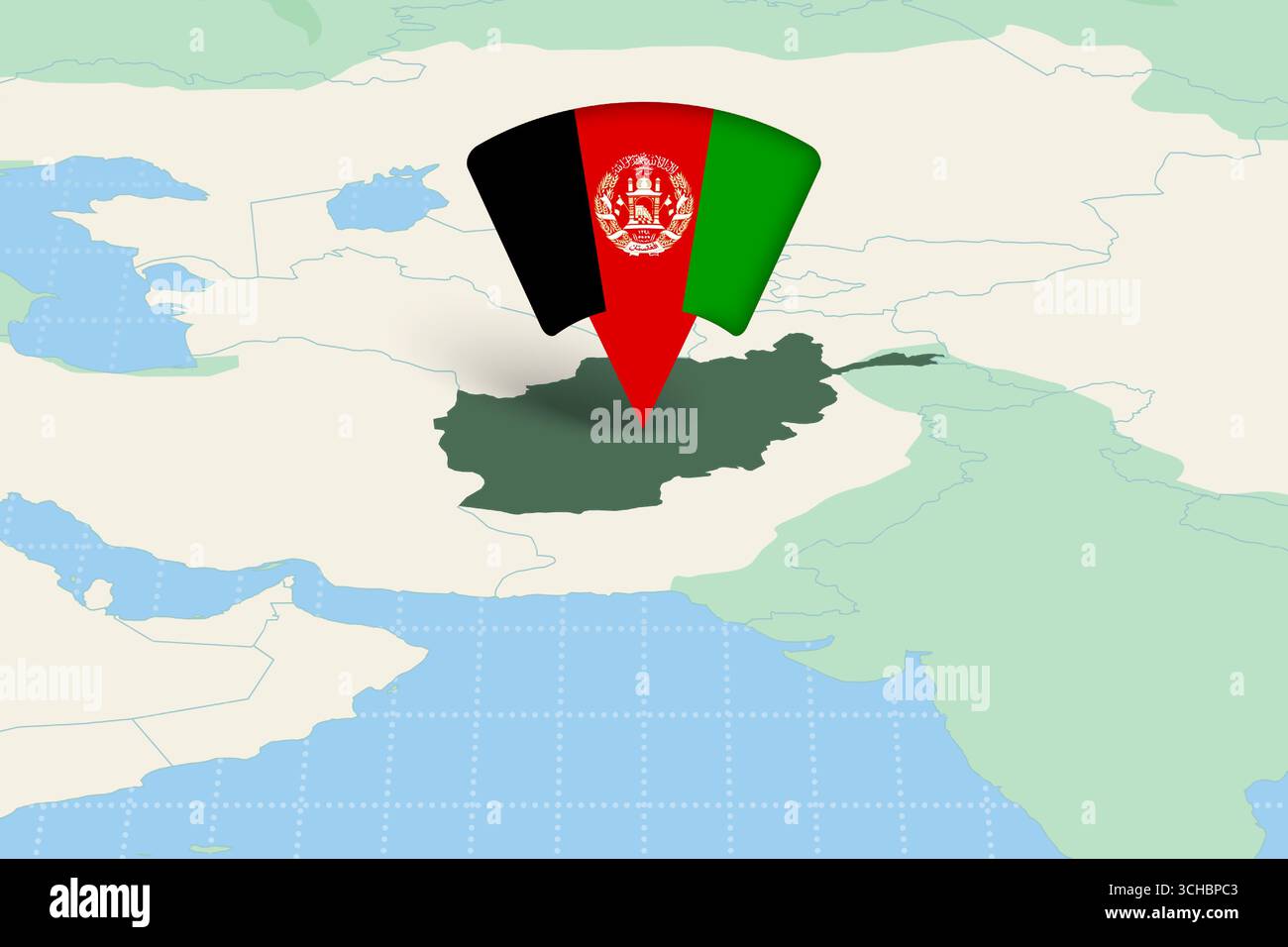
Afghanistan is situated in the heart of South-Central Asia, serving as a critical landlocked crossroads between the Middle East, Central Asia, and the Indian subcontinent. It is a mountainous nation defined by its rugged topography, extreme climate variations, and its historical role as a bridge for trade and cultural exchange across the Asian continent.
Defining the Regional Context of Afghanistan
To understand why Afghanistan is categorized as an Asian nation, one must examine its position within the broader continental framework. Asia is the world’s largest and most populous continent, characterized by immense geological and cultural diversity. Afghanistan does not sit within a singular, neatly defined sub-region; instead, it is often described as the meeting point of several distinct geopolitical spheres.
Geographers frequently place Afghanistan at the intersection of three major areas: Central Asia to the north, South Asia to the east and southeast, and the Middle East (or Southwest Asia) to the west. This central location has historically dictated the nation's strategic importance, economic trade routes, and diplomatic relations. While various international organizations may group the country differently based on specific institutional mandates, there is universal consensus on its placement within the Asian landmass.
Geographical Features and Bordering Nations
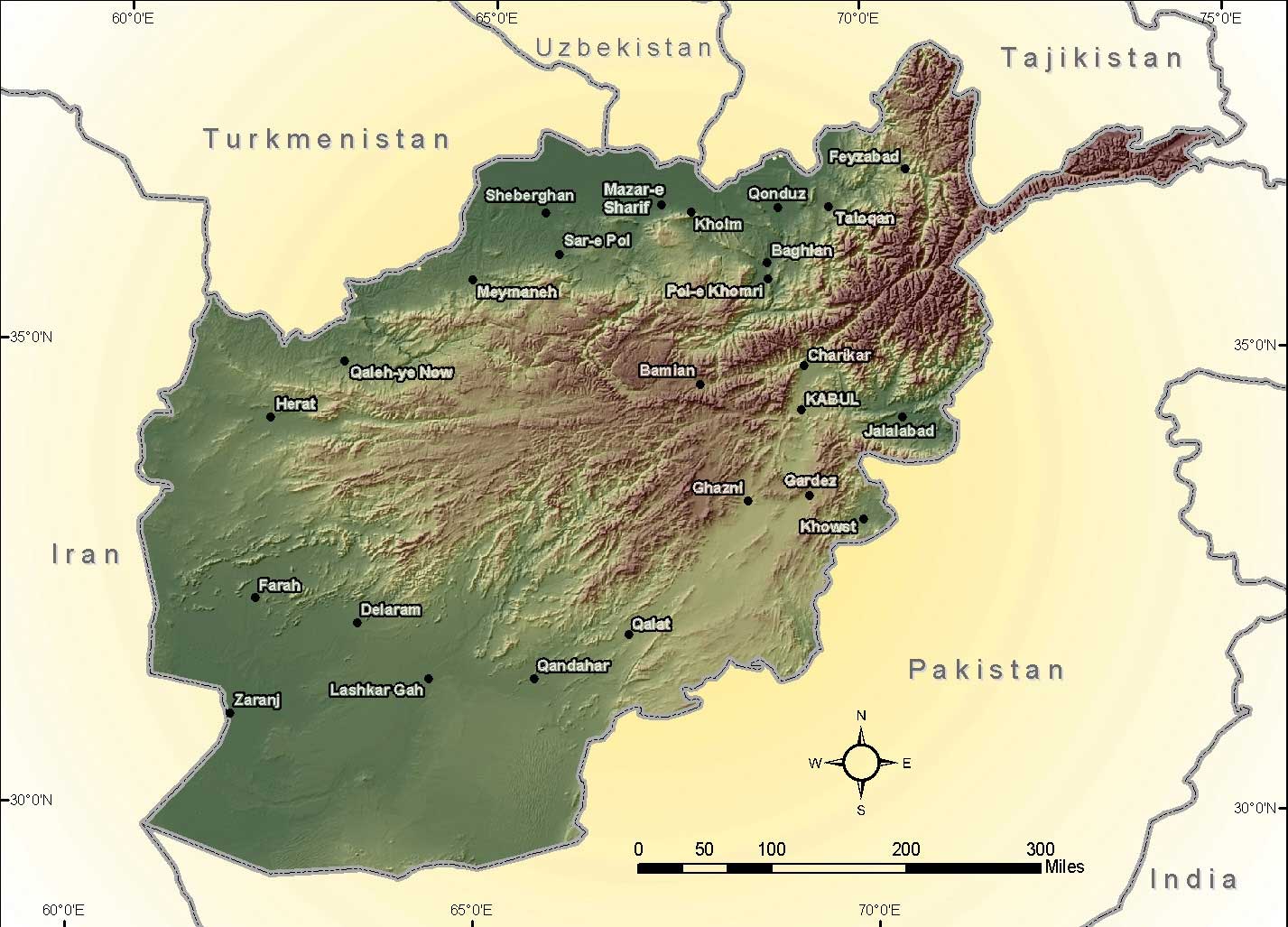
The geography of Afghanistan is dominated by the Hindu Kush mountain range, which cuts across the center of the country from the northeast to the southwest. This mountainous spine is a defining characteristic of its terrain and has heavily influenced the nation's demographic distribution and infrastructure development.
The country's landlocked status means it has no direct access to international maritime shipping lanes, forcing it to rely on its neighbors for transit. Its borders are defined by several key nations, each of which links Afghanistan to the broader regional dynamics:
- To the North: Tajikistan, Turkmenistan, and Uzbekistan. These borders link Afghanistan to the former Soviet republics of Central Asia, sharing historical and cultural ties related to the Silk Road.
- To the East and South: Pakistan. This extensive border—the Durand Line—connects Afghanistan to the South Asian subcontinent.
- To the West: Iran. This border signifies the transition toward the Middle East.
- To the Northeast: A narrow sliver of land, the Wakhan Corridor, shares a short border with China, acting as a buffer between Tajikistan and Pakistan.
Comparison of Regional Influence on Afghanistan
| Region | Primary Geographical/Cultural Link | Economic or Strategic Importance |
|---|---|---|
| Central Asia | Northern plains and river basins | Transit of energy resources and electricity |
| South Asia | Ethnic and linguistic connections | Trade access via ports and transit routes |
| Middle East | Religious and historical cultural ties | Energy markets and regional diplomatic influence |
| East Asia | Wakhan Corridor proximity | Border security and transit infrastructure |
The Role of Topography in National Development
The rugged nature of the Afghan landscape is not merely a matter of physical beauty; it is a fundamental determinant of the country’s modern development. The high altitude and harsh terrain create a mosaic of micro-climates that support distinct agricultural practices. In the lower valleys, farmers cultivate crops such as pomegranates, grapes, and wheat, while the higher elevations are better suited to pastoral livestock grazing.
This topography creates significant logistical challenges. The construction of paved roads, rail links, and telecommunication networks across mountain passes reaching thousands of meters in elevation is both expensive and technically demanding. As of 2026, navigating these routes remains a primary focus for internal connectivity, as the lack of a coastal port makes the development of efficient trans-continental land links essential for economic participation in the Asian market.
Afghanistan and Regional Organizations
Afghanistan’s identity as an Asian nation is codified through its participation in various regional forums and treaties. Membership in these organizations underscores the country’s role as an integral part of the Asian political and economic architecture.
For example, Afghanistan has historically engaged with the South Asian Association for Regional Cooperation (SAARC) and the Economic Cooperation Organization (ECO). These memberships are not merely ceremonial; they represent a commitment to regional integration. Whether through the coordination of water rights for shared river systems or the negotiation of cross-border trade agreements, Afghanistan’s domestic policy is inherently tied to the diplomatic consensus of its Asian neighbors.
Climate and Environmental Challenges
The climate of Afghanistan is categorized as arid to semi-arid, with cold, snowy winters and hot, dry summers. However, because of the significant differences in altitude, the country experiences extreme variability. The mountain regions often endure severe winters, which can isolate communities for months, while the southern plains experience intense heat.
These environmental factors are critical for understanding regional resilience. Water management, for instance, is an inherently cross-border issue. Rivers originating in the Afghan mountains flow into neighboring countries, making water rights a persistent subject of regional diplomacy. As the climate changes, the strain on these water resources continues to be a central topic for agricultural planning and national security.
Frequently Asked Questions
Is Afghanistan considered part of the Middle East?
While often discussed in the context of Middle Eastern geopolitics, Afghanistan is geographically classified as a South-Central Asian nation. It shares cultural and religious similarities with the Middle East, but its physical location is distinct from the Arab states that form the core of that region.
Does Afghanistan have any coastal access?
No, Afghanistan is a landlocked country. It is entirely surrounded by land, meaning it must depend on its neighboring countries—primarily Pakistan, Iran, and the Central Asian states—to reach international waters and global trade markets.
What is the most significant mountain range in Afghanistan?
The Hindu Kush is the most prominent mountain range in the country. It acts as a geological backbone, stretching across the center of Afghanistan and serving as a barrier between the northern and southern provinces.
How does being landlocked affect the economy?
Being landlocked increases the cost of imports and exports. Afghanistan relies heavily on transit agreements with its neighbors to move goods to and from ports like Karachi in Pakistan or Bandar Abbas in Iran. Any disruption in diplomatic relations with these transit countries has an immediate impact on the Afghan economy.
Is Afghanistan part of any Asian trade organizations?
Yes, Afghanistan participates in several regional frameworks aimed at improving economic cooperation across Asia. These include bodies focused on energy pipelines, transit corridors, and the exchange of agricultural products across the continent.
Conclusion and Next Actions
Understanding that Afghanistan is in Asia is the first step in recognizing the complex geopolitical and environmental forces that shape the nation. Its location as a bridge between three distinct sub-regions makes it a critical player in Asian stability and economic progress.
For those conducting research or seeking to engage with the region, the next action should involve an analysis of the current regional transit infrastructure projects. Reviewing the ongoing efforts to modernize mountain road networks and evaluating existing bilateral trade agreements will provide a clearer picture of how the country manages its landlocked status within the competitive Asian economic landscape.