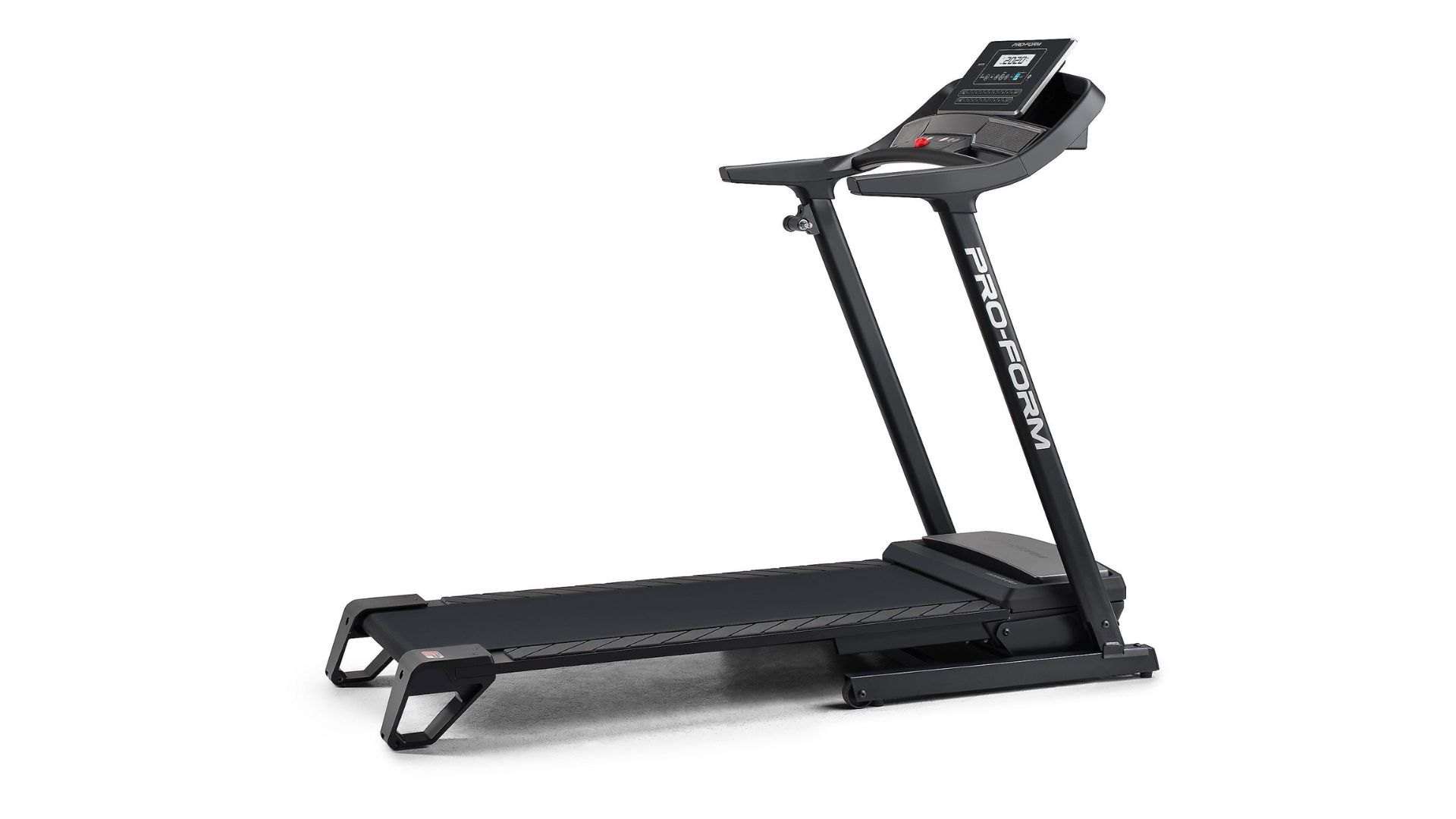
Finding affordable home treadmill options requires balancing budget constraints with essential performance metrics like motor power, running surface dimensions, and build quality to ensure safety and longevity. Entry-level and mid-tier models often range from compact folding designs to non-folding motorized frames, making it vital to evaluate your specific fitness goals, available space, and user weight capacity before purchasing.
Introduction to Home Treadmill Shopping on a Budget
Purchasing indoor fitness equipment requires a careful evaluation of upfront costs against long-term utility, especially when looking at budget-friendly machines. The market offers a wide spectrum of choices, ranging from ultra-compact walking pads designed for under-desk use to more robust folding treadmills capable of running and light interval training. Navigating this landscape successfully means understanding the trade-offs between price and mechanical capability. Cheaper models often sacrifice maximum speed, incline options, structural weight capacity, and console features. However, modern manufacturing processes mean that even budget-friendly options can deliver reliable performance for casual walkers and light joggers.
The primary challenge for buyers is filtering through marketing terminology to identify machines built with durable frames, adequate continuous horsepower (CHP) motors, and reliable cushioning systems. Overlooking these structural realities often leads to premature mechanical failure, excessive noise, or an uncomfortable stride that deters regular use. This guide examines the essential technical considerations, explores distinct product tiers, compares common features, and provides a structured approach to selecting an affordable home treadmill that meets your exact needs.
Core Technical Specifications to Evaluate
When shopping for an affordable treadmill, scrutinizing the technical specifications prevents the purchase of a machine that cannot handle your routine. Manufacturers frequently highlight peak horsepower, but buyers must look for continuous horsepower to gauge true motor endurance.
Motor Power: Continuous Horsepower vs. Peak Horsepower
The motor is the heart of any motorized treadmill. Continuous horsepower measures the power the motor can deliver consistently over an extended period. For walking and light physical therapy, a 1.5 to 2.0 CHP motor is typically sufficient. If your routine includes jogging or running, look for a motor rated at 2.5 CHP or higher. Peak horsepower, by contrast, only represents the maximum output a motor can achieve for a brief fraction of a second, which is a poor metric for determining whether a machine can sustain a continuous running stride without overheating.
Running Surface Dimensions
Belt length and width dictate your freedom of movement and safety. Taller users or those with longer strides require a deck that accommodates their natural gait without forcing them to shorten their steps.
- Walking Pads and Under-Desk Units: Often feature belts around 40 to 45 inches long and 16 to 18 inches wide. These are suitable exclusively for walking at slower speeds.
- Standard Budget Running Treads: Typically feature belts measuring 50 inches long by 18 to 20 inches wide, which comfortably support jogging for average-height adults.
- Full-Size Running Decks: Generally measure 55 to 60 inches long and 20 to 22 inches wide, providing necessary clearance for high-speed sprinting.
Frame Integrity and Weight Capacity
Affordable treadmills often use lighter-gauge steel and plastic housing to reduce shipping costs and overall weight. Review the maximum user weight capacity specified by the manufacturer as a proxy for structural integrity. A higher weight limit usually indicates a more rigid frame that flexes less under impact, translating to a smoother and quieter user experience. As a general rule, subtract 50 pounds from the manufacturer's stated weight limit to find a comfortable operational threshold for daily running.
Categorizing Affordable Treadmill Options
Budget-friendly fitness equipment generally falls into three distinct categories based on footprint, functionality, and intended use. Identifying which category aligns with your living space and fitness aspirations ensures you do not overpay for unused features or under-buy for your physical requirements.
Compact Walking Pads and Under-Desk Units
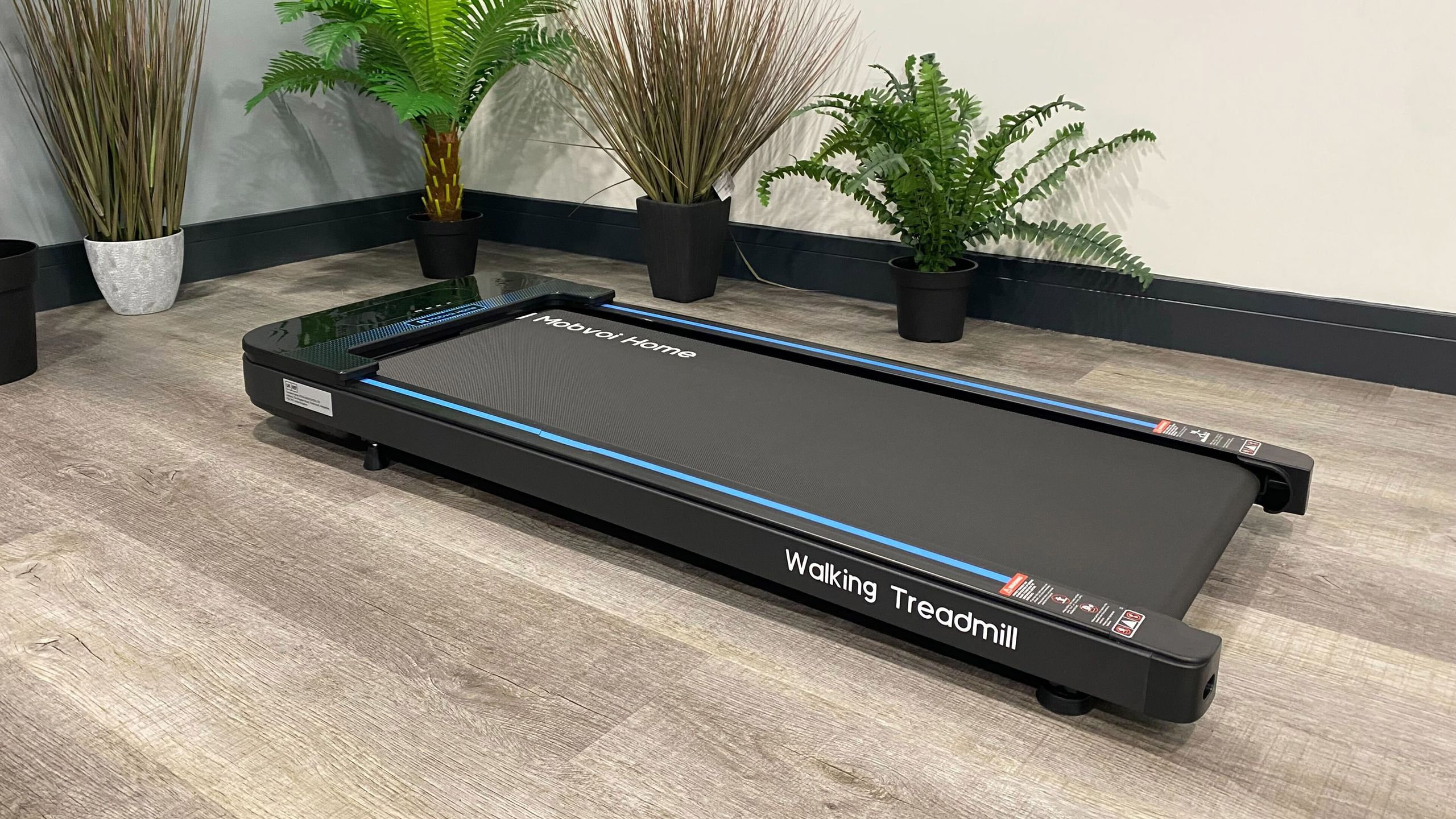
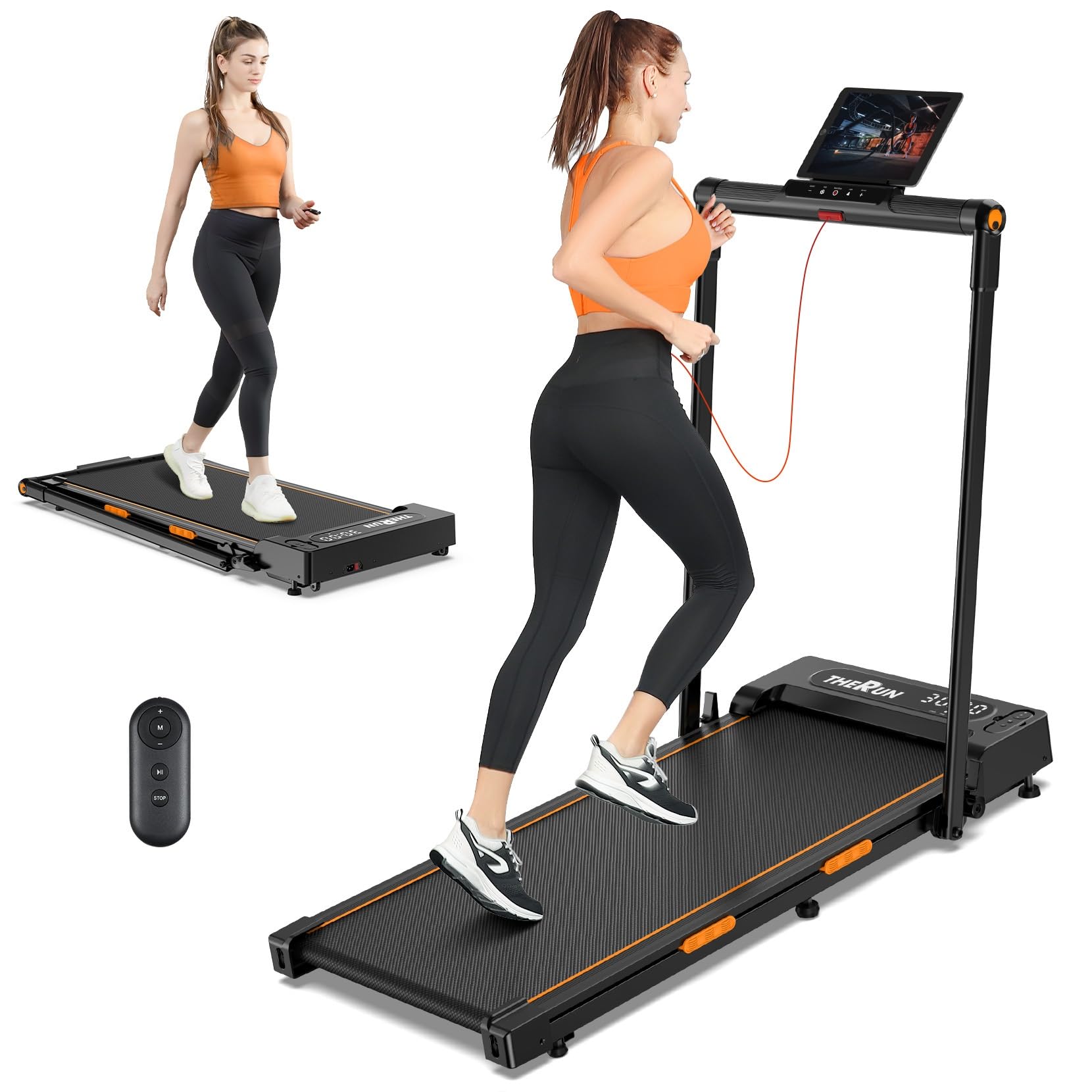
Designed primarily for remote workers and individuals seeking to increase their daily step counts, walking pads represent the lowest price tier. These units typically lack a traditional console mast or handrails, relying instead on remote controls or automatic sensors that adjust speed based on foot placement.
- Pros: Highly portable, exceptionally low profile, easy to store under a bed or sofa, and budget-friendly.
- Cons: Limited top speed (usually capping out at 4 to 6 mph), no incline capabilities, and minimal shock absorption.
Folding Manual and Motorized Entry-Level Treads
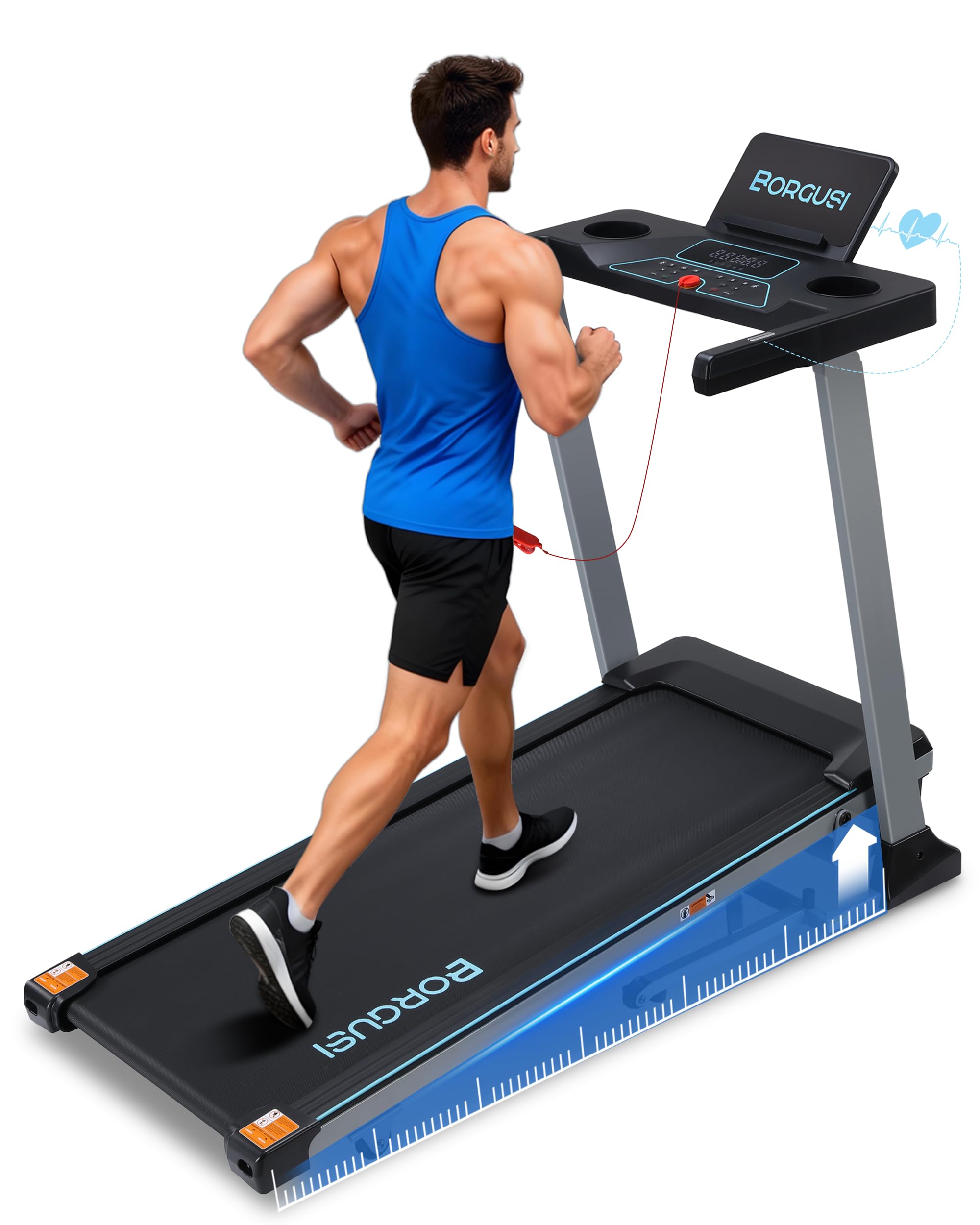
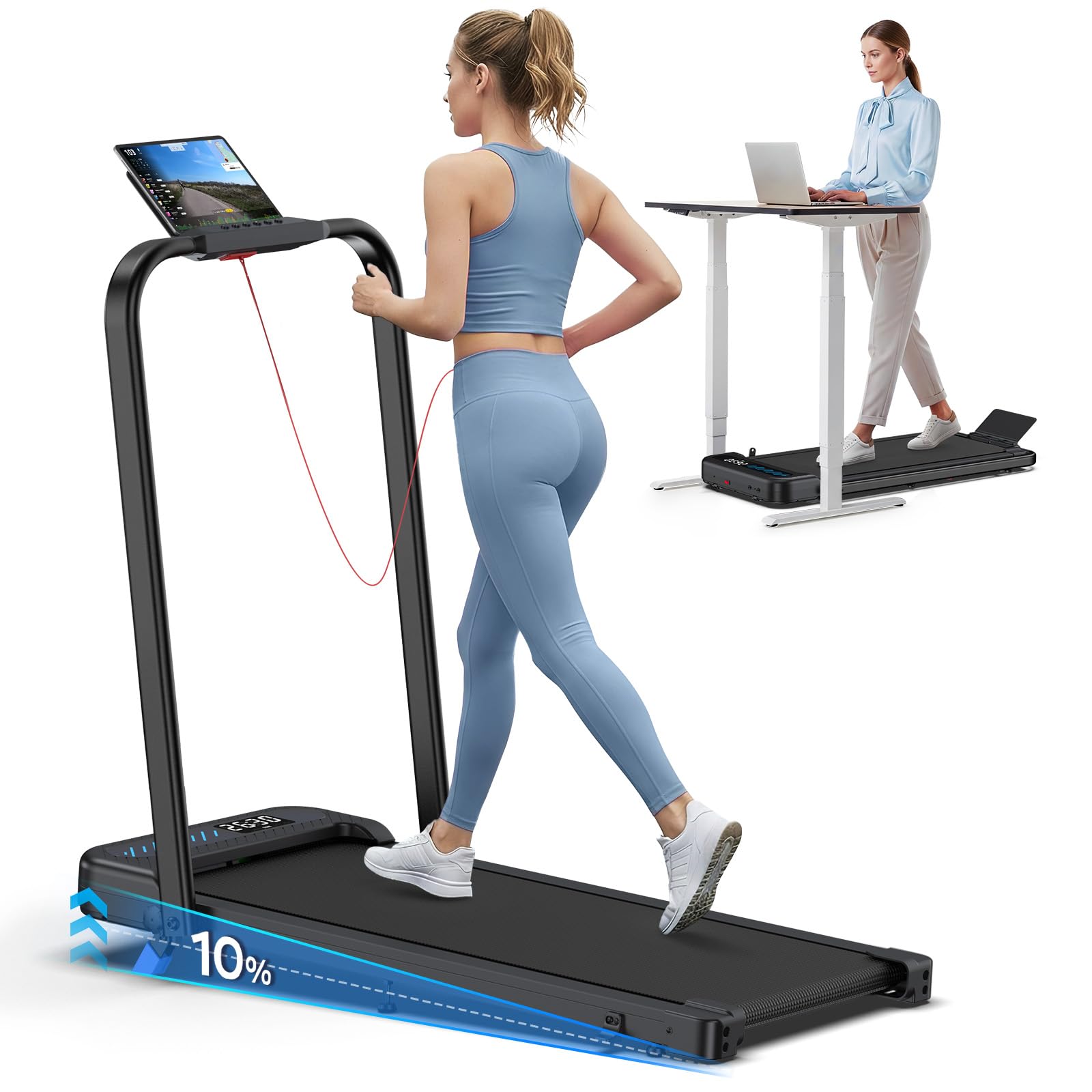
This category represents the traditional home treadmill scaled down for smaller budgets. They feature a foldable deck mechanism that locks upright via hydraulic cylinders or manual pins, freeing up floor space when not in use. They include basic electronic consoles displaying time, distance, speed, and approximate calorie burn.
- Pros: Supports light jogging, includes basic handrails with integrated heart rate sensors, and offers manual or low-power electronic incline options.
- Cons: Folding mechanisms add potential mechanical wear points over time; consoles may feel plasticky and lack advanced programming.
Refurbished and Open-Box Mid-Tier Equipment
For buyers seeking higher build quality without paying full retail prices, certified refurbished or open-box units from reputable fitness brands provide a viable alternative. These machines originally retailed at higher price points but are resold after factory inspection or minor return processing.
- Pros: Access to superior motor durability, heavier steel frames, better deck cushioning, and longer warranties than generic budget brands.
- Cons: Limited availability, shorter warranty coverage compared to brand-new units, and potential for cosmetic blemishes.
Feature Comparison Matrix
To help visualize how different machine tiers compare across critical performance metrics, consult the reference matrix below.
| Feature Category | Compact Walking Pads | Entry-Level Folding Treads | Refurbished Mid-Tier Treads |
|---|---|---|---|
| Price Range | Low ($200 - $400) | Moderate ($400 - $700) | Variable ($500 - $900) |
| Max Speed | 4.0 - 6.0 mph | 8.0 - 10.0 mph | 12.0+ mph |
| Motor (CHP) | 1.0 - 1.5 CHP | 2.0 - 2.5 CHP | 3.0+ CHP |
| Incline Options | None | Fixed or Manual (0% - 10%) | Electronic Power Incline (12%+) |
| Deck Cushioning | Minimal / Rigid | Moderate elastomer cushions | Advanced shock absorption systems |
| Storage Style | Flat fold / Under-furniture | Vertical deck fold | Vertical deck fold |
Critical Considerations Beyond the Initial Price Tag
Evaluating the total cost of ownership involves looking past the sticker price to factor in operational realities, maintenance requirements, and potential subscription fees.
Assembly and Space Requirements
Many affordable treadmills arrive semi-assembled, requiring the user to bolt uprights, attach consoles, and tighten safety keys. Pay attention to the box dimensions and weight, as delivery drivers often drop heavy shipments at the curb or entryway, necessitating assistance to move the equipment into the room of use. Additionally, measure your ceiling height relative to the treadmill deck height, especially if the machine features an incline mechanism, to ensure taller users do not strike their heads on low basement ceilings.
Maintenance and Lubrication
Budget motorized treadmills require regular belt lubrication to reduce friction between the running belt and the walking deck. Neglecting this maintenance can strain the motor, wear out the controller board, and cause the belt to stutter. Buyers should factor in the ongoing cost of silicone-based treadmill lubricants and set a recurring schedule to inspect belt tension and alignment.
Software Subscriptions and Console Limitations
Many modern fitness brands offset lower hardware costs by locking workout programming, scenic virtual trails, and trainer-led classes behind monthly subscription models. While basic manual modes typically function without an internet connection or active subscription, verify whether the console requires an active account to unlock fundamental machine settings or if it operates entirely independently.
Frequently Asked Questions
Can I run on an affordable treadmill, or are they only for walking?
Some affordable treadmills support jogging and running, but you must verify the motor's continuous horsepower and the belt length before attempting higher speeds. Machines with motors under 2.0 CHP and decks shorter than 50 inches are generally unsafe or uncomfortable for running and should be restricted to walking.
How much space do I need to leave around a home treadmill?
For safety purposes, manufacturers typically recommend maintaining a clearance zone of at least 6 to 8 feet behind the treadmill deck and 2 feet on each side. This ensures that if a user slips or falls, they remain clear of walls, furniture, or sharp objects.
Do folding treadmills sacrifice structural stability?
While folding mechanisms introduce a hinge point to the frame, well-engineered budget units use secure locking pins and dual-action hydraulic struts to maintain structural rigidity. However, non-folding commercial-style frames inherently offer greater rigidity under heavy impact than folding alternatives.
How often should I lubricate the running belt?
Under normal household use, most manufacturers recommend applying specialized silicone lubricant under the running belt every 3 to 6 months, or after every 130 to 150 miles of usage. Consult your specific user manual, as over-lubricating can cause the belt to slip against the drive roller.
What is the average lifespan of a budget home treadmill?
With proper maintenance, regular belt adjustments, and placement in a climate-controlled room away from dust and moisture, an affordable home treadmill typically lasts between 3 to 7 years depending on frequency of use and user weight.
Practical Next Steps for Buyers
Begin your purchasing process by accurately measuring your available floor space and checking ceiling clearances in your designated workout area. Next, establish a realistic inventory of your primary physical activities—distinguishing clearly between daily walking, light jogging, or structured running—to filter out underpowered motor options. Prioritize models backed by a reliable manufacturer warranty on the frame and motor, even if it requires spending slightly toward the upper limit of your budget. Finally, verify return policies and restocking fees with the retailer, as testing the cushioning and console interface firsthand in your home environment remains the ultimate test of suitability.