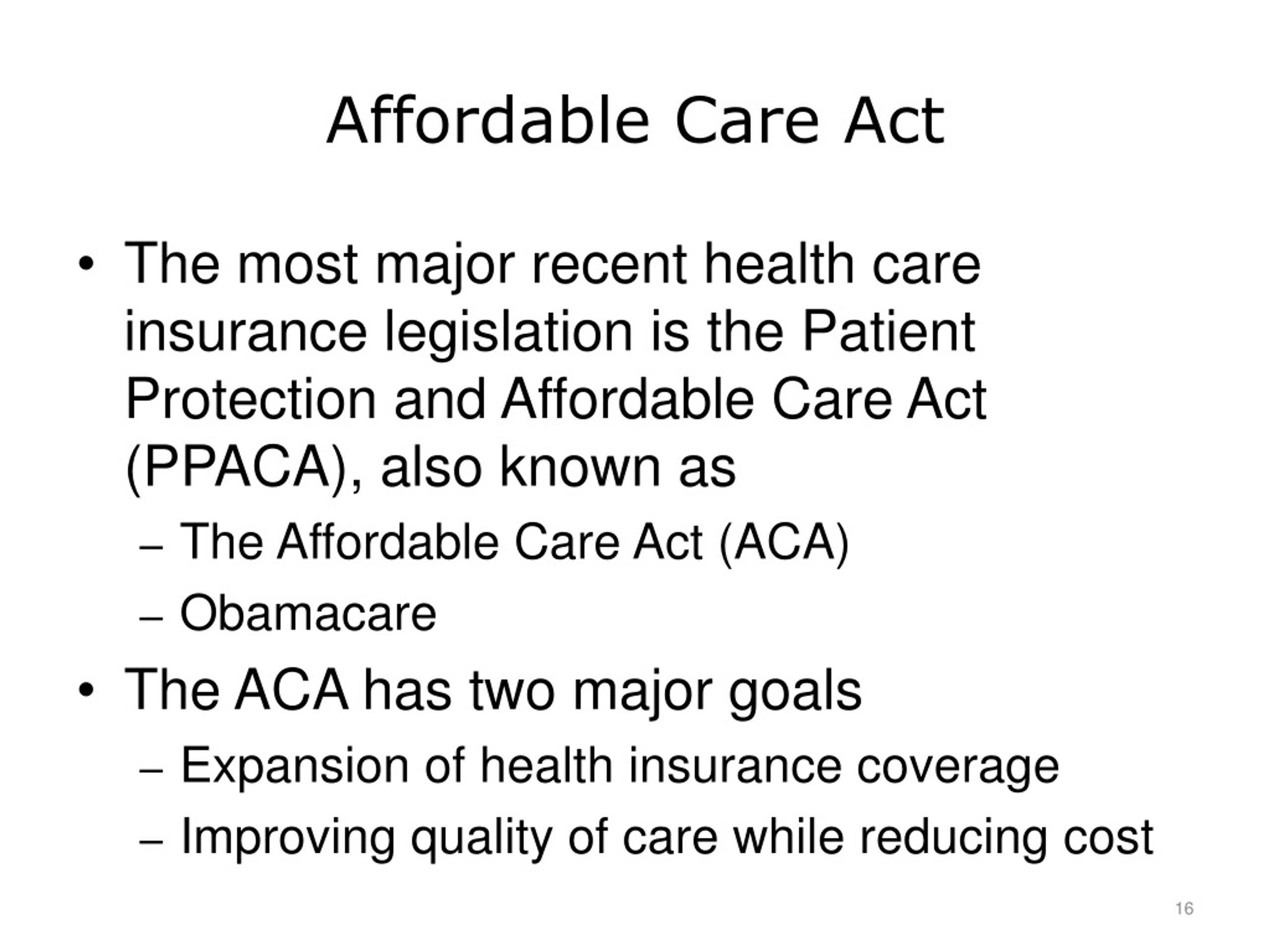
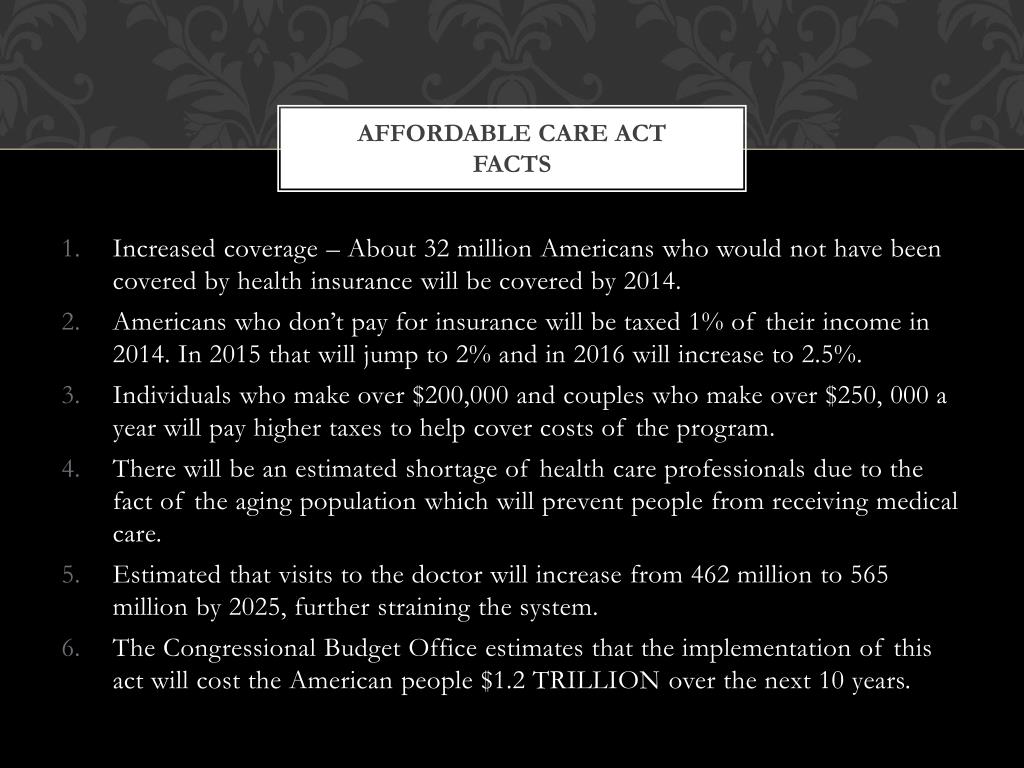
The history of the Affordable Care Act (ACA) encompasses decades of failed healthcare reform efforts, a contentious legislative battle in Congress during 2009 and 2010, and more than a decade of subsequent implementation, legal challenges, and administrative shifts. Signed into law by President Barack Obama on March 23, 2010, the ACA represents the most significant regulatory overhaul of the U.S. healthcare system since the enactment of Medicare and Medicaid in 1965. Its primary objectives were to expand health insurance coverage to millions of uninsured Americans, lower overall healthcare costs, enhance the quality of care, and introduce critical consumer protections such as prohibiting insurers from denying coverage based on pre-existing conditions.
Understanding the history of this landmark legislation requires examining the structural challenges of the American healthcare system prior to 2010, the political strategy behind drafting the bill, the intense congressional debates, and the ongoing legal and legislative adjustments that continue to shape its administration today.
Pre-ACA Healthcare Landscape and Early Reform Efforts
To understand why the Affordable Care Act was enacted, one must examine the state of American healthcare at the turn of the 21st century. Prior to the ACA, the United States relied heavily on employer-sponsored health insurance, individual private markets, and public programs like Medicare and Medicaid. However, this system left significant gaps. Millions of Americans were completely uninsured because they could not afford private coverage on the individual market, where insurance companies routinely denied applications or charged exorbitant premiums to individuals with pre-existing medical conditions.
Furthermore, individual insurance policies frequently featured lifetime and annual coverage caps, meaning that policyholders who developed catastrophic illnesses could exhaust their benefits mid-treatment and face financial ruin. Young adults aging off their parents' plans often found themselves without affordable options, and preventive services frequently required out-of-pocket cost-sharing, discouraging routine screenings that could catch chronic conditions early.
Efforts to achieve universal or near-universal healthcare coverage in the United States date back nearly a century. President Franklin D. Roosevelt considered including health insurance in the Social Security Act of 1935 but ultimately dropped it to avoid jeopardizing the broader legislation. President Harry S. Truman proposed a national health insurance program in 1945, which was fiercely opposed by the American Medical Association (AMA) and conservative lawmakers who labeled it "socialized medicine."
Decades later, in 1993, President Bill Clinton introduced the Health Security Act, an ambitious reform package aimed at achieving universal coverage through a complex system of managed competition. Led by First Lady Hillary Clinton, the initiative faced fierce political opposition from the insurance industry—epitomized by the famous "Harry and Louise" television ads—and ultimately collapsed in Congress without ever coming to a floor vote.
These historical failures left a blueprint for future reformers: any successful healthcare legislation would need to work within the existing private insurance market rather than replacing it with a government-run single-payer system, while still expanding public safety nets.
The Legislative Pathway: 2009–2010
When Barack Obama campaigned for the presidency in 2008, healthcare reform emerged as a central pillar of his platform. Following his election, the Democratic Party held majorities in both the House of Representatives and the Senate, providing a narrow window of opportunity to pursue major structural reform.
The legislative process began in earnest in early 2009. Rather than drafting a single bill behind closed doors, the Obama administration worked closely with key congressional committees—specifically the Senate Finance Committee and the House Energy and Commerce Committee—to craft legislation. A pivotal strategic decision was made to incorporate elements from various existing proposals, including the individual mandate concept originally developed by the conservative Heritage Foundation in the late 1980s and implemented at the state level in Massachusetts by Republican Governor Mitt Romney in 2006.
The legislative journey was exceptionally arduous and politically polarized:
- Spring and Summer 2009: Committees in both chambers held dozens of hearings, marking up distinct versions of the legislation. Bipartisan negotiations, particularly involving a centrist group of senators known as the "Gang of Six," stalled repeatedly over the scope of government involvement and funding mechanisms.
- Fall 2009: The House passed its version of the bill, the Affordable Health Care for America Act (H.R. 3962), in November. Meanwhile, the Senate advanced its own legislation, the Patient Protection and Affordable Care Act, which cleared the Senate on Christmas Eve 2009 along strict party lines (60–39).
- January 2010: The political landscape shifted dramatically when Republican Scott Brown won a special U.S. Senate election in Massachusetts, filling the seat previously held by the late Senator Ted Kennedy. This loss deprived Senate Democrats of their filibuster-proof 60-seat majority, halting the traditional conference committee process used to reconcile the House and Senate bills.
- March 2010: To bypass the impasse, House leaders agreed to pass the Senate’s version of the ACA without changes, relying on a parliamentary procedure called reconciliation to pass a companion bill (the Health Care and Education Reconciliation Act of 2010) that modified specific tax and subsidy provisions.
President Obama signed the Patient Protection and Affordable Care Act (Public Law 111-148) into law on March 23, 2010, followed by the reconciliation bill on March 30, 2010.
| Legislative Milestone | Date | Description |
|---|---|---|
| House Bill Passage | November 7, 2009 | H.R. 3962 passed the House of Representatives. |
| Senate Bill Passage | December 24, 2009 | The Patient Protection and Affordable Care Act passed the Senate (60–39). |
| Massachusetts Special Election | January 19, 2010 | Republican Scott Brown wins Senate seat, ending the Democratic supermajority. |
| Final Enactment | March 23, 2010 | President Barack Obama signs the ACA into law. |
| Reconciliation Act | March 30, 2010 | Amendments addressing student loans and tax credits enacted. |
Core Components and Phased Implementation
The ACA was not designed to take effect overnight. Instead, its provisions rolled out in phased stages between 2010 and 2014, allowing individuals, insurers, and state governments time to adjust to the new regulatory framework.
Immediate Protections (2010–2011)
Within months of enactment, several popular consumer protections went into effect:
- Young Adult Coverage: Insurers were required to allow young adults to remain on their parents’ health insurance plans until they turned 26.
- Pre-Existing Conditions (Children): Insurance companies were banned from denying coverage to children under age 19 due to pre-existing conditions.
- Lifetime Caps: Insurers were prohibited from placing lifetime dollar limits on essential health benefits.
- Preventive Care: New private plans were mandated to cover certain preventive services—such as vaccinations, mammograms, and routine screenings—without co-pays, coinsurance, or deductibles.
Major Coverage Expansion (2014)
The cornerstone of the ACA took effect on January 1, 2014, fundamentally altering the individual insurance market:
- Health Insurance Marketplaces: State-based and federal online exchanges (such as HealthCare.gov) were launched, allowing consumers to compare and purchase standardized private insurance plans.
- Subsidies: Income-based tax credits (Advanced Premium Tax Credits) were introduced to lower monthly premiums for individuals and families earning between 100% and 400% of the federal poverty level.
- Medicaid Expansion: The law provided federal funding for states to expand Medicaid eligibility to nearly all adults with incomes up to 133% (effectively 138% with a standard income disregard) of the federal poverty level.
- Guaranteed Issue and Community Rating: Insurers were barred from denying coverage or charging higher rates based on health status, gender, or medical history. Premium variations were restricted strictly to age, geographic location, tobacco use, and family size.
- Individual Mandate: Most Americans were required to maintain minimum essential coverage or pay a financial penalty, a mechanism designed to ensure healthy individuals participated in the risk pool to offset the cost of sicker enrollees.
Major Legal Challenges and Supreme Court Rulings
Despite its enactment, the ACA faced intense legal scrutiny from opponents who argued that various provisions exceeded Congress’s constitutional authority under the Commerce Clause and the Taxing Clause.
National Federation of Independent Business v. Sebelius (2012)
In the most consequential legal challenge to the law, the U.S. Supreme Court ruled on the constitutionality of the individual mandate and the Medicaid expansion in June 2012. In a 5–4 decision written by Chief Justice John Roberts, the Court upheld the individual mandate, ruling that while Congress lacked the authority to compel insurance purchase under the Commerce Clause, the financial penalty for remaining uninsured could be upheld as a valid exercise of Congress's taxing power.
However, the Court dealt a major blow to the law's coverage expansion by ruling that the federal government could not penalize states that chose not to participate in the ACA's Medicaid expansion by withholding their existing Medicaid funding. This effectively made Medicaid expansion optional for states, leading to a patchwork implementation where numerous conservative states initially declined to expand the program.
Subsequent Supreme Court Challenges
The ACA faced two additional major challenges before the Supreme Court:
- King v. Burwell (2015): Plaintiffs argued that tax subsidies should not be available to residents of states that relied on the federal exchange (HealthCare.gov) rather than establishing their own state-run marketplaces. The Supreme Court ruled 6–3 in favor of the government, preserving subsidies nationwide and ensuring the functional stability of the exchanges.
- California v. Texas (2021): Following a 2017 congressional tax law that reduced the individual mandate penalty to zero dollars, Texas and other Republican-led states argued that the entire ACA became unconstitutional. The Supreme Court dismissed the challenge in a 7–2 ruling, finding that the plaintiffs lacked legal standing because they had not suffered direct injury from a zero-dollar penalty.
Evolution, Legislative Adjustments, and Current Standing
Over the subsequent decades, the ACA has undergone numerous administrative adjustments, executive actions, and targeted legislative modifications.
In late 2017, the Tax Cuts and Jobs Act eliminated the financial penalty associated with the individual mandate, effectively neutralizing the enforcement mechanism while leaving the legal requirement itself intact. Following this change, enrollment patterns shifted as states implemented innovative state-level subsidies, reinsurance programs, and enhanced outreach efforts.
During the COVID-19 pandemic, the federal government enacted the American Rescue Plan Act of 2021 (ARPA), which temporarily enhanced ACA marketplace subsidies by lowering premium caps for current enrollees and expanding eligibility to middle-income individuals who previously earned too much to qualify for financial assistance. These enhanced subsidies significantly drove record-breaking enrollment on HealthCare.gov and state-based exchanges. The Inflation Reduction Act of 2022 subsequently extended these enhanced subsidies through the end of 2025, maintaining lower consumer costs and sustaining high enrollment figures heading into 2026.
Today, the Affordable Care Act remains foundational to the American healthcare architecture. While debates persist regarding government spending, market consolidation, and healthcare affordability, the law's core consumer protections—such as guaranteed coverage for pre-existing conditions, protection for young adults on family plans, and the elimination of lifetime caps—enjoy widespread public support and remain deeply integrated into the regulatory framework of the U.S. health insurance industry.
Frequently Asked Questions
When was the Affordable Care Act signed into law?
The Affordable Care Act was signed into law by President Barack Obama on March 23, 2010. A companion reconciliation measure, the Health Care and Education Reconciliation Act of 2010, was signed shortly thereafter on March 30, 2010, to amend specific tax and financing provisions.
What were the primary goals of the ACA?
The primary goals of the ACA were to expand health insurance coverage to uninsured individuals through regulated marketplaces and Medicaid expansion, lower the overall costs of healthcare delivery, improve quality outcomes, and introduce consumer protections that prohibit insurance companies from denying coverage or charging higher rates based on pre-existing medical conditions.
Did the Supreme Court ever strike down the ACA?
No. While the Supreme Court reviewed multiple major challenges to the legislation, it never struck down the ACA in its entirety. In National Federation of Independent Business v. Sebelius (2012), the Court upheld the individual mandate as a valid tax but made Medicaid expansion optional for states. In subsequent rulings like King v. Burwell (2015) and California v. Texas (2021), the Court preserved federal subsidies and dismissed challenges to the law's overall structure.
What happened to the individual mandate penalty?
The Tax Cuts and Jobs Act of 2017 reduced the financial penalty for failing to maintain health insurance coverage to zero dollars, effective starting in January 2019. While the statutory requirement to maintain minimum essential coverage remained on the books, the removal of the financial penalty meant individuals no longer faced federal fines for remaining uninsured.
How did the ACA change insurance rules for young adults?
Under provisions implemented in 2010, the ACA required group health plans and individual health insurance issuers offering dependent coverage to allow young adults to remain on their parents’ insurance policies until they turned 26 years of age, regardless of their financial dependency, student status, or marital status.
Practical Next Actions for Consumers
Individuals seeking health insurance coverage or wishing to evaluate their options under current ACA guidelines should review available plans during designated open enrollment periods or verify eligibility for special enrollment periods triggered by qualifying life events. Reviewing plan tiers (Bronze, Silver, Gold, and Platinum) on official state exchanges or HealthCare.gov helps match estimated medical needs and household income with appropriate financial assistance and provider networks.