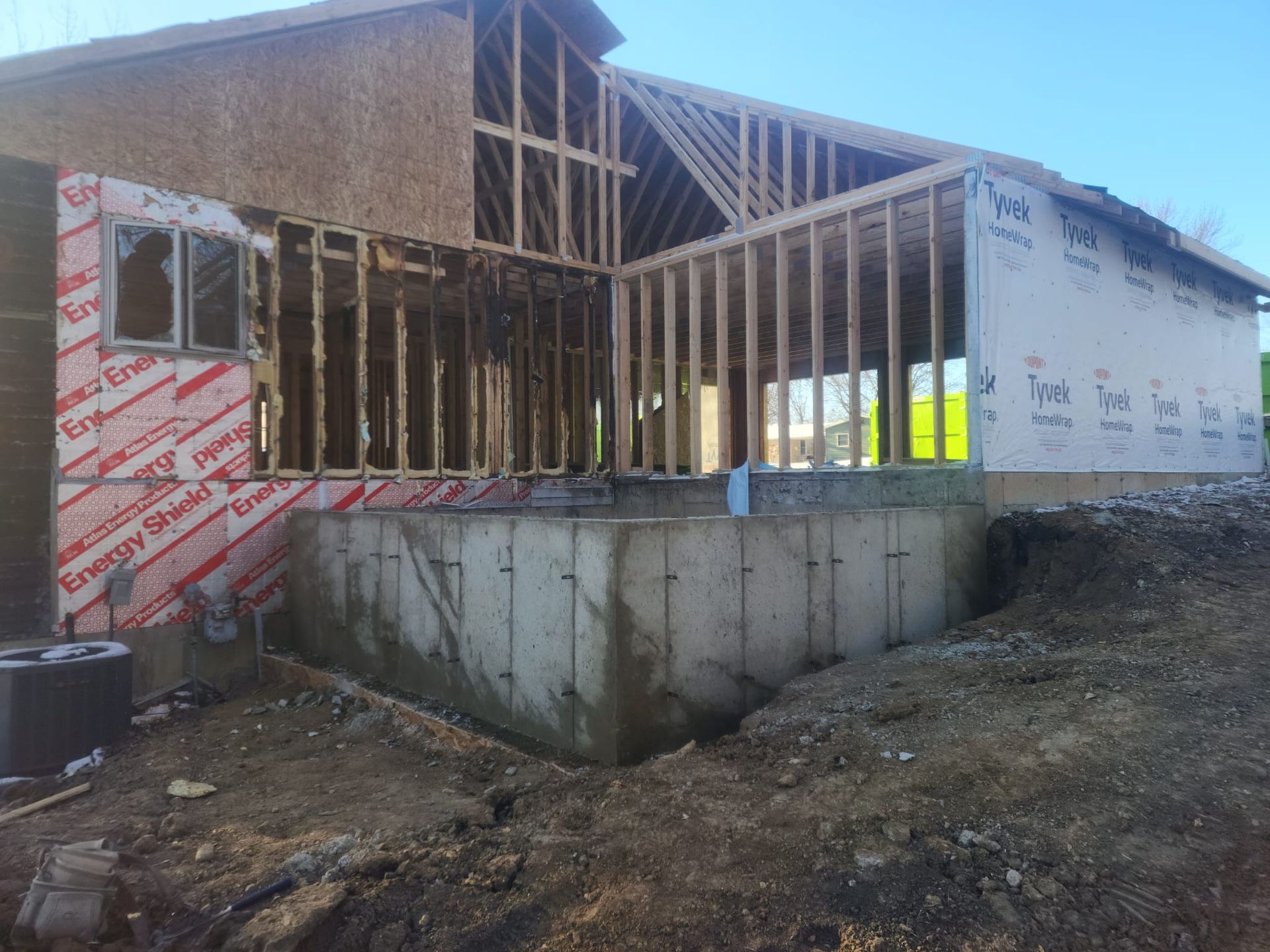
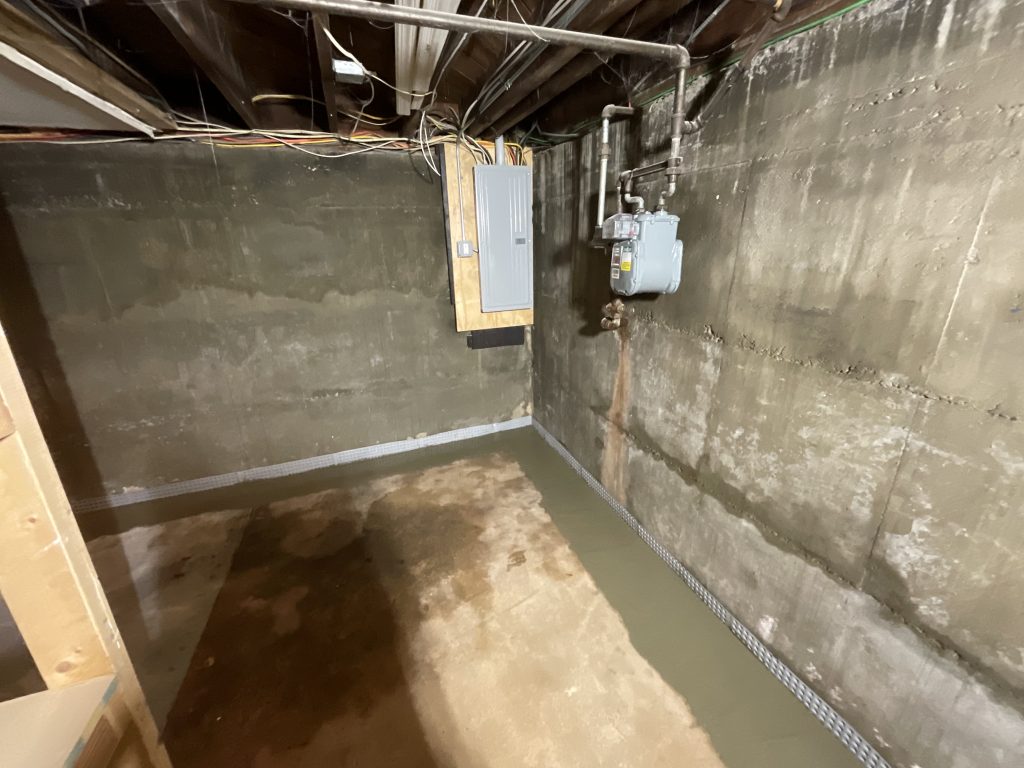
Advantage Basement and Foundation Repair LLC provides specialized structural support and water mitigation services designed to address settlement, wall bowing, and moisture infiltration in residential and light commercial buildings. By utilizing industry-standard stabilization techniques like helical piers and carbon fiber reinforcement, the company helps property owners preserve structural integrity and prevent long-term environmental degradation of their foundations.
The Role of Specialized Foundation Repair
Foundations are the literal bedrock of any structure, yet they are subject to constant external pressures. Soil composition, fluctuating moisture levels, and poor drainage can lead to significant structural movement. Professional foundation repair services, such as those offered by Advantage Basement and Foundation Repair LLC, are necessary when minor cracks progress into structural failure.
When soil beneath a footer shrinks or expands, the resulting uneven pressure causes sections of the foundation to sink—a phenomenon known as settlement. If left unaddressed, this leads to cracked masonry, jammed doors, and tilted floor joists. Foundation repair contractors utilize engineered solutions to redistribute weight, stabilize the foundation, and, in some cases, restore the structure to its original elevation.
Common Foundation and Basement Issues
Property owners typically engage foundation specialists when they observe specific physical indicators of distress. Recognizing these symptoms early can mean the difference between a minor cosmetic fix and a major structural overhaul.
Structural Cracking
Vertical cracks are often the result of minor settlement during the curing process of concrete, while horizontal cracks are frequently more concerning. Horizontal cracking often suggests that soil pressure on the exterior of the basement wall has exceeded the wall's lateral load-bearing capacity. This is common in regions with heavy clay content in the soil, which retains water and expands significantly during wet seasons.
Basement Moisture and Seepage
Water intrusion is often inextricably linked to foundation health. When hydrostatic pressure builds up against a foundation wall, water can force its way through microscopic pores or existing cracks. If a basement shows signs of efflorescence—a white, powdery substance left behind when moisture evaporates—or standing water, it is often a sign that exterior waterproofing or interior drainage systems need attention.
Standard Repair Methodologies
Professional companies in this niche generally employ a set of standardized, engineer-approved methods to resolve structural issues. Understanding these methods helps homeowners vet proposals and understand the scope of work.
- Helical Piers: These are steel shafts screwed into the ground until they reach load-bearing strata. They are attached to the foundation footer to lift or stabilize a sinking section.
- Carbon Fiber Straps: Used primarily for bowing walls that are not yet severely displaced. These high-tensile-strength straps are epoxied to the interior of the wall to prevent further inward movement.
- Wall Anchors: These involve plates placed on the exterior earth and the interior wall, connected by steel rods. The rods are tightened over time to pull a bowing wall back toward its original position.
- Drain Tile Systems: These involve installing perforated pipes around the perimeter of the foundation (either interior or exterior) to collect water and route it to a sump pump, relieving hydrostatic pressure.
Comparing Structural Repair Solutions
The following table outlines common problems and the standard solutions typically proposed by foundation professionals to resolve them.
| Issue | Primary Cause | Typical Solution |
|---|---|---|
| Vertical Wall Cracks | Minor Settlement | Epoxy Injection |
| Horizontal Wall Cracks | Hydrostatic Pressure | Carbon Fiber or Wall Anchors |
| Foundation Settlement | Inadequate Soil Bearing | Helical or Push Piers |
| Basement Flooding | Poor Drainage/Grading | Exterior Waterproofing/Drain Tile |
| Bowing Basement Walls | Lateral Soil Load | Anchoring Systems |
Evaluating a Foundation Repair Estimate
When receiving a proposal from a firm like Advantage Basement and Foundation Repair LLC, homeowners should approach the process with a focus on technical transparency. A valid estimate should clearly define the scope of work, the materials to be used, and the expected outcome of the repair.
Factors Affecting Costs
Foundation repair is rarely a flat-rate service because every structure is influenced by unique soil, topography, and construction materials. Key cost drivers include:
- Access: Is the area around the foundation clear of decks, landscaping, or utility lines?
- Severity: Does the repair require a targeted intervention for a single crack, or a system-wide structural stabilization?
- Soil Conditions: Reaching stable soil for deep-pier systems can vary in depth, affecting the number of pier segments required.
- Permitting: Local building codes may require engineered drawings or municipal inspections, which can add to the total cost.
Verification of Professional Credentials
Before approving any structural work, verify that the contractor maintains current business registration and appropriate insurance. In many jurisdictions, structural work requires a specific class of license. Homeowners should request proof of general liability insurance to ensure they are protected in the event of accidental damage during the construction process.
Maintenance and Long-Term Prevention
Repairing a foundation is a significant capital investment. Post-repair maintenance is essential to ensure that the work remains effective for decades. The most effective way to prevent future foundation issues is to control the environment around the structure.
- Gutter Management: Ensure all downspouts extend at least 6 to 10 feet away from the foundation wall. Water pooling near the foundation is the primary driver of soil movement.
- Grading: The soil around the home should slope away from the foundation at a minimum grade of 5% for the first 10 feet. This prevents surface runoff from infiltrating the foundation perimeter.
- Vegetation Control: Large trees planted too close to a foundation can extract significant amounts of moisture from the soil during dry spells, leading to shrinkage and settlement. Consult with a landscaping professional regarding the proximity of deep-rooting trees.
Common Mistakes to Avoid
- Ignoring Minor Symptoms: Many homeowners patch cracks with hydraulic cement without addressing the underlying structural movement. This provides a temporary cosmetic fix but ignores the root cause.
- Relying on Generic Advice: Every foundation is different. A solution that works for a house on sandy soil may be completely inappropriate for a home on expansive clay.
- Failing to Consult an Engineer: For severe bowing or major subsidence, having an independent structural engineer assess the property before hiring a contractor can provide an unbiased scope of work.
Frequently Asked Questions
How do I know if my foundation crack is dangerous? Generally, vertical cracks are less concerning, while horizontal or diagonal cracks indicate significant stress. Any crack wider than 1/4 inch, or a crack that is actively leaking water, should be evaluated by a professional immediately.
Can foundation repairs be performed in any season? Yes, most foundation work can be performed year-round. However, extreme ground freezing or excessive precipitation can make excavation more difficult and potentially impact the timeline of the project.
Will foundation repair increase my home’s value? Structural stability is a critical factor in home valuation. Disclosing that a foundation has been professionally stabilized and warrantied can actually increase buyer confidence, whereas unaddressed foundation issues are a major deterrent in real estate transactions.
What is the difference between waterproofing and foundation repair? Waterproofing focuses on managing moisture to prevent leaks and mold growth. Foundation repair focuses on the structural stability of the concrete walls and footers. They are often performed simultaneously, as a stable wall is necessary to keep a basement dry.
Do I need a building permit for foundation repair? In most municipalities, any work affecting the structural integrity of a home—including the installation of piers or wall anchors—requires a permit. Reputable contractors will handle the permitting process as part of their service agreement.
Next Steps for Property Owners
If you suspect foundation distress, your first step should be to document the issues. Take photographs of all cracks, including a ruler in the frame to show scale, and monitor them over several months to see if they are widening. Once you have a record of the symptoms, consult with a professional service provider like Advantage Basement and Foundation Repair LLC to conduct an on-site inspection. Ensure you ask for a written, itemized proposal that outlines the engineering rationale for the proposed repairs before authorizing any work.