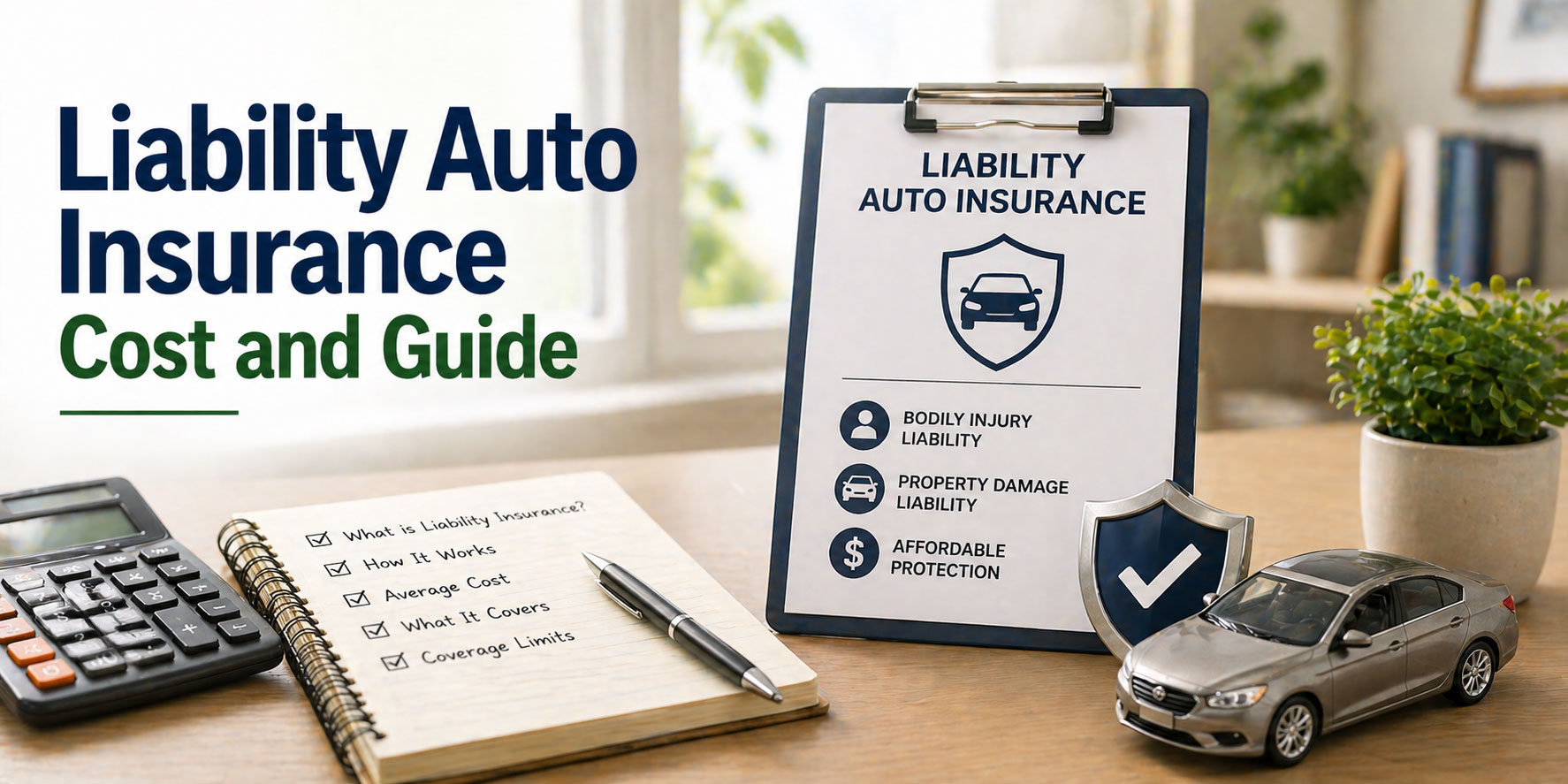
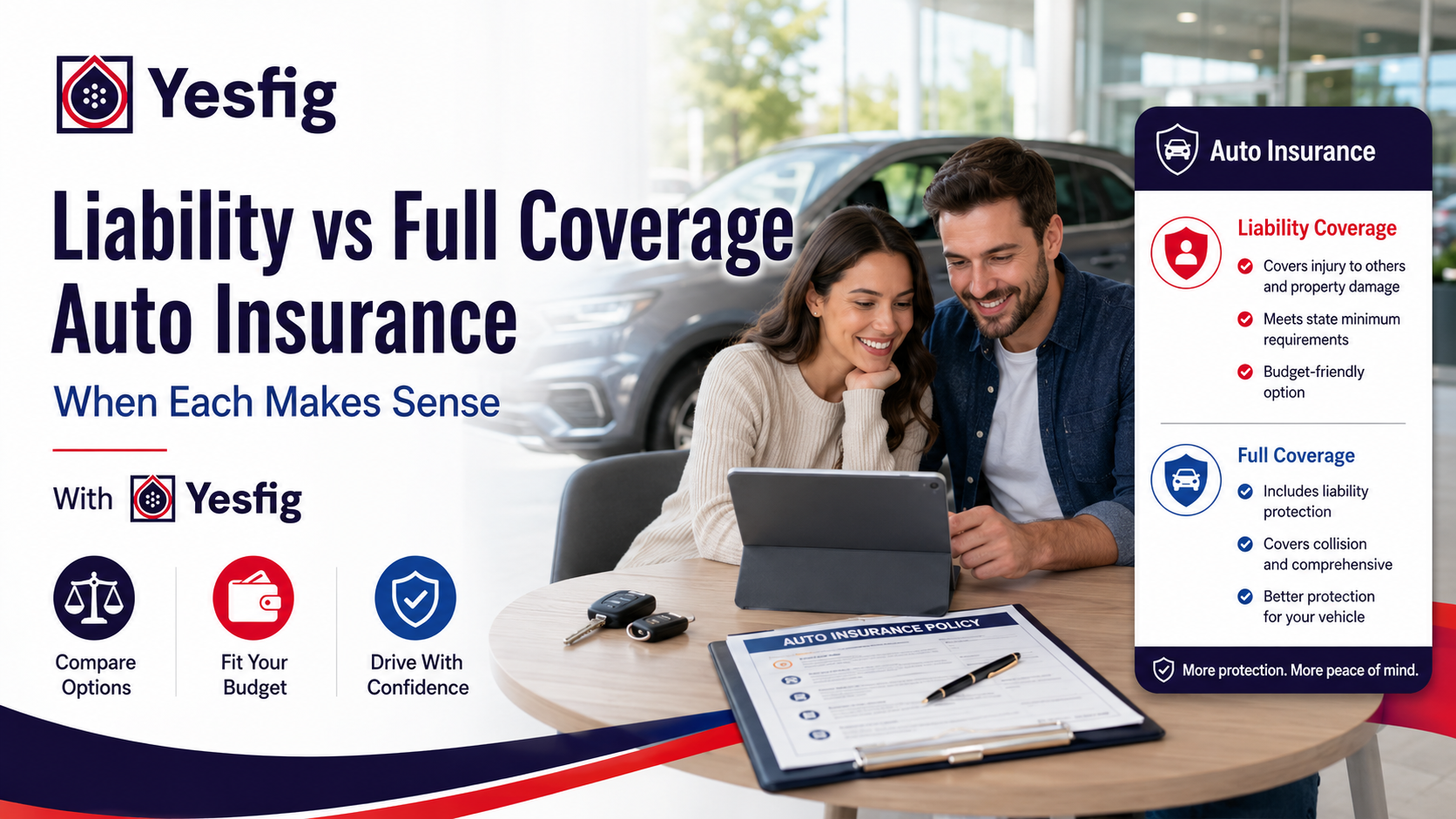
When an adult child remains on or is added to their parents' auto insurance policy, navigating the complex web of liability, state regulations, and financial responsibility requires a clear understanding of how insurance contracts operate. Auto insurance policies are fundamentally tied to the vehicle's garaging address, the registered owner, and the drivers listed on the declarations page. When an adult child—whether they are a college student living away from home, a recent graduate living in the basement, or an independent adult who never removed their name from the family policy—drives a vehicle, determining who bears financial and legal responsibility after an accident depends heavily on household residency, vehicle ownership, and policy definitions.
Insurance carriers generally evaluate risk based on household composition. Under standard underwriting guidelines, any licensed driver of legal driving age living in the same household must either be explicitly listed on the auto insurance policy or formally excluded. This rule exists because insurance companies calculate premiums based on statistical risk, including the age, driving history, and experience of everyone who has regular access to the insured vehicles. When an adult child is involved in a collision, understanding how primary liability shifts between the vehicle owner, the policyholder, and the driver is vital for protecting personal assets and ensuring claims are paid without dispute.
Understanding Household Residency and Driver Disclosure Rules
Insurance policies are legal contracts built on the principle of utmost good faith, requiring policyholders to disclose all material facts regarding who operates their vehicles. The definition of a resident relative is central to how insurers handle liability. A resident relative is typically defined as a person related by blood, marriage, or adoption who lives in the same household as the named insured. This includes adult children who have returned home after college, adult children working full-time while living with their parents, and elderly parents living with their children.
When an adult child establishes residency in the parents' home, insurance carriers usually mandate that they be added to the policy. Omitting a resident driver with regular access to the vehicle to secure a lower rate can be classified as material misrepresentation. If an accident occurs and the insurer discovers that an unlisted adult child living in the home was the regular driver, the insurance company may deny coverage for the claim, cancel the policy retroactively, or refuse to renew future coverage.
However, the scenario changes if the adult child lives at a different address, such as an apartment across town or a university dorm in another state. If an adult child maintains a permanent separate residence and only occasionally drives the parents' car when visiting for holidays or weekends, they are generally considered a permissive user rather than a resident relative. Permissive users are covered under the "omnibus clause" of standard auto insurance policies, which extends liability coverage to individuals driving the insured vehicle with the permission of the owner, provided they do not have regular or frequent access to the vehicle.
Vehicle Ownership vs. Policyholder Status
A common point of confusion regarding adult children on parents' auto insurance involves the distinction between who owns the vehicle and whose name appears on the insurance policy. Insurance underwriting rules generally dictate that the name on the auto insurance policy and the name on the vehicle title should match.
If a parent purchases a vehicle and keeps the title in their own name, it is legally and straightforwardly insurable under the parent's policy, even if the adult child is the primary driver of that specific vehicle. In this scenario, the parents are the named insureds, and the vehicle is an insured auto under their contract.
| Scenario | Vehicle Title Owner | Driver Residency | Insurance Policy Structure | Primary Liability Bearer |
|---|---|---|---|---|
| At-Home Adult Child | Parent | Lives with parents | Parents' Policy (Child listed) | Parent's Insurance (Primary) / Parent (Vicarious) |
| Away-at-School Child | Parent | Away at college | Parents' Policy (Child listed) | Parent's Insurance (Primary) |
| Independently Owned Car | Adult Child | Lives with parents | Parents' Policy (Improper) | Potential Coverage Denial |
| Separate Household Driver | Parent | Lives elsewhere | Parents' Policy (Occasional use) | Parent's Policy (Secondary/Permissive) |
Complications arise when the adult child purchases a vehicle with their own funds and places the title solely in their own name, but attempts to stay on the parents' auto insurance policy to take advantage of multi-car discounts or lower group rates. Most standard insurance carriers will not allow a vehicle owned by someone outside the household or an independent adult child with a separate title to be insured on a parent's policy. Doing so creates an insurable interest problem: the policyholder does not suffer a direct financial loss from the destruction of a vehicle they do not own. If an accident occurs with a vehicle titled to an adult child who is improperly scheduled on a parent's policy, the insurer may deny liability coverage entirely.
Liability Dynamics Following an Accident
When an adult child listed on a parent's policy gets into an accident, the structure of legal liability involves both tort law and contract law. Liability insurance is designed to pay for bodily injury and property damage that the driver causes to others. Because the policy is held by the parents, their insurance acts as the primary layer of coverage for accidents involving the listed vehicles.
Vicarious Liability and Parental Risk
In many jurisdictions, vehicle owners can be held vicariously liable for the negligence of anyone driving their vehicle with permission. This legal doctrine means that if a parent owns the car and insures it, they can be named as a co-defendant in a personal injury lawsuit resulting from an accident caused by their adult child. While state laws vary—some states cap owner liability or limit it to specific dollar amounts—the presence of an adult child on a parent's policy directly implicates the parents' financial standing.
Furthermore, if the damages resulting from an accident exceed the policy limits purchased by the parents, injured third parties can pursue the personal assets of the driver. If the adult child is over the age of eighteen, they are legally an adult, meaning their personal assets (such as bank accounts, future wages, or property) can be attached in a civil judgment. However, if the child has no assets, plaintiffs frequently target the vehicle owner and policyholder, making adequate liability limits essential.
Impact on Premium Rates and Policy Standing
Filing an at-fault accident claim under a parents' policy will almost invariably lead to a significant rate increase at the next renewal period. Insurance companies evaluate risk based on claims history. Even if the adult child is completely independent financially, an accident on a shared family policy affects the parents' premium and driving record with that carrier. In some cases, multiple claims or a severe accident caused by an adult child can result in the insurer issuing a notice of non-renewal for the entire household, forcing all family members to seek coverage in the high-risk or non-standard insurance market.
Financial and Legal Implications for College Students and Young Adults
Young adults transitioning into full independence face unique insurance challenges. For college students who live on campus during the academic year and return home during breaks, remaining on their parents' auto insurance is standard practice and fully compliant with underwriting guidelines, provided the student's permanent address remains the parental home.
However, distinct rules apply when a college student takes a vehicle to school out of state:
- Garaging Address Reporting: The insurance company must be informed of the vehicle's actual location during the school year. If a vehicle is garaged in a high-risk urban area while attending university, but is insured at the parents' suburban home address to secure a lower rate, the insurer can deny claims for misrepresentation.
- Away-at-School Discounts: Many insurers offer discounted rates if the student attends a school a certain distance away (typically 100 miles or more) and does not take a vehicle with them, reflecting the reduced exposure to daily traffic risks.
- Good Student Discounts: Insurers frequently provide rate reductions for full-time high school or college students who maintain a cumulative grade point average of B (3.0) or higher, helping offset the higher baseline costs associated with youthful drivers.
Strategies for Managing Risk and Transitioning to Independent Coverage
As adult children age, secure stable employment, and establish independent households, maintaining them on a parent's auto insurance policy becomes legally and operationally untenable. Transitioning away from the family policy requires careful planning to avoid coverage gaps.
- Evaluate Independence Milestones: Once an adult child moves out permanently, purchases their own home or apartment lease, and buys a vehicle titled in their own name, they must establish an independent auto insurance policy immediately.
- Shop for Dedicated Policies: Independent policies allow young adults to build their own insurance score and driving history, which lowers long-term rates. Bundling renters insurance with a standalone auto policy often yields multi-policy discounts.
- Utilize Umbrella Policies: For affluent families where adult children remain in the household or drive family-owned vehicles, purchasing a personal umbrella liability policy provides an extra layer of protection (typically $1 million to $5 million in coverage) above standard auto limits, shielding family assets from catastrophic judgments.
- Formalize Policy Exclusions: If an adult child lives in the same household but has their own vehicle and insurance, parents can formally exclude that child from their policy. This ensures the insurer does not rate the parents' vehicles based on the child's driving record, though it legally prohibits the child from ever driving the parents' vehicles. If an excluded driver operates the vehicle and causes an accident, the insurance company will deny all coverage.
Frequently Asked Questions
Can an adult child stay on my auto insurance if they do not live with me?
Generally, no. Insurance policies require that named insureds and resident relatives live at the address listed on the declarations page. If an adult child moves into their own permanent residence, they must secure their own auto insurance policy, even if they are still listed as a dependent on your federal tax return.
What happens if an adult child gets into an accident in a car titled in their own name but insured under my policy?
This creates a severe coverage issue. Most insurance carriers will deny the claim because the policyholder lacks an insurable interest in a vehicle they do not own. Furthermore, insuring a vehicle owned by someone outside the household can be investigated as insurance fraud or material misrepresentation.
Does my liability protect my adult child if they rent a car?
Standard auto insurance policies extend liability and physical damage coverage to rented passenger vehicles, provided the named insured or resident relative is listed on the rental agreement. However, if the adult child has moved out and established a separate household, they are no longer covered as a resident relative under your policy's rental car provisions.
Will my insurance rates increase if my adult child gets a speeding ticket?
If the adult child is listed as a driver on your policy, their motor vehicle record updates are factored in at every policy renewal. Traffic violations, speeding tickets, and at-fault accidents attributed to any listed driver will impact the overall household premium.
Is it cheaper for an adult child to stay on a parent's policy or get their own?
While younger drivers benefit from multi-car discounts and the higher tier pricing available on established family policies, rates eventually spike once the insurer realizes the driver is independent or living elsewhere. Establishing an independent policy early helps young adults build an individual insurance score, which yields lower rates over time than remaining indefinitely on a family plan.
Securing proper auto insurance coverage requires transparent communication with insurance providers regarding household members, vehicle titles, and primary garaging locations. Reviewing policy declarations annually ensures that adult children are correctly categorized, protecting both family assets and legal standing on the road.