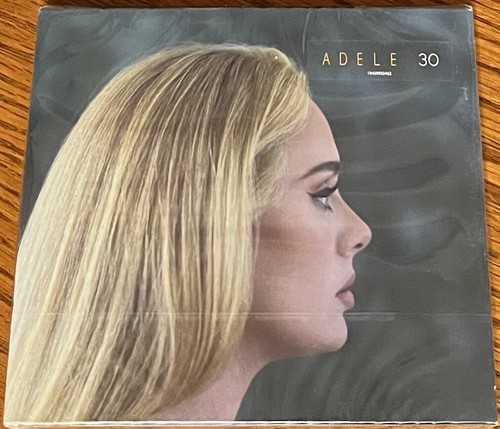
Adele names her albums after her age during the period she wrote and recorded them, creating a chronological map of her life and emotional evolution. These numeric titles—19, 21, 25, and 30—function as personal diaries, capturing specific milestones ranging from teenage heartbreak and global superstardom to motherhood and divorce.
The Significance of Age as a Narrative Framework
When examining Adele’s discography in context, the first thing to understand is that the numbers are not merely labels; they are temporal markers. While many artists choose titles based on a lead single or a poetic concept, Adele’s decision to use her age establishes a direct, unfiltered connection between her personal development and her art. This naming convention allows the listener to track her growth not just as a vocalist, but as a woman navigating the complexities of fame and adulthood.
As of 2026, looking back at the complete body of work, these numbers represent more than years lived; they represent "eras" of human experience. By tethering her music to her age, Adele removes the mystery of the "inspiration" behind her lyrics. When you listen to 21, you are listening to the exact emotional frequency of a 21-year-old processing a life-altering breakup. This transparency is a cornerstone of her brand and a primary reason for her deep resonance with a global audience.
19: The Introduction of a Soulful Prodigy (2008)
The debut album, 19, released in 2008, introduced the world to a voice that sounded decades older than its owner. In the context of the late 2000s music scene—which was dominated by high-gloss synth-pop and R&B—19 was an anomaly.
The Musical and Personal Landscape
At 19, Adele was a graduate of the BRIT School, influenced heavily by Etta James and Roberta Flack. The title 19 reflects a period of "firsts." It was the age when she first experienced the sting of a serious relationship ending, particularly evidenced in "Chasing Pavements." The context of this album is one of youthful observation. Songs like "Hometown Glory," written when she was just 16 but included in the 19 sessions, showcase her connection to her roots in West London.
The Critical Context
For the industry, 19 was the catalyst for the "British Invasion" of the late 2000s. It wasn't just about the music; it was about the authenticity of a teenager who didn't fit the typical "pop star" mold of the era. The numeric title set a precedent: it told the listener exactly where she was in her journey, a theme she would continue for the next decade and a half.
21: The Global Phenomenon and the Breakup Blueprint (2011)
If 19 was a promising introduction, 21 was a cultural earthquake. Released in 2011, this album solidified the numeric naming convention as a hallmark of her career. The context of 21 is defined by a singular, devastating heartbreak that Adele has described as the "rubicon" of her life.
Deep Dive into the Themes of 21
The album focuses on the transition from the end of a relationship to the realization of loss. At 21, Adele moved away from the more "indie-soul" sound of her debut toward a richer, more American-influenced palette of blues, country, and gospel. Working with producers like Rick Rubin, she leaned into the raw emotional power of her voice.
In context, 21 represents a period where Adele’s personal life and professional life were in total opposition. While her career was reaching unprecedented heights—becoming one of the best-selling albums of all time—her personal life was defined by the absence of the person she wrote the songs about. This irony is what gives 21 its enduring weight.
The Cultural Impact of the Number
By the time 21 had finished its chart run, the number itself had become a shorthand for "the ultimate breakup album." The context of the title shifted from being just her age to being a standard against which other emotional records were measured.
25: Motherhood, Nostalgia, and "Hello" (2015)
After a four-year hiatus, Adele returned with 25. The context of this album was significantly different from its predecessor. No longer a heartbroken youth, the Adele of 25 was a mother and a global icon facing the pressures of following up a "once-in-a-career" success.
The Shift from Breakup to "Make-up"
Adele famously described 25 as a "make-up" record—making up for lost time and making up with herself. The age 25 was a turning point where she felt she was truly becoming an adult. The lead single "Hello" served as a bridge between her younger self and her current reality.
In the context of her life, 25 captures the nostalgia for her pre-fame life. Songs like "When We Were Young" and "Million Years Ago" grapple with the bittersweet realization that life had changed irrevocably. The album also reflects the stability she found in her relationship with Simon Konecki and the birth of her son, Angelo. The numeric title here represents a stabilization of her identity.
Production and Reception Context
Technically, 25 saw Adele experimenting with more modern pop structures, working with Max Martin and Shellback. The title 25 signaled to the audience that while she had grown and her circumstances had changed, her commitment to the "snapshot in time" format remained.
30: Divorce, Accountability, and the Explanatory Note (2021)
30 is arguably the most complex album in Adele’s discography. Released in 2021, the title refers to the year she married, then separated from, her husband. In context, 30 is an album of accountability and self-examination.
The Most Personal Chapter
While her previous albums often looked outward at how others had hurt her, 30 looks inward. Adele has stated that she wrote the album to explain her divorce to her son when he grows older. This gives the title 30 a heavy, pedagogical context. It isn't just about her age; it’s about a specific "Saturn Return" period of upheaval.
The music on 30 moved into jazz-inflected territory and soul-baring voice notes (as heard on "My Little Love"). The context of its release was also unique, coming out as the world emerged from the COVID-19 pandemic, a time when audiences were particularly hungry for deep emotional connection.
The "End" of the Numeric Tradition?
During the promotion for 30, Adele suggested that this might be the last time she names an album after her age. This adds a layer of finality to the title. In context, 30 serves as the conclusion of her "youthful trilogy," moving into a more seasoned phase of her life and career.
Comparison of Adele’s Album Eras
To understand these titles in context, it is helpful to see how the themes and musical styles evolved alongside her age.
| Album Title | Release Year | Age Recorded | Primary Theme | Key Musical Style |
|---|---|---|---|---|
| 19 | 2008 | 18–19 | Youthful angst, first love | Acoustic Soul, Folk-Pop |
| 21 | 2011 | 20–21 | Heartbreak, resilience | Blues-Soul, Roots |
| 25 | 2015 | 24–25 | Nostalgia, motherhood | Contemporary Pop, Soul |
| 30 | 2021 | 30–33 | Divorce, self-redemption | Jazz-Soul, Gospel, Pop |
The "Time Lag" Phenomenon
One point of confusion for many listeners is the gap between the album title and the release date. For example, 30 was released when Adele was 33. This "time lag" is an essential part of the context of her work.
Adele has explained that the title represents the age she was when the feelings of the album were most potent. The delay in release—often caused by her meticulous writing process, personal life events, or industry logistics (like the 2021 vinyl production shortage)—means that by the time the public hears the album, Adele has often "outgrown" the version of herself she is singing about.
This creates a unique dynamic during her live performances. In 2026, as she performs songs from 21 or 25, she is essentially performing a "musical time capsule." The context of the title reminds the audience that she is sharing a specific, past version of her psyche.
Branding and the Industry Impact
Beyond the personal meaning, the "Adele album title" has become a powerful piece of intellectual property. The simplicity of the numbers creates a clean, recognizable brand that stands out on streaming platforms and physical shelves.
Influence on Other Artists
Adele’s success with numeric titles has influenced how the industry views "era-based" branding. While other artists have used numbers (e.g., Beyonce’s 4), none have tied them so strictly to a chronological age-based narrative. In the context of 2026, music historians point to Adele as the artist who popularized the "life-chapter" approach to album titling, encouraging a shift away from abstract titles toward more autobiographical ones.
The Future: Beyond the Numbers?
As we look at Adele’s position in 2026, the question of her next album title remains a topic of significant speculation. If she moves away from the numeric tradition, it will signal a major shift in her artistic philosophy.
Possible Directions
- A Traditional Title: Moving to a conceptual name would suggest that she no longer feels the need to anchor her work to a specific age, perhaps seeking more creative freedom.
- A Continued Hiatus: Adele has often emphasized that she only releases music when she has something to say. The "context" of her next title will depend entirely on whether she feels she has entered a new distinct age-bracket of experience (e.g., 40).
Regardless of what she chooses, the four albums 19, 21, 25, and 30 will forever stand as a cohesive set—a numeric map of a woman’s journey through the most transformative years of her life.
Frequently Asked Questions
Why does Adele name her albums after her age?
Adele uses her age as a title because her albums serve as "snapshots" or diaries of her life at those specific times. She has stated that the numbers represent the age she was when she experienced the core emotions and events that inspired the songs.
Is "30" the last album named after a number?
During her 2021 interviews, Adele mentioned that she might stop using her age for album titles. She felt that 30 was a significant turning point and that she might want to move on from the convention to avoid feeling restricted by it.
Why are there such long gaps between her albums?
The gaps are due to Adele’s commitment to living a "normal" life to find inspiration for her songs. She has also prioritized her family, particularly her son, and has dealt with vocal health issues and the logistical challenges of large-scale tours and album production.
Does the title "21" refer to the year 2021?
No, the album 21 was released in 2011 and refers to her age at the time she wrote the album. Her album released in 2021 was titled 30.
Which album title is the most successful?
In terms of commercial sales and cultural impact, 21 remains the most successful, having won multiple Grammys and becoming one of the highest-selling albums in history. However, 25 also broke numerous first-week sales records.
Practical Guidance for Listeners
To truly appreciate Adele’s album titles in context, it is recommended to listen to the discography in chronological order. Pay attention to the shift in vocal texture and lyrical maturity from 19 to 30.
- Start with 19: Focus on the "raw" quality of her voice and the themes of teenage discovery.
- Move to 21: Listen for the shift to a soul-powerhouse sound and the intense focus on heartbreak.
- Analyze 25: Notice the themes of nostalgia and the technical polish of the production.
- End with 30: Listen to the voice notes and the vulnerability regarding her divorce and parenting.
By following this sequence, the numbers cease to be just digits and become a profound narrative of human growth and resilience.