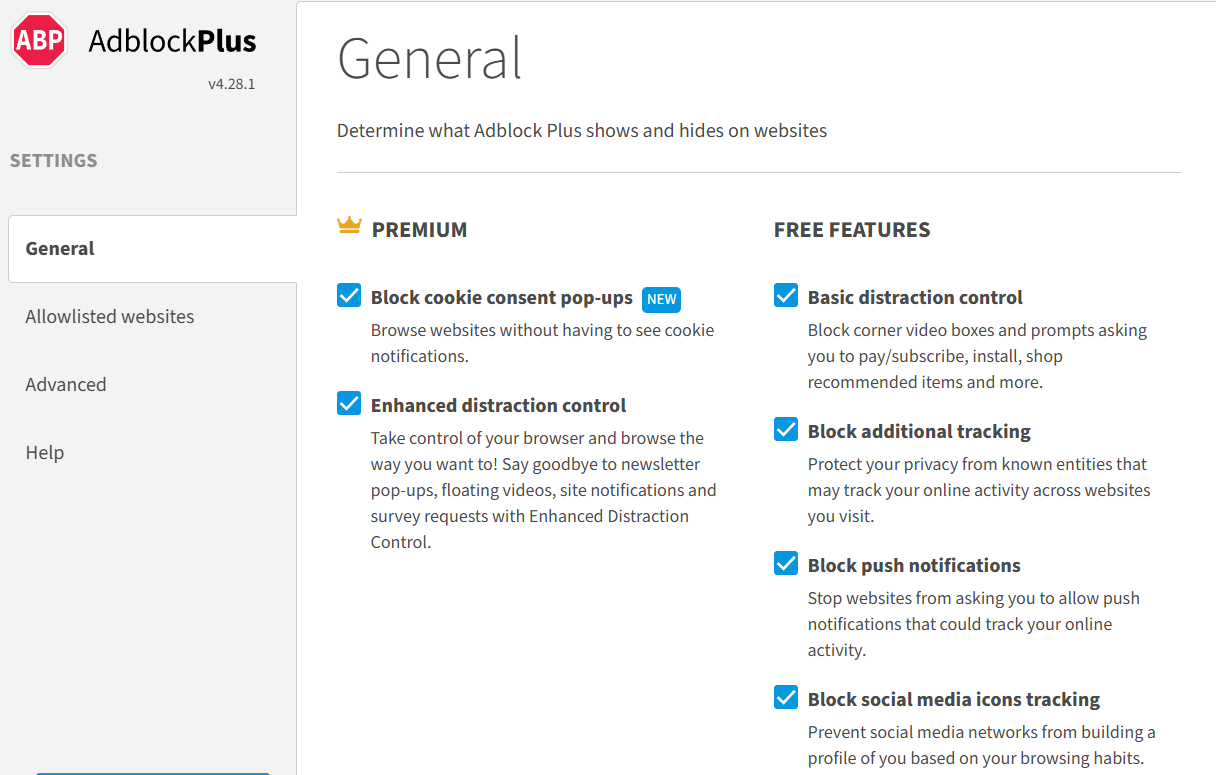
Determining the precise net worth of the company behind Adblock Plus, Eyeo GmbH, is complex because it is a privately held corporation that does not publicly disclose detailed financial statements. However, insights can be drawn from its strategic acquisitions, the broader ad-blocking market valuation, and its profitable “Acceptable Ads” business model.
Understanding the Business Behind Adblock Plus
To comprehend the financial scale of Adblock Plus, one must look past the consumer-facing browser extension and examine Eyeo GmbH, the parent company responsible for its development and commercialization. Founded in 2011 and headquartered in Cologne, Germany, Eyeo operates within the digital privacy and ad-filtering niche. While the core extension is distributed freely to hundreds of millions of users worldwide across major web browsers like Google Chrome, Mozilla Firefox, Microsoft Edge, and Safari, the corporate entity sustains itself through a carefully constructed business model that monetizes large-scale compliance.
The digital advertising ecosystem relies heavily on ad delivery to fund web content, but intrusive formats such as autoplay videos, flashing banners, and tracking scripts have driven users toward blocking solutions. Eyeo positioned itself at the center of this tension. Rather than acting purely as an ideological opponent to the advertising industry, Eyeo engineered a commercial ecosystem that bridges the gap between ad-blocking users and compliant publishers.
Evaluating the company's financial footprint requires looking beyond simple software revenue. It involves analyzing venture investments, corporate acquisitions, structural shifts in ad tech, and the broader valuation of browser extensions in the global digital economy. Because private companies in Germany are not subject to the same rigorous, transparent quarterly reporting standards as publicly traded corporations on U.S. exchanges, precise valuation figures must be synthesized from industry reports, funding announcements, and macroeconomic assessments of the ad-filtering market.
The Economics of Ad-Filtering: How Eyeo Generates Revenue
A common misconception among everyday internet users is that open-source or free ad-blocking tools generate no revenue. While individual developers often rely on donations, enterprise-grade operations like Eyeo GmbH employ sophisticated monetization strategies that ensure multi-million-dollar cash flows. The primary engine behind this revenue is the Acceptable Ads initiative, a framework that establishes standards for non-intrusive, user-respectful advertising.
The Acceptable Ads Initiative
Launched in 2011, the Acceptable Ads standard allows certain advertisements to bypass the filter if they meet strict criteria regarding placement, size, and distinction from core editorial content. For smaller websites and blogs, participation in the Acceptable Ads whitelist is entirely free. However, for large entities—defined as websites serving a massive volume of ad impressions per month—Eyeo levies licensing fees.
These large tech corporations, ad networks, and major publishers pay Eyeo a percentage of the additional revenue they recover by having their non-intrusive ads displayed to ad-block users. This arrangement has drawn scrutiny from critics who argue it creates a "pay-to-play" dynamic, effectively turning ad-blockers into gatekeepers of web traffic. Nevertheless, this revenue-sharing model forms the backbone of Eyeo’s commercial viability, turning a consumer advocacy tool into a highly lucrative enterprise.
Diversification and Portfolio Expansion
Beyond the flagship Adblock Plus extension, Eyeo expanded its technological footprint through internal development and external acquisitions. The company manages other privacy and anti-tracking tools, such as the privacy-focused browser extension Privacy Badger (developed in partnership with the Electronic Frontier Foundation for specific integrations) and AdBlock (a separate, widely used extension acquired by Eyeo in 2015). By consolidating multiple dominant tools under one corporate umbrella, Eyeo captured a significant percentage of the global desktop and mobile ad-filtering market share. This market consolidation enhanced its negotiating power with large publishers and advertising exchanges.
Investment History and Corporate Valuations
Because Eyeo GmbH is privately owned, its exact net worth or market capitalization cannot be pulled from a live stock ticker. Financial analysts typically estimate the company's worth based on historical funding milestones, private equity interest, and comparisons with similar software-as-a-service (SaaS) and privacy technology firms.
| Funding Phase / Milestone | Estimated Value / Investment Size | Key Corporate Implication |
|---|---|---|
| Initial Bootstrap Phase | Self-funded / Minimal Capital | Early development driven by open-source contributors and community donations. |
| Acceptable Ads Scale-Up | Multi-Million Revenue Generation | Transition from volunteer project to a structured commercial entity with steady cash flow. |
| Wagestream / Major Investment | Undisclosed Institutional Funding | Strategic capital injections to scale operations, expand mobile support, and fund legal defenses. |
| AdBlock Acquisition (2015) | Undisclosed Multi-Million Figure | Consolidation of top-tier market competitors under Eyeo GmbH. |
| AdGuard / Competitor Benchmarks | Estimated Enterprise Value ($50M–$200M+) | Industry peer valuation models based on user base size and subscription/licensing models. |
Institutional investors and venture capital firms recognize that ad-blocking and privacy tools represent resilient business sectors. As global privacy regulations—such as the European Union's General Data Protection Regulation (GDPR) and the California Consumer Privacy Act (CCPA)—tighten restrictions on data collection, consumer demand for tracker-blocking and ad-filtering software continues to accelerate. Consequently, Eyeo’s enterprise valuation has grown substantially since its inception, reflecting both its robust user base and its unique monetization channel.
Legal and Regulatory Pressures Impacting Valuation
A comprehensive financial analysis of Eyeo GmbH must account for external liabilities and operational risks, particularly ongoing legal battles. The company's business model—specifically the Acceptable Ads whitelist—has faced intense scrutiny and numerous lawsuits from major media publishers, particularly in Germany.
Publishers have argued that Eyeo's practice of charging large companies to bypass ad-blocking filters constitutes unfair competition, digital extortion, or an abuse of a dominant market position. Over the years, major German media conglomerates, including Axel Springer and RTL, launched multiple lawsuits against Eyeo GmbH, seeking to ban ad-blocking technology entirely or disrupt the Acceptable Ads licensing revenue stream.
Key Legal Outcomes
- German Federal Supreme Court Rulings: Multiple rulings by German courts, including the Federal Supreme Court, have consistently ruled in favor of Eyeo GmbH. The courts determined that providing ad-blocking software to consumers is legal and protected under freedom of expression and consumer autonomy, and that the Acceptable Ads model does not constitute illegal market manipulation.
- Economic Stability: These favorable legal precedents solidified Eyeo’s financial standing, removing existential regulatory threats that could have otherwise decimated its corporate net worth. Winning these lawsuits protected its revenue-sharing model and provided investor confidence.
Market Comparison: Eyeo vs. Competitors
To contextualize Eyeo’s net worth and market standing, it is helpful to examine how Adblock Plus compares to other prominent privacy and ad-blocking solutions in the digital ecosystem.
| Product / Company | Primary Monetization Strategy | Estimated Market Position | Notable Features |
|---|---|---|---|
| Adblock Plus (Eyeo GmbH) | Acceptable Ads licensing, donations, enterprise partnerships | Market leader in user reach; high commercial revenue | Extensive whitelisting options, multi-browser support, mobile apps |
| uBlock Origin | 100% Open-source, strictly donation-based | Dominant among technical users for efficiency | Lightweight resource usage, advanced filtering lists, no commercial monetization |
| AdGuard | Paid subscriptions, software licenses, enterprise solutions | Strong competitor in premium consumer software | System-wide ad blocking, integrated VPN, parental controls |
| Brave Browser | Proprietary ad network (Brave Ads) and cryptocurrency tokens | Major ecosystem player | Native ad-blocking integrated directly into the browser core |
While open-source projects like uBlock Origin operate without commercial profit motives, commercial entities like Eyeo GmbH and AdGuard capture significant capital by providing structured support, enterprise-grade capabilities, and consumer-friendly interfaces that appeal to non-technical demographics.
Frequently Asked Questions
Is Adblock Plus a publicly traded company?
No, Adblock Plus is developed by Eyeo GmbH, which is a privately held company based in Germany. Because it is private, its shares are not traded on any public stock exchange, and it is not legally required to publish detailed financial balance sheets or exact net worth figures.
How does Adblock Plus make money if it is free?
While the core ad-blocking service is free for everyday users, Eyeo GmbH generates substantial revenue through the Acceptable Ads initiative. Large corporations, major publishers, and ad networks pay licensing fees to have their non-intrusive advertisements whitelisted and displayed to users who utilize the extension.
Who owns Eyeo GmbH?
Eyeo GmbH was founded by Till Faida and Vladimir Palant in 2011. Over the years, the company has undergone various structural changes, including acquisitions (such as acquiring the separate AdBlock extension in 2015) and accepting strategic private equity investments to fuel its global expansion.
Are ad-blocking companies profitable?
Yes, established ad-blocking companies with large user bases and commercial monetization channels—such as Eyeo GmbH and the developers behind AdGuard—generate millions in annual revenue. Their profitability stems from enterprise licensing, premium subscriptions, and partnerships within the digital marketing and privacy technology sectors.
Can website owners bypass Adblock Plus for free?
Yes. Smaller blogs, independent publishers, and non-commercial websites can apply to have their advertisements included in the Acceptable Ads whitelist entirely free of charge, provided their ads meet specific design, placement, and size criteria established by Eyeo. Fees only apply to large corporate entities that exceed specific traffic thresholds.
Conclusion and Strategic Outlook
While a single, verified dollar amount for the net worth of Eyeo GmbH is kept private, available industry indicators demonstrate that the company commands a multi-million-dollar valuation driven by a resilient business model. By transforming consumer ad-blocking preferences into a standardized compliance framework through Acceptable Ads, Eyeo carved out a dominant, profitable niche in digital privacy. For digital marketers, publishers, and privacy advocates alike, understanding the financial and legal mechanics behind Adblock Plus remains essential for navigating the modern web economy.