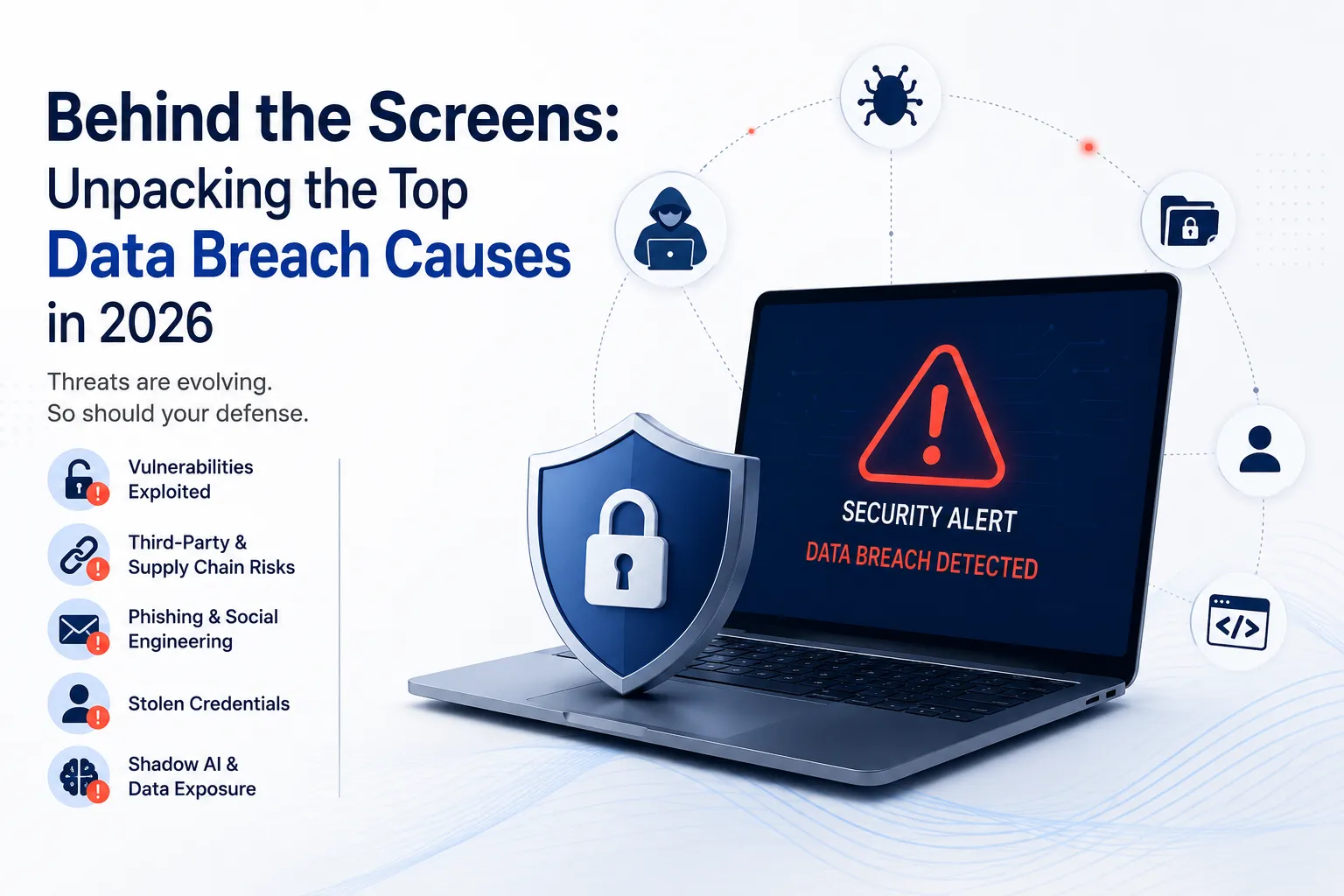
When managing a data breach in Ada, Ohio or surrounding Hardin County, your business must choose between in-house remediation, managed service provider (MSP) support, specialized legal counsel, and third-party digital forensics. Ohio law dictates specific notification timelines under Ohio Revised Code § 1349.19 and offers legal safe harbor protections under Ohio Revised Code Chapter 1354 for businesses adopting recognized cybersecurity frameworks.
Disambiguating Local Jurisdiction: Ada, Ohio vs. Ada County
When researching data breach regulations and vendor choices, businesses often encounter name overlap between Ada, Ohio (a municipality located in Hardin County, Ohio) and Ada County (located in Idaho).
- Ada, Ohio (Hardin County): Local businesses operating in or near the Village of Ada—including commercial enterprises, healthcare providers, and subcontractors serving regional institutions—are subject to Ohio state statutes, federal privacy mandates, and regional emergency management guidelines.
- Ada County, Idaho: Businesses located in Ada County, Idaho fall under Idaho state laws (such as Idaho Code § 28-51-104) and Ninth Circuit judicial precedents.
This guide focuses on the legal obligations, strategic choices, and incident response frameworks applicable to enterprises operating in Ada, Ohio and Hardin County. If your business operates across state lines, you must comply with the breach notification statutes of every state where affected residents reside.
Key Ohio Data Breach Laws Governing Your Business
Understanding your legal posture before an incident occurs allows your business to choose the correct technical controls and advisory partners. Ohio maintains two primary statutes that shape commercial data breach management.
- OHIO CYBERSECURITY LEGAL FRAMEWORK
- ORC § 1349.19 (Breach Law)
- Mandatory breach notification
- Expeditious timeframe (<= 45d)
- Applies to unencrypted PII
- ORC Chapter 1354 (Safe Harbor)
- Voluntary cybersecurity framework
- Affirmative defense in tort
- Requires NIST/CIS/ISO compliance
- ORC § 1349.19 (Breach Law)
Ohio Revised Code § 1349.19: Data Breach Notification Requirements
Ohio’s breach notification statute requires any person or business conducting business in Ohio that owns or licenses computerized data containing personal information to disclose any breach of security to affected Ohio residents.
- Definition of Personal Information (PII): An individual's first name or first initial and last name, combined with one or more unencrypted data elements:
- Social Security number
- Driver's license number or state identification card number
- Financial account, credit card, or debit card number in combination with any required security code, access code, or password
- Notification Timelines: Disclosure must occur in the most expedient time possible, but no later than 45 days after discovering or receiving notice of the breach. Delay is permitted only if a law enforcement agency determines that notification will impede a criminal investigation.
- Substitute Notification: If the cost of providing direct written or electronic notice exceeds $250,000, or the affected class exceeds 500,000 individuals, businesses may utilize substitute notice (conspicuous web posting, statewide media broadcast, and email notice).
Ohio Data Protection Act (ORC Chapter 1354): Cybersecurity Safe Harbor
Enacted under Senate Bill 220, Ohio was the first state in the nation to create an affirmative defense against tort claims for businesses that suffer a data breach. To qualify under ORC § 1354.01–1354.05, a business must create, maintain, and comply with a written cybersecurity program that reasonably conforms to an industry-recognized cybersecurity framework.
Eligible frameworks include:
- NIST Cybersecurity Framework (CSF) or NIST Special Publications 800-171 / 800-53
- Center for Internet Security (CIS) Critical Security Controls
- ISO/IEC 27000 Series
- HIPAA / Security Rule Frameworks (for covered health entities)
- PCI DSS (for payment card processing data)
If an affected party sues an Ada, Ohio business alleging negligent security controls, proving compliance with one of these written frameworks provides an affirmative defense under Ohio law.
Federal Regulatory Overlays
Local businesses must evaluate federal obligations alongside state statutes:
- HIPAA / HITECH Act: Medical facilities, pharmacies, and healthcare contractors in Hardin County must notify the U.S. Department of Health and Human Services (HHS) Office for Civil Rights and affected individuals within 60 days of breach discovery.
- Gramm-Leach-Bliley Act (GLBA) Safeguards Rule: Financial firms, tax preparers, and credit institutions must maintain strict access controls and notify the FTC of security events affecting 500 or more consumers within 30 days.
- FTC Act Section 5: Broadly penalizes unfair or deceptive trade practices, including failing to maintain reasonable data security measures.
Strategic Data Breach Response Choices for Local Businesses
When a breach occurs—or during pre-incident risk modeling—an Ada business must evaluate five primary response choices.
- FIVE CORE DATA BREACH MANAGEMENT CHOICES
- Technical Response: In-House IT vs. MSP vs. Retained DFIR Experts
- Legal Advisory: General Counsel vs. Specialized Cyber Breach Counsel
- Forensic Investigation: Operational Remediation vs. Formal Evidence Chain
- Risk Transfer: Standard Commercial Policy vs. Dedicated Cyber Insurance
- Communications: Direct Notification vs. Third-Party Managed Breach Portals
1. In-House Incident Handling vs. Managed Security Service Providers (MSSPs)
Small to mid-sized businesses (SMBs) in Hardin County often rely on internal IT staff or regional IT contractors.
- In-House Handling: Best suited for minor, contained operational issues (e.g., an isolated employee device lost without exposed PII). In-house teams often lack specialized forensic tooling to verify whether threat actors performed lateral movement or exfiltrated unencrypted data.
- Regional MSP / MSSP Support: Engaging a regional Managed Security Service Provider offers 24/7 endpoint detection and response (EDR), log retention, and network isolation capabilities. When selecting an MSP, ensure their service level agreement (SLA) defines breach response response times and forensic collection standards.
2. Legal Breach Counsel and Attorney-Client Privilege
Engaging external breach counsel (often referred to as a "breach coach") is critical immediately following a suspected intrusion.
- Preserving Privilege: If internal IT or an independent vendor drafts a forensic report directly for management, that report may become discoverable in civil litigation. When specialized breach counsel retains the forensic firm on the business's behalf, investigative findings are protected under attorney-client privilege and the work-product doctrine.
- Statutory Compliance: Counsel evaluates whether access to data constituted actual "acquisition" under ORC § 1349.19, preventing unnecessary public notifications while ensuring statutory compliance when disclosure is mandatory.
3. Digital Forensics and Incident Response (DFIR) Engagements
Digital forensics firms determine the entry vector, duration of unauthorized access, scope of compromised databases, and specific identity records impacted.
- Scoping the Investigation: Specialized DFIR firms perform memory analysis, forensic disk imaging, log reconstruction, and active directory audits.
- Choice Criteria: Businesses in Ada should ensure their selected DFIR provider can issue formal root-cause reports suitable for submission to cyber insurance carriers, regulatory agencies, and law enforcement.
4. Cyber Insurance Policies and Panel Vendors
Cyber insurance policies provide financial risk transfer, covering business interruption costs, ransom demands (where lawful), legal fees, customer notifications, and regulatory fines.
- Panel Vendor Constraints: Most insurance policies require policyholders to use pre-approved "panel" vendors for legal counsel, forensics, and notification services.
- Prior Authorization Requirements: Engaging a non-panel vendor without prior insurer approval can lead to denied claims. Review your policy’s incident notification protocols before an emergency occurs.
5. Notification and Credit Monitoring Provisioning
When unencrypted PII or sensitive financial data is compromised, your business must choose how to notify affected individuals and provide identity protection services.
- Self-Managed Mailings: For small incidents affecting fewer than 50 individuals, direct certified mail with return receipt may be cost-effective.
- Third-Party Breach Management Vendors: For larger incidents, specialized vendors issue breach notifications, staff dedicated call centers to handle consumer inquiries, and offer 12- to 24-month credit monitoring services (such as Experian, Equifax, or TransUnion monitoring) to mitigate consumer harm and litigation risk.
Practical Incident Response Protocol for Ada and Hardin County Employers
Following a structured protocol ensures that your business satisfies Ohio legal requirements while preserving operational continuity.
- STEP 1: Immediate Containment
- STEP 2: Legal Counsel & Incident Coach
- STEP 3: Forensics & Evidence Capture
- STEP 4: Statutory Threshold Review
- STEP 5: Law Enforcement Coordination
- STEP 6: Multi-Channel Notifications
- POST-INCIDENT: Safe Harbor Framework Audit
Step 1: Immediate Containment and System Isolation
- Isolate Network Segments: Disconnect affected servers, workstations, and local network switches from the internet. Do not power off devices unless instructed by forensic specialists, as powering down clears volatile RAM evidence.
- Revoke Compromised Credentials: Terminate active remote desktop protocol (RDP) sessions, reset all global administrative accounts, and enforce multi-factor authentication (MFA) across all cloud services (e.g., Microsoft 365, Google Workspace).
Step 2: Retain Legal Counsel and Notify Insurance
- Notify Insurer: Report the event to your cyber insurance claim portal immediately.
- Engage Breach Counsel: Utilize insurer panel counsel or external privacy attorneys to oversee the response under legal privilege.
Step 3: Evidence Preservation and Forensic Analysis
- Preserve System Logs: Secure firewall logs, VPN authentication records, cloud audit trails, and domain controller event logs.
- Determine Data Access vs. Exfiltration: DFIR engineers analyze whether threat actors merely deployed ransomware or actively exfiltrated unencrypted sensitive files.
Step 4: Assess Notification Thresholds under ORC § 1349.19
- Evaluate Encrypted Status: If stolen data was encrypted using industry-standard algorithms and the decryption keys were not compromised, notification may not be legally required under Ohio law.
- Quantify Impacted Population: Determine how many affected individuals reside in Ohio and other jurisdictions to calculate compliance timelines.
Step 5: Law Enforcement and Regulatory Coordination
- Local Law Enforcement: Contact the Ada Police Department or Hardin County Sheriff’s Office for local crime documentation.
- Federal Authorities: File a complaint with the Federal Bureau of Investigation (FBI) Internet Crime Complaint Center (IC3) or contact the FBI Cleveland Field Office. Reporting to federal law enforcement establishes official documentation and can pause state breach notification timelines if an active investigation demands confidentiality.
- State Regulators: If required by specific sector regulations, notify the Ohio Attorney General’s Office or relevant state licensing boards.
Step 6: Multi-Channel Breach Notification Execution
- Draft clear notification letters disclosing:
- Description of the incident and date of occurrence.
- Types of personal information involved.
- Actions taken by the business to contain the breach.
- Advice to affected individuals on monitoring credit reports and placing fraud alerts.
- Toll-free contact information for consumer inquiries.
Operational Comparison of Data Breach Management Pathways
Choosing the right response model depends on your business size, regulatory profile, and internal capabilities. The table below compares four operational approaches available to Ada and Hardin County businesses.
| Incident Management Pathway | Primary Target Use Case | Relative Cost & Financial Risk Profile | Ohio Legal & Safe Harbor Protection | Key Operational Prerequisites |
|---|---|---|---|---|
| In-House IT / DIY Handling | Isolated, low-severity internal incidents with no external PII exposure. | Low upfront cost; extremely high legal liability if PII exfiltration is missed. | Minimal. Does not satisfy ORC 1354 safe harbor standards without formal framework evidence. | Internal sysadmins, written incident plans, offline backup systems. |
| Regional MSP / Local IT Partner | Operational recovery, network rebuilding, and standard system monitoring for SMBs. | Moderate predictable monthly retainer; variable event-based remediation fees. | Moderate. Depends on whether the MSP implements a recognized framework (NIST/CIS). | Formalized Service Level Agreement (SLA), log retention policies, clear liability limits. |
| Specialized Cyber Breach Counsel & DFIR Firm | Confirmed data exfiltration, ransomware attacks, or incidents involving regulated PII/PHI. | High short-term operational cost; typically covered by cyber insurance policies. | High. Maximizes privilege and ensures full compliance with ORC § 1349.19 timelines. | Retainer agreements, established escalation pathways, insurance carrier approval. |
| Full Insurance-Led Panel Retainer | Comprehensive risk transfer for mid-market and enterprise businesses. | Annual insurance premium; low out-of-pocket costs subject to deductibles. | High. Insurers enforce strict compliance with statutory standards and framework alignment. | Comprehensive pre-underwriting audit, active MFA deployment, offline backup verification. |
Common Data Breach Response Errors to Avoid
Businesses in Hardin County frequently make critical mistakes during the first 72 hours of a security event. Avoiding these errors protects your organization from unnecessary legal and financial exposure.
- CRITICAL MISTAKES TO AVOID
- ❌ PREMATURE PUBLIC STATEMENTS: Issuing press releases before forensics confirms the breach scope.
- ❌ DELETING EVIDENCE / REFORMATTING SERVERS: Destroying system logs or RAM state before forensic imaging.
- ❌ FAILING TO ENFORCE ATTORNEY-CLIENT PRIVILEGE: Allowing internal IT to write raw post-mortem reports without legal counsel.
- ❌ IGNORING THE OHIO DATA PROTECTION ACT SAFE HARBOR: Failing to document written alignment with NIST CSF or CIS Controls.
Premature Public Statements Prior to Forensic Verification
Speculating on the size of a breach or stating publicly that "no customer data was compromised" before digital forensics completes its investigation can trigger liability. If later evidence reveals that data was exfiltrated, early public denials can be used by plaintiffs to claim deceptive practices or gross negligence.
Neglecting the Ohio Safe Harbor Protection Prerequisites
Many business owners incorrectly assume that having basic antivirus software protects them from civil liability. To invoke the affirmative defense under ORC Chapter 1354, your business must maintain a written cybersecurity program that conforms to a recognized framework (e.g., NIST CSF or CIS Controls). This framework must be documented, audited, and updated regularly.
Deleting Volatile Evidence During Remediation
In a rush to restore systems, internal teams often reformat infected servers, delete log files, or overwrite storage drives. This destroys critical evidence needed to determine entry vectors, evaluate exfiltration risk, and comply with law enforcement requirements. Always create forensic disk images before wiping or rebuilding infrastructure.
Failing to Coordinate with Law Enforcement
Failing to file a formal report with local authorities (such as the Ada Police Department or Hardin County Sheriff) or federal entities (such as the FBI IC3) deprives your business of official documentation. Law enforcement reports serve as critical evidence when demonstrating due diligence to cyber insurance adjusters and judicial authorities.
Frequently Asked Questions
What triggers a mandatory data breach notification under Ohio law?
Under Ohio Revised Code § 1349.19, notification is required when an unauthorized person acquires computerized data containing unencrypted personal information (PII) such as a name combined with a Social Security number, driver's license number, or financial account details. If the data was encrypted and the encryption keys were not accessed or compromised, notification is generally not required.
How does the Ohio Data Protection Act protect an Ada business during a lawsuit?
The Ohio Data Protection Act (ORC Chapter 1354) provides an affirmative defense against tort claims alleging that a business failed to maintain reasonable data security. To qualify, your business must create, maintain, and comply with a written cybersecurity program aligned with an accepted framework like NIST CSF, CIS Controls, or ISO 27001.
Should a local business notify the Ada Police Department or Hardin County Sheriff after a cyber incident?
Yes. Reporting a data breach or cybercrime to local law enforcement establishes an official law enforcement record, which is often required by cyber insurance policies. Additionally, if the police determine that public notification would jeopardize an ongoing criminal investigation, state law permits a temporary delay in sending breach notifications to affected individuals.
What is the deadline for notifying affected individuals in Ohio?
Ohio law requires notifications to be delivered in the most expedient time possible, but no later than 45 days after the discovery of the breach, subject to law enforcement delays or necessary measures taken to determine the scope of the breach and restore system integrity.
Does standard commercial liability insurance cover a data breach?
Standard Commercial General Liability (CGL) policies typically exclude cyber-related losses, data recovery, and third-party privacy liability. Businesses in Ada must purchase dedicated cyber insurance to cover digital forensics, breach counsel, customer notifications, business interruption losses, and regulatory penalties.
Actionable Cybersecurity Checklist for Ada Businesses
To maximize legal protection and operational resilience, businesses in Ada and Hardin County should complete the following steps:
- Adopt a Written Framework: Formally adopt the NIST Cybersecurity Framework (CSF) or CIS Critical Security Controls to secure safe harbor eligibility under ORC Chapter 1354.
- Conduct an Inventory of PII: Document where unencrypted personal information, employee records, and payment data reside across your local network and cloud services.
- Establish Retainers: Select and establish formal relationships with specialized cyber breach legal counsel and digital forensics providers before an incident occurs.
- Verify Cyber Insurance Rules: Review your policy to confirm panel vendor requirements, deductible structures, and incident reporting deadlines.
- Implement Offsite, Immutable Backups: Ensure backups are isolated from your primary domain network to prevent encrypting or deleting backups during a ransomware event.
- Train Staff on Phishing Protocols: Conduct mandatory cybersecurity awareness training for all employees, focusing on credential theft prevention and multi-factor authentication security.