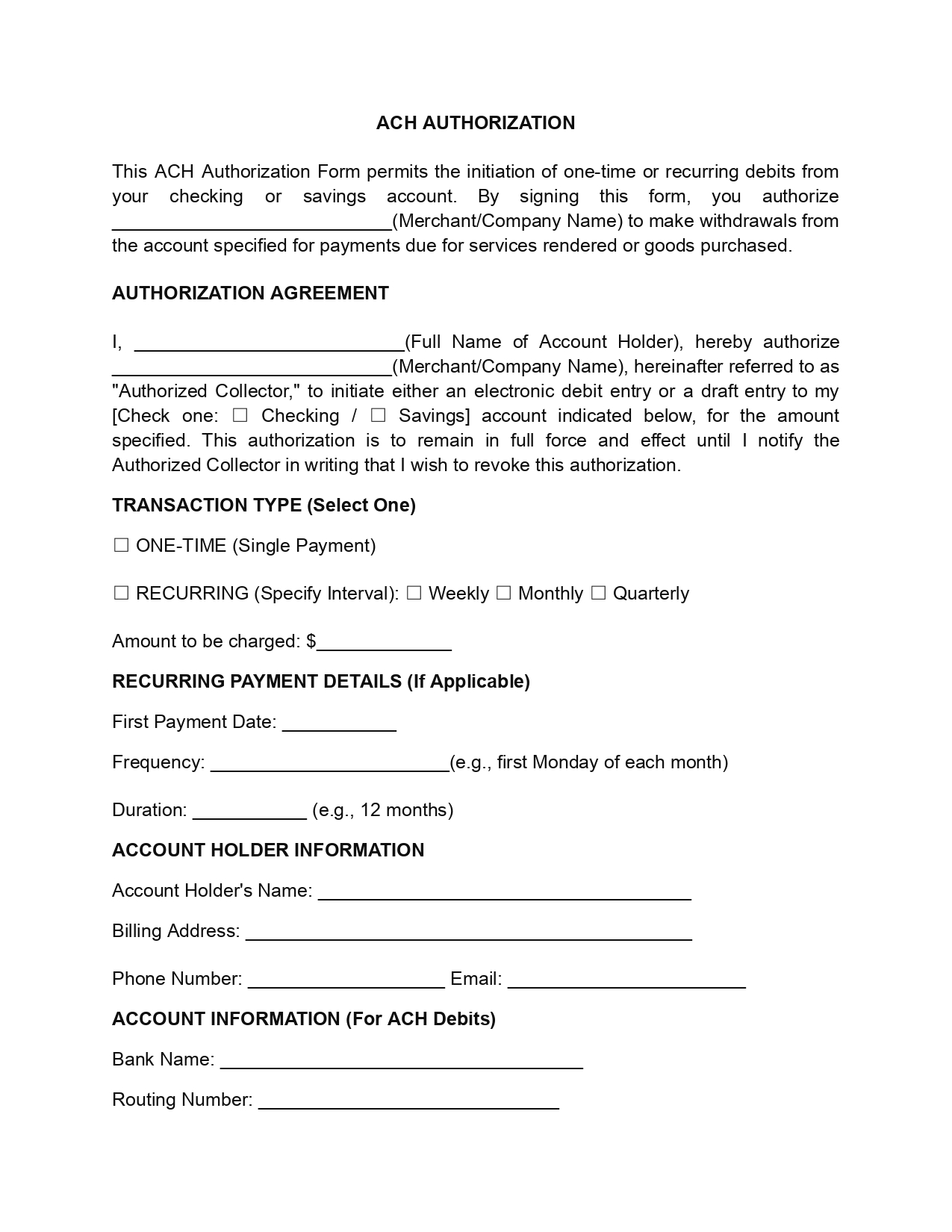
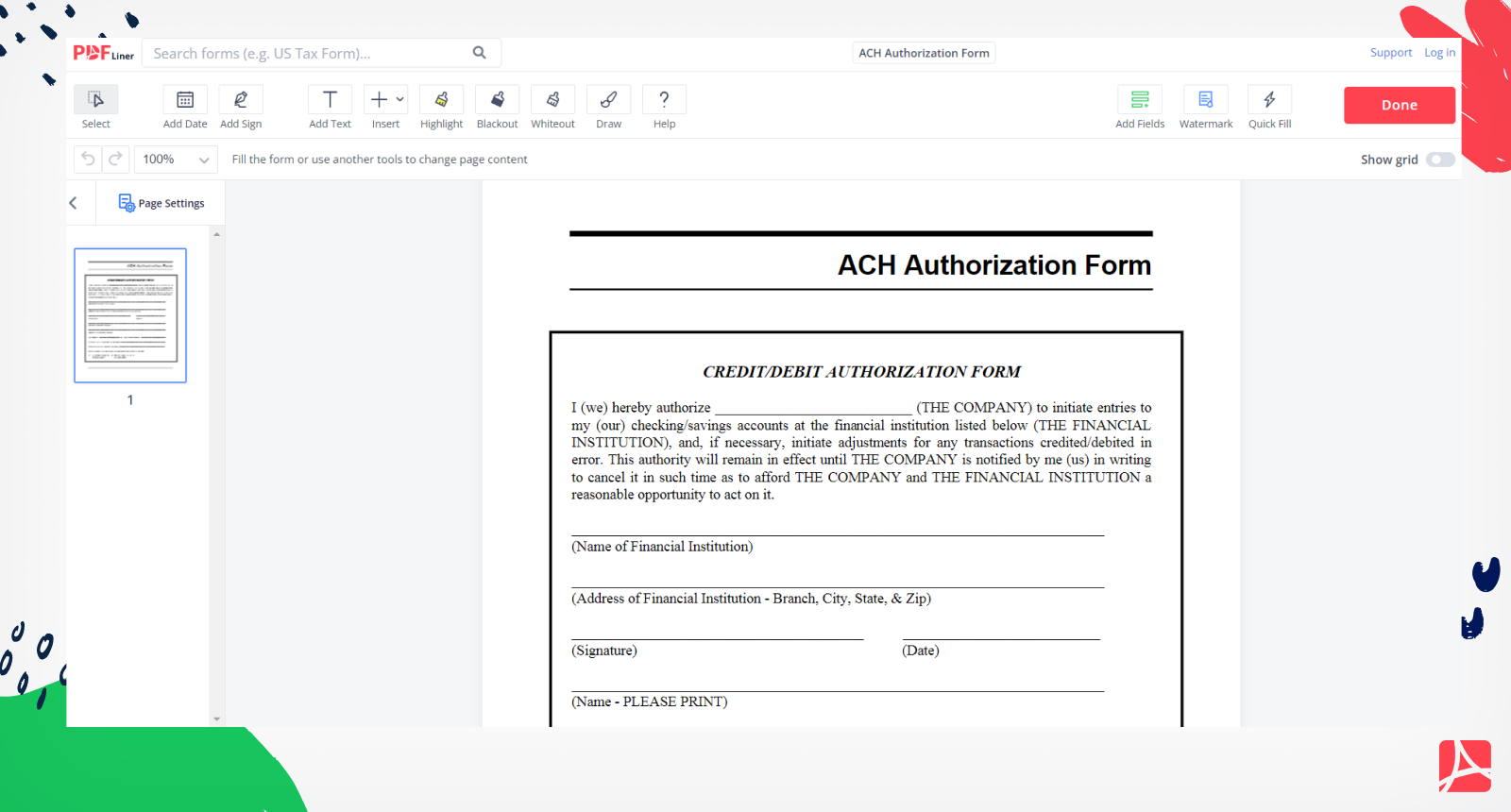
An Automated Clearing House (ACH) debit authorization for an income life insurance policy is a formal agreement that permits an insurance carrier to automatically withdraw premium payments directly from a policyholder’s designated bank account. This mechanism ensures consistent coverage by eliminating manual payment processing, reducing the risk of accidental policy lapses due to missed deadlines or clerical delays.
The Mechanics of ACH Debit Authorization
At its core, the Automated Clearing House (ACH) network is a secure, batch-oriented system used to process electronic fund transfers across the United States. When applied to income life insurance—a specialized financial product designed to provide a steady stream of payouts or to protect a specific income source—the ACH process acts as the engine for maintaining the policy's active status.
When you sign an ACH debit authorization, you are granting the insurance company permission to initiate a transaction on your behalf. This is not a "pull" in the sense that the bank sends the money; rather, the insurance company sends a file to their bank, which communicates through the clearing house to your financial institution. The authorization form typically includes your routing number, account number, the requested draft date, and the frequency of the payments (monthly, quarterly, or annually).
Why Carriers Require Written Authorization
Insurance companies are heavily regulated entities that must strictly adhere to federal and state banking laws. Before an insurer can access your funds, they must have documented, verifiable consent. This serves several legal and operational purposes:
- Legal Compliance: The Electronic Fund Transfer Act (EFTA) and Regulation E establish the rights and liabilities of consumers regarding electronic transfers. Carriers maintain these authorizations to demonstrate compliance with these regulations.
- Dispute Resolution: In the event of a banking error or a disagreement over the timing of a withdrawal, the signed authorization document serves as the legal baseline for the agreed-upon payment schedule.
- Efficiency and Auditability: For the insurance company, automated systems are significantly cheaper and more reliable than manual check processing. Having a digital or physical authorization on file allows them to automate the reconciliation of premium payments against active policies.
Prerequisites for Setting Up ACH Payments
Before initiating an ACH debit authorization, you must ensure your financial and insurance information is properly aligned.
- Valid Banking Credentials: You will need a checking or savings account held at a domestic financial institution. You must be an authorized signer on this account.
- Active Policy Identification: You must have your policy number ready. If the policy is in the application stage, the carrier may require the policy to be issued and "in-force" before they can finalize the draft setup.
- Sufficient Lead Time: Most carriers advise that it can take one to two billing cycles for the ACH system to take effect. If you submit your form today, you should still be prepared to make a manual payment for the upcoming cycle unless the company specifies otherwise.
- Clearance of Initial Premiums: Often, the first premium payment must be made via a different method (like a paper check or a one-time electronic payment) because the ACH setup process requires verification of your banking details.
Comparing Payment Methods for Life Insurance
Choosing how to pay for your insurance policy involves a trade-off between control and convenience. The table below outlines the differences between ACH debits and traditional payment methods.
| Feature | ACH Debit Authorization | Manual Check/Mail | Online Bill Pay |
|---|---|---|---|
| Automation | Fully Automated | Manual | Often Manual |
| Reliability | High (Less likely to lapse) | Low (Risk of mail delay) | Moderate (Requires login) |
| Fees | Usually None | Postage Costs | Bank-dependent |
| Control | Set and Forget | High Intervention | High Intervention |
| Timing | Exact Draft Date | Dependent on Transit | Dependent on Bank |
Step-by-Step Guide to Establishing ACH Authorization
To ensure your income life insurance premiums are paid consistently, follow these steps to establish your ACH debit.
- Request the Official Form: Obtain the specific ACH/Electronic Funds Transfer (EFT) authorization form directly from your insurance provider’s website or your agent. Do not use generic forms from outside sources.
- Verify Account Information: Use a personalized check or a letter from your bank to confirm your routing and account numbers. Errors in these numbers are the most frequent cause of "returned items," which can trigger bank fees and insurance policy alerts.
- Establish the Draft Frequency: Align your draft date with your income schedule. If you receive your paycheck on the 1st or the 15th, try to schedule your ACH withdrawal for a few days after that to ensure funds are available.
- Submit and Confirm: Send the form back through the company’s secure portal or designated secure mail address. Once submitted, wait for a confirmation letter or email from the insurance carrier verifying that your ACH status is "Active."
- Monitor Your Bank Statement: Keep a close watch on your bank statement for the first two months to ensure the correct amount is being deducted.
Common Risks and Troubleshooting
While ACH is the most reliable way to maintain a policy, it is not without potential friction points.
Insufficient Funds (NSF): If your account lacks the necessary balance on the scheduled withdrawal date, the bank will reject the transaction. Most insurance companies will attempt to re-process the payment once or twice. If it continues to fail, they may cancel your automatic authorization entirely, which could put your policy at risk of lapse. If you know you will have a shortfall, contact your insurance company's billing department immediately to request a temporary pause or a date change.
Account Changes: If you change banks or switch your checking account, the ACH authorization does not automatically transfer. You must submit a new form to the insurance company with your updated information. Failing to do so will result in failed payments and potential coverage disruption.
Unexpected Adjustments: Occasionally, insurance premiums may change due to policy adjustments, riders, or premium increases specified in the policy contract. Always review your annual policy statement to ensure the amount being withdrawn aligns with your expectations.
Legal and Privacy Considerations
When you sign an ACH authorization, you are not giving the insurance company "blank check" access to your account. The authorization is specifically tied to the amount due on your insurance policy.
- Privacy: Insurance companies are bound by the Gramm-Leach-Bliley Act (GLBA), which requires them to protect the privacy of your financial information. Your banking data is typically stored in secure, encrypted environments.
- Consumer Rights: Under Regulation E, you have the right to stop a preauthorized electronic transfer. If you decide to move your policy or pay by a different method, you must provide the insurance company with written notice, typically at least three business days before the next scheduled transfer.
Frequently Asked Questions
1. Is my bank information safe with the insurance company? Yes. Insurance carriers are required by law to maintain rigorous security standards to protect policyholder data. Your banking details are used solely for the processing of verified premium payments associated with your policy.
2. What happens if I want to cancel my ACH authorization? You can cancel your ACH authorization at any time by providing written notice to your insurance company. However, remember that you are still contractually obligated to pay your life insurance premiums. If you cancel the automatic draft, you must ensure you have an alternative payment method ready to prevent your policy from lapsing.
3. Can I change the date my premium is withdrawn? Most carriers allow you to select a specific day of the month for your withdrawal, provided it falls within their administrative guidelines. Contact your insurance company's customer service department to request a change to your draft date.
4. Will I be notified before an ACH withdrawal occurs? In most cases, the original authorization serves as your notification for recurring payments. You will not receive a separate notice for every monthly withdrawal unless your policy contract or state law requires the carrier to provide specific billing statements.
5. How do I fix a failed payment? If a payment fails due to an NSF, first ensure the funds are in your account, then contact your insurance carrier’s billing department. They can often re-run the transaction. If the failure was due to incorrect bank information, you will need to submit a revised authorization form.
Final Recommendation
The most secure way to manage your income life insurance premiums is to establish an ACH debit linked to a reliable primary checking account. Before submitting your authorization, verify your routing and account numbers against a physical check or an official bank document. Once confirmed, monitor your account statements quarterly to ensure that your premiums are being processed as expected and that no changes to your bank details have rendered your authorization obsolete. By maintaining a clear, updated authorization, you provide your beneficiaries with the peace of mind that your policy remains in good standing.