Auto insurance myths often lead drivers to make costly financial errors or leave themselves unnecessarily vulnerable to risk. By understanding that insurance premiums are calculated on actuarial risk assessments rather than arbitrary factors, such as vehicle color, drivers can better manage their coverage, lower expenses through legitimate discounts, and ensure they are adequately protected against financial liability.
The Myth of Vehicle Color and Premium Costs
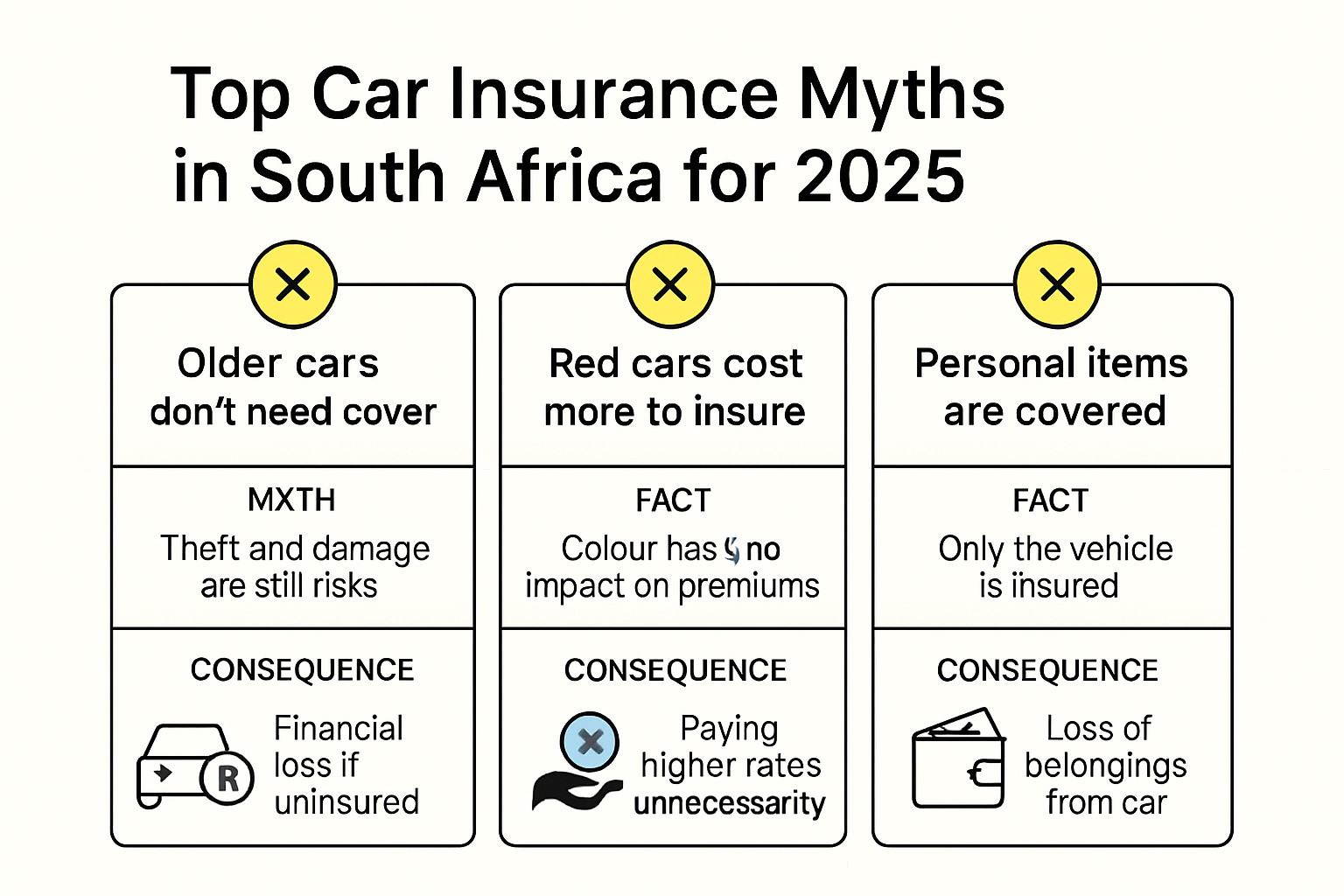
One of the most persistent legends in the automotive world is the belief that driving a red car results in higher insurance premiums. This claim suggests that red vehicles attract more attention from law enforcement or are statistically more likely to be involved in accidents. However, this is entirely false. Insurance providers calculate risk based on concrete data: the make, model, body style, engine size, and the safety features of the vehicle.
An insurer does not have a field in their actuarial software for "paint color." When a company evaluates a policy, they look at the vehicle identification number (VIN). The VIN encodes data regarding the engine capacity, weight, and safety equipment—factors that directly correlate to the cost of parts and the likelihood of severe damage during a collision. Whether your car is cherry red, midnight blue, or silver has no bearing on your liability or collision coverage costs.
Does "Full Coverage" Mean Everything is Covered?
Many consumers operate under the assumption that a "full coverage" policy acts as a catch-all safety net, shielding them from any financial loss involving their vehicle. In reality, "full coverage" is an industry term that generally refers to a combination of liability, collision, and comprehensive coverage. It is not a legally defined term and does not equate to "all-inclusive" protection.
Even with a robust policy, there are significant gaps. Most standard policies exclude:
- Wear and Tear: Routine maintenance, mechanical failure, or deteriorating parts are not covered.
- Intentional Damage: Damage caused by the policyholder on purpose is never covered.
- Personal Property: Items left inside your car, such as electronics or tools, are typically covered under homeowners or renters insurance, not auto insurance.
- Commercial Use: Using your personal vehicle for ridesharing or food delivery without specific endorsements can lead to claim denials.
The Role of Credit Scores in Insurance Pricing
A common point of contention is the use of credit-based insurance scores. Drivers often feel it is unfair that their financial history influences their auto insurance premiums. However, in most jurisdictions in the United States, insurers use credit information because extensive data indicates a correlation between credit management and the likelihood of filing a claim.
Insurance companies create a specialized credit-based insurance score, which is different from the traditional FICO score used by lenders. This score considers payment history, the length of credit history, and outstanding debt, but it ignores income level and employment status. Improving your credit score over time can result in lower premiums, whereas a poor score is viewed by underwriters as a higher risk profile.
Age and Gender: Why These Factors Matter
Young drivers often express frustration that their insurance rates are significantly higher than those of middle-aged drivers. While this may feel discriminatory, it is grounded in historical safety data. Insurance is a game of probability. Statistics consistently show that drivers under the age of 25—and particularly teenage males—are involved in a higher frequency of high-severity accidents.
Premiums for younger drivers remain elevated until the statistics shift in their favor, typically as they reach their late 20s and demonstrate a clean driving record. Similarly, insurers use historical data points regarding gender to adjust rates in regions where local laws allow it. While some states have banned the use of gender in premium calculations, in areas where it remains legal, it is based on aggregate risk data, not individual judgment.
Comparative Analysis: Fact vs. Fiction
| Myth | The Reality |
|---|---|
| Red cars cost more to insure. | Color has zero impact; the VIN, make, and model dictate risk. |
| Full coverage covers everything. | It is a bundle of three specific coverages; many exclusions apply. |
| Only liability is required by law. | Most lenders require comprehensive and collision coverage for financed cars. |
| My insurance follows the car, not the person. | It usually follows the car, but policies vary significantly regarding "permissive use." |
| Switching insurers is too difficult. | Modern digital portals make comparing and switching providers streamlined. |
The "Permission" Trap: Who Is Actually Covered?
A frequent mistake drivers make involves allowing friends or family members to borrow their vehicles. There is a widespread belief that insurance is tied exclusively to the driver's name. In most standard policies, the insurance follows the vehicle. If you grant someone permission to drive your car and they get into an accident, your policy is generally the primary coverage.
However, if a person lives in your household and is not listed on your policy, the insurer may exclude them from coverage or deny a claim if they are a "regular user" who was intentionally left off the policy to save on premiums. This practice, known as rate evasion, can result in the cancellation of your policy or the denial of significant claims. Always verify your policy’s stance on "permissive users" and ensure household members are appropriately disclosed.
Debunking the Rental Car Insurance Necessity
When renting a car, rental agencies will aggressively push their own collision damage waiver (CDW) or loss damage waiver (LDW). Consumers often fear that their personal auto insurance will not protect them while driving a rental, leading them to purchase redundant coverage.
Before opting for the rental agency's expensive add-ons, perform these two steps:
- Check your existing policy: Many personal auto insurance policies extend collision and comprehensive coverage to rental vehicles for personal use.
- Review your credit card benefits: Many premium credit cards offer primary or secondary rental car insurance as a perk, provided you use the card to pay for the rental.
The "No-Fault" Misconception
Drivers often hear the term "no-fault insurance" and assume it means they cannot be held responsible for an accident, regardless of who caused it. This is a misunderstanding of state-level tort laws. No-fault insurance (or Personal Injury Protection, PIP) simply dictates that each driver’s own insurance company pays for their medical expenses and lost wages up to a certain limit, regardless of who caused the crash.
It does not shield a driver from liability for property damage or serious injuries that exceed the thresholds set by state law. If you cause a severe accident in a no-fault state, you can still be sued if the damages exceed the policy limits or meet the criteria for "serious injury" as defined by local statutes.
How to Verify Your Coverage
If you are unsure about what your current policy entails, do not rely on assumptions or hearsay. Take the following steps to ensure you have an accurate understanding of your protection:
- Review the Declarations Page: This is the summary document provided by your insurer that lists your coverage limits, deductibles, and the specific vehicles insured.
- Contact your agent: Request a "coverage gap analysis." Ask specifically, "Am I covered if I use my car for X?" or "What happens if Y occurs?"
- Read the Policy Jacket: While dense, the "Exclusions" section of your policy document explicitly details what is not covered. This is where most myths are debunked.
Practical Next Actions
To optimize your auto insurance situation in 2026, focus on actionable data rather than common myths. First, confirm your current coverage limits. If your vehicle is older and has low market value, you may be paying for collision and comprehensive coverage that exceeds the actual cash value of the car. In this scenario, dropping these coverages might be a sound financial move.
Second, audit your household drivers. If someone has moved out or acquired their own vehicle, ensure your policy is updated immediately. Finally, if you are concerned about your rates, request a discount review from your provider. Many insurers offer "telematics" or usage-based insurance programs in 2026 that monitor driving behavior—such as braking patterns and speed—to offer lower premiums for safe drivers. By shifting from hearsay to verified policy data, you can save money and prevent catastrophic coverage gaps.