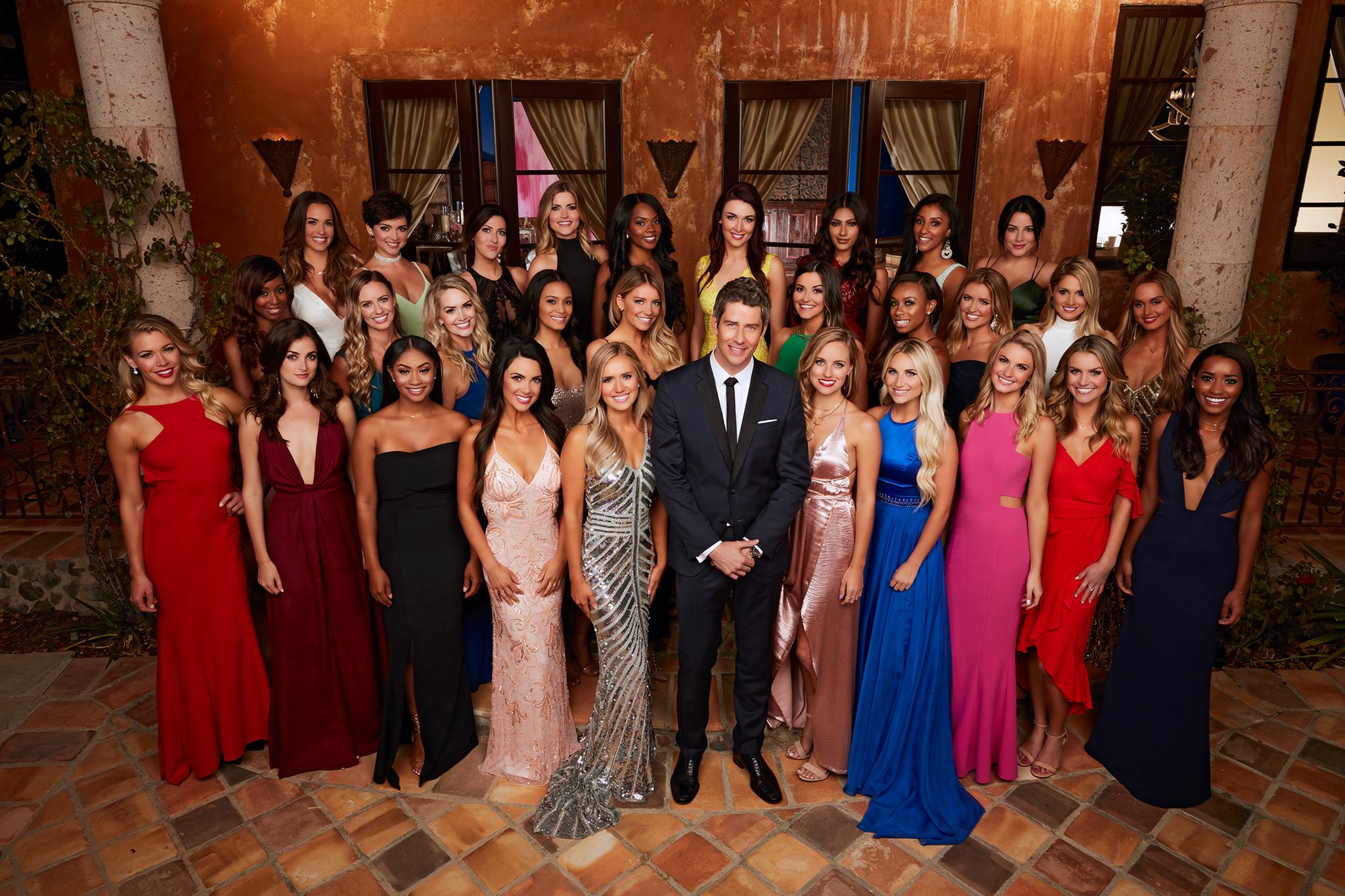
Securing a spot on ABC’s reality television franchise requires navigating a rigorous multi-stage application process, meeting strict legal and logistical eligibility criteria, and preparing for intense background screening before ever stepping out of the limousine.
Reality television casting has evolved from simple open-call cattle calls into a highly structured, corporate-managed talent acquisition pipeline. For individuals hoping to step into the spotlight as a contestant on The Bachelorette, understanding the mechanics of the casting overview and process is the first step toward transforming a casual application into a serious contention for national television. This comprehensive guide details the foundational eligibility requirements, the step-by-step application workflow, production expectations, and the psychological and legal realities of joining one of network television’s most enduring dating series.
Understanding the Bachelorette Casting Ecosystem
The casting ecosystem for the franchise is managed by specialized casting directors, producers, and executive staff working on behalf of production companies such as Next Entertainment and Warner Horizon, in conjunction with the ABC network. Unlike standard documentary casting, reality dating production operates under strict legal, insurance, and broadcast compliance frameworks.
The primary objective of the casting team is to curate a diverse ensemble of viable romantic interests who can sustain narrative momentum over several weeks of filming. Producers look for a balance of professional stability, emotional resilience, articulate communication skills, and distinct personal narratives. Consequently, the casting process is intentionally demanding, serving as both an evaluation of television suitability and an intensive risk-assessment filter.
Core Eligibility Requirements and Prerequisites
Before submitting an application or attending an audition, prospective contestants must clear a series of non-negotiable baseline requirements. These criteria are established to satisfy network policies, insurance underwriters, and legal regulations governing broadcast media.
- Age and Legal Status: Applicants must typically be at least 21 years of age at the time of application submission. They must also be legal residents or citizens of the United States or Canada, holding valid passports to accommodate international travel during production.
- Background and Legal Record: Candidates must consent to exhaustive background checks, including criminal history, civil litigation, driving records, and financial standing. Any undisclosed legal issues or active warrants typically result in immediate disqualification.
- Availability and Time Commitment: Filming generally requires contestants to take a leave of absence from their employment for a period ranging from six to eight weeks. Participants must have complete schedule flexibility with zero outside communication or obligations during principal photography.
- Relationship Status: Applicants must be single, legally unmarried, and free of any binding domestic partnerships or entanglements that could legally complicate production or broadcast rights.
Step-by-Step Casting Process Workflow
The journey from initial submission to final cast selection follows a structured timeline. While exceptions occur—such as recruitment via social media or scouting—the standard pipeline moves through distinct developmental phases.
[Initial Submission] ➔ [Casting Producer Interviews] ➔ [Extensive Background Checks] ➔ [Semi-Finalist Finals & Psychological Evaluation] ➔ [Final Cast Lock]
Phase 1: The Initial Application
Candidates begin by completing an extensive online questionnaire or attending regional open casting calls when available. The application requires basic biographical data, professional history, social media handles, high-resolution photographs, and a short introductory video. The video is often the most critical component, allowing producers to evaluate charisma, articulation, and on-camera presence within the first thirty seconds.
Phase 2: Producer Interviews and Callbacks
If an application captures a producer's interest, the candidate is invited to a preliminary interview, which frequently takes place via video conference. These interviews are designed to probe deeper into the applicant’s relationship history, personal motivations, and emotional triggers. Successful candidates advance to secondary and tertiary rounds, where they undergo on-camera screen tests, mock interviews, and simulated cocktail party interactions with casting executives.
Phase 3: Psychological and Medical Evaluations
Contestants who reach the advanced stages of consideration must undergo rigorous psychological evaluations conducted by licensed mental health professionals retained by the production. These evaluations assess stress tolerance, coping mechanisms, and emotional stability under high-pressure, isolated conditions. Concurrently, comprehensive physical examinations and medical tests are administered to verify physical health and ensure compliance with production insurance mandates.
Phase 4: Final Selection and Isolation
Once the final roster is locked by network and production executives, selected participants enter a pre-production isolation period. During this time, contestants are sequestered away from friends, family, and media devices to prevent leaks, maintain narrative secrecy, and prepare for the physical relocation to the mansion.
Key Casting Stages and Evaluative Criteria
| Casting Stage | Primary Objective | Key Evaluation Criteria |
|---|---|---|
| Initial Submission | Data collection and basic filtering | Visual presentation, video presence, completeness of application |
| Producer Interviews | Narrative identification and screen testing | Communication skills, personal backstory, emotional availability |
| Psychological Screening | Risk assessment and mental health verification | Stress resilience, coping mechanisms, stability under isolation |
| Background & Legal Check | Compliance and risk mitigation | Clean legal record, professional integrity, public media history |
Legal, Financial, and Privacy Considerations
Participating in a major network reality series involves signing extensive, highly restrictive legal agreements. Prospective contestants should carefully review the implications of these contracts before committing to the process.
Non-Disclosure Agreements (NDAs) and Confidentiality
Contestants are bound by strict NDAs that prohibit discussing casting status, show outcomes, plot twists, or interactions with production staff. Breaching these agreements can result in severe financial penalties and legal action. Production companies maintain zero-tolerance policies regarding unauthorized social media posts or leaks prior to and during broadcast airing.
Compensation and Intellectual Property
Compensation structures for reality television contestants are heavily standardized. Participants typically receive a modest per diem or stipend to cover basic necessities during filming, but the primary incentive remains potential post-show media opportunities, brand partnerships, and public visibility. Furthermore, contestants sign away extensive rights regarding their likeness, life story, and personal imagery, granting producers broad latitude in how their narratives are edited and portrayed on screen.
Common Pitfalls and Mistakes to Avoid
Navigating the casting process successfully requires avoiding several common missteps that routinely derail prospective applicants.
- Inauthentic Persona Construction: Attempting to play an exaggerated villain or an overly manufactured character often backfires during producer interviews and psychological evaluations, where trained professionals easily identify insincerity.
- Social Media Blind Spots: Failing to scrub or moderate personal social media profiles prior to applying is a frequent cause of disqualification. Producers thoroughly review public digital footprints for controversial statements, conflicting employment arrangements, or inconsistent personal histories.
- Underestimating Time Commitments: Entering the process without a clear plan for managing employment, housing, and personal responsibilities during a multi-week hiatus creates avoidable crises that lead to voluntary withdrawals.
Frequently Asked Questions
Can I apply for The Bachelorette if I was previously on another reality show?
Previous participation in related franchise media or independent reality productions is evaluated on a case-by-case basis. While having on-screen experience can demonstrate comfort with production environments, producers often balance casts with fresh faces who have no prior television exposure.
What should be included in the casting audition video?
A strong audition video should be concise, well-lit, and natural. It should highlight the applicant's personality, hobbies, and romantic values without sounding overly scripted or rehearsed. Producers look for authenticity, positive energy, and clear articulation of what the candidate is looking for in a partner.
Do contestants pay any fees to participate in the casting process?
No. Legitimate production companies and casting agencies associated with the franchise never charge fees for applications, background checks, or interviews. Candidates should remain vigilant against third-party scams or unauthorized individuals claiming to guarantee casting placement for monetary compensation.
How are contestants notified if they have been selected?
Selected finalists receive direct communication from senior casting producers or network executives. Because timelines can shift rapidly due to production scheduling and pre-production adjustments, communication often occurs on short notice, requiring finalists to be packed and ready for immediate deployment.
What happens if an applicant's employment conflicts with filming?
Contestants are entirely responsible for managing their professional obligations. Production does not negotiate directly with employers on behalf of applicants. Securing a formal leave of absence or sabbatical prior to entering final casting stages is essential to prevent professional fallout.
Practical Next Steps for Prospective Applicants
For those prepared to move forward, the most effective action is to visit official, verified casting portals hosted directly by the network or authorized production houses. Ensure all biographical details are accurate, update personal identification documents such as passports, and prepare a thoughtful, genuine video introduction. Approach the process with realistic expectations regarding privacy, time commitment, and the unpredictable nature of television production.