An AARP Medicare Supplement Insurance Plan, insured by UnitedHealthcare, is a private health insurance policy designed to cover the "gaps" in Original Medicare, such as copayments, coinsurance, and deductibles. In 2026, these plans remain a cornerstone for beneficiaries seeking predictable healthcare costs and the freedom to visit any provider nationwide that accepts Medicare.
The Role of AARP Medicare Supplement Plans in 2026
As we navigate the healthcare landscape of 2026, Medicare Supplement insurance—commonly referred to as Medigap—continues to serve a vital role for millions of American seniors. Original Medicare (Part A and Part B) is robust, but it was never intended to cover 100% of a beneficiary's medical expenses. Most notably, Medicare Part B typically covers only 80% of outpatient services, leaving the patient responsible for the remaining 20% with no annual out-of-pocket maximum.
AARP Medicare Supplement Plans are unique because of the long-standing exclusive partnership between AARP and UnitedHealthcare. While the plans themselves are standardized by the federal government, the "AARP-branded" versions often come with specific member benefits, specialized customer service, and a distinct pricing structure. For a beneficiary in 2026, choosing an AARP plan means opting for a product that combines the regulatory stability of Medigap with the administrative scale of the nation's largest insurer.
These plans do not replace Original Medicare; rather, they work alongside it. When you receive a covered service, Medicare first pays its share of the approved amount. Then, your AARP Medigap plan steps in to pay its share, which significantly reduces or even eliminates your "out-of-pocket" responsibility at the doctor's office or hospital.
Eligibility and Enrollment Prerequisites
To enroll in an AARP Medicare Supplement plan in 2026, an individual must meet three primary criteria. First, you must be an active member of AARP. Membership is open to individuals age 50 and older, though the insurance plans themselves are generally targeted at those 65 and older. Second, you must be enrolled in both Medicare Part A (Hospital Insurance) and Medicare Part B (Medical Insurance). Finally, you must reside in the state where the specific plan is offered.
The timing of your enrollment is the most critical factor in determining your cost and acceptance. The Medigap Open Enrollment Period is a one-time, six-month window that begins the month you are 65 or older and enrolled in Medicare Part B. During this window, you have "guaranteed issue rights." This means UnitedHealthcare cannot deny you coverage or charge you a higher premium based on pre-existing health conditions like diabetes, heart disease, or cancer.
If you attempt to apply for an AARP Medicare Supplement plan outside of this window—unless you qualify for a "Special Enrollment Period" due to losing employer coverage or a plan leaving the market—you may be subject to medical underwriting. In 2026, medical underwriting remains a rigorous process where the insurer reviews your medical history to decide whether to accept your application and how much to charge you. Consequently, most experts recommend securing a plan during your initial period of eligibility to lock in the lowest possible rates and guaranteed coverage.
Breakdown of Popular Plan Options in 2026
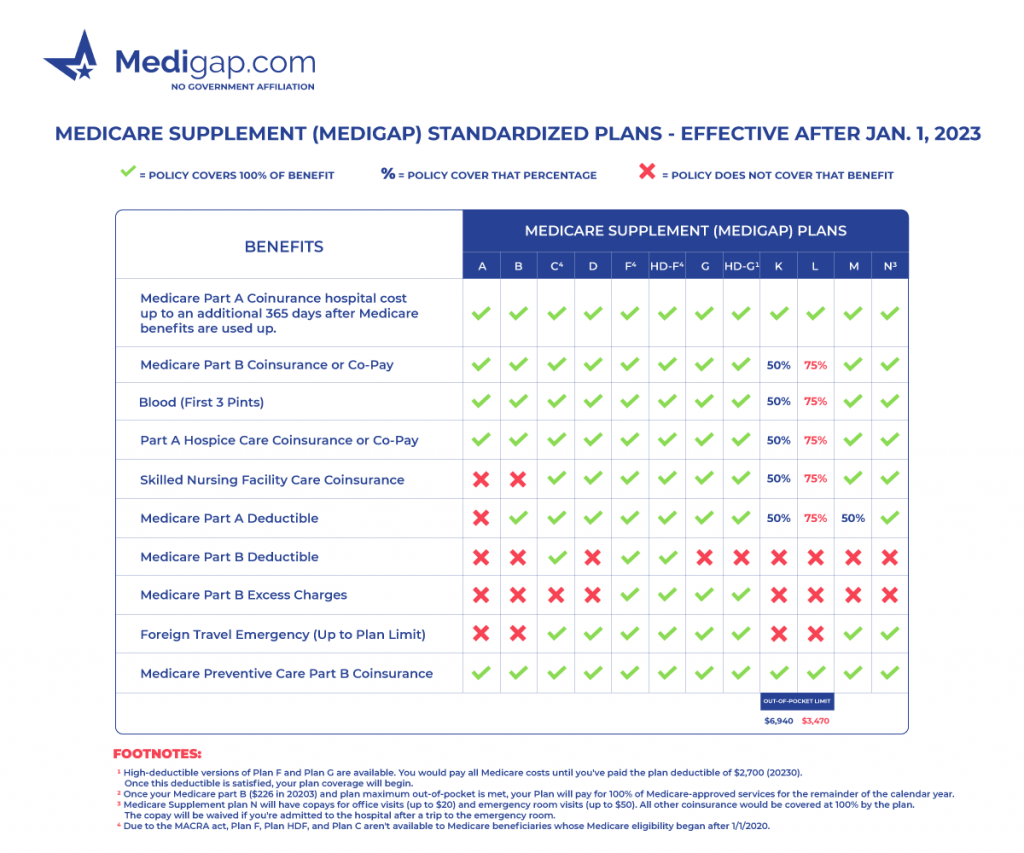
Medigap plans are standardized by letters (e.g., Plan G, Plan N, Plan K). This means a Plan G offered by UnitedHealthcare through AARP has the same core medical benefits as a Plan G offered by any other insurer. However, in 2026, three plans stand out as the primary choices for most beneficiaries.
Plan G: The Current Gold Standard
Plan G has become the most popular choice for new Medicare enrollees in 2026. It offers the most comprehensive coverage available to those who turned 65 after January 1, 2020. Plan G covers 100% of the Part A deductible, all hospital coinsurance, and the 20% Part B coinsurance. The only thing the beneficiary is responsible for is the annual Medicare Part B deductible. Once that deductible is met (which in 2026 is approximately $260-$280 depending on the final CMS adjustments), the plan covers 100% of all other Medicare-approved expenses.
Plan N: The Cost-Effective Alternative
Plan N is designed for those who want lower monthly premiums and are willing to pay small copayments for certain services. While it covers the Part B coinsurance, Plan N requires a copayment of up to $20 for some office visits and up to $50 for emergency room visits that don't result in an inpatient admission. Furthermore, Plan N does not cover "Part B Excess Charges." While excess charges are rare—occurring only when a provider does not "accept assignment"—they can be a factor in certain states or with specific specialists.
Plan F and Plan C: The Grandfathered Options
It is important to note that Plan F and Plan C are only available to individuals who were eligible for Medicare prior to January 1, 2020. If you were eligible before that date, you can still enroll in or switch to an AARP Plan F. Plan F is the most "first-dollar" coverage available, as it even covers the Part B deductible. However, for the majority of people aging into Medicare in 2026, these plans are no longer an option.
Comparing AARP Medigap Plan Benefits (2026)
The following table outlines the coverage levels for the most frequently selected AARP Medicare Supplement plans in 2026.
| Benefit Feature | Plan G | Plan N | Plan K | Plan L |
|---|---|---|---|---|
| Part A Deductible | 100% Covered | 100% Covered | 50% Covered | 75% Covered |
| Part B Coinsurance | 100% Covered | 100% Covered* | 50% Covered | 75% Covered |
| Part B Deductible | Not Covered | Not Covered | Not Covered | Not Covered |
| Part B Excess Charges | 100% Covered | Not Covered | Not Covered | Not Covered |
| Skilled Nursing Facility | 100% Covered | 100% Covered | 50% Covered | 75% Covered |
| Foreign Travel Emergency | 80% Covered | 80% Covered | Not Covered | Not Covered |
| Out-of-Pocket Limit | None | None | ~$7,200 (2026) | ~$3,600 (2026) |
*Plan N requires copays up to $20 for office visits and $50 for ER visits.
Cost Considerations and Pricing Structures
When evaluating AARP Medicare Supplement plans in 2026, the "sticker price" or premium is only one part of the financial equation. UnitedHealthcare typically uses one of two pricing methods depending on your state's regulations: Community-Rated or Issue-Age-Rated.
- Community-Rated: Everyone in the same geographic area pays the same premium, regardless of age. While this can seem expensive for a 65-year-old, it often results in more stable costs as you get older.
- Issue-Age-Rated: The premium is based on the age you are when you first buy the policy. Generally, the younger you are when you buy, the lower your premium.
In 2026, AARP plans are also known for their "Level 2" or "Enrollment Discounts." New enrollees often receive a significant discount in their first year, which gradually decreases over several years. It is vital for beneficiaries to understand that their premium will likely increase annually due to both the fading of this discount and the rising cost of medical inflation.
Furthermore, being an AARP member provides access to certain value-added services that are not strictly insurance benefits. In 2026, these often include the Renew Active fitness program (providing gym memberships at no extra cost), dental and vision discount programs, and a 24/7 nurse line. When comparing an AARP plan to a generic Medigap plan, you must factor in the monetary value of these "extras."
Medicare Supplement vs. Medicare Advantage
A common point of confusion in 2026 is the difference between an AARP Medicare Supplement plan and an AARP Medicare Advantage (Part C) plan. While both are offered through UnitedHealthcare, they function very differently.
- Network Restrictions: Medicare Supplement plans allow you to see any doctor or hospital in the U.S. that accepts Medicare. There are no networks. Medicare Advantage plans usually require you to use a specific network of providers (HMO or PPO) and often require referrals to see specialists.
- Cost Predictability: With a Medigap Plan G, your monthly premium is higher, but your medical bills are almost zero. With Medicare Advantage, your premium might be $0, but you pay copayments every time you visit a doctor or hospital, up to an annual maximum that can reach several thousand dollars.
- Drug Coverage: Medigap plans do not include prescription drug coverage (Part D). You must purchase a separate "stand-alone" Part D plan. Most Medicare Advantage plans include drug coverage as part of the package.
For those who travel frequently across state lines or want the highest level of specialist access without "gatekeepers," the AARP Medicare Supplement plan is generally the preferred choice in 2026.
How to Enroll and Next Steps
Enrolling in an AARP Medicare Supplement plan involves a systematic process to ensure you receive the correct coverage at the best possible price.
- Verify Your AARP Membership: If you are not already a member, you must join AARP first. This can be done online or over the phone and usually costs a nominal annual fee (around $12-$16).
- Confirm Medicare Parts A & B: Ensure your Medicare effective dates are active. You cannot apply for a supplement plan until you have your Medicare Claim Number (found on your red, white, and blue card).
- Request a Quote: Use the UnitedHealthcare/AARP online portal to enter your zip code. This will provide you with the specific plans available in your area and their 2026 premium rates.
- Compare Plan G vs. Plan N: Evaluate your budget. If you prefer no copays and want total peace of mind, choose Plan G. If you want to save $30-$50 a month on premiums and don't mind small copays, Plan N may be better.
- Submit the Application: You can apply online, via mail, or through a licensed insurance agent. If you are in your Open Enrollment Period, you will skip the health questions.
Frequently Asked Questions
Can I change my AARP Medicare Supplement plan later?
Yes, but with a major caveat. While you can apply to change plans at any time of the year, you will likely have to go through medical underwriting if you are outside of your initial six-month enrollment window. This means UnitedHealthcare could deny your request to switch to a more comprehensive plan if you have developed health issues.
Does the AARP plan cover dental and vision?
Standard Medigap plans do not cover routine dental, vision, or hearing services. However, AARP/UnitedHealthcare often includes "member discounts" for these services. For full coverage, most beneficiaries in 2026 purchase a separate standalone dental/vision policy.
Is UnitedHealthcare the only company that offers AARP plans?
Yes. UnitedHealthcare has an exclusive long-term contract to provide AARP-branded Medicare Supplement insurance. While many companies sell Medigap insurance, only UnitedHealthcare carries the AARP name and provides the specific AARP member benefits associated with these plans.
Does my AARP Medigap plan cover me if I travel outside the U.S.?
Most popular AARP plans (like Plan G and Plan N) include a "Foreign Travel Emergency" benefit. This covers 80% of the cost of emergency care during the first 60 days of a trip, after a $250 annual deductible. There is typically a lifetime maximum of $50,000 for this benefit.
Will my doctor accept an AARP Medicare Supplement plan?
If your doctor accepts Original Medicare, they are legally required to accept your AARP Medigap plan. Unlike Medicare Advantage or private employer insurance, Medigap plans do not have "contracted" networks. The provider bills Medicare, and Medicare automatically coordinates with UnitedHealthcare for the remainder of the payment.
Practical Recommendation
If you are approaching age 65 in 2026, the most prudent action is to secure an AARP Medicare Supplement Plan G during your initial six-month Open Enrollment Period. This ensures you are never denied coverage for pre-existing conditions and provides the most comprehensive protection against the 20% coinsurance and hospital deductibles that can otherwise lead to significant financial strain. If your budget is tighter, Plan N offers a compelling balance of lower premiums and high-quality coverage, provided you are comfortable with small copayments. Always verify the current year's Part B deductible and local premium rates before finalizing your application.