Finding the right whole life insurance policy requires evaluating the financial strength of the insurer, the structure of the policy’s cash value, and the flexibility of premium payments. Because whole life insurance is a permanent product designed to last your entire lifetime, the "best" offer balances long-term guarantees with the issuer’s ability to pay future claims.
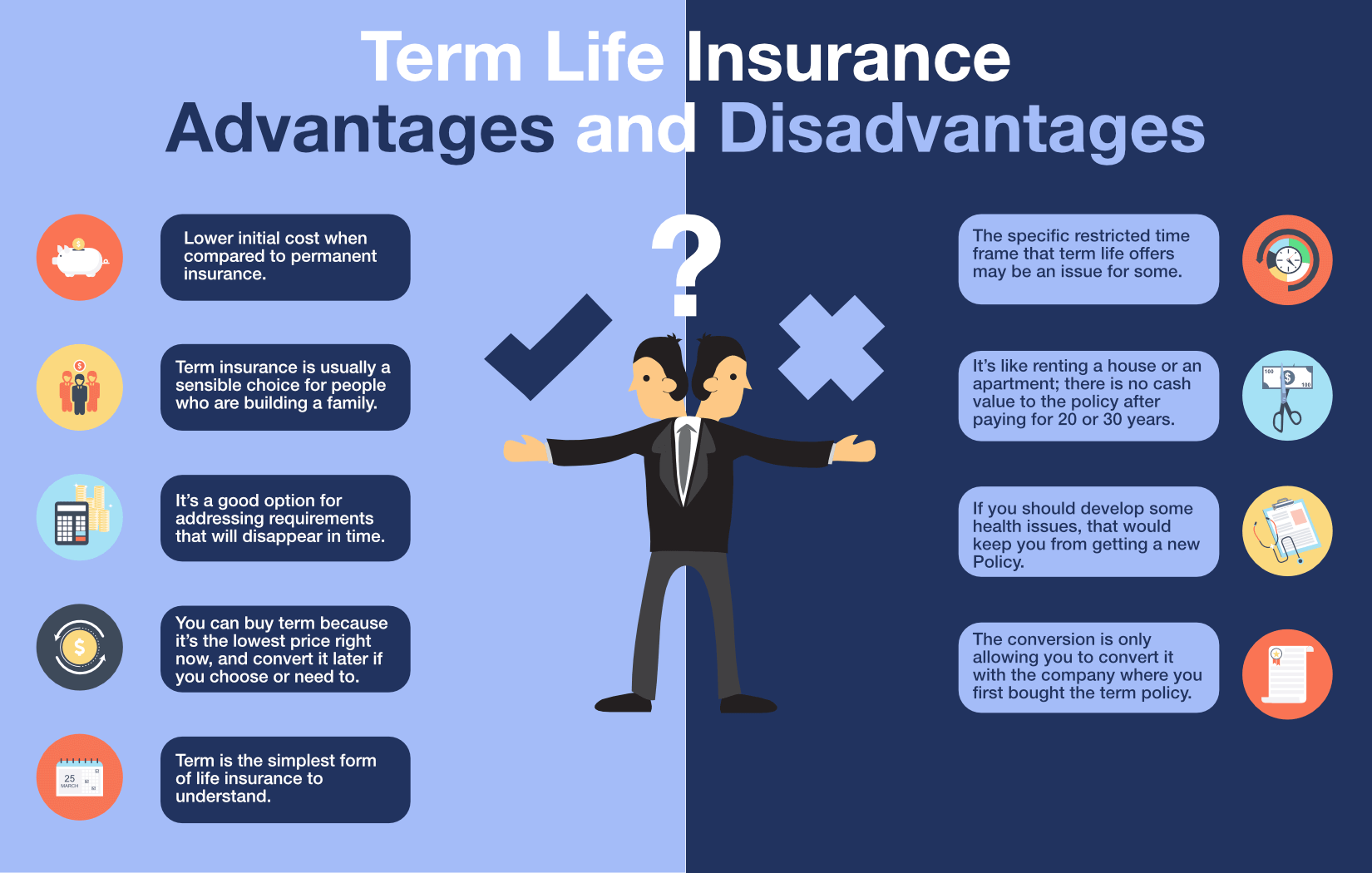
Whole life insurance is a specialized financial product that provides a guaranteed death benefit and a tax-advantaged cash value component. Unlike term life insurance, which is temporary, whole life is designed to remain in force as long as premiums are paid. Because these policies are often held for decades, the selection process focuses on reliability, cost transparency, and the insurer's long-term history of dividend payments.
1. Evaluate the Financial Strength of the Insurer
The most critical factor in choosing a whole life policy is the financial stability of the insurance company. Since you are essentially entering a decades-long contract, you need assurance that the company will remain solvent to pay your beneficiaries, potentially 30, 40, or 50 years from now.
Look for independent ratings from agencies such as A.M. Best, Moody’s, Standard & Poor’s, and Fitch. These agencies evaluate an insurer's "claims-paying ability." You should prioritize companies with an A+ (Superior) rating or higher. A company with a lower rating may indicate instability or an inability to handle significant market downturns, which could jeopardize the long-term viability of your policy.
2. Understand the Dividend History and Structure
Many of the largest, most stable whole life insurers are "mutual" companies, meaning they are owned by the policyholders rather than outside shareholders. These companies may pay dividends to policyholders. While dividends are never legally guaranteed, companies with a century-long history of paying dividends demonstrate superior management and operational efficiency.
When comparing offers, ask for a "dividend scale history." This document shows how the company has adjusted its dividend payments over time. A company that has maintained or increased dividends despite various economic cycles is generally a stronger candidate than one with a volatile payment history.
3. Analyze the Guaranteed vs. Non-Guaranteed Elements
Every whole life insurance illustration features two parts: the guaranteed values and the non-guaranteed values. The guaranteed portion is legally binding; the company must pay this regardless of their financial performance. The non-guaranteed portion includes projections for dividends and potential cash value growth based on current interest rates.
To spot the best offer, pay closer attention to the guaranteed column. If an agent tries to sell you on a policy primarily using the "non-guaranteed" projections, be cautious. A solid offer is one where the guaranteed death benefit and minimum cash value growth are sufficient for your basic needs, even if the company never pays a single dividend.
4. Inspect the Cash Value Growth Mechanics
Whole life insurance acts as a forced savings account. The cash value grows tax-deferred, and you can access it through policy loans or withdrawals. However, not all policies are created equal regarding how quickly that cash builds up.
Ask to see the "Early Cash Value" performance. Some policies are "front-loaded," meaning they have very little cash value in the first few years as high commission costs are recovered. Others are structured to build value more efficiently from year one. If you intend to use the policy as a source of liquidity in the future, you must choose a product designed for rapid cash accumulation, often referred to as a "high early cash value" design.
5. Review Premium Flexibility and Payment Terms
Whole life insurance is traditionally rigid—you pay a fixed premium until death or age 100. However, some modern offers provide more flexibility. Look for features like "Paid-Up Additions" (PUA) riders. This rider allows you to pay extra into the policy when you have surplus cash, which in turn increases both your death benefit and your cash value exponentially.
Furthermore, check if the policy offers a "reduced paid-up" option. This allows you to stop paying premiums entirely at a future date, while keeping a smaller, fully paid-up death benefit. A policy that provides multiple "exit ramps" or scaling options is superior to one that forces you into a rigid, non-negotiable payment structure.
6. Examine Underwriting Efficiency and Transparency
The underwriting process—the method by which the insurance company assesses your health risk—can vary significantly between carriers. Some companies still require invasive paramedical exams with blood and urine samples, while others use "accelerated underwriting," relying on electronic health records and pharmaceutical databases to reach a decision in days rather than weeks.
The best offer isn't just about the lowest price; it is about the path of least resistance. If you have a clean medical history, look for companies that use modern, digital underwriting. If you have complex health conditions, you may be better served by a company that offers manual, deep-dive underwriting, which can accurately assess your specific situation rather than rejecting you based on an automated algorithmic flag.
7. Compare Rider Costs and Coverage Options
Riders are add-ons that customize your policy. Common riders include a Waiver of Premium (which pays your premiums if you become disabled), Accidental Death Benefit, and Term Life Riders.
When comparing two similar whole life quotes, don't just look at the base price. Look at the cost of the riders. Some companies bundle riders at a low cost, while others charge significantly higher fees for the same protection. Ensure that the riders you select are truly necessary for your specific financial goals, as unnecessary riders will erode the cash value growth of the underlying policy.
Comparison Table: Key Features to Evaluate
| Feature | What to Look For | Why It Matters |
|---|---|---|
| Financial Rating | A or A+ from major agencies | Ensures long-term claims solvency |
| Company Structure | Mutual Company | Potential for consistent dividends |
| Guaranteed Values | High percentage of total value | Protects against poor market performance |
| Premium Options | PUA Riders available | Allows for increased cash value growth |
| Underwriting | Digital/Accelerated | Faster approval and less invasive |
Frequently Asked Questions
Is whole life insurance an investment or insurance? Whole life insurance is primarily a life insurance product. While it does build cash value, it is not an investment vehicle in the traditional sense like a stock portfolio. It is best viewed as a conservative, long-term financial asset that provides a death benefit while offering a secure, tax-advantaged place to store cash.
Can I ever change my whole life policy once it is bought? Generally, no. Whole life is a permanent contract. Once the policy is issued, the terms are locked in. This is why it is vital to spot the best offer before you sign. While you can make some adjustments through riders or dividend elections, you cannot change the underlying structure of the policy later.
What happens if I cannot afford the premiums anymore? If you stop paying premiums, your policy may lapse. However, most policies have non-forfeiture options, such as taking a reduced paid-up insurance amount (where coverage continues at a lower level) or using your accumulated cash value to pay the premiums automatically for a period of time. Always review these options in your policy document.
How do I know if an agent is recommending the best product or just the one with the highest commission? Look for a fiduciary or a truly independent agent who represents multiple high-rated carriers. If an agent only offers one brand, they are limited by that company's product line. A high-quality agent will show you illustrations from 2–3 different companies, allowing you to compare the "internal rate of return" on the cash value.
Are the death benefits taxable to my beneficiaries? In the United States, death benefits from life insurance are generally received income-tax-free by your beneficiaries, provided the policy is not surrendered for cash value while you are alive in a way that triggers tax events. Consult a tax professional regarding your specific estate planning needs.
Final Recommendation
To find the best whole life insurance offer, prioritize financial strength above all else. Start by requesting illustrations from three highly rated mutual companies. Ask the agents to show you the "guaranteed" columns specifically and ensure that any riders you add, such as Paid-Up Additions, are explicitly explained in terms of their cost and benefit. Do not feel pressured to accept the first quote you receive; a whole life policy is a lifelong commitment, and due diligence today will pay dividends—literally—for decades to come.