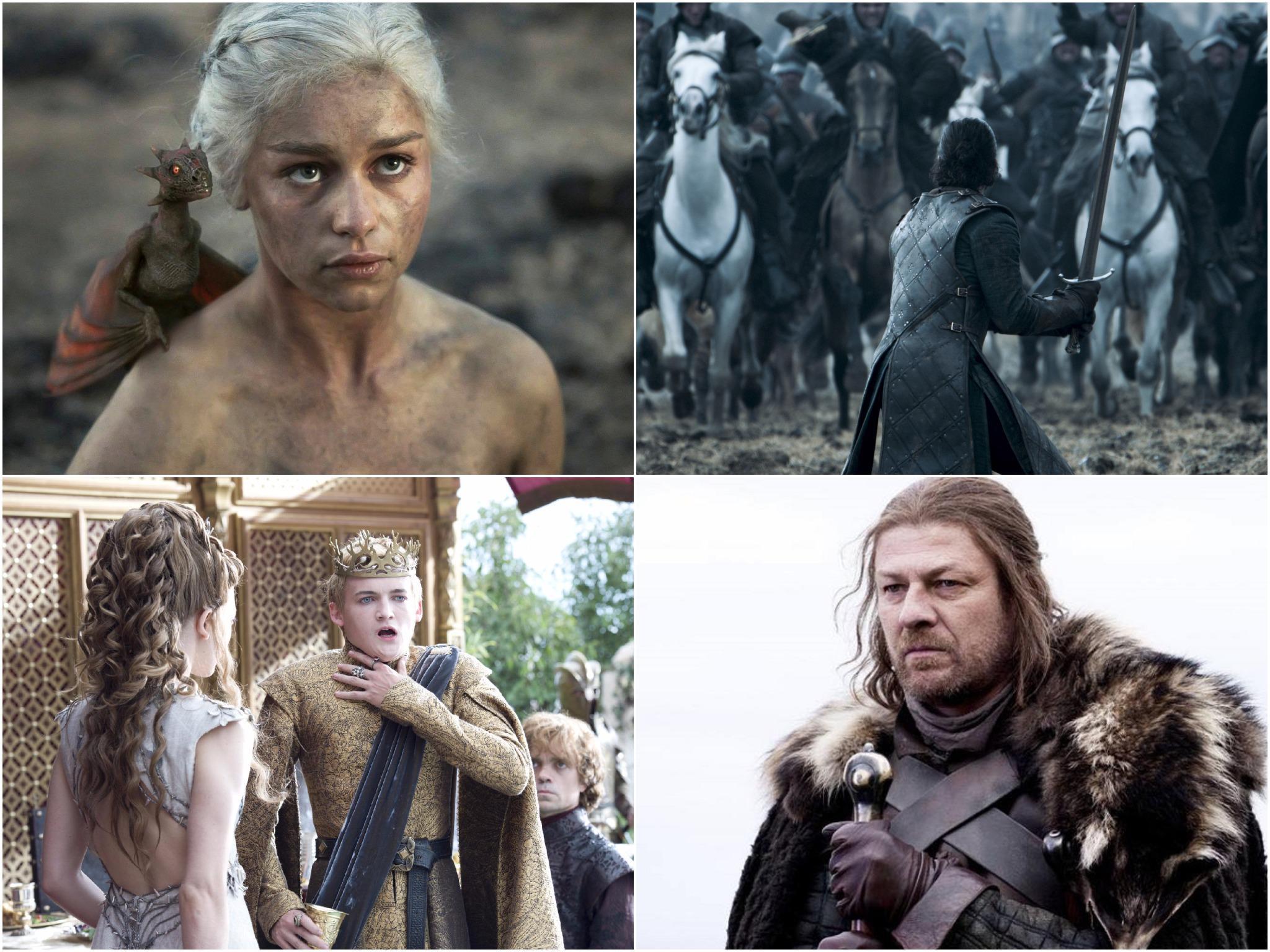
Game of Thrones Season 8 consists of six episodes with runtimes ranging from 54 to 82 minutes. While the final season featured the fewest number of episodes in the series, the total duration reached approximately 430 minutes, as HBO opted for extended "feature-length" formats to conclude the sprawling epic of Westeros.
The Structure of the Final Act: Season 8 Runtimes
When HBO announced that the final season of Game of Thrones would consist of only six episodes, the initial reaction from the global fanbase was one of concern. However, showrunners David Benioff and D.B. Weiss, along with the network, countered this by promising that many of these installments would function essentially as standalone movies. By the time the season aired in 2019, it became clear that while the episode count was low, the individual runtimes were among the longest in television history at that time.
As we look back from 2026, the structural shift seen in Season 8 remains a pivotal moment in the "Prestige TV" era. It signaled a move away from the traditional 50-minute broadcast hour toward a more flexible, narrative-driven duration. The final four episodes of the series, in particular, all exceeded the 70-minute mark, a feat rarely seen in episodic drama before the streaming wars fully escalated.
Exact Runtimes for Every Season 8 Episode
To understand the scope of the final season, one must look at the specific time allocated to each chapter. These runtimes include the actual narrative content, excluding the "Previously On" recaps but generally including the end credits.
| Episode Number | Title | Runtime (Minutes) | Key Focus |
|---|---|---|---|
| Episode 1 | "Winterfell" | 54 Minutes | Reunion and Preparation |
| Episode 2 | "A Knight of the Seven Kingdoms" | 58 Minutes | Character Reflection/Vigil |
| Episode 3 | "The Long Night" | 82 Minutes | The Battle of Winterfell |
| Episode 4 | "The Last of the Starks" | 78 Minutes | Aftermath and March South |
| Episode 5 | "The Bells" | 79 Minutes | The Siege of King's Landing |
| Episode 6 | "The Iron Throne" | 80 Minutes | The Series Finale |
Deep Dive into the Extended Episodes
The transition from the relatively standard lengths of Episodes 1 and 2 to the massive durations of Episodes 3 through 6 was a deliberate choice to accommodate the massive scale of the show's concluding conflicts.
Episode 1: Winterfell (54 Minutes)
The season premiere, "Winterfell," remained within the traditional bounds of a Game of Thrones episode. Its 54-minute runtime was dedicated almost entirely to logistics and reunions. After seven seasons of disparate storylines, the narrative needed this time to bring major players like Jon Snow, Daenerys Targaryen, Arya Stark, and Tyrion Lannister into the same physical space. The brevity of this episode (compared to what followed) allowed for a brisk pace but set the stage for the massive time investments required later.
Episode 2: A Knight of the Seven Kingdoms (58 Minutes)
Often cited by critics and fans as one of the strongest episodes of the final season, Episode 2 utilized its 58 minutes for quiet, atmospheric character work. By keeping the runtime just under an hour, the production maintained a tight focus on the impending mortality of the cast. This was the "calm before the storm," and the runtime was perfectly calibrated to build tension without overstaying its welcome before the chaos of the Great War.
Episode 3: The Long Night (82 Minutes)
At 82 minutes, "The Long Night" became the longest episode in the history of the series. This was essentially a full-length feature film dedicated to a single tactical engagement. The production requirements for this episode were legendary; it required 55 nights of exterior filming in freezing temperatures, followed by weeks of interior studio work. The 82-minute duration was necessary to capture the multi-front battle involving the infantry, the crypts, and the aerial dragon combat. From a technical SEO and metadata perspective, this episode is often searched for specifically due to its record-breaking length and the lighting controversy that accompanied its release.
Episodes 4, 5, and 6: The Final Push
The final three episodes—"The Last of the Starks" (78m), "The Bells" (79m), and "The Iron Throne" (80m)—maintained a near-constant "movie-length" status. This was a response to the massive amount of narrative ground left to cover. Between the death of the Night King and the final resolution of the Iron Throne, the showrunners had to dismantle the Targaryen alliance and conclude the Lannister arc.
Comparative Analysis: Season 8 vs. The Full Series
To appreciate why "7 seasons later" the episode lengths of Season 8 felt so different, we have to compare them to the averages of the previous seven years. From 2011 to 2016, a typical season of Game of Thrones consisted of 10 episodes, each averaging roughly 55 minutes. This resulted in a total season runtime of approximately 550 minutes.
Season 7 began the contraction, offering 7 episodes with a total runtime of about 440 minutes. Season 8, despite having only 6 episodes, clocked in at approximately 431 minutes. This means that while viewers lost four episodes compared to the early seasons, they only lost about two hours of actual screen time.
The average episode length in Season 8 was roughly 72 minutes, compared to the 55-minute average of Season 1. This 30% increase in average duration per episode changed the fundamental pacing of the show. Instead of the "slow burn" political maneuvering that defined the first five seasons, Season 8 used its extended runtimes to focus on spectacle and high-stakes resolution.
The Production Reality of "Feature-Length" TV
The decision to extend episode lengths was not merely a creative one; it was a logistical necessity born from the sheer scale of the production. By 2019, Game of Thrones had become the most expensive show on television, with a budget approaching $15 million per episode.
VFX and Post-Production Demands
Longer episodes meant a significantly higher volume of visual effects (VFX) shots. "The Long Night" and "The Bells" required thousands of CGI elements, from the undead army to the destruction of King’s Landing by dragonfire. Extending the runtime allowed the editors more room to showcase these high-cost sequences, but it also placed an immense burden on post-production houses. In the years since, as seen in 2026 with the latest seasons of House of the Dragon, this "extended episode" model has become the standard for high-fantasy television, though few have matched the sheer density of the original's final run.
The Pacing Paradox
One of the primary criticisms of Season 8 was that despite the episodes being longer, the story felt "rushed." This is the great irony of the Season 8 runtimes. While the individual episodes were lengthy, the jump from point A to point B in the plot occurred over fewer total episodes. For example, the transition of Daenerys Targaryen from "Protector of the Realm" to the "Mad Queen" happened across roughly 160 minutes of screen time (Episodes 4 and 5). In earlier seasons, such a massive character shift would likely have been paced out over 10 episodes, allowing for more incremental development.
Why These Lengths Matter in the Streaming Era (2026 Perspective)
Looking back at these durations from 2026, we can see that Game of Thrones Season 8 was the "patient zero" for the current trend of flexible runtimes. Before this, television was strictly bound by the "TV Hour" (42 minutes of content plus 18 minutes of commercials). HBO, being a premium cable network, always had more freedom, but Season 8 pushed that freedom to its limit.
Today, viewers are accustomed to seeing episodes of The Last of Us or Stranger Things vary by 30 to 40 minutes from one week to the next. The "7 seasons later" realization is that the episode length is now a tool for the storyteller rather than a constraint of the medium. The 82-minute runtime of "The Long Night" paved the way for the feature-length finales that have become common in the mid-2020s.
Viewing Guide: How to Approach the Runtimes
For those revisiting the series in 2026, the runtimes suggest a specific viewing strategy. Because the final four episodes are so long, they are best viewed as individual films rather than a "binge-watch" block.
- Preparation: Treat Episodes 1 and 2 as a single two-hour block. They function as a unified prologue to the war.
- The Event: Watch Episode 3 ("The Long Night") on the largest screen possible. Its 82-minute length and dark cinematography require a cinematic environment.
- The Final Act: Episodes 4, 5, and 6 total nearly four hours of content. Breaking these up into separate sittings allows the heavy emotional weight and controversial plot turns to be processed more effectively.
Frequently Asked Questions
What is the longest episode in Game of Thrones Season 8?
The longest episode is Episode 3, titled "The Long Night," which has an official runtime of 82 minutes. It depicts the climactic battle between the living and the Army of the Dead at Winterfell.
What is the shortest episode in Game of Thrones Season 8?
The shortest episode is the season premiere, "Winterfell," which runs for 54 minutes. It is the only episode in the final season that stays under the one-hour mark.
How does the total length of Season 8 compare to Season 1?
Season 8 has a total runtime of approximately 431 minutes across 6 episodes. Season 1 has a total runtime of approximately 560 minutes across 10 episodes. Despite having 40% fewer episodes, Season 8 provides about 77% of the total watch time of the debut season.
Why did HBO make the episodes so long instead of adding more episodes?
The decision was largely driven by the showrunners' desire to tell the final story in a specific cinematic "event" format. Additionally, the production costs and filming schedules for the massive battle sequences made it more feasible to produce six massive episodes rather than ten smaller ones, as the cast and crew were already pushed to their physical limits.
Does the runtime include the "Inside the Episode" featurettes?
No, the 54 to 82-minute runtimes refer specifically to the narrative content and the end credits. On platforms like Max (formerly HBO Max), additional "Behind the Scenes" content often follows the episode but is not factored into the official episodic length.
Final Recommendations for Enthusiasts
When analyzing the "7 seasons later game of thrones season 8 episode lengths," it is clear that the show was attempting to transcend the boundaries of television. While the debate over the narrative quality of the final season continues even in 2026, the technical achievement of the runtimes is undeniable.
If you are researching these lengths for a rewatch or a technical study of television production, pay close attention to the pacing within the episodes. Note how Episode 3 uses its 82 minutes to create a sense of exhaustion and dread, and how Episode 6 uses its 80 minutes to provide a long, somber epilogue that would have been impossible in a standard 50-minute slot. These durations were the final gift—and the final challenge—of a series that redefined what was possible on the small screen.