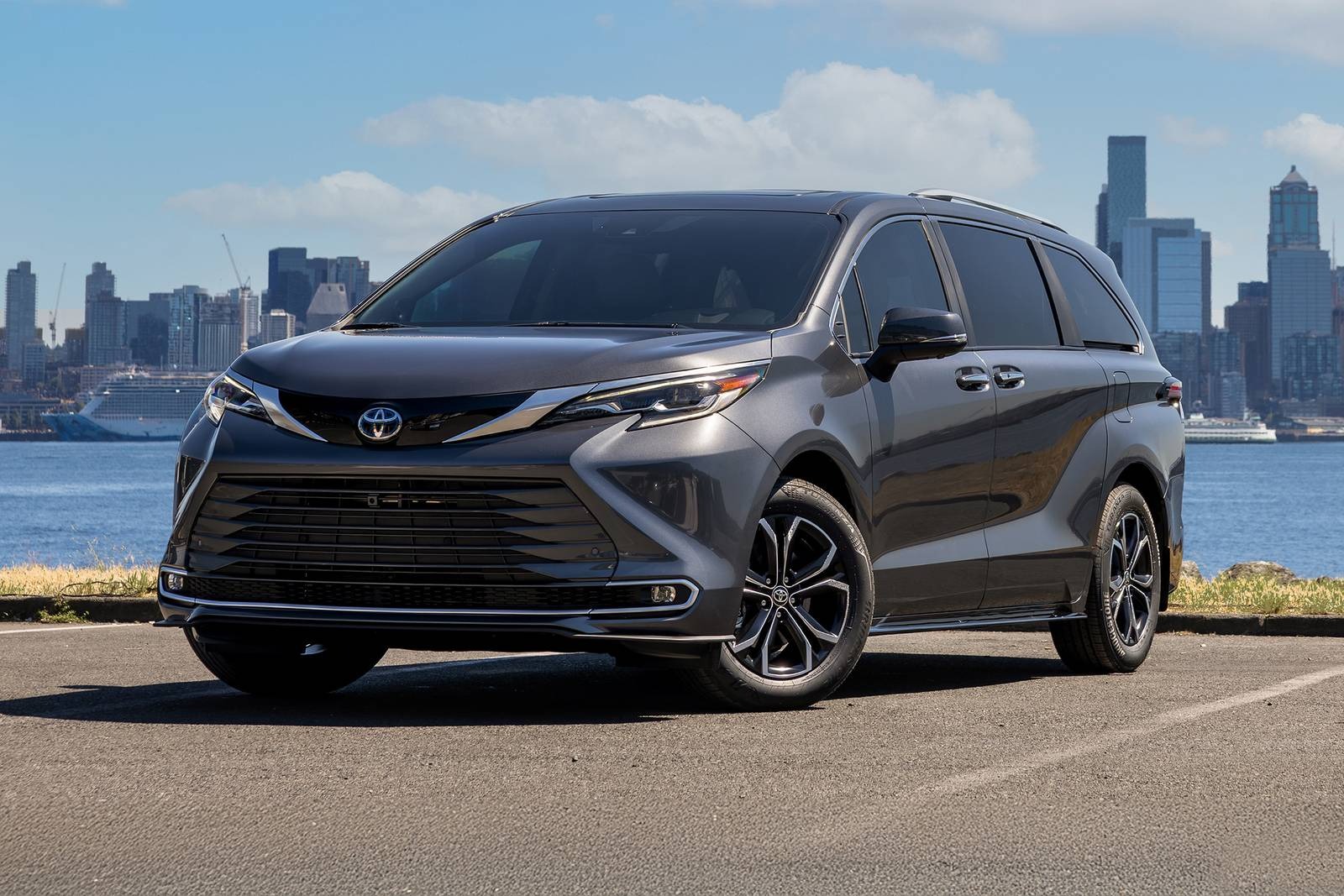
Choosing the right family transport requires balancing passenger capacity, cargo flexibility, advanced safety features, and everyday drivability. When looking at the automotive landscape for family-oriented vehicles, minivans continue to offer unmatched utility compared to traditional three-row sport utility vehicles. Modern family haulers feature sophisticated hybrid powertrains, all-wheel-drive configurations, and entertainment systems that keep passengers comfortable on long road trips or daily school runs.
Understanding the Modern Mom Van Market
The modern family vehicle market has evolved past the boxy, utilitarian people-movers of previous decades. Today’s family vans are rolling command centers equipped with advanced driver assistance systems, premium connectivity, and highly configurable interior seating. Selecting the right model requires an understanding of how different manufacturers approach the balance between fuel economy, interior packaging, and pricing.
When evaluating these vehicles, buyers must consider several core criteria:
- Seating and Cargo Flexibility: The ease of stowing seats into the floor or removing them entirely to maximize cargo volume.
- Powertrain Efficiency: The availability of hybrid systems or all-wheel drive to handle varying weather and fuel cost conditions.
- Infotainment and Connectivity: Multiple USB ports, rear-seat entertainment screens, and smartphone integration to keep children and teens occupied.
- Safety Technology: Standard automated emergency braking, blind-spot monitoring, and adaptive cruise control.
The Top 5 Ranked Family Vans
1. Chrysler Pacifica Hybrid
The Chrysler Pacifica Hybrid remains a standout option in the segment due to its unique plug-in hybrid electric vehicle architecture. It allows families to complete daily local errands on pure electric power before seamlessly transitioning to its gasoline engine for longer highway trips.
- Pros: Exceptional fuel economy when charged regularly, smooth ride quality, and the signature Stow 'n Go seating for the second row (though third-row seats still fold flat).
- Cons: The second-row seats cannot fold completely into the floor due to the under-floor battery pack, requiring manual removal if maximum flat-floor cargo space is needed. Pricing sits at the higher end of the segment.
2. Toyota Sienna
The Toyota Sienna approaches family transportation exclusively through hybrid efficiency. Every trim level comes standard with a hybrid powertrain, and buyers can choose between front-wheel drive and an electronic all-wheel-drive system that utilizes a dedicated rear electric motor to improve traction in slippery weather.
- Pros: Outstanding fuel economy ratings, robust all-wheel-drive capability, and a reputation for long-term reliability and high resale value.
- Cons: The second-row seats slide fore and aft but cannot be easily removed or folded into the floor, which limits massive cargo-hauling versatility compared to competitors.
3. Honda Odyssey
The Honda Odyssey focuses heavily on interior packaging, road manners, and family-friendly ergonomics. While it lacks an all-wheel-drive option or a hybrid variant, its V6 engine delivers responsive performance and refined highway cruising dynamics.
- Pros: The ingenious Magic Slide second-row seats allow lateral movement, making it easy to create side-by-side seating or a center aisle. Excellent small-item storage and a built-in cabin vacuum on upper trims.
- Cons: Fuel economy trails behind hybrid competitors like the Sienna and Pacifica. All-wheel drive is unavailable, which may deter buyers in snow-heavy regions.
4. Kia Carnival
The Kia Carnival occupies a unique space, blending minivan utility with SUV-inspired styling cues. It offers a spacious cabin, bold exterior lines, and a comprehensive suite of standard technology features that appeal to style-conscious families.
- Pros: Highly competitive pricing, upscale interior design, powerful V6 engine, and available VIP lounge seats in the second row for ultimate passenger comfort.
- Cons: Like the Odyssey and Sienna, its second-row seats must be manually removed rather than folded into the floor. A hybrid variant is arriving, but availability and rollout timelines can vary by region.
5. Volkswagen ID. Buzz
For families ready to embrace fully electric driving, the Volkswagen ID. Buzz brings retro-inspired styling and zero-emission capability to the family van category. Its distinct aesthetic stands out in school pick-up lines while offering a modern electric vehicle platform.
- Pros: Fully electric operation with instant torque, striking design, spacious greenhouse, and a highly customizable interior layout.
- Cons: Driving range depends heavily on weather and cargo load; charging infrastructure planning is required for extended road trips. Higher initial purchase price compared to traditional internal combustion engine options.
Comparison of Key Specifications
| Vehicle Model | Powertrain Options | Seating Capacity | AWD Available? | Distinctive Feature |
|---|---|---|---|---|
| Chrysler Pacifica Hybrid | Plug-in Hybrid (PHEV) | Up to 7 | No | Electric-only daily driving range |
| Toyota Sienna | Standard Hybrid | Up to 8 | Yes | Electronic on-demand AWD system |
| Honda Odyssey | V6 Gas | Up to 8 | No | Magic Slide second-row seats |
| Kia Carnival | V6 Gas / Hybrid | Up to 8 | No | SUV-inspired styling and interior layout |
| Volkswagen ID. Buzz | Fully Electric (EV) | Up to 7 | Yes (Dual Motor) | Retro EV styling and zero tailpipe emissions |
Evaluating Total Cost of Ownership
When budgeting for a family vehicle, the purchase price represents only one component of the total financial commitment. Insurance premiums, fuel or electricity expenses, routine maintenance, and depreciation heavily influence long-term costs.
- Fuel and Energy Costs: Hybrid models like the Sienna and Pacifica Hybrid significantly reduce weekly fuel expenditure, particularly for drivers with heavy stop-and-go city commutes. Fully electric options like the ID. Buzz eliminate gasoline entirely, though home Level 2 charger installation costs must be factored into the initial budget.
- Maintenance Requirements: Traditional gas-powered vans like the Odyssey and Carnival follow standard maintenance intervals for fluids, brakes, and tires. Hybrids add complexity with battery cooling systems, but regenerative braking often extends traditional brake pad lifespan.
Frequently Asked Questions
Which family van offers the best fuel economy?
The Toyota Sienna leads traditional efficiency metrics with its standard hybrid powertrain, achieving impressive city and highway ratings. The Chrysler Pacifica Hybrid offers the highest potential efficiency for drivers who can utilize its plug-in electric range for daily short trips before the gas engine engages.
Do any modern vans feature all-wheel drive?
Yes. The Toyota Sienna offers an electronic all-wheel-drive system across its lineup, and select electric configurations like the dual-motor Volkswagen ID. Buzz provide all-wheel traction. Models like the Honda Odyssey and traditional Kia Carnival rely exclusively on front-wheel drive.
Are second-row seats removable in all models?
No. While vehicles like the Honda Odyssey and Kia Carnival feature removable second-row seats, models with integrated side-airbags or complex under-floor storage mechanisms—such as the Toyota Sienna and Chrysler Pacifica Hybrid—utilize sliding or folding designs that may require more effort or cannot be entirely removed without tools.
What safety features should I look for?
Look for comprehensive advanced driver assistance suites that include automatic emergency braking with pedestrian detection, lane-keep assist, blind-spot monitoring, and rear cross-traffic alert. These systems provide crucial intervention capabilities during high-distraction driving environments.
Is a minivan better than a large three-row SUV for families?
Minivans generally offer superior interior cargo volume, lower step-in heights for children, sliding doors that prevent parking lot dings, and more versatile third-row legroom compared to similarly priced three-row SUVs. SUVs typically provide higher ground clearance and greater towing capacity.
Final Recommendation
Choosing the ideal family transporter depends entirely on your daily driving routine and regional climate. For maximum fuel savings and all-weather confidence, the Toyota Sienna serves as a dependable, low-maintenance daily driver. If your routine involves predictable short loops with access to home charging, the Chrysler Pacifica Hybrid minimizes gasoline consumption. Families prioritizing absolute interior flexibility and slide-adjustable seating will find the Honda Odyssey hard to beat. Assess your local charging infrastructure, passenger requirements, and budget to select the configuration that best supports your household's daily logistics.