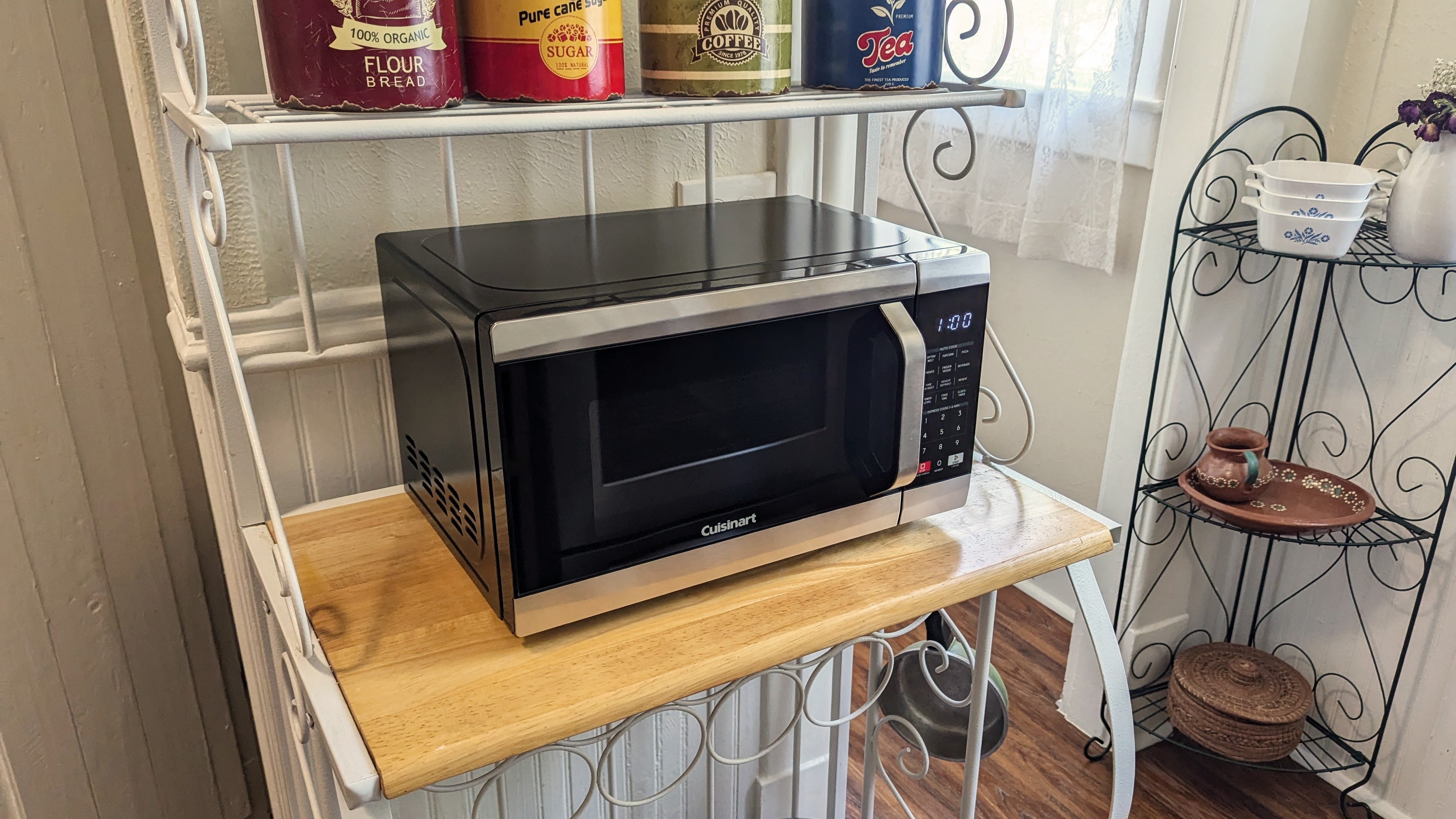
Finding the best countertop microwave for your kitchen requires balancing physical dimensions, wattage, cavity capacity, and specialized cooking modes to ensure the appliance integrates smoothly into your daily routine. Countertop microwaves remain the most versatile and accessible heating appliances in modern homes, offering powerful defrosting, reheating, and convection-assisted baking without requiring permanent cabinetry modifications. Whether you are outfitting a compact apartment kitchen, upgrading a bustling family home workspace, or searching for an intuitive appliance for older family members, evaluating the right features ensures long-term satisfaction.
Below is a detailed examination of five top-tier countertop microwaves that deliver exceptional cooking performance, reliable build quality, and user-friendly interfaces, followed by comprehensive buying criteria, usage tips, and answers to common consumer questions.
Understanding Countertop Microwave Categories and Key Specifications
Before diving into specific product evaluations, it is essential to understand the technical metrics that separate a mediocre appliance from a high-performing kitchen tool. Countertop microwaves are generally categorized by physical footprint, power output measured in watts, and internal cavity capacity measured in cubic feet.
Power Output and Wattage Classes
Wattage dictates how quickly and evenly a microwave cooks food. Models generally fall into three power tiers:
- Compact Class (600 to 800 watts): Ideal for small dorm rooms, office break rooms, or minimalist kitchens where counter space is at an absolute premium. These units handle basic beverage warming, frozen dinners, and single-serve popcorn bags, but require longer cook times for dense foods.
- Mid-Size Class (900 to 1,100 watts): The sweet spot for most households. These microwaves offer rapid heating speeds, accommodate standard 10-to-12-inch dinner plates, and feature enough power to defrost large cuts of meat evenly without partially cooking the edges.
- Full-Size / Heavy-Duty Class (1,200 to 1,800+ watts): Engineered for heavy family use and multi-course meal preparation. These units often incorporate inverter technology or convection capabilities, allowing them to bake, roast, and brown foods similarly to a traditional wall oven.
Inverter Technology vs. Traditional Transformers
Traditional microwaves achieve lower power levels by cycling the magnetron on and off at full blast, which can result in rubbery edges on defrosted meats and unevenly heated soups. Inverter technology, pioneered heavily by brands like Panasonic, delivers a constant, modulated stream of lower power. This continuous energy flow ensures delicate items such as melting chocolate, softening butter, and simmering sauces occur smoothly without scorching or hot spots.
Reviewing the 5 Best Countertop Microwaves
The following selections represent the market leaders based on reliability, user ergonomics, heating efficiency, and specialized feature sets.
1. Panasonic NN-SN686S Inverter Microwave Oven (1.2 Cu. Ft., 1200W)
The Panasonic NN-SN686S is widely recognized as a benchmark for reliable countertop performance due to its patented Cyclonic Inverter technology.
- Physical Footprint and Capacity: Measuring 15.8 inches deep by 20.6 inches wide by 12.4 inches high, it offers a generous 1.2 cubic feet of interior space housed within a remarkably efficient exterior chassis.
- Performance Analysis: Delivering a robust 1,200 watts of cooking power, this model boils water rapidly and cuts defrosting times significantly compared to older transformer-based designs. The true low-power delivery prevents the outer edges of frozen proteins from cooking prematurely.
- User Interface: Features a minimalist control panel with a tactile membrane keypad, a responsive acrylic dial, and an intuitive Genius Sensor cooking system. The sensor automatically adjusts power levels and calculates cooking or reheating times based on the steam emitted by the food.
- Pros: Exceptional inverter power modulation, highly accurate sensor cook menus, sleek stainless steel finish.
- Cons: The door release button can feel slightly stiff out of the box, and the interior light is dimmer than some users prefer.
2. Toshiba EM925A2A-BS Countertop Microwave (0.9 Cu. Ft., 900W)
For apartments, kitchenettes, or dorm rooms with strict spatial constraints, the Toshiba EM925A2A-BS provides a balanced compromise between compact dimensions and everyday usability.
- Physical Footprint and Capacity: With an exterior measuring 19.1 inches wide by 14.9 inches deep by 11.5 inches high, this 0.9-cubic-foot unit easily tucks into tight corners while accommodating a standard 10.6-inch glass turntable.
- Performance Analysis: Rated at 900 watts with 10 distinct power levels, it excels at daily tasks such as reheating coffee, warming leftovers, and cooking pre-packaged frozen meals.
- User Interface: It incorporates a digital control panel with a clear LED display, a convenient ECO mode to minimize standby power consumption, a mute button to silence loud keypad beeps, and one-touch express cooking buttons from 1 to 6 minutes.
- Pros: Compact footprint, highly affordable price point, dedicated mute function for quiet operation.
- Cons: Lower wattage means longer cook times for dense foods; the interior cannot accommodate extra-large casserole dishes.
3. Breville Quick Touch Convection Microwave (1.5 Cu. Ft., 900W Microwave / 1800W Convection)
The Breville Quick Touch Convection bridges the gap between a standard microwave and a secondary wall oven, making it an elite choice for culinary enthusiasts.
- Physical Footprint and Capacity: This is a larger, heavier appliance, measuring roughly 20.4 inches wide by 20.2 inches deep by 12.5 inches high, featuring a 1.5-cubic-foot stainless steel interior cavity.
- Performance Analysis: Beyond traditional microwave heating, it integrates an 1,800-watt convection heating element and a dual-quartz grill system. Users can bake cookies, roast small chickens, and crisp pizzas directly inside the appliance using pre-set Smart Cook and Smart Defrost algorithms.
- User Interface: Features Breville’s signature intuitive shortcut panel, an easy-to-read LCD screen, a stainless steel metal dial, and a "A Bit More" button that adds precise time extensions when a dish needs a little extra cooking.
- Pros: True convection baking capabilities, premium build materials, highly sophisticated preset menu options.
- Cons: Significantly higher initial cost; takes up substantial counter and vertical clearance space.
4. GE JES1097SMSS Countertop Microwave (0.9 Cu. Ft., 900W)
General Electric produces some of the most reliable kitchen appliances on the market, and the JES1097SMSS is a stalwart option designed for everyday durability.
- Physical Footprint and Capacity: Compact dimensions (17.3 inches wide by 13.0 inches deep by 10.2 inches high) paired with a 0.9-cubic-foot interior cavity make it exceptionally well-suited for office kitchens and studio apartments.
- Performance Analysis: The 900-watt power plant heats food evenly across its rotating glass turntable. It includes weight and time defrost options alongside explicit sensor cooking controls for popcorn, potatoes, and beverages.
- User Interface: Clean stainless steel aesthetic featuring a straightforward push-button door mechanism, electronic touch pads, and a clear digital clock/timer display.
- Pros: Dependable brand reliability, straightforward controls, quick and even sensor defrosting.
- Cons: The exterior cabinet attracts fingerprints easily, requiring frequent cleaning with microfiber cloths.
5. Farberware FMO12AHTBKS Classic Microwave (1.2 Cu. Ft., 1100W)
The Farberware Classic strikes a harmonious balance between generous interior capacity, strong wattage, and an economical price tag.
- Physical Footprint and Capacity: Measuring 20.5 inches wide by 17.1 inches deep by 12.8 inches high, it provides 1.2 cubic feet of cooking volume with a spacious 12.4-inch glass turntable.
- Performance Analysis: Backed by 1,100 watts of cooking power, this unit handles heavy meal preparation with ease. It features 10 power levels, multi-stage cooking memory, and express cook controls from 1 to 6 minutes.
- User Interface: A bright LED display accompanied by a control panel that includes multi-function presets, a memory function to save custom cooking cycles, and a child safety lock.
- Pros: High power output for the price, spacious interior cavity, easy-to-use child safety lockout feature.
- Cons: Operating noise level during heating cycles is slightly louder than premium inverter models.
Comparison Matrix: Selecting the Right Model
To help clarify your purchasing decision, review the core specifications of each evaluated countertop microwave side-by-side:
| Model Name | Capacity (Cu. Ft.) | Wattage (W) | Core Technology | Best Suited For |
|---|---|---|---|---|
| Panasonic NN-SN686S | 1.2 | 1200 | Cyclonic Inverter | Precision cooking, delicate defrosting, families |
| Toshiba EM925A2A-BS | 0.9 | 900 | Traditional Transformer | Small spaces, dorms, budget-conscious buyers |
| Breville Quick Touch | 1.5 | 900 (Microwave) / 1800 (Convection) | Convection & Grill Combo | Baking, roasting, culinary enthusiasts |
| GE JES1097SMSS | 0.9 | 900 | Standard Sensor | Office break rooms, compact apartments |
| Farberware Classic | 1.2 | 1100 | Traditional Transformer | General family reheating, high value |
Critical Factors to Consider Before Buying
Purchasing a countertop microwave involves more than just picking the cheapest or highest-rated model online. Evaluating your specific spatial constraints and cooking habits will guarantee long-term satisfaction.
1. Measuring Counter Space and Clearance
Never rely solely on nominal capacity ratings when checking counter space. Measure the available width, depth, and height of your countertop area, keeping overhead upper cabinets in mind. Furthermore, ensure there is adequate ventilation clearance around the sides and rear of the chassis according to the manufacturer's user manual to prevent overheating.
2. Door Clearance and Opening Mechanisms
Consider how the microwave door opens. Most units feature a pull handle or a mechanical push-button latch on the right side of the control panel. Ensure that adjacent walls, refrigerator panels, or kitchen upper corners will not obstruct the door from opening to a full 90 degrees or wider for easy dish insertion.
3. Interior Turntable Diameter
A large capacity rating means little if the interior circular track cannot accommodate your widest dinnerware. Check the diameter of the glass turntable. If you frequently cook with 12-inch oval casserole dishes or square baking pans, look for a model with a turntable of at least 12 inches or a turntable-off feature.
Frequently Asked Questions
What is the advantage of an inverter microwave over a traditional one?
Inverter microwaves deliver a continuous, steady stream of low-to-medium power rather than pulsing full power on and off. This prevents delicate foods like seafood, chocolate, and sauces from boiling over or developing rubbery edges during defrosting and reheating cycles.
Can a countertop microwave completely replace a wall oven?
Standard single-purpose countertop microwaves cannot replace a traditional oven because they lack browning and crisping elements. However, convection countertop models equipped with built-in heating coils and fans can successfully roast meats, bake cookies, and toast bread.
How much counter clearance do microwaves require for safety?
Most manufacturers recommend leaving at least 2 to 3 inches of clearance on the sides and top, and 1 inch at the rear, to allow proper airflow and heat dissipation during extended operating cycles. Always consult the specific product manual for exact tolerances.
Why does my microwave continue to hum after cooking finishes?
The humming sound after a cooking cycle ends is typically the cooling fan operating to dissipate heat from the magnetron and internal electrical transformers. This is normal behavior and the fan usually shuts off automatically after 30 to 60 seconds.
Final Recommendation
Selecting the ideal countertop microwave depends entirely on your culinary ambitions and spatial limits. If you prioritize precision heating, flawless defrosting, and reliable daily performance, the Panasonic NN-SN686S Inverter Microwave stands as the premier overall choice. For buyers with restricted space or tighter budgets, the Toshiba EM925A2A-BS delivers remarkable utility in a compact frame. Assess your kitchen's dimensions, measure your favorite dishes, and choose the model that aligns seamlessly with your cooking workflow.