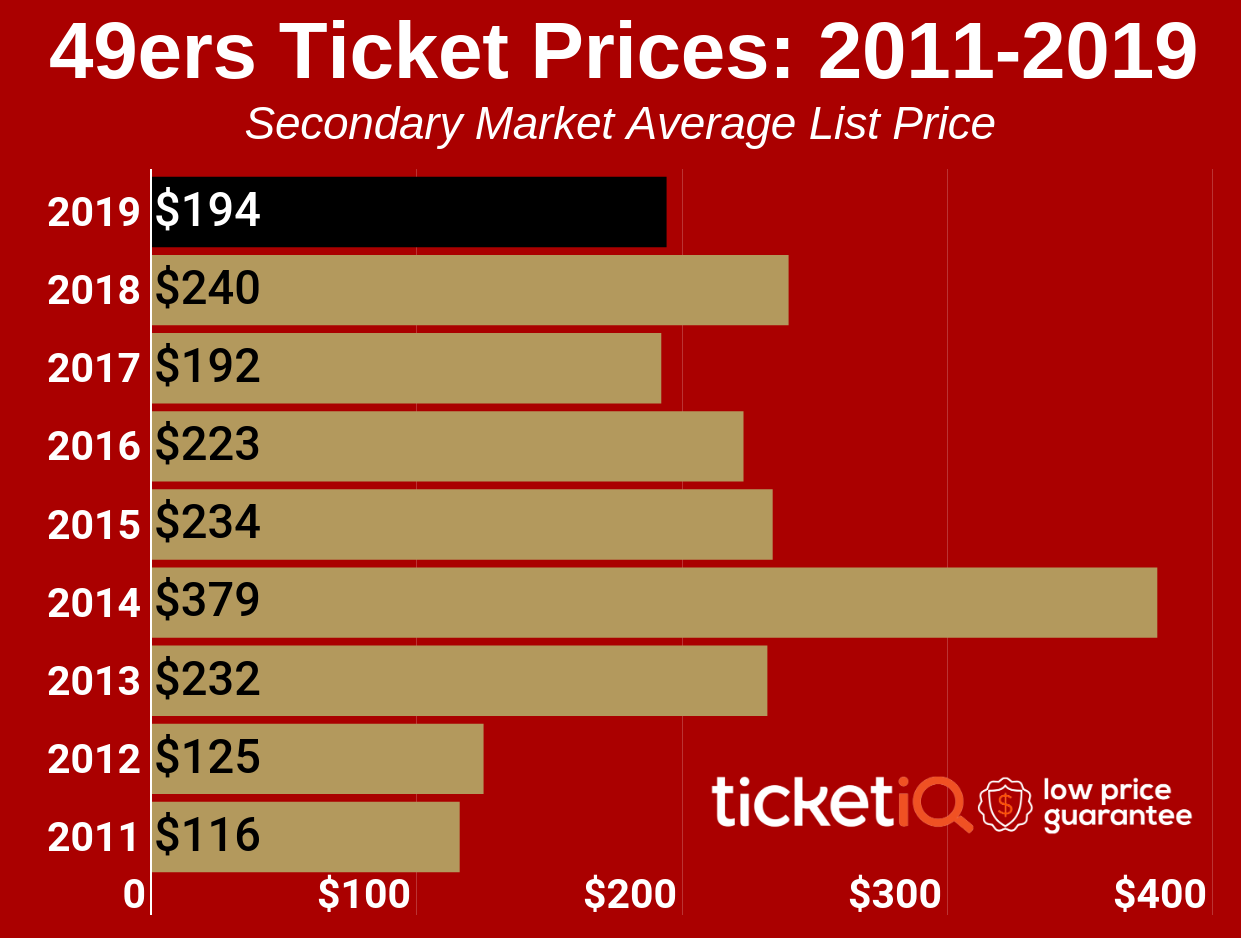
The San Francisco 49ers average ticket price varies widely based on factors such as opponent strength, seat location, stadium demand, and whether tickets are purchased on the primary market or secondary resale platforms. Generally ranging from $150 to over $400 for face-value standard seating, total attendance costs fluctuate significantly depending on the overall competitiveness of the team and the historical allure of specific matchups at Levi's Stadium.
Navigating the ticket market for National Football League (NFL) games requires an understanding of how pricing mechanisms operate. For fans of the San Francisco 49ers, securing entry to Levi's Stadium in Santa Clara involves navigating a complex ecosystem of personal seat licenses (PSLs), secondary market dynamics, and dynamic pricing strategies implemented by the franchise and ticket vendors. This guide breaks down the economic realities of attending a 49ers home game, examining everything from baseline average costs to strategic buying advice.
Understanding the Economics of NFL Ticketing
The cost of attending a professional football game is rarely a static figure. Unlike traditional entertainment mediums with fixed admission fees, the NFL ticketing landscape relies heavily on supply, demand, and dynamic adjustments.
The Role of Dynamic Pricing
Most modern sports franchises, including the 49ers, utilize dynamic pricing models. This means that ticket prices fluctuate in real-time based on market demand, weather forecasts, injury reports, team performance, and the popularity of the opposing team. A game against a struggling rival late in the season might see ticket prices drop below face value, while a primetime matchup against a conference powerhouse commands a substantial premium.
Primary Versus Secondary Markets
To understand the true average ticket price, it is essential to distinguish between the primary market and the secondary market:
- Primary Market: Tickets sold directly by the team or its official ticketing partners (such as Ticketmaster). These prices are set prior to the season and represent the baseline face value.
- Secondary Market: Platforms like StubHub, SeatGeek, Vivid Seats, and Ticketmaster Resale where season ticket holders and third-party brokers sell their seats. This market dictates the actual going rate for high-demand games, which frequently exceeds face value.
Historical and Current Cost Breakdown for Levi's Stadium
Levi's Stadium, which opened in 2014, features a wide array of seating tiers, ranging from standard upper-deck rows to ultra-exclusive club spaces and luxury suites. Consequently, the "average" ticket price can be skewed by the presence of high-cost premium inventory.
Standard Seating Baseline
For standard bowl seating—typically located in the upper or lower bowls behind the end zones or along the sidelines—face-value prices generally start around $110 to $175 per ticket for less desirable matchups. Premium lower-bowl seats along the 50-yard line command much higher baseline figures, often starting above $400 before factoring in secondary markups.
Premium Seating and Club Level Access
Levi's Stadium is known for its extensive club-level amenities. Seats in these sections include access to climate-controlled lounges, upscale food and beverage options, and wider seating. Tickets in these zones frequently start north of $500 on the primary market and can easily eclipse $1,000 per seat on the secondary market for marquee games.
| Seating Tier | Typical Primary Market Range | Typical Secondary Market Range | Key Amenities Included |
|---|---|---|---|
| Upper Bowl (End Zone/Corner) | $95 – $175 | $120 – $250 | Standard stadium seating, high elevation view |
| Upper Bowl (Sideline) | $160 – $260 | $200 – $380 | Better sightlines for the entire field |
| Lower Bowl (End Zone) | $220 – $350 | $280 – $500 | Close proximity to the field of play |
| Lower Bowl (Sideline) | $350 – $600+ | $450 – $1,200+ | Premium views near team benches or 50-yard line |
| Club Level / Luxury Suites | $500 – $1,500+ | $750 – $3,000+ | Lounge access, upscale dining, private concourse |
Key Factors Influencing 49ers Ticket Prices
Several distinct variables drive the fluctuations in the cost of seeing the San Francisco 49ers play live at Levi's Stadium. Recognizing these factors helps buyers pinpoint optimal moments to purchase admission.
Opponent Strength and Rivalry Status
Matchups against NFC West divisional rivals—namely the Seattle Seahawks, Los Angeles Rams, and Arizona Cardinals—consistently drive higher ticket demand. Additionally, games against high-profile historical rivals or teams featuring major national television draws command significantly higher prices than cross-conference or rebuilding opponents.
Game Timing and Slotting
Primetime games, such as Monday Night Football, Sunday Night Football, and Thanksgiving or holiday fixtures, carry an inherent prestige and national audience that inflates ticket values. Conversely, standard Sunday afternoon 1:00 PM EST (10:00 AM PST) kickoffs sometimes see softer demand, creating opportunities for budget-conscious buyers.
Team Performance and Season Trajectory
As a perennial contender in the NFC, the 49ers experience heightened local and national interest. When the team is projected to make a deep postseason run, season ticket holders hold onto their inventory, reducing supply on the secondary market and driving overall averages upward. In rebuilding or injury-plagued years, ticket availability increases, and prices compress closer to or below face value.
The Impact of Personal Seat Licenses (PSLs)
A defining characteristic of purchasing season tickets at Levi's Stadium is the Personal Seat License system. A PSL is a one-time fee paid by the fan to secure the right to purchase season tickets for a specific seat location year after year.
Because many lower-bowl and club seats are tied to expensive PSLs, the original owners have a substantial financial stake in their tickets. This economic structure influences how ticket holders price their seats on the secondary market, as they often attempt to recoup their annual ticket costs—and potentially their PSL investment—across a handful of high-demand games. Consequently, baseline secondary pricing for 49ers games tends to remain resilient even during down periods.
Practical Strategies for Buying 49ers Tickets
Securing tickets to a San Francisco 49ers home game without overpaying requires a strategic approach to timing, platform selection, and seating choices.
1. Evaluate Multiple Marketplaces
Never rely on a single ticketing platform. Compare prices across primary outlets like Ticketmaster as well as reputable secondary exchanges. Fees vary significantly between platforms, so always review the total cost including service charges before completing a transaction.
2. Time Your Purchase Correctly
The optimal time to buy tickets depends heavily on market conditions:
- For High-Demand Games: (e.g., playoff implications, primetime rivalries), purchasing early on the primary market or locking in tickets as soon as the schedule is released often prevents exposure to hyper-inflated late-stage secondary pricing.
- For Standard Games: Waiting until 24 to 48 hours before kickoff can yield bargains. Season ticket holders who cannot attend a game will frequently panic-drop their prices on resale platforms to ensure their seats do not go empty.
3. Consider Visibility and Section Trade-Offs
Seats in the very last rows of the lower bowl are often more expensive than seats in the first few rows of the upper deck, yet upper deck seats near the 50-yard line frequently offer superior geometric sightlines for tracking plays develop. Assessing your personal preference for elevation versus proximity can save considerable money.
Frequently Asked Questions
What is the face value of a standard San Francisco 49ers ticket?
Face values vary dramatically depending on the exact row and section. Standard upper-deck seats typically start around $95 to $150 on the primary market, while lower-bowl seats range from $220 to over $600 before resale markups.
Are fees included in the average 49ers ticket price?
Reported averages generally reflect the base ticket price and exclude service fees, taxes, and parking. Buyers should anticipate adding 20% to 30% to the listed ticket price to account for vendor processing fees on secondary platforms.
Is it cheaper to buy tickets at the Levi's Stadium box office on game day?
Purchasing tickets physically at the stadium box office can occasionally save you from online broker fees if inventory remains available, but day-of-game box office availability for popular 49ers games is extremely limited. Most transactions occur digitally through authorized apps.
Do 49ers ticket prices drop closer to kickoff?
For the majority of regular-season games against non-marquee opponents, secondary market prices tend to drop significantly in the final 24 hours before kickoff as sellers try to unload unwanted inventory. However, for premium games or rivalry matchups, prices may actually rise due to scarcity.
How do parking costs affect the overall expense of attending a game?
Parking at Levi's Stadium is notoriously expensive and must typically be purchased in advance. Official stadium parking passes frequently cost between $50 and $100+, which adds a substantial overhead cost to the total game-day experience beyond the ticket price itself.
Conclusion and Next Actions
Evaluating the average ticket price for a San Francisco 49ers game requires looking beyond a single headline number. With standard seats starting near $100 and premium club experiences stretching well past $1,000, total attendance costs are dictated by opponent selection, timing, and seating tier. To secure the best value, monitor primary release dates for face-value access, track secondary market trends in the days leading up to kick-off, and factor ancillary expenses like parking and fees into your overall budget before finalizing your purchase.