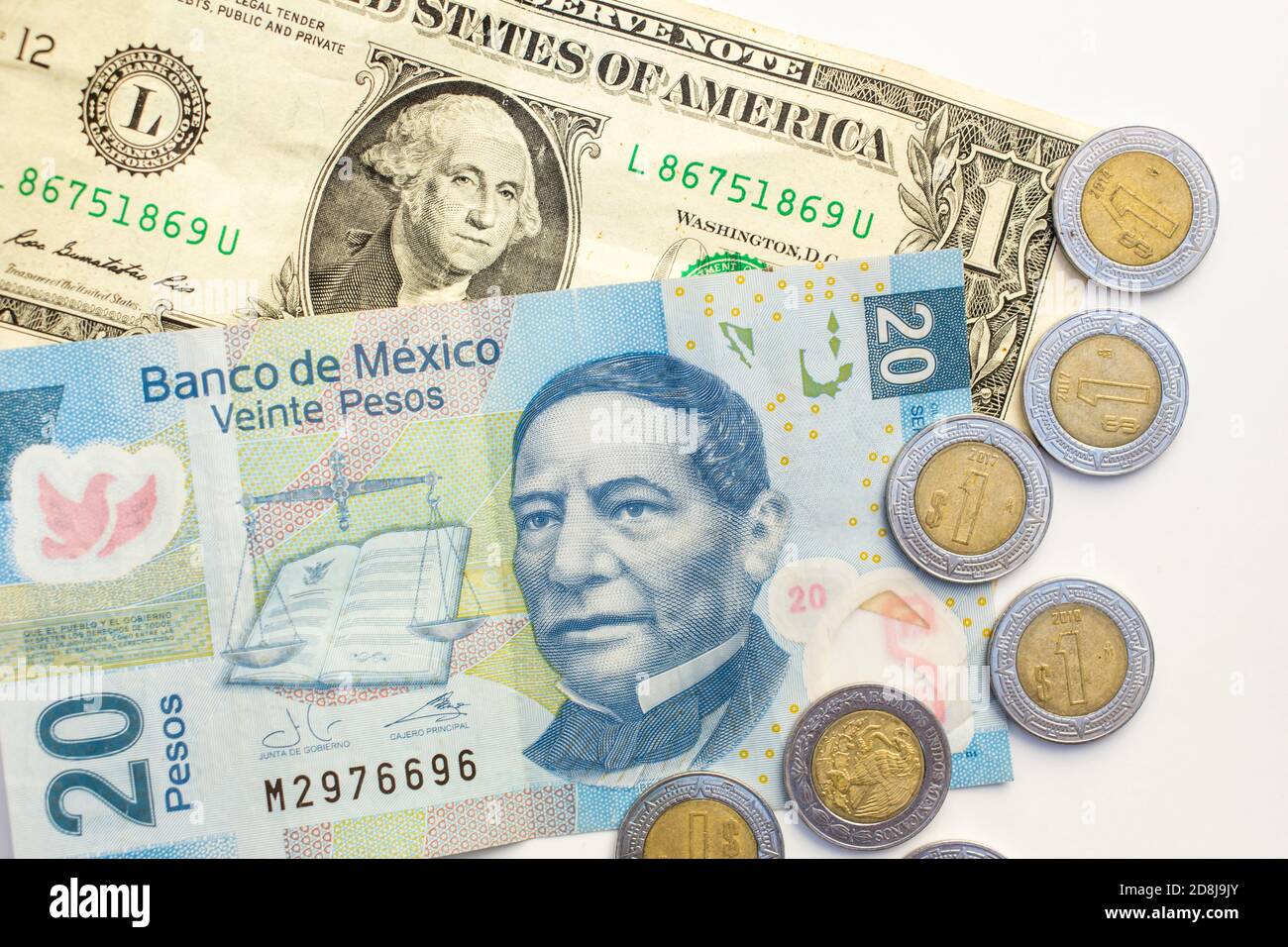
Converting 4 000 pesos to United States dollars requires identifying the specific peso currency involved—such as Mexican, Philippine, Colombian, Chilean, or Argentine pesos—because exchange rates vary drastically across these sovereign currencies, and then applying the live mid-market exchange rate while accounting for provider fees and transfer methods.
Understanding the Ambiguity of "Pesos" in Global Finance
When individuals search for the conversion value of 4 000 pesos to dollars, they often overlook a fundamental reality of the global monetary system: "peso" is the name of the official currency used by multiple distinct nations. Without a specified country modifier, a figure of 4 000 pesos can refer to currencies with vastly different purchasing powers and exchange values relative to the United States dollar (USD).
Understanding the specific currency is the essential first step in any international financial calculation. Treating all pesos as equal leads to severe financial miscalculations, particularly when dealing with remittances, travel budgeting, or international trade settlements. The primary peso currencies actively traded against the US dollar include:
- Mexican Peso (MXN): One of the most heavily traded emerging market currencies globally, heavily influenced by trade volumes between Mexico and the United States.
- Philippine Peso (PHP): A prominent Southeast Asian currency tied closely to regional trade and substantial overseas worker remittances.
- Colombian Peso (COP): A South American currency influenced by commodity exports, particularly oil and coffee.
- Chilean Peso (CLP): Heavily tied to global copper markets and macroeconomic policies within Latin America.
- Argentine Peso (ARS): Subject to unique domestic economic conditions, capital controls, and multiple official versus parallel exchange rates.
When evaluating 4 000 pesos to dollars, financial platforms, banking apps, and conversion widgets typically default to the Mexican peso if accessed from North America, or the local currency depending on the user's IP geolocation. However, relying on default settings without verification introduces unnecessary financial risk. Always confirm the ISO 4217 currency code—such as MXN, PHP, or COP—before initiating any conversion or financial transaction.
Breakdown of 4 000 Pesos Across Major Currencies
To illustrate the stark differences in value, examining how 4 000 units of various peso currencies translate into US dollars highlights why disambiguation matters. Exchange rates fluctuate continuously based on macroeconomic indicators, interest rate decisions by central banks, geopolitical events, and market sentiment.
The table below outlines representative valuations for 4 000 units of the most common peso currencies converted into US dollars. Note that these figures reflect illustrative mid-market rates and will vary dynamically in real time.
| Currency Name | ISO Code | Illustrative Exchange Rate (vs. USD) | USD Value for 4 000 Units | Primary Regional Driver |
|---|---|---|---|---|
| Mexican Peso | MXN | ~17.50 – 20.00 MXN per 1 USD | ~$200.00 – $228.50 | North American trade, remittances, Banxico rates |
| Philippine Peso | PHP | ~55.00 – 58.00 PHP per 1 USD | ~$68.90 – $72.70 | BPO sector, overseas remittances, BSP policy |
| Colombian Peso | COP | ~3,900 – 4,300 COP per 1 USD | ~$93.00 – $1_02.50 | Oil exports, foreign direct investment |
| Chilean Peso | CLP | ~900 – 980 CLP per 1 USD | ~$40.80 – $44.40 | Global copper prices, Central Bank of Chile |
| Argentine Peso | ARS | Variable (Official vs. Parallel) | Varies widely by access channel | Capital controls, inflation adjustments |
Disclaimer: Foreign exchange rates fluctuate constantly. The values provided above are illustrative ranges and should not be used for formal financial accounting or execution without checking a live, verified feed.
Mechanics of Currency Exchange Rates and the Mid-Market Rate
To accurately convert 4 000 pesos to dollars, users must understand how currency exchange rates are formulated and quoted. The cornerstone of international currency exchange is the mid-market rate—also referred to as the interbank rate. This is the midpoint between the buy and sell prices of two currencies in global financial markets. Large financial institutions, central banks, and major currency traders use this rate when trading billions of dollars between themselves.
However, retail consumers rarely receive the pure mid-market rate. When regular individuals, travelers, or expatriates convert currency through commercial banks, digital wallet providers, or legacy wire services, intermediaries apply a markup. This markup represents the provider's profit margin and is charged in one of two ways (or frequently both):
- Exchange Rate Markup: The provider offers an exchange rate that is intentionally worse than the mid-market rate (e.g., selling USD to you at a higher price or buying your pesos at a lower price).
- Upfront Transfer Fees: A flat fee or percentage-based fee charged for processing the transaction, regardless of the exchange rate applied.
When converting a specific sum like 4 000 pesos, even a small percentage difference in the exchange rate or fee structure can materially impact the final amount of dollars received. Consumers should always request the exact exchange rate being applied and calculate the total net dollars delivered after all fees are deducted.
Factors Influencing Fluctuations in Peso-to-Dollar Rates
Foreign exchange values do not remain static. The conversion rate for 4 000 pesos to dollars changes second-by-second during active trading days. Several core macroeconomic drivers dictate these movements:
- Interest Rate Differentials: Central banks, such as the US Federal Reserve, the Bank of Mexico (Banxico), or the Bangko Sentral ng Pilipinas (BSP), set benchmark interest rates. Higher domestic interest rates often attract foreign capital seeking better yields, strengthening the local currency against the dollar.
- Inflation Rates: Countries experiencing higher relative inflation rates typically see their currencies depreciate over time against lower-inflation economies like the United States.
- Commodity Prices: Currencies like the Chilean and Colombian pesos are commodity-dependent. When global prices for copper or crude oil rise, national export revenues increase, strengthening the local currency.
- Political Stability and Fiscal Policy: Elections, legislative reforms, fiscal deficits, and sovereign debt ratings heavily influence investor confidence. Political uncertainty often triggers capital flight, weakening the local peso.
Methods for Converting and Transferring Funds
When individuals need to execute a conversion of 4 000 pesos to dollars, they can utilize several distinct channels. Each method carries different cost structures, speed profiles, and security considerations.
1. Specialized Money Transfer Services
Digital remittance platforms and fintech providers (such as Wise, Remitly, or OFX) generally offer rates much closer to the mid-market rate than traditional high-street banks. They achieve this by utilizing local bank accounts in multiple countries, bypassing the traditional SWIFT network for certain corridors. These services are ideal for individuals sending money across borders or converting funds digitally.
2. Commercial Banks and Wire Transfers
Traditional international wire transfers via the SWIFT network are secure and well-regulated, making them suitable for large corporate transactions. However, for smaller amounts like 4 000 pesos, intermediary bank fees, receiving fees, and uncompetitive exchange rate markups can severely diminish the net amount of dollars received.
3. Currency Exchange Kiosks and Airports
Physical exchange bureaus located in airports, tourist districts, and hotel lobbies offer immediate cash conversions. While convenient, this is universally the most expensive method. Kiosks absorb high operational overhead and captive consumer demand, charging exorbitant fees and applying heavily penalized exchange rates.
Step-by-Step Guide to Converting Funds Safely
To ensure an optimal exchange rate and protect funds during conversion, follow this systematic approach:
- Identify the Exact Currency: Confirm whether your 4 000 pesos are Mexican, Philippine, Colombian, or another variant by checking your source documentation or account type.
- Check the Live Mid-Market Rate: Use a reliable, neutral financial data provider (such as Reuters, Bloomberg, or XE) to check the current real-time mid-market exchange rate for your specific peso code against the US dollar.
- Compare Provider Costs: Review at least two or three reputable transfer services or banks. Calculate the total net dollars you will receive after factoring in all transfer fees and rate markups.
- Verify Recipient Details: If transferring the resulting dollars to a bank account, double-check routing numbers, account numbers, and SWIFT/BIC codes to prevent costly transfer delays or rejections.
- Retain Documentation: Keep electronic or physical receipts of the transaction, including the transaction reference number and agreed-upon exchange rate, until the funds successfully post to the destination account.
Common Mistakes to Avoid During Currency Conversion
Navigating international currency exchange involves several pitfalls that can lead to unexpected financial losses. Avoiding these common errors ensures that the full value of your converted funds reaches the intended destination.
- Ignoring Hidden Markups: Many commercial services advertise "zero transfer fees" but embed their profit directly into an inflated exchange rate. Always calculate the total payout rather than focusing solely on the advertised fee.
- Failing to Verify Currency Codes: Assuming that "pesos" is a universal term will lead to erroneous calculations. Converting 4 000 Colombian pesos is vastly different from converting 4 000 Mexican pesos.
- Using Airport Kiosks for Cash: Exchanging physical cash at airport kiosks should be reserved for absolute emergencies due to unfavorable rates and high service charges.
- Neglecting Timing and Market Hours: Foreign exchange markets close over weekends. Executing large conversions during weekend hours when liquidity is low can expose you to wider bid-ask spreads set by providers to hedge against market openings.
Frequently Asked Questions
How much is 4 000 Mexican pesos in US dollars?
Because exchange rates fluctuate continuously, 4 000 Mexican pesos (MXN) generally convert to approximately $200 to $230 USD, depending on the live market rate. Check a reliable financial platform for the exact second-by-second rate.
Which peso currency is worth the most against the US dollar?
Among major sovereign peso currencies, the Philippine peso (PHP) and Mexican peso (MXN) trade at higher fractional values per dollar compared to the Colombian peso (COP) or Chilean peso (CLP), which require thousands of units to equal a single US dollar. However, nominal unit value does not indicate economic strength or purchasing power parity.
Is it better to use a bank or an online transfer service for currency conversion?
Specialized online transfer services typically offer higher transparency, lower markup rates on exchange rates, and faster digital processing times compared to traditional commercial banks for moderate sums.
What is the mid-market exchange rate?
The mid-market rate is the halfway point between the buy and sell prices of two currencies in global financial markets. It represents the true baseline value of a currency without retail provider markups.
Do exchange rates change over the weekend?
Global foreign exchange markets close on Friday evenings and reopen on Sunday evenings (Greenwich Mean Time). During the weekend, retail providers often apply wider spreads to cover potential volatility when markets reopen.
Practical Next Actions
To convert 4 000 pesos to dollars efficiently, begin by verifying the exact ISO currency code of your funds. Access a trusted real-time financial tracking tool to establish the current mid-market baseline. Compare quotes from at least two reputable digital transfer platforms to identify the lowest net cost, complete your transaction during active weekday market hours, and retain all confirmation receipts for your records.