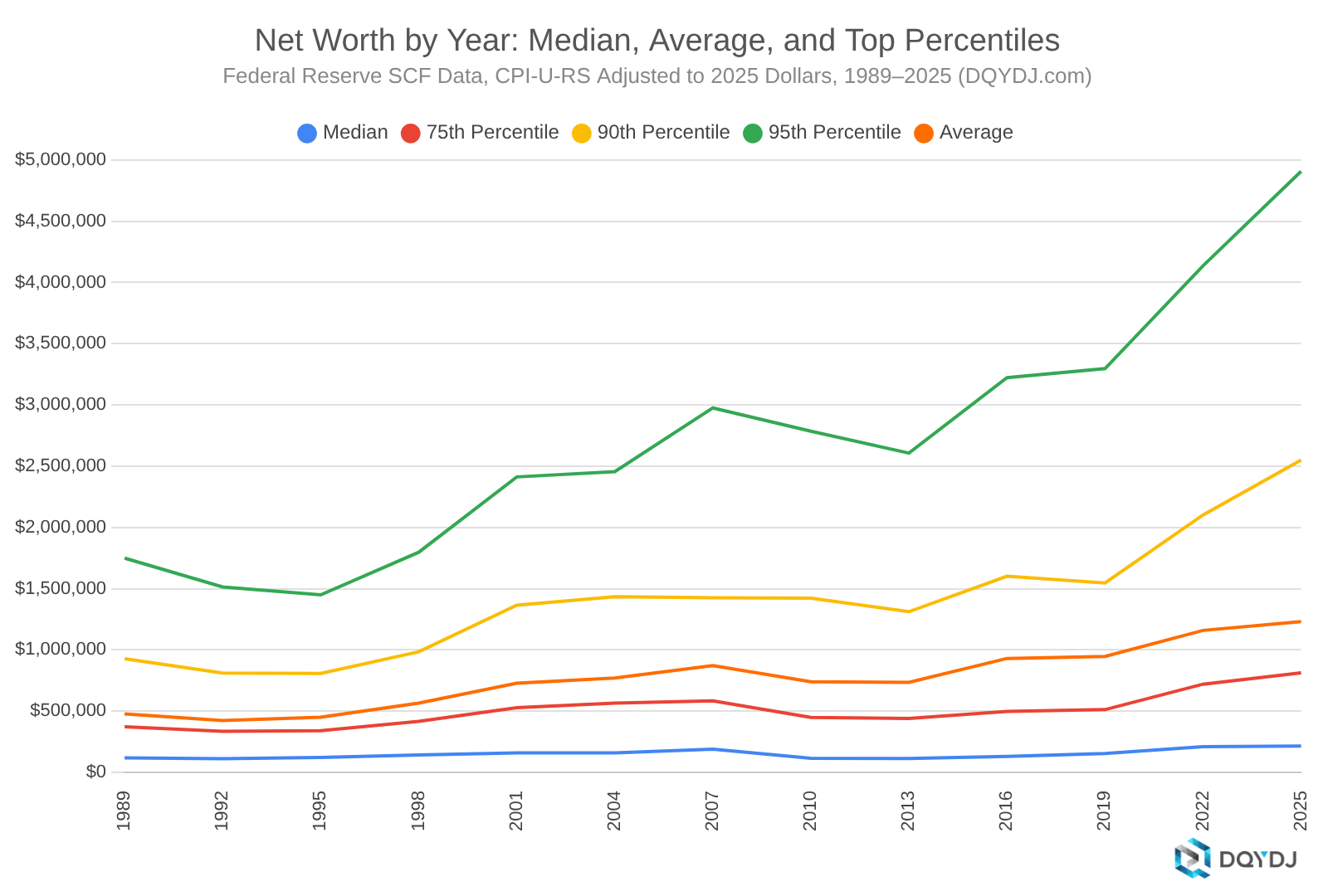
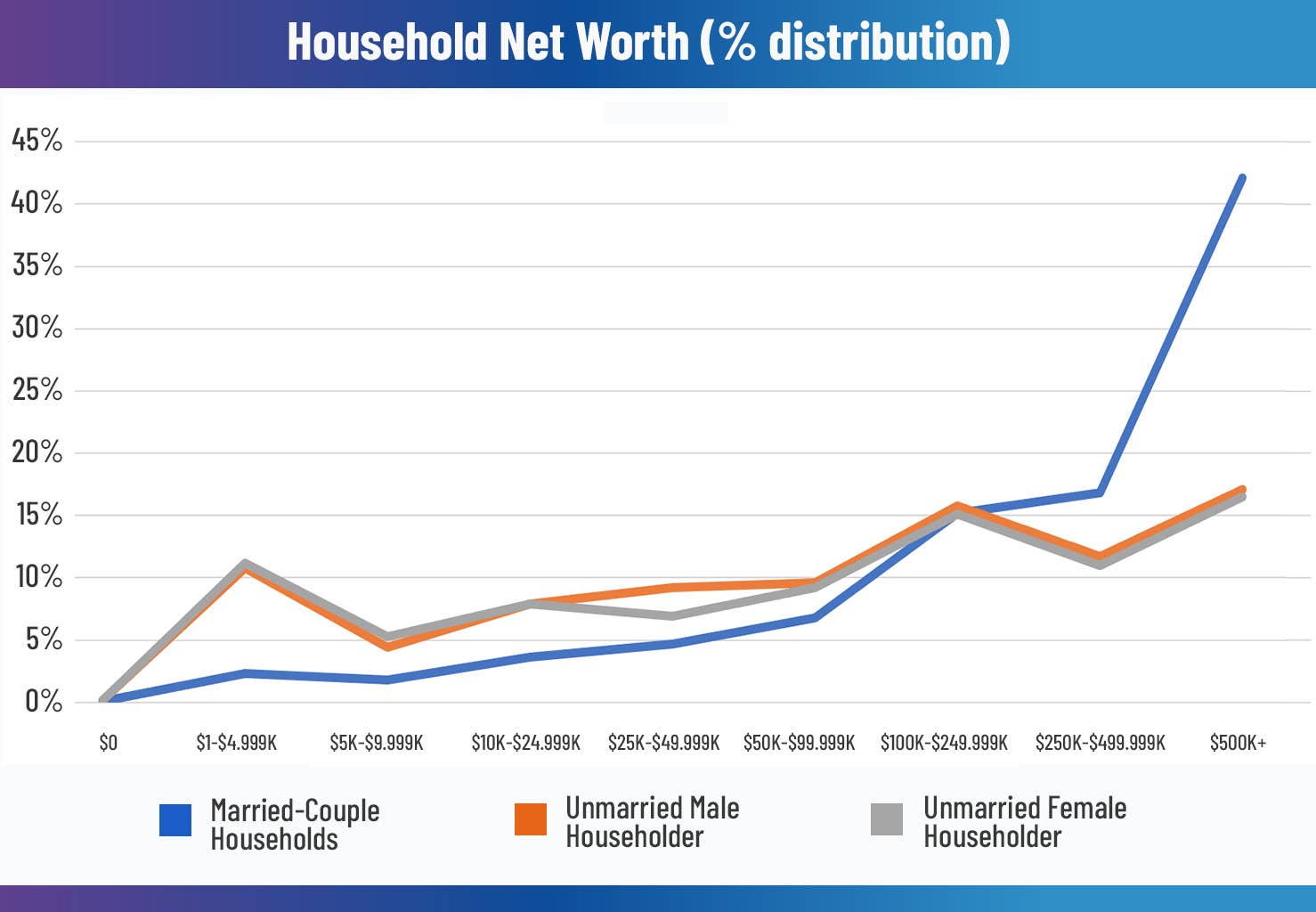
For a 63-year-old couple in the United States, achieving a median net worth of approximately $224,000 serves as an important benchmark that reflects a lifetime of saving, asset accumulation, and real estate investment, while simultaneously highlighting the stark financial vulnerabilities many households face on the threshold of traditional retirement age. This figure provides a critical reference point for pre-retirees evaluating their readiness to stop working, manage healthcare costs, and navigate Social Security decisions.
Evaluating household wealth at age 63 requires looking beyond a single aggregate number. Net worth—defined as total assets minus total liabilities—varies drastically depending on homeownership status, pension availability, geographic location, and lifetime earnings. As older adults approach the standard Social Security retirement window, understanding how a $224,000 net worth compares to national distributions can help couples identify potential shortfalls, adjust savings strategies, and make informed choices about downsizing, part-time work, or healthcare planning.
The Landscape of Wealth at Age 63 in America
To contextualize a $224,000 median net worth, it is essential to distinguish between the median and the mean (average) net worth in the United States. While median figures represent the midpoint of the population—meaning half of all couples in this demographic have more and half have less—mean figures are often heavily skewed upward by exceptionally high-net-worth households in the top deciles.
According to data from sources like the Federal Reserve’s Survey of Consumer Finances (SCF), wealth distribution among Americans aged 60 to 64 shows a profound polarization. While top earners and long-term investors accumulate millions in retirement accounts and real estate equity, a substantial portion of the population reaches their early sixties with modest accumulated reserves.
Median vs. Mean Wealth Metrics
- Median Net Worth: Represents the true middle of the demographic cohort, offering a realistic baseline of what a typical American household has managed to secure.
- Mean Net Worth: Often exceeds the median by several multiples because multi-millionaire and billionaire estates pull the mathematical average upward.
- Liquid vs. Illiquid Assets: A significant portion of median wealth is tied up in primary residences, making it difficult to access without selling or borrowing against the property.
Composition of Assets and Liabilities for Pre-Retirees
A net worth of $224,000 does not mean a couple has $224,000 sitting in a bank account or a brokerage portfolio. In typical household balance sheets for this age group, wealth is distributed across several distinct asset classes, countered by remaining liabilities such as mortgages, auto loans, and consumer debt.
Primary Asset Categories
- Primary Residence Equity: For most middle-income couples, home equity constitutes the largest single component of net worth. Years of mortgage payments, combined with historical property appreciation, create substantial value in brick-and-mortar assets.
- Retirement Accounts: Defined contribution plans (such as 401(k)s, 403(b)s, and traditional IRAs) along with Roth IRAs represent the primary vehicles for tax-advantaged savings, though balances vary wildly based on employer matching and historical contribution rates.
- Cash and Equivalents: Checking accounts, high-yield savings accounts, certificates of deposit (CDs), and money market funds provide immediate liquidity for emergencies and short-term expenses.
- Taxable Brokerage and Other Investments: Individual stocks, mutual funds, exchange-traded funds (ETFs), and tangible assets round out the portfolio for households with surplus savings.
The Impact of Outstanding Debt
Liabilities heavily influence net worth calculations, particularly for couples aged 63. While many homeowners aim to enter retirement mortgage-free, a considerable percentage of households still carry mortgage balances. Furthermore, outstanding auto loans, credit card balances, and medical debts can rapidly diminish the net positive value of accumulated assets.
Evaluating Retirement Readiness with a $224,000 Net Worth
Reaching age 63 with a $224,000 net worth raises important questions regarding income replacement during retirement. Standard financial planning rules of thumb, such as the widely cited "4% rule," suggest that a portfolio can safely generate a specific amount of annual income without depleting principal over a 30-year retirement horizon.
Applying the 4% rule to a liquid portfolio of $224,000 yields approximately $8,960 per year in pre-tax withdrawal income. When combined with projected Social Security retirement benefits, this income stream determines a couple's standard of living in their post-work years.
| Net Worth Component | Estimated Value Range | Liquidity Level | Income Generation Potential |
|---|---|---|---|
| Home Equity | $150,000 – $200,000 | Low (Illiquid) | None unless sold, downsized, or tapped via reverse mortgage |
| Retirement Accounts | $50,000 – $100,000 | Moderate (Tax-advantaged) | Subject to required minimum distributions (RMDs) later; 4% safe withdrawal yields modest annual income |
| Cash & Savings | $10,000 – $25,000 | High (Liquid) | Minimal yield depending on prevailing interest rates; serves as emergency fund |
| Outstanding Debt | ($20,000 – $75,000) | N/A (Liability) | Reduces monthly cash flow via mortgage or loan servicing payments |
Key Financial Challenges for 63-Year-Old Couples
Couples navigating their early sixties face unique economic hurdles that can strain a $224,000 net worth. Anticipating these challenges allows pre-retirees to make strategic adjustments before exiting the workforce entirely.
1. The Healthcare Gap Before Medicare
Medicare eligibility in the United States begins at age 65. A couple retiring or losing employer-sponsored health insurance at age 63 must bridge a two-year gap. Purchasing private health insurance through the Affordable Care Act (ACA) marketplace or utilizing COBRA can consume a massive portion of a modest household budget, directly threatening accumulated savings.
2. Social Security Timing Decisions
At age 63, individuals are eligible to claim early Social Security retirement benefits, though doing so results in a permanent reduction compared to waiting until Full Retirement Age (FRA) or age 70. While claiming early provides immediate cash flow, it locks in a lower monthly benefit for the remainder of both spouses' lives, increasing reliance on existing net worth.
3. Inflation and Longevity Risk
With average life expectancies stretching well into the eighties and nineties, a retirement timeline spanning 25 to 30 years is entirely possible. Inflation steadily erodes purchasing power over time, meaning that a fixed asset base of $224,000 must be managed carefully to avoid running out of money in late life.
Strategies to Strengthen Net Worth and Retirement Security
For couples who find their net worth hovering near the $224,000 median and feel unprepared for retirement, several actionable strategies can help bridge the gap between current assets and long-term security.
- Maximize Catch-Up Contributions: Individuals aged 50 and older are permitted by the Internal Revenue Service (IRS) to make additional "catch-up" contributions to 401(k)s, IRAs, and health savings accounts (HSAs), accelerating asset growth during the final working years.
- Optimize Housing Costs: Downsizing to a smaller home, relocating to an area with a lower cost of living, or eliminating a remaining mortgage balance can dramatically reduce monthly overhead and free up capital.
- Delay Social Security: Continuing to work part-time or full-time until age 67 or later maximizes monthly Social Security benefits, reducing the financial pressure on investment portfolios.
- Aggressively Pay Down High-Interest Debt: Eliminating non-mortgage debt prior to retirement ensures that fixed income is not drained by high-interest loan servicing costs.
Frequently Asked Questions
Is $224,000 enough to retire on at age 63?
For most couples, $224,000 alone is generally insufficient to fully fund a 25-to-30-year retirement without substantial supplemental income. Most financial planners recommend combining personal savings with maximized Social Security benefits, potential pension income, and possibly phased retirement or part-time work to maintain financial stability.
Does a $224,000 net worth include the value of a house?
Yes. In national wealth surveys such as the Federal Reserve’s Survey of Consumer Finances, net worth is calculated as total assets (including primary real estate, vehicles, retirement funds, and cash) minus total liabilities (mortgages, credit cards, and loans). Home equity frequently makes up the largest share of this total for median-income households.
How does my net worth compare to other 63-year-olds?
A net worth of $224,000 is close to the median for households approaching retirement age in the United States, meaning you are near the midpoint for your demographic cohort. However, averages and medians vary significantly depending on geographic region, education level, and career history.
What are the biggest financial risks for couples retiring at 63?
The most prominent risks include unbudgeted healthcare costs during the two-year gap before Medicare eligibility at age 65, long-term care expenses, sequence-of-returns risk (experiencing a market downturn early in retirement), and inflation eroding the purchasing power of fixed savings.
Should we take Social Security at age 63?
Claiming Social Security at age 63 provides immediate income but results in a permanent reduction in monthly benefits compared to waiting until your Full Retirement Age or age 70. Couples should weigh their current health status, life expectancy, and alternative income sources before making this irreversible filing decision.
Next Actions for Pre-Retirees
To turn a median net worth assessment into an effective retirement plan, begin by conducting a comprehensive audit of all assets and liabilities to establish your exact baseline. Consult with a fee-only fiduciary financial planner to model different retirement dates, healthcare scenarios, and Social Security claiming strategies tailored to your specific household needs.