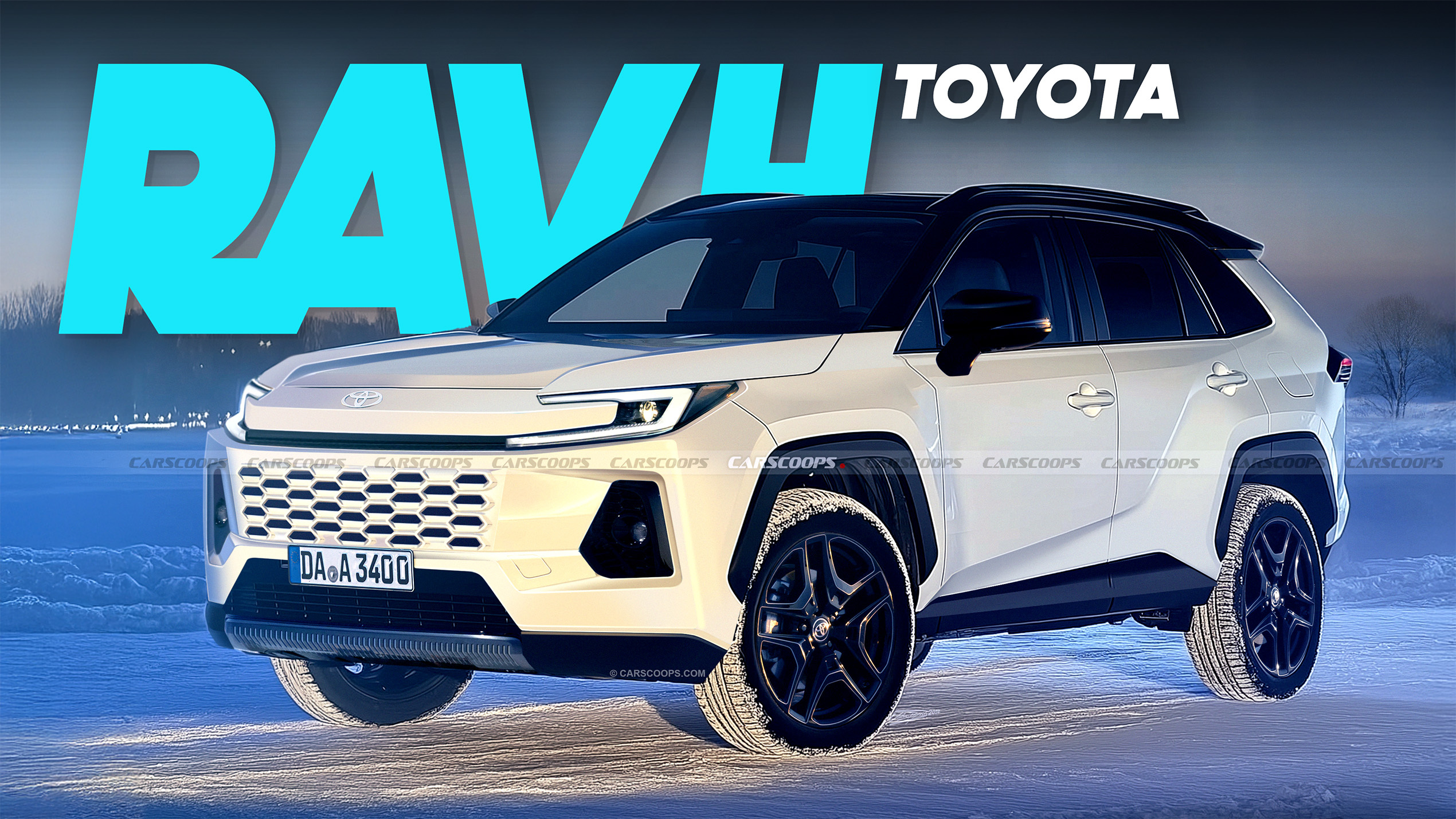
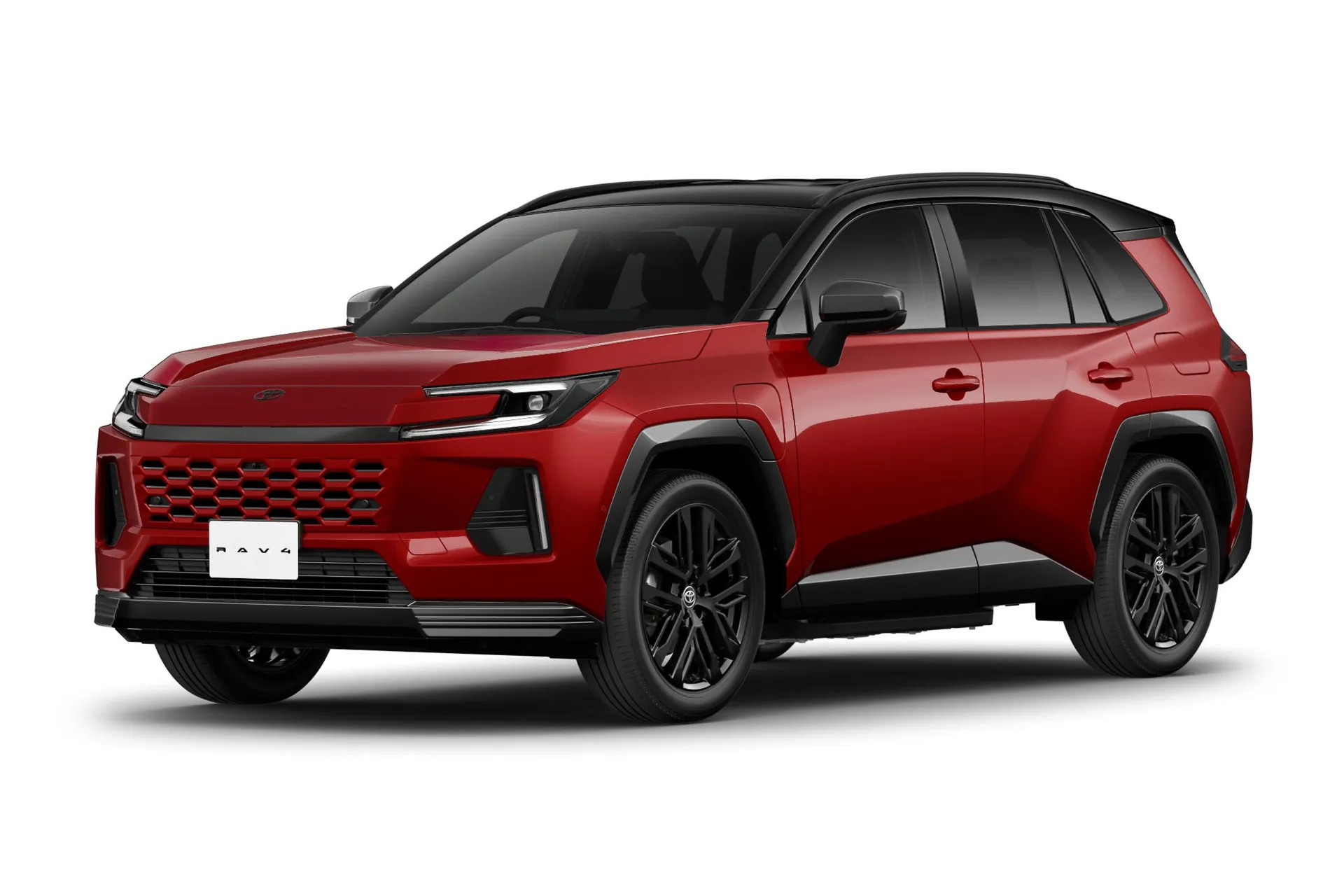
The 2026 Toyota RAV4 marks the official debut of the sixth generation for the world’s best-selling SUV. This total redesign introduces a standardized hybrid-only powertrain lineup, a more rigid TNGA-K platform, and an overhauled interior featuring the latest Toyota Multimedia System. With its "hammerhead" styling and enhanced fuel efficiency, the 2026 model reinforces Toyota's dominance in the compact crossover segment.
The Toyota RAV4 has long served as the benchmark for the compact SUV category, balancing utility, reliability, and resale value. As we move through the 2026 model year, the sixth-generation RAV4 arrives at a critical juncture in the automotive industry—a time when consumers demand the efficiency of electrification without the range anxiety of full battery-electric vehicles (BEVs). Toyota has responded by leaning heavily into its hybrid expertise, making the 2026 RAV4 a more sophisticated, digitally integrated, and environmentally conscious vehicle than any of its predecessors.
The Evolution of the TNGA-K Platform
The foundation of the 2026 RAV4 remains the Toyota New Global Architecture (TNGA-K) platform, but it has undergone significant structural enhancements for this new generation. Engineers have increased the use of high-tensile steel and structural adhesives, resulting in a chassis that is notably more rigid than the outgoing 2025 model. This increased stiffness is not merely a technical specification; it directly translates to a quieter cabin and more precise handling.
By reducing flex in the body structure, Toyota has been able to recalibrate the suspension—specifically the MacPherson struts in the front and the multi-link rear setup—to provide a more "European" driving feel. The 2026 RAV4 feels more planted in corners and exhibits less body roll, all while maintaining the compliant ride quality that families expect. Furthermore, the updated platform allows for better packaging of the hybrid battery components, ensuring that the transition to a hybrid-standard lineup does not compromise cargo space or passenger legroom.
Design Language: The "Hammerhead" Aesthetic
The most immediate change for the 2026 model is the exterior styling. Borrowing design cues from the recently refreshed Camry and the Crown Signia, the 2026 RAV4 adopts the "hammerhead" front-end design. This features slim, C-shaped LED daytime running lights that create a wide, aggressive stance. The grille is more integrated into the bumper, reducing the "truck-like" blockiness of the fifth generation in favor of a more aerodynamic and premium silhouette.
Despite the shift toward a more modern look, Toyota has retained the rugged DNA that made the RAV4 popular. The Adventure and TRD Off-Road trims feature more pronounced wheel arches, functional roof rails, and unique front fascias with increased approach angles. The aerodynamic improvements are not just for show; the 2026 model boasts a lower coefficient of drag, which contributes to the improved highway fuel economy across all trims.
Powertrain and Performance: A New Era of Hybridization
For 2026, Toyota has made the bold move to eliminate pure internal combustion engines (ICE) from the RAV4 lineup in many major markets, focusing instead on the Fifth Generation Toyota Hybrid System (THS 5). This system utilizes a 2.5-liter four-cylinder engine paired with more powerful electric motors and a redesigned lithium-ion battery pack that is both lighter and more energy-dense than the previous nickel-metal hydride versions.
The Standard Hybrid System
The standard hybrid powertrain now delivers a combined 225 horsepower in front-wheel-drive configurations and 232 horsepower in models equipped with Electronic On-Demand All-Wheel Drive (AWD). This represents a meaningful bump in performance, allowing for quicker 0-60 mph times and more confident merging on high-speed thoroughfares. The transition between gasoline and electric power is smoother than ever, thanks to software refinements in the planetary gear-based continuously variable transmission (eCVT).
The RAV4 Plug-in Hybrid (PHEV)
Formerly known as the RAV4 Prime, the 2026 RAV4 PHEV remains the performance flagship of the range. For 2026, the electric-only range has been extended to an estimated 48 miles, thanks to improvements in cell chemistry. This allows most commuters to complete their daily trips without using a single drop of gasoline. When the battery is depleted, the vehicle operates as a highly efficient hybrid, ensuring that long-distance travel remains hassle-free.
Interior Craftsmanship and Digital Integration
Inside, the 2026 RAV4 addresses the primary criticisms of the previous generation: material quality and infotainment technology. The cabin is now characterized by soft-touch surfaces even in the mid-range XLE trims, with the Limited trim offering genuine leather-trimmed seating and open-pore wood accents.
Toyota Multimedia System
The centerpiece of the dashboard is the new Toyota Multimedia System, available in 10.5-inch or 12.3-inch touchscreen sizes. This system supports:
- Wireless Apple CarPlay and Android Auto: Standard across all grades, eliminating cable clutter.
- Cloud Navigation: Real-time traffic updates and Google Points-of-Interest (POI) data.
- Intelligent Assistant: A voice-activated system triggered by "Hey Toyota" that can adjust climate control, find destinations, or change radio stations.
- Over-the-Air (OTA) Updates: Ensuring the vehicle’s software stays current without requiring a dealership visit.
The physical layout has also been improved. Toyota has wisely retained physical knobs for volume and tuning, as well as dedicated buttons for climate control. The center console has been widened to accommodate a larger wireless charging pad and more intuitive drive mode selectors.
Comprehensive Safety: Toyota Safety Sense 3.0+
Safety remains a cornerstone of the RAV4 identity. The 2026 model comes standard with Toyota Safety Sense 3.0+ (TSS 3.0+), a suite of active safety features that utilize enhanced sensors and cameras with a wider field of view.
Key features included in TSS 3.0+ for 2026:
- Pre-Collision System with Pedestrian Detection: Now capable of detecting motorcyclists and bicyclists in daytime and low-light conditions.
- Proactive Driving Assist: A new feature that provides gentle braking into curves or steering support to help maintain distance between a preceding vehicle or pedestrian.
- Lane Tracing Assist with Emergency Driving Stop System: If the driver becomes unresponsive while Lane Tracing Assist is active, the system can bring the vehicle to a safe stop.
- Road Sign Assist: Uses a camera to recognize speed limit signs and other traffic signs, displaying them on the multi-information display.
Toyota’s commitment to safety is further evidenced by the inclusion of eight airbags and a reinforced cabin structure designed to excel in the latest Insurance Institute for Highway Safety (IIHS) side-impact and small-overlap crash tests.
2026 RAV4 Trim Levels and Specifications
To help buyers navigate the new generation, the following table outlines the key differences between the most popular trim levels.
| Trim Level | Primary Focus | Key Features | Estimated Starting MSRP |
|---|---|---|---|
| LE (Hybrid) | Value & Efficiency | 10.5-inch screen, TSS 3.0+, LED headlights | $31,500 |
| XLE (Hybrid) | Comfort & Utility | Power driver's seat, Dual-zone climate, Blind Spot Monitor | $34,200 |
| XSE (Hybrid) | Sporty Styling | Two-tone paint, Sport-tuned suspension, SofTex seats | $38,500 |
| Limited (Hybrid) | Premium Luxury | 12.3-inch screen, JBL Premium Audio, Ventilated seats | $41,800 |
| TRD Off-Road | Rugged Capability | All-terrain tires, Off-road suspension, Skid plates | $40,500 |
| PHEV (Plug-in) | Max Performance | 302 HP, 48-mile EV range, standard AWD | $45,500 |
Note: Pricing is estimated for the 2026 model year and may vary by region and dealer markup.
Competitive Comparison: RAV4 vs. The Field
In 2026, the competition in the compact SUV space is fiercer than ever. The RAV4 faces stiff challenges from the Honda CR-V, the Mazda CX-50, and the Hyundai Tucson.
Compared to the Honda CR-V, the 2026 RAV4 offers a more advanced plug-in hybrid option, which Honda has been slow to deploy in North America. While the CR-V is often praised for its interior space, the RAV4’s new THS 5 system provides slightly better fuel economy figures in real-world driving scenarios.
Against the Mazda CX-50, the RAV4 wins on efficiency and resale value, though the Mazda remains the choice for those prioritizing an "atypical" luxury interior and more communicative steering. The Hyundai Tucson, while offering a long warranty and high-tech features, typically lags behind the RAV4 in terms of long-term reliability ratings and the intuitiveness of its infotainment interface.
Operational Considerations and Maintenance
Owning a 2026 RAV4 is designed to be cost-effective. Every new model comes with ToyotaCare, which covers factory-scheduled maintenance for two years or 25,000 miles, whichever comes first. This includes oil changes, tire rotations, and multi-point inspections.
For the hybrid components, Toyota provides a 10-year/150,000-mile battery warranty, which is transferable to future owners. This long-term coverage significantly mitigates the perceived risk of hybrid ownership. Owners should be aware that the 2026 model requires synthetic oil (0W-8 or 0W-16 depending on the specific engine variant) to maintain its high thermal efficiency, and following the 5,000-mile tire rotation interval is crucial for preserving the life of the AWD system components.
Common Questions About the 2026 RAV4
Is there still a gas-only 2026 Toyota RAV4?
In many regions, Toyota has transitioned the RAV4 to a hybrid-standard lineup for the 2026 model year. While some international markets may still offer a 2.5L ICE variant, the North American market focuses exclusively on the Hybrid and Plug-in Hybrid (PHEV) models to meet stricter emissions and fuel economy standards.
How much can the 2026 RAV4 tow?
The standard 2026 RAV4 Hybrid is rated to tow up to 1,750 lbs. However, for those needing more utility, the Adventure and TRD Off-Road trims are equipped with upgraded cooling systems and alternators, allowing them to tow up to 3,500 lbs when properly equipped.
What is the real-world fuel economy for the 2026 Hybrid?
The 2026 RAV4 Hybrid is EPA-estimated at 41 mpg combined (43 city/38 highway). In real-world testing, these figures remain remarkably consistent, though cold weather and high-speed highway driving (above 75 mph) can see those numbers dip slightly into the mid-30s.
Does the 2026 RAV4 support digital key technology?
Yes, the 2026 RAV4 offers an available Digital Key system on higher trims. Through the Toyota App, owners can use their smartphone as a key to lock, unlock, and start the vehicle. This feature can also be shared with family or friends without the need for a physical key fob.
Next Steps for Prospective Buyers
If you are considering the 2026 Toyota RAV4, the first step is to determine your primary driving needs. If your daily commute is under 40 miles and you have access to a home charger, the PHEV (Plug-in Hybrid) is the most cost-effective and powerful choice in the long run. For most families, the XLE Hybrid represents the "sweet spot" of the lineup, providing essential creature comforts and safety tech at a competitive price point.
Visit an authorized Toyota dealership to experience the improved TNGA-K platform firsthand. Pay close attention to the seat comfort and the visibility provided by the new hammerhead design. Given the high demand for this new generation, it is advisable to check local inventory through Toyota's official site and inquire about lead times for specific trim and color combinations.