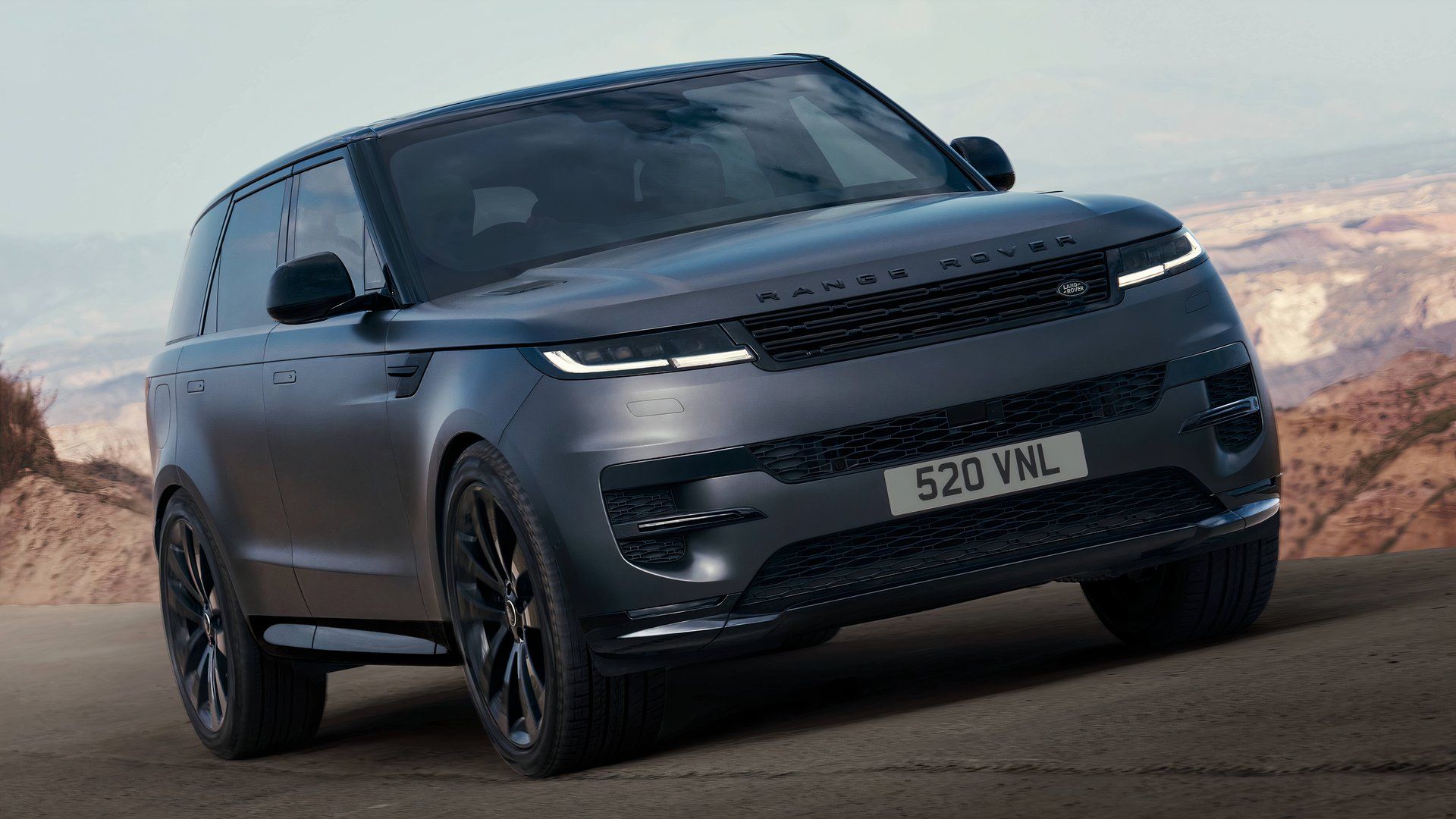
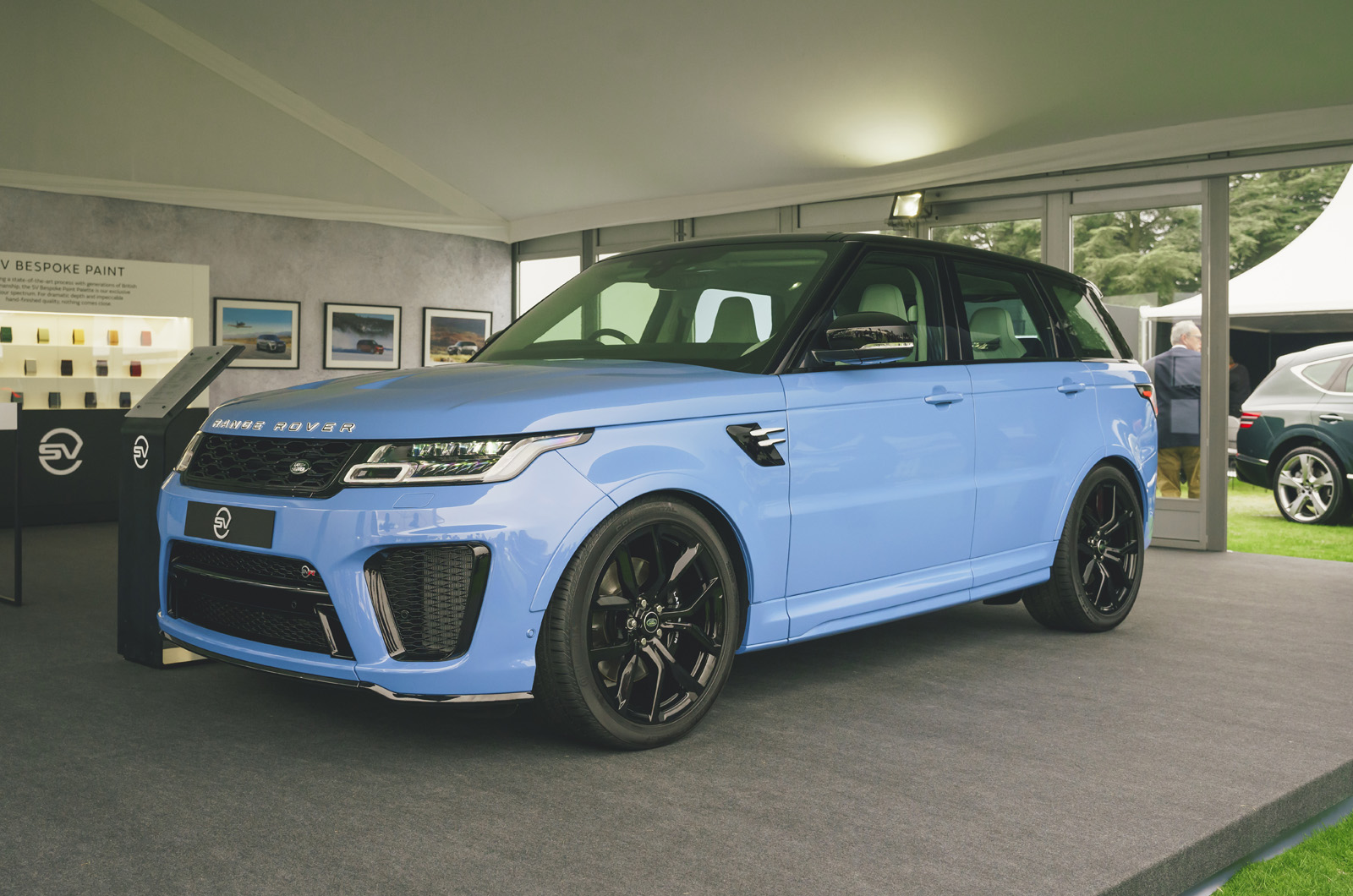
The 2025 Range Rover Sport SVR represents the pinnacle of high-performance luxury SUVs, blending aggressive track-ready capabilities with ultra-luxury refinement. Driven by a potent BMW-sourced V8 twin-turbo engine, advanced active dynamics, and a driver-focused cabin, it redefines what a heavyweight performance utility vehicle can achieve on both winding asphalt and rugged terrain.
Understanding the Evolution of the Range Rover Sport SVR
The Range Rover Sport SVR nameplate has long stood as the aggressive, high-revving sibling to the more traditional Land Rover lineup. While earlier generations relied on supercharged Jaguar Land Rover (JLR) V8 engines known for their distinctive exhaust roar, recent engineering shifts have moved the vehicle into a new era of powertrain development. The current iteration builds upon the third-generation Range Rover Sport architecture, emphasizing lightweight aluminum usage, chassis rigidity, and heightened aerodynamic efficiency.
Transitioning from a pure JLR powerhouse to a collaborative powertrain development model allows the vehicle to meet stringent modern emissions regulations without sacrificing the relentless acceleration demanded by luxury performance buyers. This mechanical shift has transformed the SVR into a precision instrument. It balances everyday comfort with blistering throttle response, ensuring that the badge retains its elite status among high-end performance SUVs.
Powertrain and Performance Specifications
At the heart of the 2025 Range Rover Sport SVR is a 4.4-liter twin-turbocharged V8 engine. Sourced through JLR’s strategic partnership with BMW, this powerplant replaces the older supercharged 5.0-liter V8, offering superior thermal efficiency, smoother power delivery, and significantly higher torque ceilings.
The engine pairs with an ultra-responsive 8-speed ZF automatic transmission, routing power through an intelligent all-wheel-drive system. This setup allows the heavy SUV to sprint from 0 to 60 mph in roughly 3.6 to 3.8 seconds, placing it directly in competition with elite German performance alternatives like the Porsche Cayenne Turbo GT and BMW X5 M Competition.
- Engine Type: 4.4-liter Twin-Turbocharged V8 (Gasoline)
- Horsepower: Approximately 626 hp (460 kW)
- Torque: Around 553 lb-ft (750 Nm)
- Transmission: 8-speed ZF Automatic with Paddle Shifters
- Drivetrain: Intelligent All-Wheel Drive (iAWD) with Electronic Active Differential
Chassis Dynamics, Suspension, and Handling
Creating a vehicle that weighs over 5,000 pounds yet handles like a sports car requires sophisticated engineering. The 2025 SVR features a heavily revised chassis setup incorporating dynamic air suspension, active roll control, and rear-wheel steering.
The hydraulic interlinked suspension system eliminates traditional anti-roll bars, managing body roll through continuous pressure adjustments at each corner. This technology keeps the vehicle completely flat through high-speed corners while maintaining the plush, compliant ride quality expected of a flagship Range Rover.
Furthermore, the rear-wheel steering system improves low-speed agility and high-speed stability. At lower speeds, the rear wheels turn counter to the front wheels, effectively shrinking the turning radius in tight urban environments. At highway speeds, they turn in the same direction, enhancing lane-change stability and driver confidence.
Exterior Design and Aerodynamics
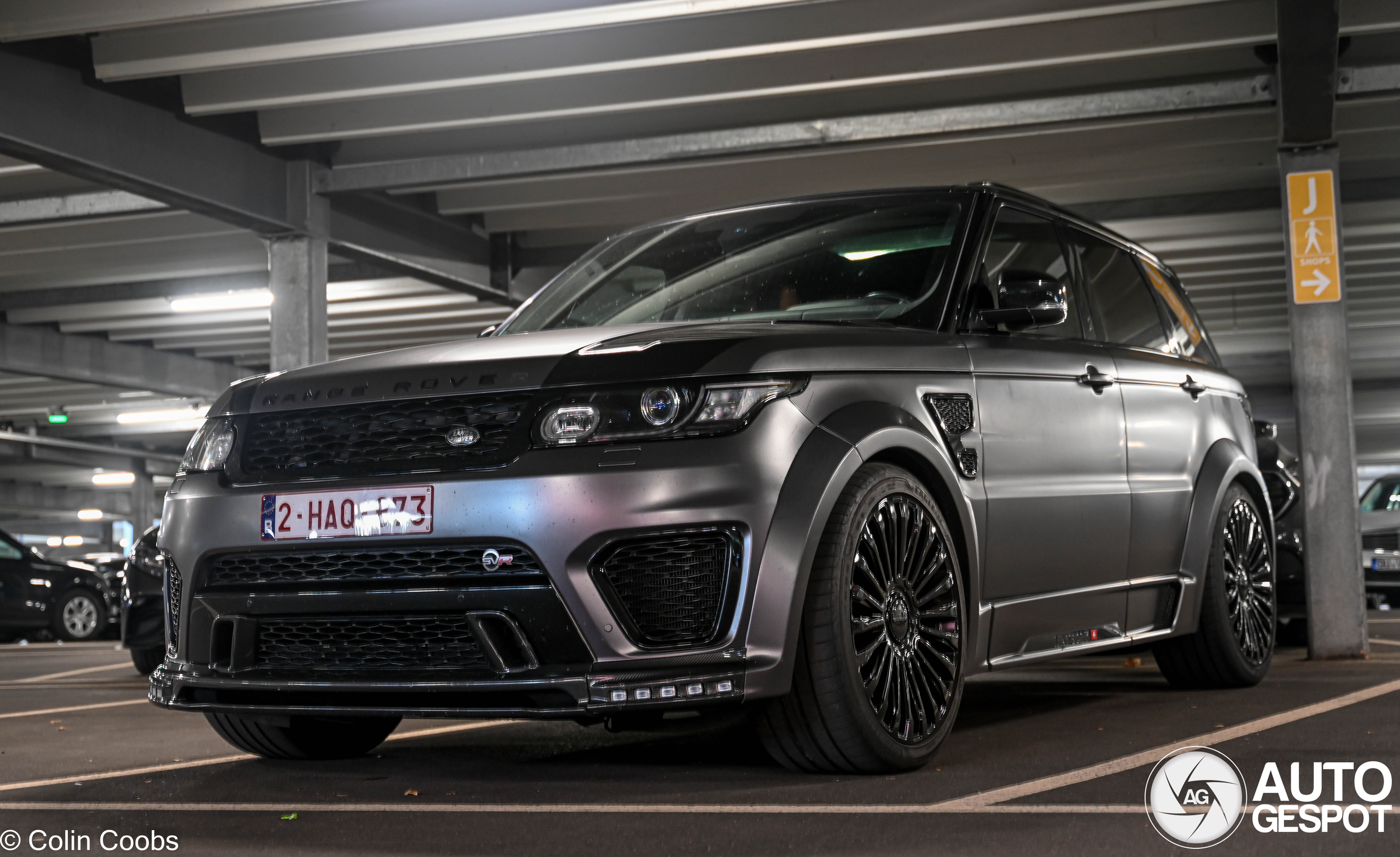
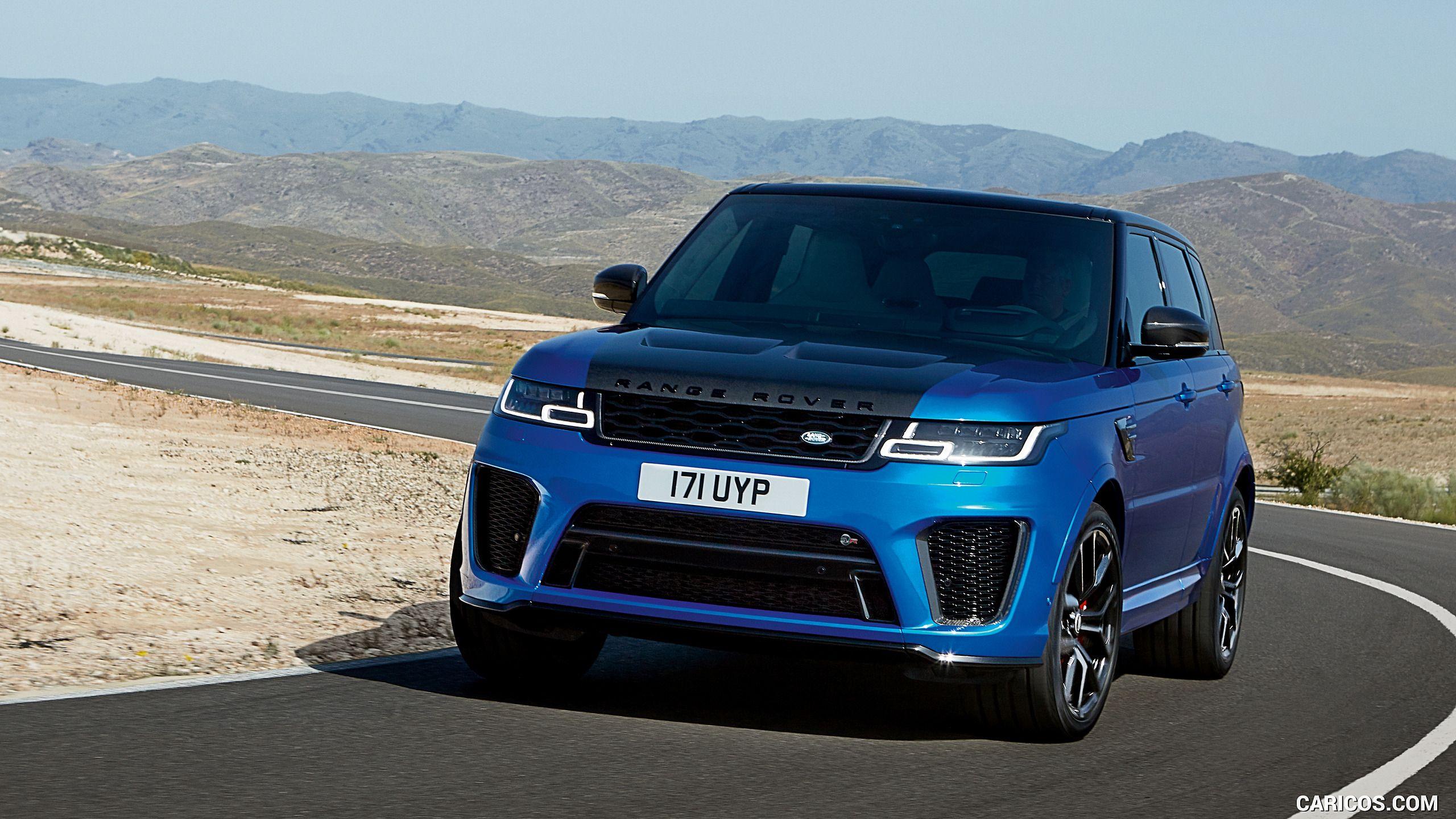
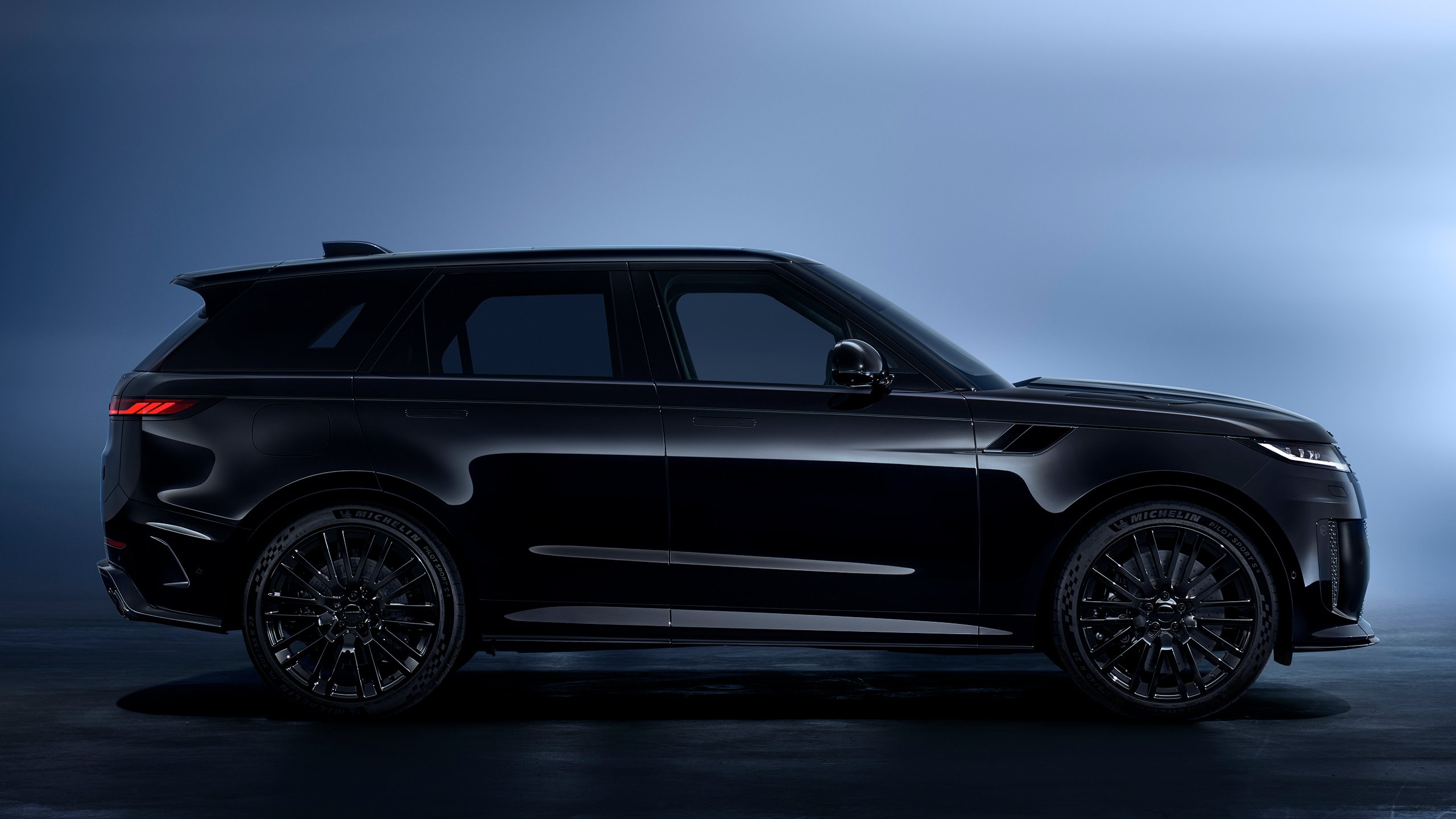
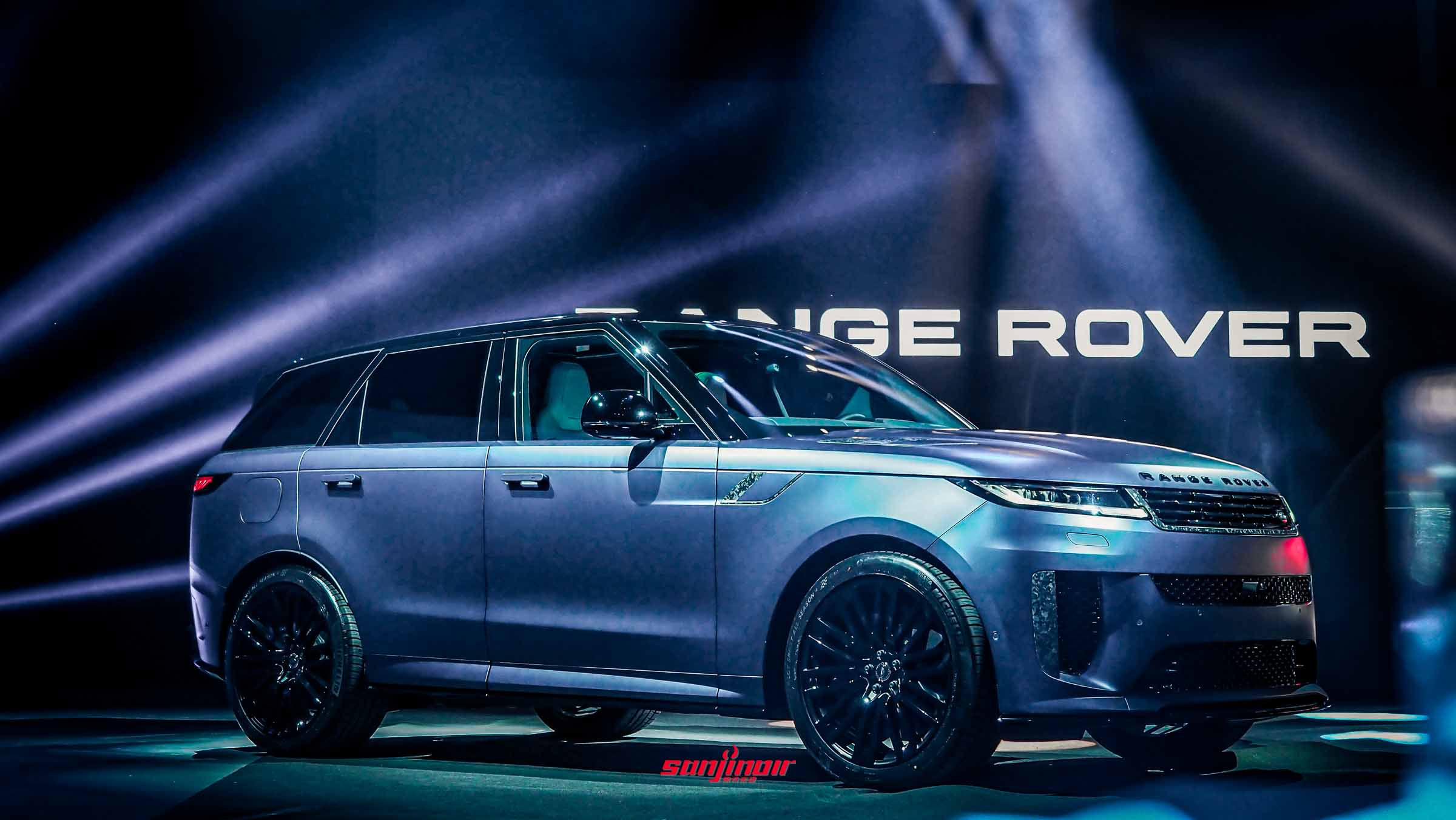
The exterior styling of the 2025 Range Rover Sport SVR balances aggressive motorsport aerodynamics with minimalist luxury. Every vent, spoiler, and bumper contour serves a dual purpose: reducing aerodynamic drag and cooling high-stress mechanical components.
The front fascia features enlarged air intakes designed to feed massive intercoolers and cooling radiators, while lightweight carbon fiber components—including the vented hood and exterior trim pieces—help lower the vehicle's center of gravity. At the rear, an aggressive quad-exhaust setup integrated into a carbon-fiber diffuser complements an extended roof spoiler, generating meaningful downforce at high velocities.
Buyers can select from an array of bespoke paint finishes, including satin and gloss options, alongside massive lightweight alloy wheels that house high-performance composite or optional carbon-ceramic brakes.
Interior Craftsmanship, Technology, and Comfort
Stepping inside the cabin reveals a driver-centric environment that refuses to compromise on luxury. Lightweight performance seats upholstered in Windsor leather and tactile technical textiles offer deep bolstering for aggressive driving, alongside heating, ventilation, and multi-point massage functions for long-distance touring.
| Feature Area | Specification / Description |
|---|---|
| Infotainment Display | 13.1-inch Curved Floating Pivi Pro Touchscreen |
| Instrument Cluster | 13.7-inch Interactive Driver Display |
| Audio System | Meridian Signature Sound System (29+ Speakers) |
| Seating Materials | Windsor Leather, Ultrafabrics, Carbon Fiber Accents |
| Climate Control | Four-Zone Automatic Climate Control System |
The centerpiece of the dashboard is a curved 13.1-inch floating Pivi Pro touchscreen interface, which manages navigation, vehicle settings, and media. Wireless Apple CarPlay and Android Auto come standard, backed by over-the-air update capabilities that keep system software current. The cabin also emphasizes acoustic comfort, utilizing active noise cancellation technology through the Meridian sound system to neutralize unwanted road and wind noise.
Practicality, Towing, and Off-Road Capability
Despite its track-focused credentials, the Range Rover Sport SVR retains the core DNA of the Land Rover brand: exceptional capability across adverse terrain. It features a sophisticated Terrain Response 2 system, allowing the driver to select specific modes for mud, sand, snow, and rock crawling.
- Maximum Towing Capacity: Up to 7,716 lbs (3,500 kg), provided proper towing packages are equipped.
- Wading Depth: Deep-water capability up to 33.5 inches (850 mm).
- Adjustable Ride Height: Air suspension allows ground clearance to be raised for off-road obstacles or lowered for effortless entry and highway aerodynamics.
This dual personality ensures that owners can use the SVR as a practical daily driver, a capable winter transport vehicle, or a heavy-duty towing rig without experiencing functional compromises.
Comprehensive Comparison: 2025 SVR vs. Key Rivals
| Performance SUV | Engine Type | Horsepower | 0-60 mph Time | Starting Price (USD Est.) |
|---|---|---|---|---|
| Range Rover Sport SVR | 4.4L Twin-Turbo V8 | ~626 hp | ~3.6 sec | $140,000+ |
| Porsche Cayenne Turbo GT | 4.0L Twin-Turbo V8 | 650 hp | 3.1 sec | $200,000+ |
| BMW X5 M Competition | 4.4L Twin-Turbo V8 | 617 hp | 3.7 sec | $124,000+ |
| Mercedes-AMG GLE 63 S | 4.0L Twin-Turbo V8 + Hybrid | 603 hp | 3.7 sec | $128,000+ |
Common Questions About the Range Rover Sport SVR
What engine powers the 2025 Range Rover Sport SVR?
The vehicle utilizes a BMW-sourced 4.4-liter twin-turbocharged V8 engine. This powerplant generates approximately 626 horsepower and 553 lb-ft of torque, delivering rapid acceleration and refined cruising capabilities.
Is the SVR capable of off-roading?
Yes. Despite its focus on track performance, it retains Land Rover’s Terrain Response 2 system, adjustable electronic air suspension, and high towing capacities, making it fully capable in mud, snow, and sand.
How does the SVR differ from the standard Range Rover Sport Autobiography?
The SVR focuses explicitly on performance, handling dynamics, and aggressive styling. It features a significantly more powerful engine, stiffer dynamic air suspension, enhanced braking components, carbon-fiber exterior details, and more heavily bolstered performance seats.
What is the estimated fuel economy of the SVR?
Like most high-performance twin-turbo V8 luxury SUVs, fuel economy reflects its immense power output. Official EPA figures typically land in the low-to-mid teens for combined city and highway driving, varying heavily based on throttle input.
Practical Buying and Ownership Considerations
Purchasing a vehicle in this class requires a careful look at long-term ownership dynamics. Maintenance costs for high-performance luxury SUVs are naturally elevated, particularly regarding consumables such as high-performance tires, brake pads, and specialized fluids. Buyers opting for carbon-ceramic brakes should anticipate significantly higher replacement costs during brake service intervals, though these systems offer vastly superior fade resistance during aggressive track or spirited canyon driving.
Securing an allocation through authorized retailers often requires a deposit and patience due to high global demand and constrained manufacturing schedules. Prospective owners should carefully review bespoke customization options through the SV Bespoke commissioning service to tailor exterior paint, interior hides, and trim packages to personal tastes.