The Open Enrollment Period for 2025 health insurance plans on the federal Marketplace generally ran from November 1, 2024, through January 15, 2025. While most states followed this federal timeline, several state-based exchanges offered extensions into late January 2025. Coverage typically began on January 1 or February 1, 2025, depending on the specific enrollment date.
The 2025 plan year represented a significant period for the Affordable Care Act (ACA) Marketplace, characterized by the continued availability of enhanced subsidies and standardized plan options. As we examine these dates from our current 2026 perspective, understanding the historical 2025 timeline is essential for verifying coverage continuity, auditing past tax filings (specifically IRS Form 1095-A), and understanding the transition into subsequent coverage cycles.
Understanding the 2025 Open Enrollment Period
The Open Enrollment Period (OEP) is the annual window when individuals and families can sign up for health insurance, switch plans, or renew existing coverage through the Health Insurance Marketplace. For the 2025 plan year, the federal government and state-based exchanges maintained the expanded enrollment window that has become the standard since the 2022-2023 cycle.
Prior to 2022, the enrollment period often ended on December 15. However, the permanent extension to January 15 for the federal platform (HealthCare.gov) was designed to provide consumers more time to navigate the holiday season and seek professional assistance from navigators or brokers. For the 2025 cycle, this timeframe was critical as it allowed millions of Americans to take advantage of the premium tax credit expansions originally introduced by the American Rescue Plan Act (ARPA) and extended through 2025 by the Inflation Reduction Act.
Why These Dates Matter for 2025 Coverage
The specific dates of the 2025 enrollment cycle determined not just "if" a consumer could get coverage, but "when" that coverage would become effective. Missing these deadlines generally meant that individuals were locked out of the Marketplace for the remainder of 2025, unless they qualified for a Special Enrollment Period (SEP) due to a major life event. Furthermore, the 2025 dates were the primary mechanism for consumers to avoid gaps in coverage that could lead to financial vulnerability or delays in accessing medical care.
Key National Deadlines for 2025 Coverage
The federal Marketplace, which serves residents in the majority of U.S. states, operated under a specific set of deadlines that dictated the start of the 2025 plan year.
November 1, 2024: The Official Kickoff
This marked the first day consumers could submit new applications or update existing ones for 2025 plans. During this initial phase, the "window shopping" period ended, and the actual enrollment system went live. Consumers were encouraged to log in early to update their expected 2025 income, as this figure directly influenced the amount of Advanced Premium Tax Credits (APTC) they were eligible to receive.
December 15, 2024: The January 1 Coverage Deadline
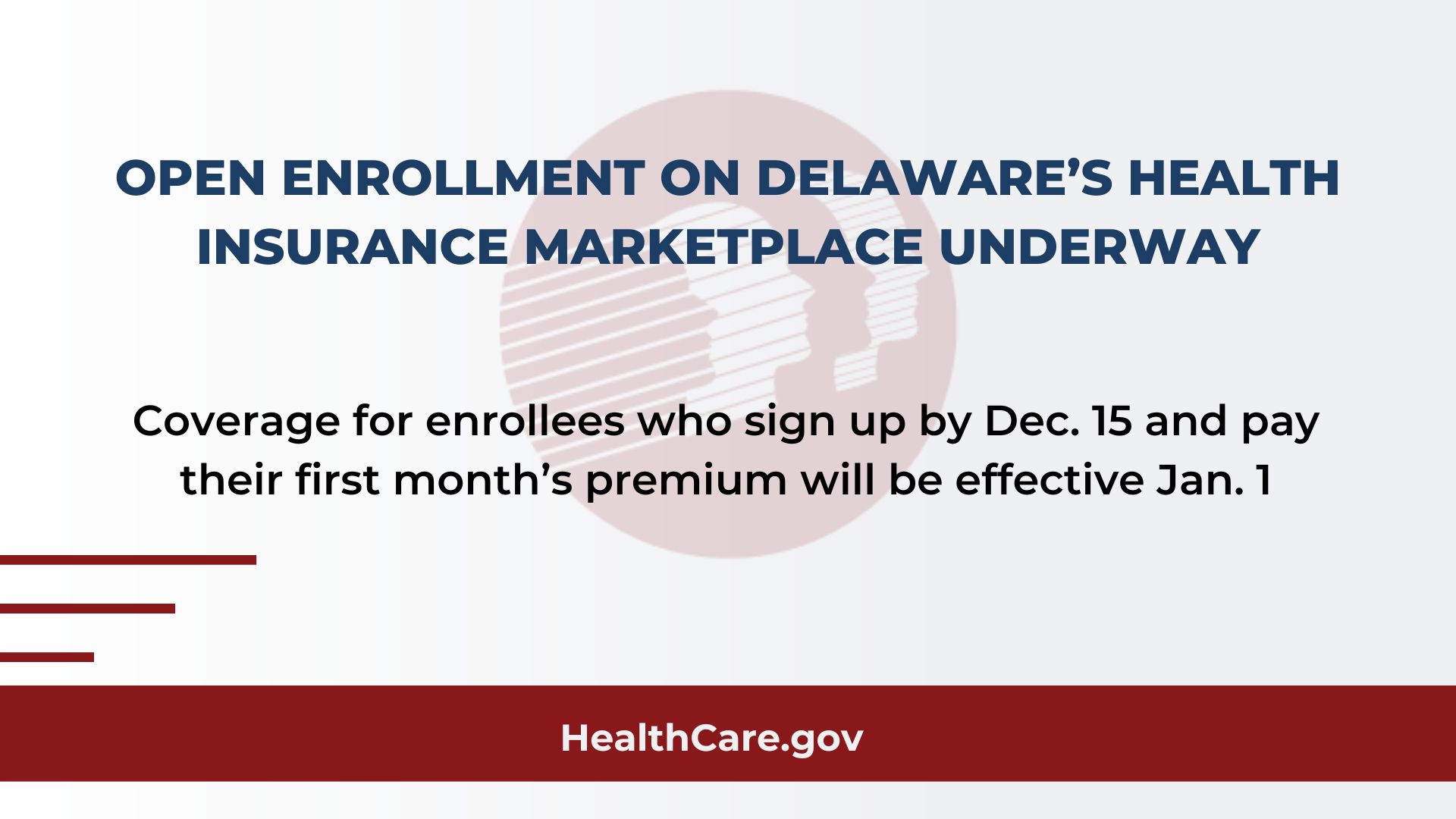
For most consumers, this was the most important date of the 2025 cycle. To ensure a plan started on January 1, 2025, the enrollment had to be completed and a plan selected by midnight on December 15. This prevented a gap in coverage for those transitioning from 2024 plans that expired on December 31.
January 15, 2025: The Final National Deadline
January 15 served as the final day of the regular 2025 Open Enrollment Period on the federal platform. Plans selected between December 16, 2024, and January 15, 2025, typically carried an effective start date of February 1, 2025. While this deadline provided a "last chance" for coverage, it often resulted in a one-month gap (January) for those who did not have other coverage in place.
State-Specific Variations and Extensions
While many states utilize the federal HealthCare.gov platform, several states operate their own State-Based Marketplaces (SBMs). These states have the authority to extend their enrollment deadlines beyond the federal January 15 cutoff.
For the 2025 plan year, several states exercised this flexibility to allow residents more time to secure health insurance. These extensions are often implemented to account for regional outreach efforts or to ensure that residents who were dropped from Medicaid (during the "unwinding" process that continued into 2024 and 2025) had ample opportunity to find alternative coverage.
| Marketplace Type | Example States | 2025 Enrollment Start | 2025 Enrollment End |
|---|---|---|---|
| Federal (HealthCare.gov) | TX, FL, GA, NC, OH | Nov 1, 2024 | Jan 15, 2025 |
| California (Covered CA) | California | Nov 1, 2024 | Jan 31, 2025 |
| New York (NY State of Health) | New York | Nov 1, 2024 | Jan 31, 2025 |
| Massachusetts (Health Connector) | Massachusetts | Nov 1, 2024 | Jan 23, 2025 |
| New Jersey (Get Covered NJ) | New Jersey | Nov 1, 2024 | Jan 31, 2025 |
| Rhode Island (HealthSource RI) | Rhode Island | Nov 1, 2024 | Jan 31, 2025 |
Note: Some states may have offered even further administrative extensions based on specific state health department rulings or local emergencies.
Special Enrollment Periods (SEP) Throughout 2025
After the January 15 (or state-specific) deadline passed, the Marketplace entered a "closed" period. During the remainder of 2025, individuals could only enroll in or change their health insurance plans if they experienced a Qualifying Life Event (QLE).
Common Qualifying Life Events
A QLE triggers a 60-day window during which a person can sign up for coverage. For the 2025 plan year, these events included:
- Loss of Health Coverage: Losing job-based insurance, COBRA expiration, or losing Medicaid/CHIP eligibility.
- Household Changes: Getting married, having a baby, adopting a child, or experiencing a death in the household that affects eligibility.
- Residence Changes: Moving to a different ZIP code or county that offers different plan options.
- Status Changes: Gaining citizenship, leaving incarceration, or changes in federally recognized tribal status.
The Low-Income SEP
A significant provision that remained active for 2025 was the Special Enrollment Period for individuals with an annual income below 150% of the Federal Poverty Level (FPL). In many states, these individuals were eligible to enroll in Marketplace coverage at any time during 2025, provided the enhanced subsidies from the Inflation Reduction Act remained in effect. This served as a vital safety net for the most economically vulnerable populations.
Eligibility and Enrollment Requirements for 2025
To participate in the 2025 Marketplace enrollment cycle, individuals had to meet specific federal requirements. These criteria ensured that the subsidies and plan protections were directed toward the intended populations.
Basic Requirements
- Residency: You must live in the United States and in the specific state where you are applying for coverage.
- Citizenship Status: You must be a U.S. citizen or a "lawfully present" non-citizen.
- Non-Incarceration: You cannot be currently incarcerated.
- No Medicare: Generally, if you have Medicare, you cannot use the Marketplace to buy a health or dental plan.
Financial Assistance and the "Subsidy Cliff"
One of the defining features of the 2025 plan year was the absence of the "subsidy cliff." Under the Inflation Reduction Act, the 400% FPL income cap for subsidy eligibility was removed. For 2025, no one had to pay more than 8.5% of their household income for a benchmark Silver plan, regardless of how much they earned. This policy significantly expanded the pool of people who could find affordable 2025 coverage, often leading to increased enrollment among middle-income families who previously found Marketplace plans cost-prohibitive.
Detailed information on how these subsidies were calculated can be found through the Internal Revenue Service (IRS) guidelines on the Premium Tax Credit.
The Role of Automated Re-enrollment
For consumers who already had Marketplace coverage in 2024, the 2025 dates included an "automated" component. If a person did not manually select a plan by December 15, 2024, the Marketplace generally re-enrolled them in the same plan (or a similar one) for 2025.
Risks of Auto-Enrollment
While automated re-enrollment prevents a total loss of coverage, it is rarely the optimal choice for the consumer. In 2025, many insurance carriers adjusted their provider networks and drug formularies. A consumer who was auto-enrolled might have found that their preferred doctor was no longer "in-network" for the 2025 version of their plan. Furthermore, the "benchmark plan" in a specific region often changes year-over-year, meaning the amount of tax credit a person receives could shift, potentially making a different plan much more affordable.
Operational Changes and Plan Innovations in 2025
The 2025 cycle saw a continued emphasis on Standardized Plans, also known as "Easy Choice" plans. These plans featured identical deductibles, out-of-pocket maximums, and co-payment structures across different insurance companies. The goal was to allow consumers to compare plans based on network quality and price rather than having to decode complex benefit designs.
Network Transparency
CMS (Centers for Medicare & Medicaid Services) implemented stricter "Network Adequacy" standards for 2025. These rules required insurance companies to ensure that a sufficient number of primary care providers and specialists were available within a reasonable travel time and distance for enrollees. For the 2025 dates, this meant that when consumers were browsing plans in November and December, they had access to more reliable data regarding which doctors were truly available.
Technical specifications for these standards are maintained by the Centers for Medicare & Medicaid Services (CMS).
Common Mistakes During the 2025 Enrollment Cycle
Reflecting on the 2025 period, several common errors frequently led to consumer issues or financial penalties.
- Inaccurate Income Estimation: Underestimating 2025 income led to receiving too much subsidy, which some taxpayers had to pay back when filing their 2025 taxes in early 2026. Conversely, overestimating income resulted in higher monthly premiums than necessary.
- Missing the Dec 15 Deadline: Many consumers believed they had until Jan 15 to get Jan 1 coverage. This resulted in a one-month gap in coverage for the month of January 2025.
- Failing to Update Life Changes: Changes in household size or income that occurred during the 2025 plan year were often not reported promptly to the Marketplace, leading to "Data Matching Issues" (DMIs) and potential loss of coverage or subsidies.
- Ignoring the 1095-A: Consumers who forgot to include information from Form 1095-A on their tax returns faced significant processing delays.
Frequently Asked Questions
What happened if I missed the January 15, 2025, deadline?
If you missed the final January 15 deadline for 2025 coverage, you generally could not enroll in a Marketplace plan for the remainder of the year unless you qualified for a Special Enrollment Period (SEP). Common triggers for an SEP include losing other health coverage, moving, or changing your family status (such as marriage or birth). Without an SEP, your next opportunity to enroll would be the following Open Enrollment Period starting in late 2025 for the 2026 plan year.
Could I change my 2025 plan after it started?
Once your 2025 coverage began, you were typically locked into that plan for the rest of the calendar year. The only exception was if you qualified for a Special Enrollment Period. For example, if you moved to a new state in May 2025, you would have a 60-day window to select a new plan available in your new location.
Were the 2025 subsidies different from 2024?
The structure of the subsidies for 2025 remained largely consistent with 2024 due to the extension of the Inflation Reduction Act. This meant that the "enhanced" subsidies were still in place, providing more generous financial assistance and ensuring that no enrollee had to pay more than 8.5% of their income for a benchmark plan. However, the actual amount of your subsidy might have changed based on changes in your income or changes in the cost of the benchmark plan in your specific area.
Did all states have the same 2025 enrollment dates?
No. While the majority of states used the federal HealthCare.gov platform and followed the November 1 to January 15 timeline, several states with their own marketplaces (like California, New Jersey, and New York) extended their deadlines. For instance, New York and California residents often have until January 31 to complete their enrollment for the current plan year.
Is there a penalty for not having 2025 health insurance?
At the federal level, the individual mandate penalty was reduced to $0 starting in 2019. Therefore, there was no federal tax penalty for being uninsured in 2025. However, some states—including California, Massachusetts, New Jersey, Rhode Island, and the District of Columbia—maintained their own state-level individual mandates. Residents of those states could face a state tax penalty if they did not have qualifying coverage in 2025.
Final Recommendations for Reviewing 2025 Coverage
For those currently looking back at the 2025 enrollment cycle from 2026, it is vital to ensure that all documentation—specifically IRS Form 1095-A—accurately reflects the months of enrollment and the amount of premium tax credits received. If you find discrepancies in your 2025 records, contact the Marketplace Call Center immediately to request a corrected form.
If you are currently uninsured in 2026, do not wait for the next Open Enrollment Period. Check immediately if you qualify for a Special Enrollment Period or if you are eligible for Medicaid or CHIP, which allow for year-round enrollment. Maintaining continuous coverage is the most effective way to protect your physical health and financial stability.