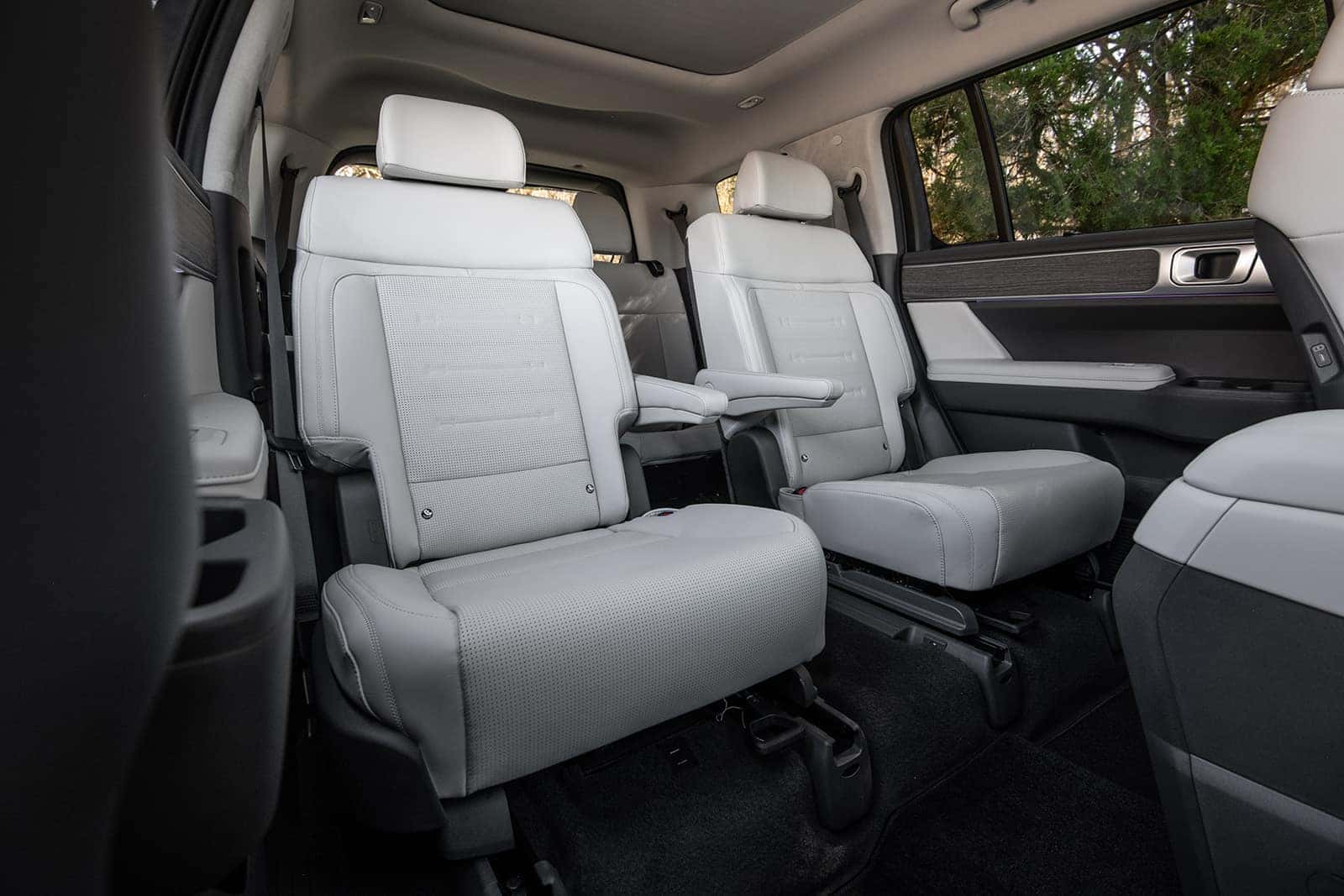
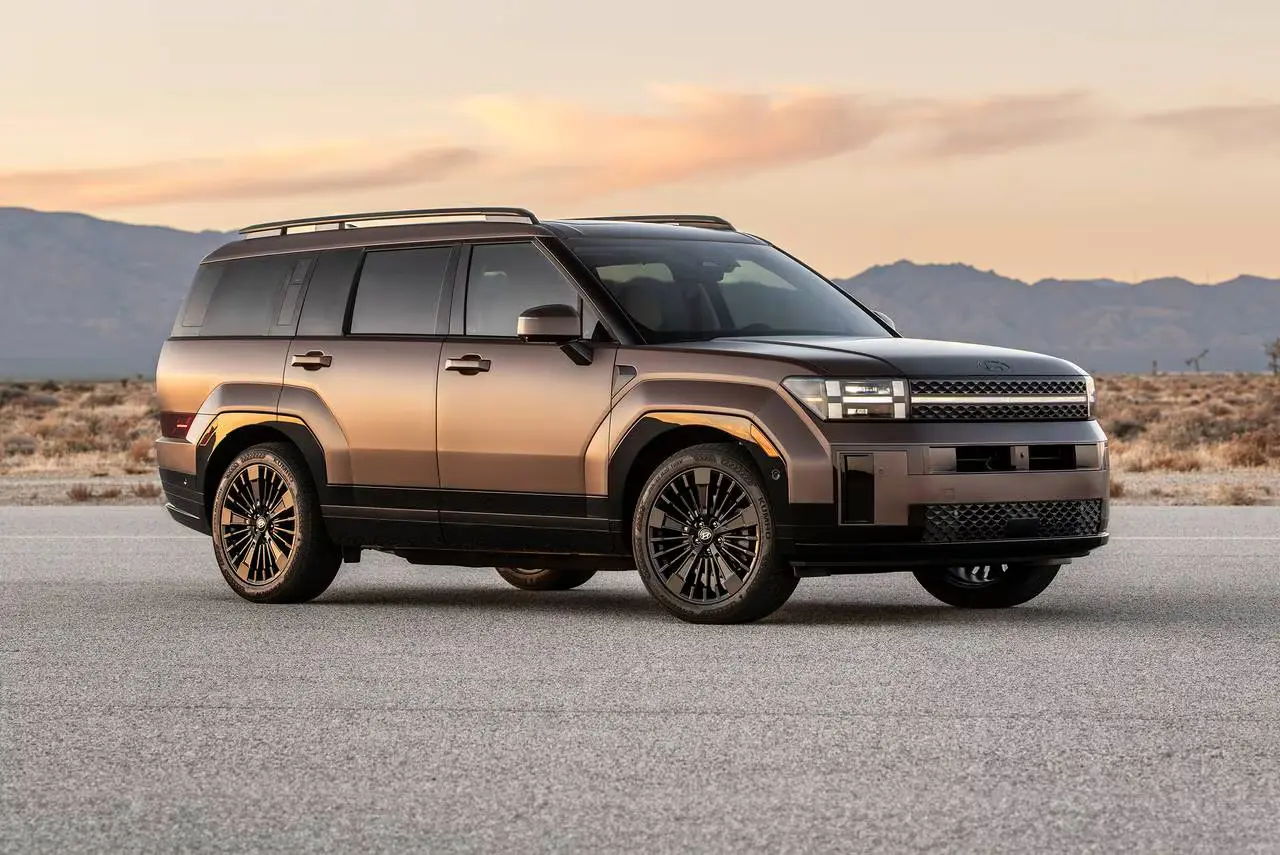
The 2025 Hyundai Santa Fe features a redesigned, boxy aesthetic that prioritizes interior volume, specifically aiming to accommodate passengers in its standard third-row seating. Across all trim levels, the vehicle provides seating for six or seven occupants, with the third row designed to serve as a functional space for children or occasional adult use during shorter trips, balancing cargo flexibility with passenger capacity.
Evolution of the Santa Fe Platform
The 2025 Hyundai Santa Fe represents a significant departure from the previous generation’s softer, more aerodynamic styling. By adopting a "boxy" design language, Hyundai engineers intentionally maximized the vehicle's internal vertical and horizontal clearance. This transition was driven by market demands for increased utility, particularly for families requiring more than two rows of seating without stepping up to the significantly larger Palisade.
In the mid-size SUV segment, the transition to a dedicated three-row configuration as a standard feature across the lineup sets the 2025 model apart from many competitors that offer the third row only as an optional upgrade or on higher, more expensive trim levels. Understanding the limitations and benefits of this specific third row requires a look at how the interior space is utilized and managed.
Dimensions and Passenger Accommodations
The third row in the 2025 Santa Fe is engineered with a focus on maximizing the "footprint" within the wheelbase. When discussing third-row viability, it is essential to look at the specific measurements provided by Hyundai. The third row offers approximately 30 inches of legroom, a figure that is competitive for the mid-size segment but realistically classifies the space as "occasional use" for adults.
The seat cushions in the third row are mounted relatively low to the floor to preserve headroom despite the vehicle's roofline. This results in a "knees-up" seating position for taller individuals. However, the seatbacks offer a recline function, which significantly improves comfort during longer transit periods. Accessing the third row is facilitated by a one-touch fold-and-slide mechanism on the second-row seats, which creates a wide enough entry point for children or agile adults.
Cargo Flexibility vs. Passenger Capacity
One of the most critical factors for potential buyers is the trade-off between carrying passengers and hauling cargo. The 2025 Santa Fe is designed to be highly modular. With all seats in the upright position, the cargo area behind the third row is relatively modest, designed for grocery bags or a few small pieces of soft-sided luggage.
However, the 50/50 split-folding third row allows for significant versatility. Users can fold one side down while keeping one seat up for a passenger, or stow the entire row to create a flat load floor. Because the rear of the vehicle is squared off, the vertical clearance is superior to the previous Santa Fe model, making it easier to stack items or transport bulky objects like strollers or sports equipment when the third row is tucked away.
Comparative Analysis: Santa Fe vs. Competitors
When considering the third row, it is helpful to contrast the Santa Fe with its primary rivals. The table below outlines how the Santa Fe approaches interior configuration compared to other popular three-row mid-size SUVs.
| Vehicle Model | 3rd Row Standard | Typical 3rd Row Suitability | Max Cargo (Seats Down) |
|---|---|---|---|
| 2025 Hyundai Santa Fe | Yes | Children / Teens | 79.6 cu. ft. |
| Toyota Highlander | Yes | Children | 84.3 cu. ft. |
| Honda Pilot | Yes | Adults / Teens | 87.0 cu. ft. |
| Kia Sorento | Yes | Children | 75.5 cu. ft. |
Note: Data reflects manufacturer specifications for the 2025 model years.
The Santa Fe excels in the "boxy" design, which feels more spacious than the Kia Sorento, despite the two vehicles sharing similar platform architectures. While the Honda Pilot remains the benchmark for third-row adult comfort, the Santa Fe occupies a unique middle ground: it provides more daily utility than compact SUVs but remains easier to park and maneuver in urban environments than large, full-size three-row SUVs.
Practical Considerations for Daily Use
For families, the functionality of the third row goes beyond raw dimensions. Hyundai has included several creature comforts to ensure the rear environment remains pleasant. These include dedicated climate control vents located in the roof or side pillars, depending on the trim, and USB-C charging ports for mobile devices.
A common oversight when evaluating three-row SUVs is the visibility from the rear. Because the 2025 Santa Fe utilizes a very upright C-pillar and D-pillar design, the third-row windows are quite large. This reduces the "caged-in" feeling that often plagues smaller third rows, making it a more pleasant environment for children who are prone to motion sickness.
Maintenance and Troubleshooting Tips
Owners often encounter issues regarding the latching mechanisms or seat adjustments. To ensure the third row remains in optimal condition:
- Clear the Tracks: Ensure that no small objects or debris have fallen into the tracks where the second-row seats slide, as this can impede the access-to-third-row movement.
- Weight Distribution: While the third row is rated for two passengers, ensure that heavy cargo is distributed evenly across the floor when the seats are folded, rather than placing all the weight on the back of the folded seatbacks.
- Child Safety Seats: Always consult the vehicle manual regarding LATCH (Lower Anchors and Tethers for Children) locations. In the 2025 Santa Fe, the third row has specific weight and height restrictions for booster seats to ensure the seatbelts function within safety design parameters.
Frequently Asked Questions
Is the third row of the 2025 Hyundai Santa Fe suitable for adults? It is suitable for adults on shorter trips or in emergency situations. The headroom is excellent due to the boxy design, but the legroom is limited. It is best reserved for children, teens, or smaller adults to maintain comfort.
Does the 2025 Santa Fe come with a bench or captain's chairs? The configuration depends on the trim level. Higher trims often offer second-row captain's chairs, which reduce the total seating capacity to six but make accessing the third row significantly easier and more comfortable.
How much cargo space is available with the third row up? With all three rows in use, the Santa Fe offers approximately 14.6 cubic feet of cargo space. This is intended for smaller grocery runs or everyday essentials, rather than long-distance family travel with full luggage.
Are there safety concerns with the third row? The third row is equipped with side-curtain airbags that extend to provide coverage for all three rows of seating. Hyundai has engineered the structural integrity of the rear cabin to meet current safety standards, but always ensure all passengers are properly buckled.
Can the third row be removed for more space? The third-row seats are integrated into the chassis and are not designed to be removed by the owner. They are designed to fold into the floor to create a flat surface for maximum cargo capacity.
Final Recommendation
The 2025 Hyundai Santa Fe is an excellent choice for families who require a third row for occasional needs rather than full-time adult occupancy. Its strength lies in its boxy, high-utility design, which offers better rear headroom and visibility than many of its competitors. Before finalizing a purchase, test the third-row access by physically sliding the second-row seats; if you plan on using the third row frequently, opting for a trim with second-row captain's chairs is highly recommended to improve ingress and egress flow.