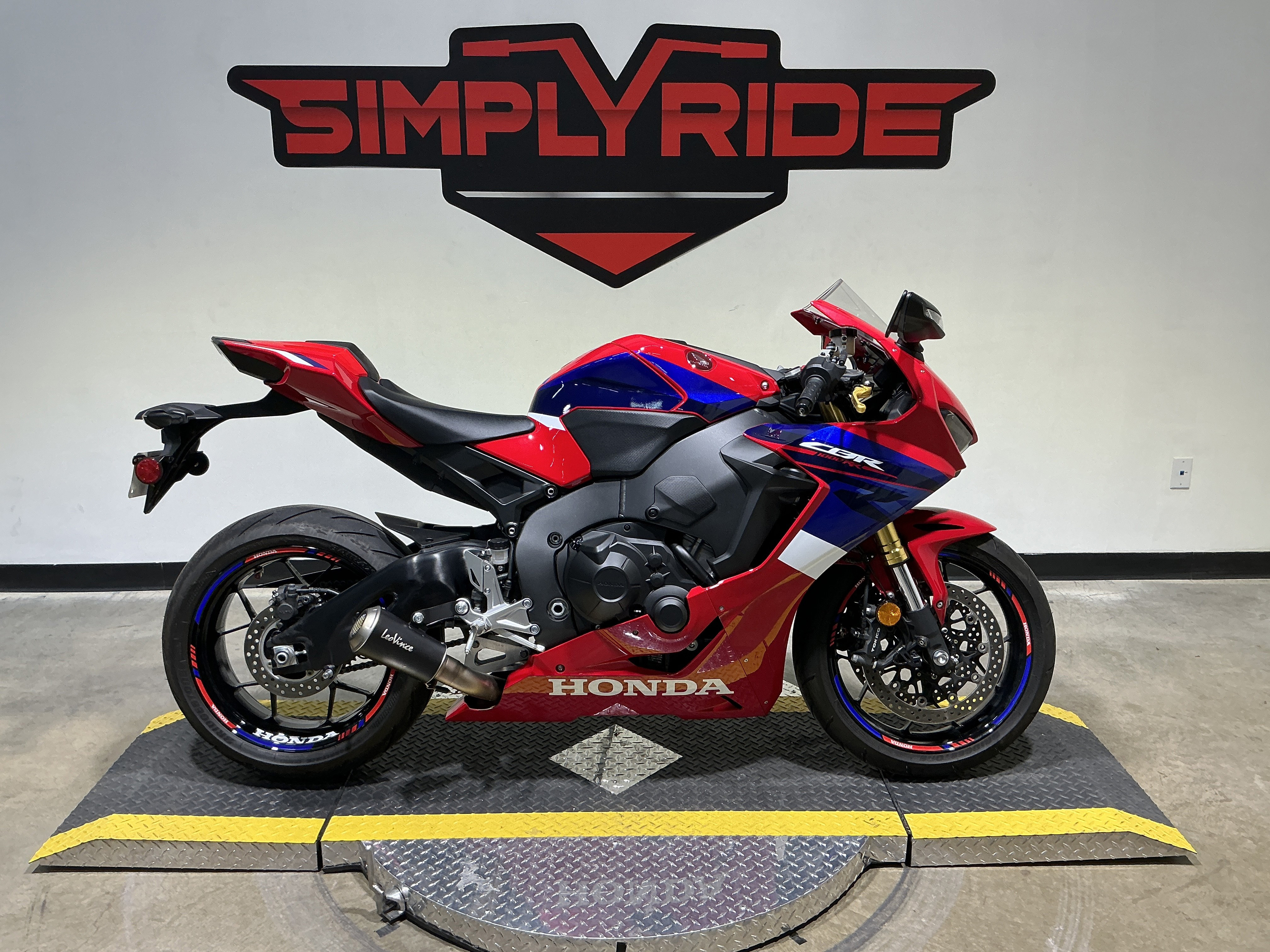
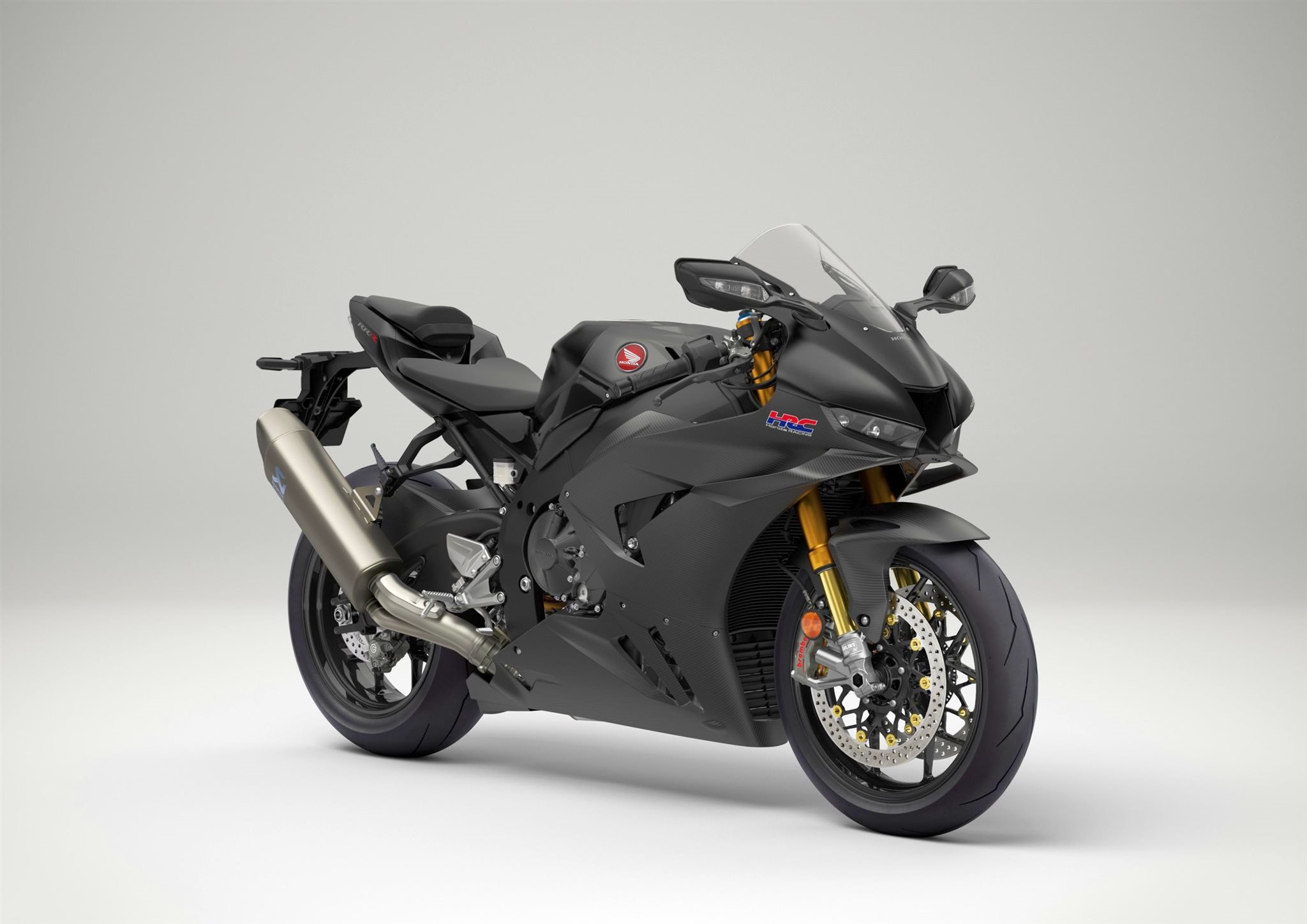
The 2022 Honda CBR1000RR represents the pinnacle of Honda’s "Total Control" philosophy, offering a high-performance liter-bike experience that balances raw power with approachable handling. While it sits alongside the track-focused CBR1000RR-R Fireblade SP, the standard RR remains the preferred choice for riders seeking a versatile, reliable, and ergonomically sensible superbike for real-world conditions.
The 2022 Honda CBR1000RR occupies a unique position in the superbike hierarchy. As of 2026, looking back at this model year, it is clear that Honda intentionally maintained two distinct paths for its flagship 1000cc machines. The "Triple R" (CBR1000RR-R) was designed to win World Superbike championships, featuring an aggressive, compact riding position and an engine optimized for high-RPM track use. In contrast, the "Double R" (the subject of this review) was kept in the lineup to serve the rider who demands liter-bike performance without the punishing ergonomics and uncompromising nature of a homologation special.
The Heart of the Machine: 998cc Inline-Four Engine
The 2022 CBR1000RR is powered by a 998cc, liquid-cooled, inline four-cylinder engine. While it may not share the ultra-short-stroke architecture of its RR-R sibling, this power plant is far from dated. It utilizes a bore and stroke of 76mm x 55.1mm, a configuration that favors a broad spread of torque and mid-range punch—exactly what is needed when exiting a corner on a mountain road or overtaking on the highway.
In terms of technical refinement, the engine features Diamond-Like Carbon (DLC) coatings on the finger-follower rocker arms and high-strength vanadium steel for the camshafts. These materials reduce internal friction and increase durability at the 13,000 RPM redline. The throttle-by-wire system is remarkably precise, translating wrist movements into smooth acceleration without the "herky-jerky" sensation found in some earlier electronic throttle iterations.
Output remains impressive, producing approximately 189 horsepower and 84 lb-ft of torque. In the context of 2026, where electronics have become even more intrusive, the 2022 CBR1000RR feels refreshingly mechanical. The power delivery is linear, building steadily from 6,000 RPM and screaming toward the rev limiter with a characteristic Honda howl. It lacks the intimidating low-end snap of a V-twin, which actually makes it more manageable for riders transitioning into the 200-horsepower class.
Chassis and Suspension: The Total Control Philosophy
Honda’s chassis development for the 2022 CBR1000RR focused on weight reduction and mass centralization. The hollow die-cast twin-spar aluminum frame is designed with specific rigidity targets—stiff enough to handle high-speed cornering loads, yet compliant enough to provide feedback to the rider over imperfect pavement.
The suspension hardware is provided by Showa, a long-time Honda partner. At the front, you will find 43mm Large Volume BPF (Big Piston Fork) units. The "Big Piston" design allows for a larger pressure-bearing area within the fork, which results in more consistent damping and a much more stable front end during heavy braking. This is a critical feature for a bike capable of reaching nearly 180 mph.
At the rear, the CBR1000RR utilizes the Showa Balance Free Rear Cushion (BFRC) shock. This technology separates the damping force from the compression and rebound strokes by using a double-tube design. This allows the oil to flow smoothly and prevents the "dead spots" in damping that can occur in traditional shocks. The result is improved traction at the rear tire and a more planted feel when accelerating out of corners. Both the front and rear are fully adjustable for preload, compression, and rebound damping, allowing riders to tailor the bike to their weight and riding style.
Electronics and Rider Aids
By 2022, the CBR1000RR had integrated a sophisticated suite of electronics centered around a five-axis Bosch Inertial Measurement Unit (IMU). This system measures the bike’s position in 3D space, calculating lean angle, pitch, and yaw 100 times per second. This data feeds into the Honda Selectable Torque Control (HSTC) and the ABS system.
The electronics package includes:
- Honda Selectable Torque Control (HSTC): Often referred to as traction control, this system offers nine levels of intervention. It monitors rear-wheel slip and adjusts engine torque via the throttle plates and ignition timing.
- Wheelie Control: Integrated within the HSTC, this prevents the front wheel from lifting too high under hard acceleration, though it can be turned off for track use.
- Engine Braking Control (EB): This allows the rider to choose how much "back-torque" the engine provides when the throttle is closed. A lower setting mimics a two-stroke feel, while a higher setting helps slow the bike down before a corner.
- Power Selector: Three distinct maps change the character of the power delivery. Mode 1 provides full power and the sharpest response, while Mode 3 is intended for wet or low-grip conditions.
The full-color TFT display is clear and easy to navigate, even in direct sunlight. While it lacks the smartphone connectivity found on many 2026 models, it provides all the essential data—lap timer, gear indicator, fuel consumption, and electronic settings—in a logical layout.
Ergonomics: A Superbike You Can Actually Ride
One of the most significant advantages of the 2022 CBR1000RR over the RR-R SP is the rider triangle. The seat height is a manageable 32.3 inches, and the reach to the clip-on handlebars is relatively relaxed for a sportbike. The footpegs are high enough to provide ample ground clearance on the track but are not so high that they cause immediate cramping during a long street ride.
The fuel tank shape is also worth noting. It is narrow between the knees, allowing the rider to "lock in" during heavy braking or hang off the bike in corners with confidence. This ergonomic balance makes the CBR1000RR one of the few liter-bikes that can reasonably handle a multi-hour Sunday ride without leaving the rider in physical agony.
Technical Specifications Comparison
To better understand where the 2022 CBR1000RR fits, it is helpful to look at the hard data. The table below outlines the core specifications of the standard model available in the North American market.
| Feature | Specification | Notes |
|---|---|---|
| Engine Type | 998cc liquid-cooled inline four-cylinder | 16-valve, DOHC architecture |
| Compression Ratio | 13.0:1 | Requires high-octane premium fuel |
| Bore x Stroke | 76.0mm x 55.1mm | Optimized for mid-range torque |
| Front Suspension | 43mm Showa Big Piston Fork (BPF) | 4.7 inches of travel; fully adjustable |
| Rear Suspension | Showa Balance Free Rear Cushion (BFRC) | 5.2 inches of travel; fully adjustable |
| Front Brakes | Dual 320mm discs w/ Tokico 4-piston calipers | Radial-mount; ABS optional |
| Rear Brakes | Single 220mm disc | Single-piston caliper |
| Curb Weight | 432 lbs (Non-ABS) / 434 lbs (ABS) | Includes full tank of fuel |
| Fuel Capacity | 4.3 Gallons | Typical range of 130–160 miles |
| Seat Height | 32.3 inches | Narrow profile aids ground reach |
Braking and Safety Systems
Stopping power on the 2022 model is provided by dual 320mm front discs clamped by radially mounted four-piston Tokico calipers. While the SP model received Brembo Stylema hardware, the Tokico setup on the standard RR is more than capable for street use and intermediate track pace. The master cylinder provides excellent feel, allowing for precise trail-braking into corners.
The optional ABS on the 2022 model is a "Cornering ABS" system. Because it is linked to the IMU, the system knows if the bike is leaned over and adjusts the braking pressure to prevent the front wheel from washing out. This is a massive safety net for street riders who may encounter unexpected obstacles mid-corner. Furthermore, the Rear Lift Control prevents the back of the bike from rising uncontrollably under extreme braking, keeping the chassis stable.
Maintenance and Reliability
Honda’s reputation for reliability is well-deserved, and the 2022 CBR1000RR is no exception. As of 2026, many of these units have reached the 20,000-mile mark with very few reported issues.
Key maintenance intervals include:
- Oil Changes: Every 8,000 miles (though most owners prefer 4,000 to 5,000-mile intervals for hard riding).
- Air Filter: Inspect every 12,000 miles.
- Valve Clearance Check: Every 16,000 miles. This is the most significant service and should be performed by a qualified technician to ensure the high-revving engine remains within spec.
- Coolant & Brake Fluid: Replace every two years regardless of mileage to prevent internal corrosion and ensure braking performance.
The 2022 model is generally considered "bulletproof" if basic maintenance is followed. Unlike some European competitors of the same era, the CBR1000RR rarely suffers from electronic glitches or mysterious oil leaks.
Common Modifications and Aftermarket Support
Because the 2022 CBR1000RR shares much of its DNA with the 2017–2019 models, the aftermarket support is massive. Common upgrades include:
- Slip-on Exhaust: While the stock titanium muffler is light, many riders opt for Akrapovič or SC-Project systems to unlock the engine's sound.
- Fender Eliminator: The stock license plate hanger is quite large; a tidy kit significantly improves the aesthetic.
- Quickshifter: While standard on the SP, the base model often requires the official Honda accessory quickshifter or an aftermarket unit (like Translogic) to allow for clutchless up and downshifts.
- ECU Flashing: To meet emissions standards, the factory tuning has some flat spots in the lower gears. An ECU flash can smooth out the power delivery and improve throttle response.
Frequently Asked Questions
What is the difference between the CBR1000RR and the CBR1000RR-R SP?
The standard CBR1000RR is designed as a balanced street/track bike with more comfortable ergonomics and a torque-rich engine. The CBR1000RR-R SP is a race-homologation bike with a much more aggressive riding position, higher peak horsepower (over 210 hp in some markets), Öhlins electronic suspension, and Brembo Stylema brakes. The SP is significantly more expensive and less comfortable for street riding.
Is the 2022 CBR1000RR suitable for a beginner?
No. Despite Honda's "Total Control" philosophy making the bike easy to handle for its class, it is still a nearly 200-horsepower machine capable of 0-60 mph in under 3 seconds. The power-to-weight ratio is extreme, and it requires a high level of throttle control and situational awareness that beginners have not yet developed.
Does the 2022 CBR1000RR have a quickshifter?
In the North American market, the standard CBR1000RR did not come with a factory-installed quickshifter; it was available as a dealer-installed accessory. In some other regions, it was included as standard. If buying used in 2026, check if the previous owner has already installed one.
What is the top speed of the 2022 Honda CBR1000RR?
The bike is electronically limited to approximately 186 mph (299 km/h) in accordance with the "Gentleman's Agreement" between major motorcycle manufacturers. Without the limiter, its gearing and power would allow it to slightly exceed this mark, though it is rarely relevant outside of a professional racetrack.
How does it compare to the Yamaha R1 or Kawasaki ZX-10R?
The 2022 CBR1000RR is often cited as having the best "fit and finish" among the Japanese liter-bikes. Compared to the Yamaha R1, the Honda has a more linear power delivery (lacking the R1's crossplane "grunt"). Compared to the ZX-10R, the Honda feels narrower and more agile, though the Kawasaki often has a more comprehensive electronics package in its base trim.
Final Recommendation: Who Should Buy the 2022 CBR1000RR?
The 2022 Honda CBR1000RR remains one of the most logical choices in the used superbike market of 2026. It is the ideal machine for the "fast street rider"—someone who enjoys canyon carving, occasional commutes, and the occasional track day, but does not want the maintenance complexity of electronic suspension or the physical strain of a race-ready crouch.
Its combination of high-quality Showa suspension, a refined electronics suite, and legendary Honda build quality makes it a "safe" purchase. It doesn't have the exotic flair of an Italian V4, but it also won't spend half the season in the repair shop. If you value a bike that works exactly as intended, every time you press the starter button, the 2022 CBR1000RR is difficult to beat.
For those looking to purchase one today, prioritize bikes with a documented service history, specifically the 16,000-mile valve check. Avoid bikes with "cut" wiring harnesses from poor aftermarket modifications, and look for models that have been kept in climate-controlled environments to preserve the electronics and plastics.