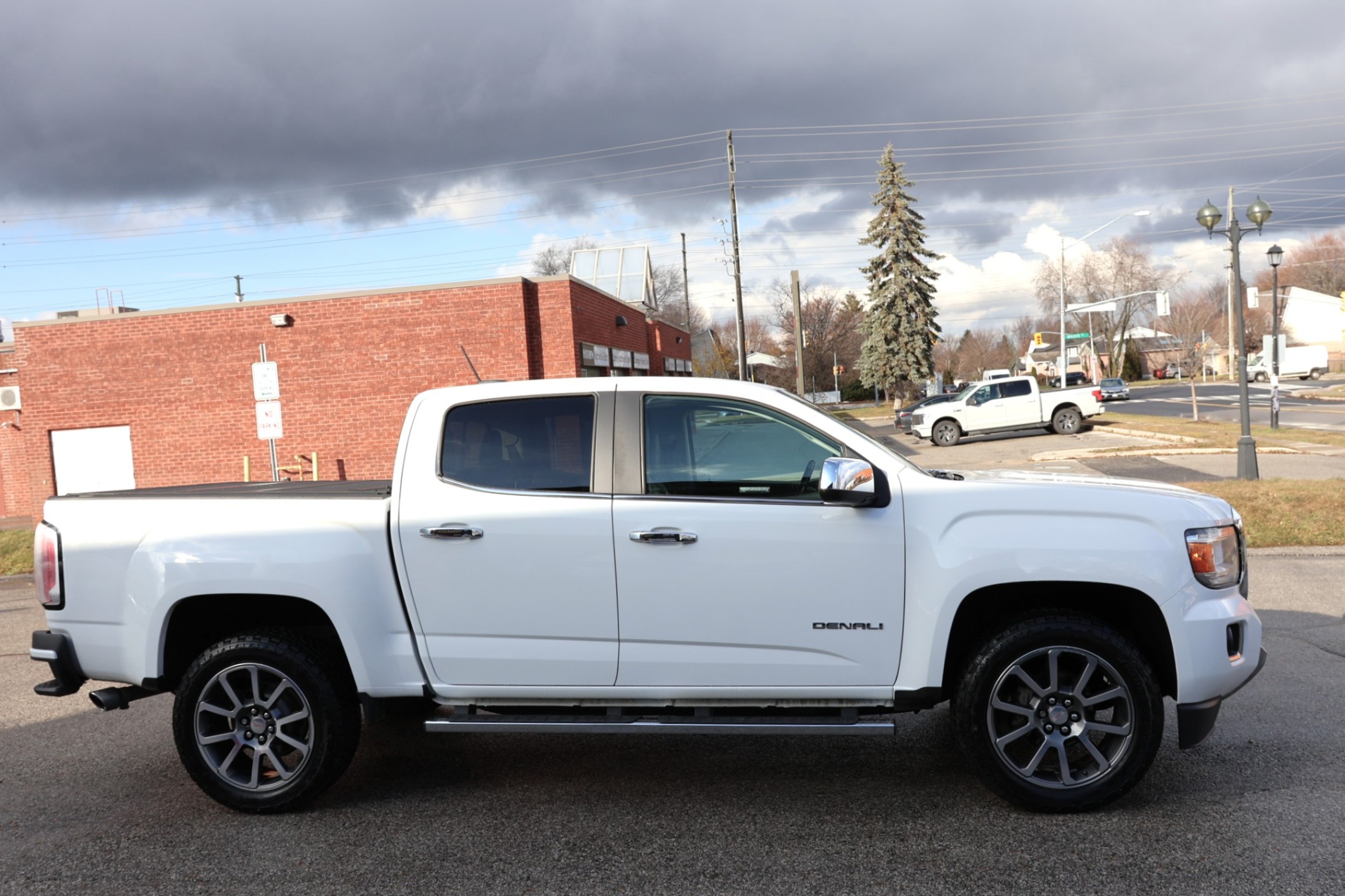
The 2019 GMC Canyon Denali offers a maximum towing capacity of up to 7,700 pounds when properly equipped with the 2.8L Duramax Turbo-Diesel engine. When configured with the standard 3.6L V6 gasoline engine, the maximum towing capacity is 7,000 pounds. Achieving these maximum ratings requires the appropriate trailering package, specific axle ratios, and adherence to manufacturer weight limits.
Defining the Towing Capacity for the 2019 Canyon Denali
When evaluating the towing potential of the 2019 GMC Canyon Denali, it is essential to distinguish between the available powertrain configurations. As a premium trim level within the midsize truck segment, the Denali was designed to balance luxury with utility. However, the physical capability of the vehicle remains rooted in its mechanical engineering, specifically the engine and drivetrain.
The Denali trim for the 2019 model year generally came standard with the 3.6L V6 gasoline engine, while the 2.8L Duramax Turbo-Diesel was offered as an optional upgrade. Understanding which engine sits under your hood is the first step toward calculating your specific towing limits. A vehicle’s "maximum towing capacity" is a ceiling established by the manufacturer under ideal conditions; your specific payload, passenger count, and cargo weight will impact the real-world performance.
Powertrain Impacts on Trailering
The engine choice is the primary determinant of your towing ceiling. Because towing requires sustained torque to maintain speed on inclines and to initiate movement from a standstill, the character of the engine matters as much as the peak capacity number.
1. The 3.6L V6 Gasoline Engine The 3.6L V6, known for its strong horsepower output, is an excellent choice for drivers who use their truck for a mix of daily commuting and recreational towing. It provides the necessary power to hit highway speeds quickly while pulling a moderate load. At a maximum of 7,000 pounds, it is well-suited for midsize campers, flatbed trailers carrying ATVs, or personal watercraft.
2. The 2.8L Duramax Turbo-Diesel Engine The Duramax engine is the gold standard for those who tow frequently. Because diesel engines produce significantly higher torque at lower RPMs than gasoline engines, the Duramax makes towing feel effortless. With a maximum capacity of 7,700 pounds, the diesel variant provides that critical extra margin, which is often the difference between being able to safely haul a larger trailer and exceeding the truck’s structural limitations.
Critical Equipment: The Trailering Package
Beyond the engine, the 2019 GMC Canyon Denali requires the proper trailering equipment to reach these advertised figures. Simply having a hitch receiver is not enough. The official GMC trailering package for the 2019 model year included a heavy-duty cooling system and a dedicated trailer hitch receiver.
The cooling system is arguably the most vital component. Towing generates immense heat within the engine and the transmission. Without an upgraded cooling system, pulling heavy loads for extended periods—especially in high-ambient-temperature environments—can lead to transmission overheating and long-term mechanical degradation. When verifying your vehicle's capacity, confirm that your truck is equipped with the factory tow package, as aftermarket additions may not account for the same cooling and transmission requirements established by GMC engineers.
Understanding Gross Combined Weight Rating (GCWR)
To truly master your vehicle's towing limits, you must look beyond the "maximum tow rating" and understand your Gross Combined Weight Rating (GCWR). The GCWR is the absolute maximum weight allowed for the truck, the trailer, all passengers, fuel, and cargo combined.
If your Canyon Denali has a maximum tow rating of 7,700 pounds, it does not mean you can carry 7,700 pounds of trailer weight while simultaneously filling the truck bed with 1,500 pounds of gravel. Every pound added to the truck reduces the amount of weight you can safely pull. Always consult the door jamb sticker on the driver’s side of your vehicle; this label provides the precise Gross Vehicle Weight Rating (GVWR) and Payload Capacity for your specific truck as it left the factory.
Comparison of Towing Capabilities
| Engine Configuration | Max Towing Capacity | Peak Torque | Primary Use Case |
|---|---|---|---|
| 3.6L V6 Gasoline | 7,000 lbs | 275 lb-ft | Weekend boats, small utility trailers |
| 2.8L Duramax Diesel | 7,700 lbs | 369 lb-ft | Travel trailers, equipment hauling |
Note: These figures assume a properly equipped vehicle with the factory trailering package.
Safe Towing Practices for the 2019 Canyon Denali
Owning a truck with a high tow rating does not guarantee a safe towing experience if proper technique is ignored. First, ensure your trailer is correctly balanced. A trailer with too much weight behind the axles will cause "sway," which can be dangerous at highway speeds. A general rule of thumb is to place 60% of the cargo weight in the front half of the trailer.
Second, familiarize yourself with your trailer brakes. If you are towing a load near the 7,000-pound mark, your trailer should be equipped with its own electronic braking system. The 2019 Canyon Denali typically includes an integrated trailer brake controller interface; ensure this is set correctly. Test your trailer brakes at low speeds every time you hook up to confirm they are responsive.
Finally, remember that towing distance increases significantly. Modern braking systems are powerful, but they cannot override the laws of physics. Allow double the usual following distance between your truck and the vehicle ahead. When descending long mountain grades, shift the transmission into a lower gear to use engine braking, which prevents the truck's primary brakes from fading due to excessive heat.
Maintenance Considerations for High-Mileage Towing
As of 2026, many 2019 GMC Canyon Denali trucks have moved into the mid-to-high mileage range. If you are using an older vehicle for regular towing, maintenance becomes even more critical. Towing accelerates the wear on fluids.
- Transmission Fluid: If you tow frequently, change your transmission fluid more often than the standard maintenance schedule suggests. Burnt or degraded fluid is a leading cause of transmission failure in older trucks.
- Cooling System: Inspect your radiator and coolant hoses for signs of wear or leakage. A cooling system failure while towing on a hot day is the most common cause of roadside breakdowns.
- Tires: Check the date codes on your tires. Even if the tread looks adequate, rubber compounds degrade over time. Towing places significant stress on sidewalls, and an aged tire is at a much higher risk of a blowout under load.
Common Mistakes to Avoid
One of the most frequent errors owners make is assuming that because a truck "can" pull a weight, it "should" pull it regularly. Always verify your specific truck's limitations using the VIN in the owner’s manual or on the GMC owner center. Furthermore, avoid the common mistake of ignoring the "tongue weight"—the downward force that the trailer tongue exerts on the hitch. If your tongue weight is too high, it can lighten the front tires of your truck, reducing your steering authority and traction. If you find your steering feels "light" or imprecise, your weight distribution may be off, or you may be exceeding your tongue weight capacity.
Frequently Asked Questions
1. Does the 4WD version of the 2019 Canyon Denali have a different towing capacity? In many configurations, 4WD versions have a slightly lower tow rating than 2WD versions due to the added weight of the transfer case and front drivetrain components, which reduces the available payload. Always check the specific tow rating for your VIN, as the weight penalty varies by configuration.
2. Can I increase my towing capacity with aftermarket modifications? No. A vehicle's tow rating is determined by the manufacturer based on structural, braking, and cooling engineering. Adding aftermarket hitches or air bags may improve the "feel" of towing or prevent rear-end sag, but they do not legally or mechanically increase the maximum weight the vehicle is rated to pull.
3. What is the difference between towing capacity and payload capacity? Towing capacity is the maximum weight the truck can pull, whereas payload capacity is the maximum weight the truck can carry inside the cabin and the bed. When you tow, the weight of the trailer tongue counts against your payload capacity.
4. Should I use "Tow/Haul" mode? Yes. The 2019 GMC Canyon Denali features a Tow/Haul mode that adjusts transmission shift points to hold gears longer, providing better power delivery and engine braking. It is designed to reduce gear hunting and keep the transmission operating at optimal temperatures.
5. How do I verify my specific truck's tow capacity? The most accurate method is to look at the placard located in the driver-side door jamb. This provides your vehicle's specific GVWR. You can also consult the 2019 GMC Canyon Trailering Guide, which lists maximum capacities based on axle ratios and cab configurations.
Professional Recommendation
If you are planning to tow loads exceeding 5,000 pounds on a regular basis, the 2.8L Duramax Turbo-Diesel is the superior choice for your 2019 GMC Canyon Denali. The extra torque not only allows for a higher towing ceiling but also results in a significantly more comfortable driving experience by reducing the need for constant gear changes. Always prioritize safety by verifying that your trailer's brakes are functioning, your tires are properly inflated, and your load is balanced before every trip. If you are uncertain about your vehicle's current condition, a pre-trip inspection at a qualified service center is a recommended investment to ensure you are ready for the road.