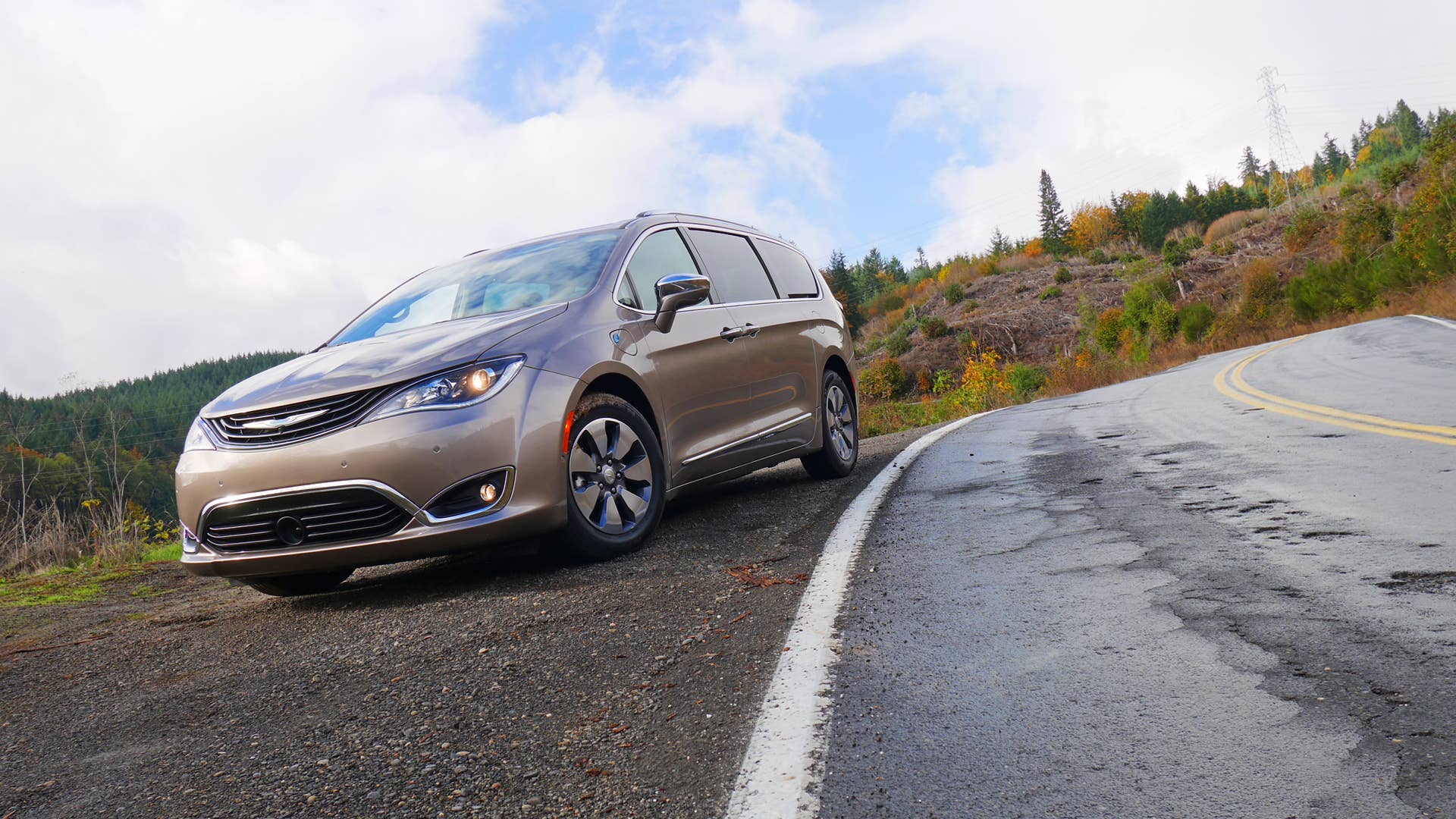
The 2018 Chrysler Pacifica Hybrid achieves an EPA-rated 84 MPGe combined in electric-gasoline mode and 32 MPG combined when running purely on gasoline, alongside a 33-mile all-electric driving range.
Evaluating the efficiency of a plug-in hybrid electric vehicle (PHEV) requires looking beyond traditional window-sticker figures. When Chrysler introduced the Pacifica Hybrid for the 2017 model year and carried it into 2018, it represented a monumental shift in the automotive landscape. As the world's first-ever hybrid minivan, it promised to solve the eternal family-hauling compromise: the need for immense passenger and cargo utility paired with relief from high fuel expenditures. Understanding the true miles per gallon (MPG) overview of the 2018 Chrysler Pacifica Hybrid requires dissecting how its unique powertrain operates, how real-world driving habits impact efficiency, and what owners can expect during daily operations.
Understanding the 2018 Chrysler Pacifica Hybrid Powertrain Architecture
To comprehend the fuel economy numbers of the 2018 Chrysler Pacifica Hybrid, one must first examine what happens beneath the sheet metal. Unlike a conventional internal combustion engine (ICE) vehicle or a traditional full hybrid like a Toyota Prius, the Pacifica Hybrid utilizes a sophisticated dual-motor plug-in hybrid system mated to a specially modified 3.6-liter Pentastar V6 engine.
The powertrain is built around an electrically variable transmission (EVT) that incorporates two electric motors. Unlike standard transmissions that use fixed gears or belts, this system uses a one-way clutch that allows both electric motors to drive the vehicle's wheels simultaneously or blend power seamlessly with the gasoline engine. The internal combustion engine itself operates on a specialized Atkinson cycle, which trades some low-end torque for significantly enhanced thermal efficiency, perfect for highway cruising once the battery is depleted.
Energy storage is handled by a 16 kWh lithium-ion battery pack housed safely beneath the floor in the second-row seating well. Because this space is occupied by the battery, the 2018 Pacifica Hybrid loses the signature "Stow 'n Go" second-row folding seats found in the gasoline-only models. However, the seats remain completely removable if cargo space is needed. This battery architecture dictates the vehicle's dual-nature efficiency profile: exceptional short-trip electric capability combined with competitive hybrid fuel economy on long journeys.
Official EPA Ratings and Efficiency Metrics
The United States Environmental Protection Agency (EPA) evaluates plug-in hybrid electric vehicles using two distinct metrics: miles per gallon equivalent (MPGe) and standard miles per gallon (MPG) when operating in gasoline-only mode.
The 2018 Chrysler Pacifica Hybrid earns an official rating of 84 MPGe combined (miles per gallon equivalent). MPGe is a metric created by the EPA to compare the energy consumption of alternative fuel vehicles to the energy content of a standard gallon of gasoline, where 33.7 kilowatt-hours (kWh) of electricity is roughly equivalent to one gallon of fuel.
| Operating Mode | Official EPA Rating | Description |
|---|---|---|
| Combined Electric + Gas (MPGe) | 84 MPGe | Combined efficiency using a full charge and subsequent gasoline use. |
| Gasoline-Only Mode (MPG) | 32 MPG | Efficiency when the 16 kWh battery is depleted (City: 32 MPG / Highway: 33 MPG). |
| All-Electric Range (AER) | 33 Miles | Distance the vehicle can travel strictly on battery power under ideal conditions. |
| Total Driving Range | 566 Miles | Total estimated distance on a full tank of gas and a fully charged battery. |
These figures place the minivan in an elite category of fuel efficiency for large family vehicles. When operating strictly as a hybrid on gasoline, achieving 32 MPG city and 33 MPG highway drastically outperforms traditional V6 minivans, which typically hover in the 19 to 28 MPG range.
Real-World MPG Factors and Driving Dynamics
While official laboratory ratings provide a baseline for comparison, real-world fuel economy for the 2018 Chrysler Pacifica Hybrid varies depending on several operational and environmental factors. Because it is a plug-in hybrid, an owner's daily commuting distance is the single most influential variable governing overall fuel consumption.
The Influence of Daily Commute Distance
Drivers whose daily commute falls under the 33-mile all-electric threshold can theoretically drive the vehicle without consuming a single drop of gasoline, provided they plug the vehicle in nightly. For these drivers, fuel economy is measured in electricity costs per charge rather than liquid fuel. Conversely, a driver utilizing the vehicle primarily for long-distance highway road trips will rely heavily on the 3.2-liter Atkinson-cycle V6, yielding the baseline 32–33 MPG hybrid figure.
Ambient Temperature and Climate Control
Lithium-ion batteries are sensitive to ambient temperatures. During freezing winter months, the vehicle may automatically run the gasoline engine to help heat the cabin and bring the battery pack to an optimal operating temperature. This drops the all-electric range and temporarily lowers overall MPGe efficiency. Similarly, heavy usage of the air conditioning system during peak summer months draws electrical power, subtly reducing the electric driving range.
Driving Style and Terrain
Regenerative braking is a major asset for the Pacifica Hybrid, capturing kinetic energy during deceleration and feeding it back into the 16 kWh battery pack. City driving, with its frequent stops and starts, actually benefits the vehicle's efficiency profile by allowing frequent battery regeneration. On steep grades or sustained high-speed highway driving, the electric motors have less opportunity to regenerate power, forcing greater reliance on the gasoline engine.
Charging Infrastructure and Operating Costs
Maximizing the efficiency of the 2018 Chrysler Pacifica Hybrid requires regular charging. The vehicle comes equipped with a Level 1 charging cord (120-volt) that plugs into a standard household electrical outlet. Using a Level 1 charger, a completely depleted battery takes roughly 12 to 14 hours to achieve a full charge.
To optimize ownership, many drivers install a Level 2 charging station (240-volt) at home, similar to what is used for an electric clothes dryer. A Level 2 charger reduces the full recharging time to approximately 2 hours, making it practical to top off the battery multiple times throughout the day.
| Charger Type | Voltage | Full Charge Time |
|---|---|---|
| Level 1 (Included) | 120V Household | 12 - 14 Hours |
| Level 2 (Optional) | 240V Dedicated | ~2 Hours |
From a financial perspective, calculating the true cost-per-mile involves balancing local electricity rates against regional gasoline prices. For example, if a household pays $0.15 per kWh, charging the 16 kWh battery costs roughly $2.40 for 33 miles of range—often significantly cheaper than purchasing an equivalent amount of gasoline, depending on local fuel markets.
Maintenance Considerations and Battery Longevity
A comprehensive overview of the 2018 Chrysler Pacifica Hybrid must address long-term mechanical health. Because the gasoline engine runs less frequently—especially for short-trip drivers—Chrysler engineered the system with a fuel aging feature that periodically commands the engine to run if the gasoline in the 16.5-gallon fuel tank has grown stale over several months.
The high-voltage lithium-ion battery pack is backed by a robust factory warranty (typically 8 years or 100,000 miles, varying by state compliance with California Air Resources Board emissions standards). Over the years, owners have reported that battery degradation remains within predictable manufacturing tolerances, provided the vehicle is operated in moderate climates and charged consistently. Brake pad wear is also significantly reduced compared to standard minivans because the regenerative braking system handles a large portion of the deceleration workload.
Frequently Asked Questions
Can the 2018 Chrysler Pacifica Hybrid run on gasoline alone?
Yes. If the 16 kWh battery is completely depleted, the vehicle seamlessly transitions to standard hybrid operation, utilizing its gasoline engine and electric motors to maintain high efficiency, achieving an EPA-estimated 32–33 MPG.
Does the 2018 model qualify for tax credits?
Because it is a used vehicle model from 2018, federal tax credit eligibility depends heavily on current government guidelines for pre-owned electric and plug-in hybrid vehicles at the time of purchase, alongside specific transactional price caps and dealer reporting requirements.
How do you charge the 2018 Pacifica Hybrid?
The vehicle features a charge port on the driver's side front fender. It can be plugged into a standard 120-volt household outlet using the provided cord, or connected to a dedicated 240-volt Level 2 charging station for a faster charge.
Why does the gasoline engine sometimes turn on in cold weather?
Cold temperatures reduce the efficiency and chemical reaction speed of lithium-ion batteries. The vehicle's computer management system automatically engages the gasoline engine to assist with cabin heating and protect the battery pack from operating outside safe thermal parameters.
Do I lose any seating capacity in the hybrid version?
Yes. While standard gasoline Pacificas feature Stow 'n Go second-row seats that fold entirely into the floor, the hybrid version houses its battery pack in that exact floor well. Consequently, the second-row bucket seats do not fold into the floor, though they can be manually removed from the vehicle when hauling cargo.
Conclusion and Final Recommendation
The 2018 Chrysler Pacifica Hybrid remains a compelling option for families seeking large-vehicle utility without the heavy fuel penalties of traditional multi-row sport utility vehicles or standard minivans. By understanding its 33-mile electric range, 32 MPG gasoline efficiency, and charging requirements, buyers can determine whether this plug-in hybrid fits their daily commuting patterns. Prospective owners should verify the current health of the high-voltage battery and review service records before purchase to ensure optimal performance and fuel economy.