The year 2018 marked a notable period of evolution for auto insurance companies adjusting how they calculate claim payouts, driven by rising vehicle repair costs, advanced driver-assistance systems, and shifting state regulations. Insurers modernized their total-loss evaluations and parts replacement guidelines to manage increasing loss ratios across the industry.
The Economic and Technological Landscape of Auto Claims in 2018
The macroeconomic environment and rapid technological advancements in the automotive sector during 2018 placed immense financial pressure on property and casualty insurers. For years, auto insurance carriers had enjoyed relatively stable loss ratios, but changing vehicle designs began to disrupt standard claims processing. Modern automobiles transitioned from mechanical transport devices to complex, computer-controlled machines laden with sensors, cameras, and specialized materials.
As a result, a minor fender bender that once required a simple bumper replacement and basic painting now demanded precise recalibration of advanced driver-assistance systems (ADAS), laser-measured frame alignments, and expensive composite materials. Insurance companies faced escalating severity in claims payouts. The average cost of fixing a damaged vehicle rose sharply, prompting carriers to reevaluate their internal payout algorithms, total-loss thresholds, and reimbursement guidelines to protect their financial solvency while adhering to state insurance commissioner guidelines.
The Rise of Advanced Driver-Assistance Systems (ADAS)
Advanced driver-assistance systems, including automated emergency braking, lane-keeping assistance, and blind-spot monitoring, fundamentally changed collision repair procedures. In 2018, repair facilities and insurers frequently debated the necessity and cost of post-repair sensor calibrations.
- Sensor Placement: Sensors embedded in bumpers, windshields, and side mirrors required OEM (Original Equipment Manufacturer) recalibration after even minor impacts.
- Labor Costs: Specialized diagnostic equipment and certified technician training significantly increased labor rates billed to insurance claims departments.
- Part Replacement Mandates: Many manufacturers stipulated that specific safety components could not be repaired and had to be replaced entirely, inflating the total payout amount for standard collisions.
Integration of Alternative and Recycled Parts
To offset rising payout costs driven by expensive OEM parts, major auto insurance companies expanded their utilization of Alternative Parts Programs in 2018. Insurers increasingly authorized the use of Aftermarket, Lkq (Like Kind and Quality), and recycled parts for vehicle repairs, provided safety and structural integrity were not compromised. This operational shift created friction between policyholders demanding brand-new OEM components and insurers seeking to control indemnity costs. Policy language regarding "betterment" and part types became a focal point of consumer disputes and regulatory scrutiny throughout the year.
Changes in Total Loss Valuation Methodologies
When a vehicle's repair estimate approaches or exceeds a specific percentage of its actual cash value (ACV), insurers declare the vehicle a total loss and issue a payout based on pre-accident market value. In 2018, major third-party valuation providers, such as CCC Intelligent Solutions and Mitchell International, refined their data analytics and market valuation software. These technological updates directly impacted how auto insurance companies calculated payout amounts for totaled cars.
Insurance carriers shifted toward more granular, localized market data to determine Actual Cash Value. Instead of relying solely on broad regional estimates, valuation systems began pulling comparable vehicle sales from immediate zip codes, factoring in localized demand, vehicle trim packages, and specific mileage adjustments with higher statistical precision. While this created a more accurate reflection of local market conditions, it also introduced complexities for consumers who felt their vehicle valuation reports overlooked custom additions or recent mechanical refurbishments.
Total Loss Valuation Comparison
| Valuation Factor | Traditional Approach (Pre-2018) | Evolving 2018 Methodology | Consumer Impact |
|---|---|---|---|
| Market Data Scope | Broad regional databases | Hyper-localized zip-code matching | More accurate reflections of local replacement costs |
| Condition Adjustments | Generalized grading scales | Algorithmic deductions based on minor cosmetic flaws | Potential reduction in initial payout offers |
| Comparable Vehicles | Older model-year comparables | Strict trim, mileage, and feature matching | Tighter valuation ranges for rare or specialized vehicles |
| Settlement Speed | Manual processing via paper guides | Automated electronic valuation reports | Faster initial settlement generation, but harder to dispute |
State Regulatory Adjustments and Consumer Protection Actions
Insurance is strictly regulated at the state level, and insurance commissioners across the United States closely monitored how carriers adjusted their payout practices in 2018. Several state departments of insurance issued bulletins or initiated market conduct examinations to ensure that companies were not utilizing automated valuation algorithms that unfairly deflated payout amounts for total losses.
Policyholders gained greater visibility into valuation reports. Consumer advocacy groups pushed for transparency, leading to regulatory requirements in select jurisdictions that mandated insurers provide the complete valuation report—including the specific comparable vehicles used—to the policyholder upon request. This transparency allowed policyholders to identify data entry errors, such as incorrect mileage or missing vehicle options, and successfully negotiate higher payout settlements.
Common Valuation Discrepancies to Check
- Odometer Discrepancies: Ensure the valuation report accurately reflects the vehicle's mileage prior to the accident. Lower mileage increases ACV.
- Trim Level and Packages: Verify that optional equipment, such as upgraded sound systems, leather interiors, or towing packages, are explicitly included in the software's calculation.
- Recent Maintenance: Documentation of new tires, brakes, or engine overhauls installed shortly before the loss can sometimes be used to negotiate a higher payout.
Impact on Policy Premiums and Deductibles
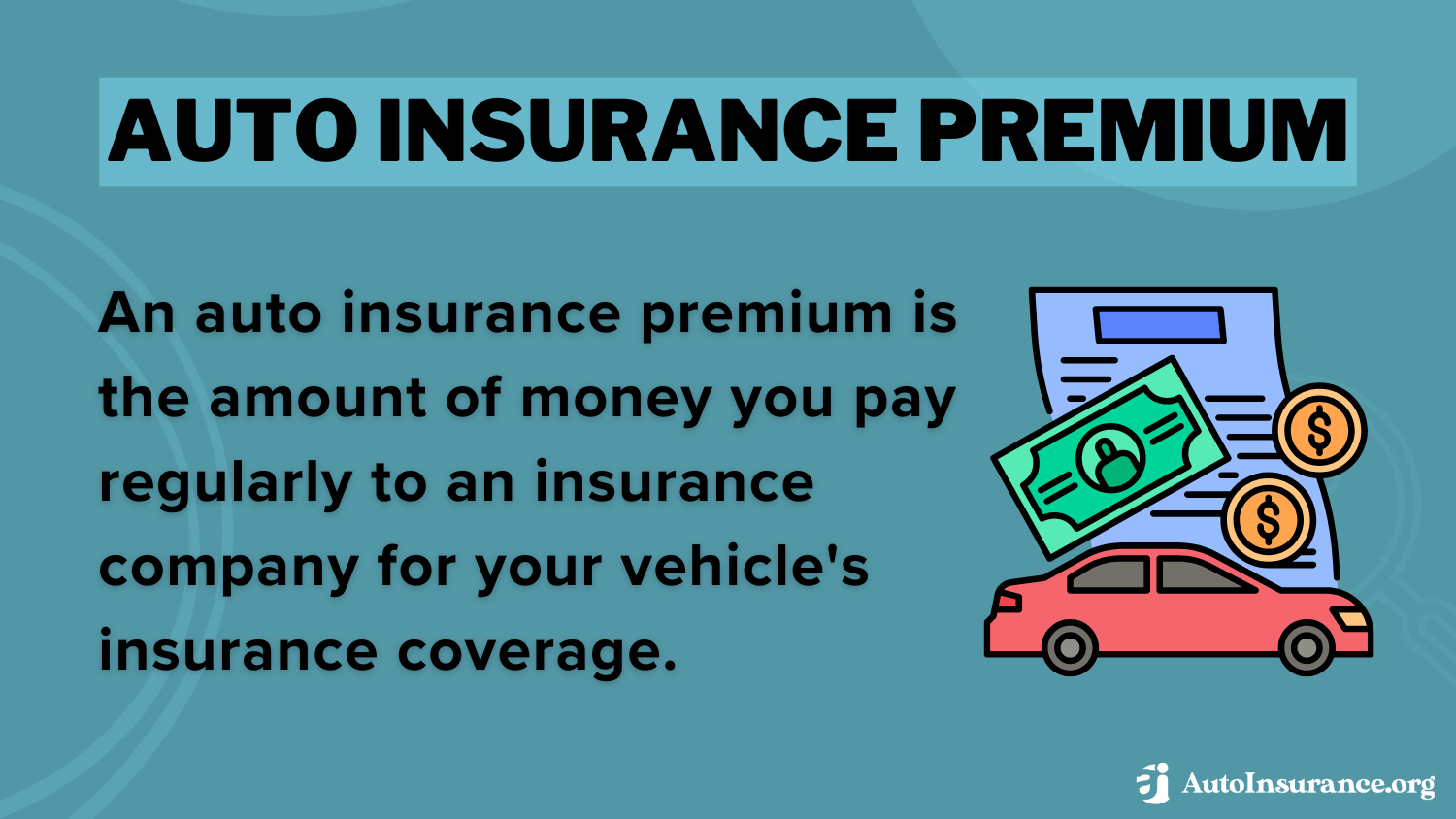
The adjustments auto insurance companies made to change payouts in 2018 directly influenced overall consumer pricing strategies. As claims severity increased across the board, insurers adjusted baseline premium rates to maintain underwriting profitability. Consumers experienced shifting dynamics in how comprehensive and collision coverages were priced, particularly for vehicles equipped with expensive safety technology.
Insurance carriers began offering targeted discounts for vehicles with proven safety records and active crash-avoidance technologies, while simultaneously increasing premiums for vehicles with high frequency and severity loss histories. Understanding these shifts required policyholders to carefully review their coverage limits, deductible selections, and policy endorsements regarding OEM part coverage.
Frequently Asked Questions
Why did auto insurance companies change their payout strategies in 2018?
Insurers adjusted their payout calculations primarily due to rising vehicle repair costs, the proliferation of expensive advanced driver-assistance systems (ADAS), and more sophisticated total-loss valuation software that utilized localized market data.
How did the shift in total loss valuation affect my payout offer?
Valuation software became more granular, using localized sales data and precise vehicle matching. This meant payout offers were tightly calibrated to immediate market values, though it required policyholders to carefully review reports for accuracy regarding mileage and vehicle options.
Are insurance companies required to use OEM parts for repairs?
Most standard auto insurance policies do not guarantee OEM parts unless a specific OEM endorsement has been purchased. Insurers routinely authorize alternative, aftermarket, or recycled parts as long as they meet safety and functionality standards.
How can a policyholder challenge a low total loss payout from 2018?
Policyholders could challenge a valuation by reviewing the insurer's valuation report for errors, gathering independent comparable vehicle listings from local dealerships, providing receipts for recent major vehicle maintenance, or invoking the policy's formal appraisal clause.
What role did state insurance regulators play during these industry shifts?
State insurance commissioners monitored market conduct to ensure valuation algorithms were fair and transparent, often requiring insurers to disclose the underlying data and comparable vehicles used to determine total loss settlements.
Next Steps for Consumers and Policyholders
When evaluating historical or ongoing changes in auto insurance payout practices, policyholders should proactively review their current policy declarations page. Verify whether your policy includes OEM parts endorsements or rental car reimbursement limits that match modern repair realities. If you are currently navigating a total-loss claim or disputing a settlement offer, request the complete valuation packet from your insurance adjuster, examine every line item for accuracy, and do not hesitate to present verifiable local market data to support a fair settlement negotiation.