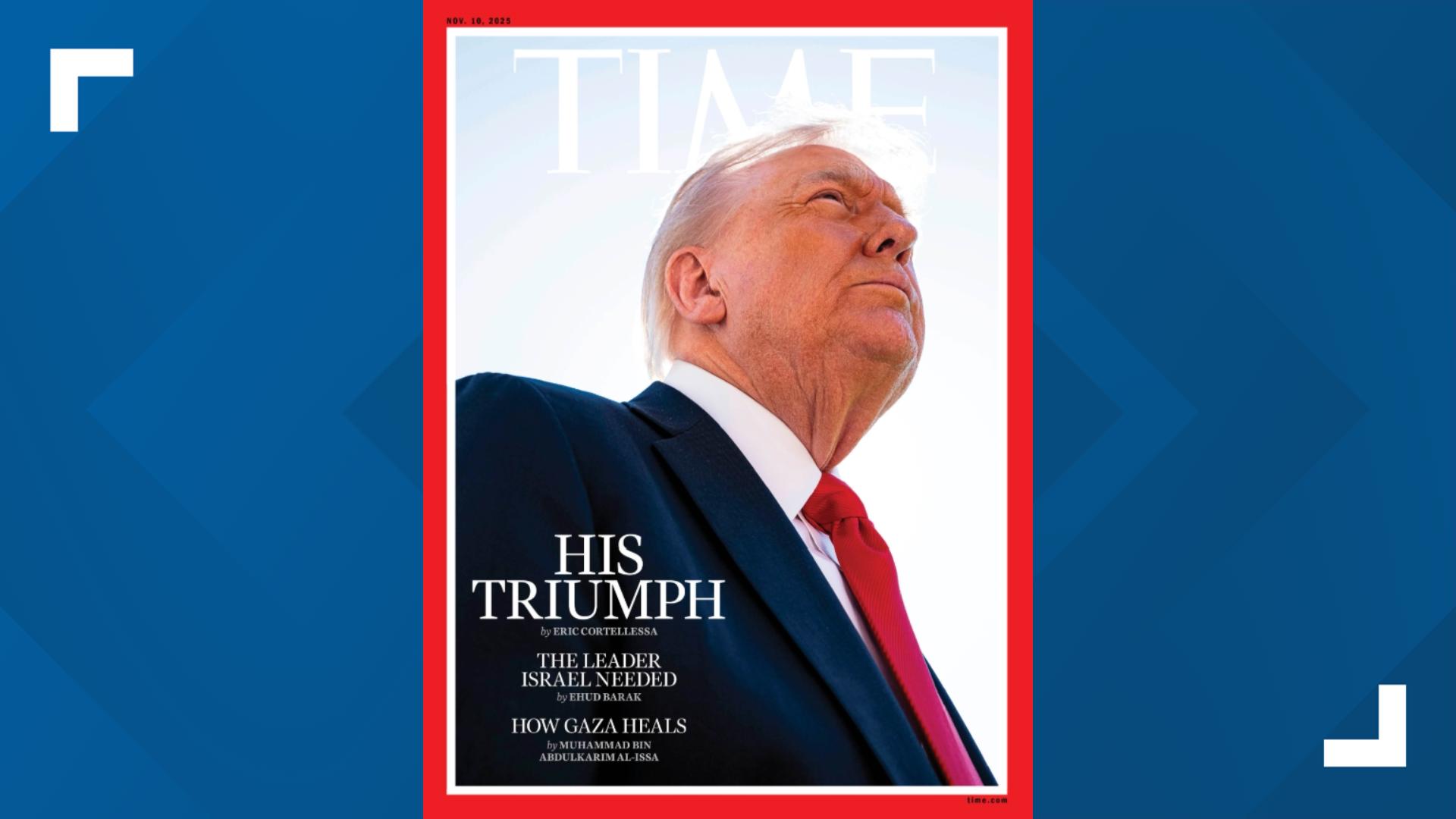
Donald Trump was named the 2016 Time Magazine Person of the Year following his victory in the United States presidential election. The publication selected him for his significant influence on the global political landscape, characterizing his impact as a total disruption of the established political order and a challenge to the norms of democratic governance.
The selection of the Person of the Year (formerly "Man of the Year" until 1999) is a tradition that dates back to 1927. It is not an endorsement of character or a popularity contest, but rather a recognition of the individual, group, or concept that had the most significant impact on the news and the world during the preceding twelve months. From the vantage point of 2026, the 2016 selection remains one of the most culturally and politically polarized decisions in the magazine's long history, reflecting the deep divisions that defined that era.
The Rationale Behind the 2016 Selection
When Time Editor-in-Chief Nancy Gibbs announced the selection in December 2016, she described the choice as "the most straightforward in years." The rationale focused on Donald Trump’s ability to reshape the political landscape of the United States and, by extension, the world. He moved from being a real estate mogul and reality television personality to the President-elect of the United States, defeating a highly experienced political opponent and bypassing traditional party structures.
The magazine’s editorial staff highlighted several key factors that led to this decision:
- Political Disruption: Trump’s campaign utilized a populist message that resonated with voters who felt ignored by the political establishment. By bypassing traditional media and using social media platforms—specifically Twitter—he directly engaged with his base, changing how political communication functions.
- Challenging Global Norms: His rhetoric regarding international trade agreements, NATO, and foreign relations signaled a potential shift in the global order, causing both anticipation and anxiety across international markets and governments.
- The Scale of Change: Whether viewed as a positive or negative force, the sheer magnitude of the change he represented was undeniable. Time noted that for his supporters, he represented a long-overdue "deliverance" from a "smug" ruling class, while for his detractors, he represented a threat to the stability of democratic institutions.
The Shortlist: The 2016 Finalists
The selection of Donald Trump was not without competition. The 2016 shortlist represented a cross-section of the most significant forces in politics, science, and culture. Understanding who else was considered provides a clearer picture of the global climate during that pivotal year.
Hillary Clinton (The Runner-Up)
Hillary Clinton, the first woman to be nominated for president by a major U.S. political party, was the runner-up for the 2016 title. Time acknowledged her role as a symbol of the "glass ceiling" and her popular vote victory, which underscored the deep national divide. Her candidacy represented the resilience of the traditional political establishment even as it was being challenged by populist movements.
The Hackers
Ranked third, "The Hackers" represented a collective entity that influenced global events through digital warfare. This included state-sponsored actors and independent groups who targeted political organizations, including the Democratic National Committee. This selection highlighted the increasing vulnerability of democratic processes to cyber-interference, a theme that would dominate international security discussions for the next decade.
Recep Tayyip Erdoğan
The President of Turkey was a finalist following a failed coup attempt in July 2016. His subsequent crackdown on dissent, the restructuring of the Turkish government, and his pivotal role in the Syrian refugee crisis made him one of the most influential and controversial world leaders of the year.
The CRISPR Scientists
In a year dominated by politics, the inclusion of the CRISPR scientists (notably Jennifer Doudna and Emmanuelle Charpentier) served as a reminder of the monumental leaps occurring in biotechnology. Their development of a precise gene-editing tool held the potential to cure genetic diseases, though it also raised profound ethical questions about "designer babies" and the future of human evolution.
Beyoncé
Representing the cultural sphere, Beyoncé was recognized for her visual album Lemonade and her Super Bowl halftime performance. Beyond the music, her work was cited for its exploration of racial identity, social justice, and womanhood, sparking national conversations about the intersection of pop culture and political activism.
Analysis of the 2016 Cover Art
The 2016 cover photo, taken by Nadav Kander, became a subject of intense scrutiny and analysis. The image depicts Donald Trump sitting in a Louis XV chair within his private residence at Trump Tower. The lighting is moody and shadows fall across the backdrop, creating what many critics described as a "theatrical" or "ominous" atmosphere.
The Subtitle: "President of the Divided States of America"
The most striking element of the cover was the subtitle: "President of the Divided States of America." This was a deliberate play on the official title of the office he was about to assume. It acknowledged that while he had won the Electoral College, the nation was experiencing its most significant social and political fragmentation in generations.
Editorial Intent vs. Public Interpretation
The cover sparked several "conspiracy theories" and deep-dives into hidden meanings. Some observers pointed out that the "M" in the word "TIME" was positioned directly behind Trump's head, appearing to give him "devil horns." Time responded by noting that many people on previous covers (including Bill Clinton and Pope John Paul II) had similar visual alignments due to the magazine’s standard layout, and that any such resemblance was purely coincidental.
Furthermore, the choice of the chair and the pose was compared by some art historians to various historical portraits of powerful leaders, suggesting a deliberate attempt to capture the weight and isolation of high office. The editorial goal was to present a portrait that was "human and complex," rather than a simple promotional shot.
Historical Comparison of "Controversial" Selections
Time often reminds its audience that the Person of the Year is not an honor. This distinction is vital for understanding why figures who are viewed negatively by large swaths of the population are selected.
| Year | Person of the Year | Context/Impact |
|---|---|---|
| 1938 | Adolf Hitler | Selected for his orchestration of the Munich Agreement and the expansion of the Third Reich, which significantly altered European history. |
| 1939 | Joseph Stalin | Chosen for the signing of the Nazi-Soviet Pact and the invasion of Poland, which marked the beginning of World War II. |
| 1979 | Ayatollah Khomeini | Selected for leading the Iranian Revolution, which transformed Iran into a theocratic state and impacted global oil markets. |
| 2007 | Vladimir Putin | Recognized for his stabilization of Russia and his increasing influence on the global stage, often through authoritarian means. |
| 2016 | Donald Trump | Selected for his disruption of the U.S. political system and his impact on global populist movements. |
The 2016 selection followed this tradition of recognizing influence regardless of moral judgment. By documenting the rise of a figure who challenged the status quo, Time aimed to record history as it was happening.
The Long-Term Impact of the 2016 Choice
Looking back from 2026, the 2016 selection was a harbinger of a new era in media and politics. It signaled the end of the "consensus" era of journalism, where a single narrative could define the national mood. Instead, the 2016 cover reflected a fractured reality where different segments of the population lived in entirely different information ecosystems.
The 2016 edition also marked a shift in how Time approached its annual franchise. In subsequent years, the magazine increasingly chose groups of people or "movements" rather than individuals, such as "The Silence Breakers" (2017) and "The Guardians" (2018). This shift was a response to a world where influence was becoming more decentralized and collective, a trend that was already evident in the 2016 shortlist with the inclusion of "The Hackers" and the "CRISPR Scientists."
FAQs: Understanding the 2016 Selection
Who was the 2016 Time Man of the Year?
Donald Trump was named the 2016 Person of the Year. The title was changed from "Man of the Year" to "Person of the Year" in 1999 to be more inclusive, though many people still use the older terminology. He was selected after winning the 2016 U.S. presidential election.
Does being Person of the Year mean Time likes the person?
No. The editorial policy states that the title goes to the person or thing that had the greatest impact on the news, for better or worse. Past selections include figures like Adolf Hitler and Joseph Stalin, as well as positive figures like Martin Luther King Jr. and Pope John Paul II.
Who were the finalists for the 2016 title?
The finalists included Hillary Clinton (runner-up), The Hackers, Recep Tayyip Erdoğan, the CRISPR Scientists, and Beyoncé. Each represented a major news story or shift in culture during the year 2016.
Why did the cover say "Divided States of America"?
The subtitle was a commentary on the intense political polarization in the United States at the time. It reflected the fact that while Donald Trump won the Electoral College, he lost the popular vote, and his campaign had exposed deep social and economic rifts in the country.
Who photographed the 2016 cover?
The 2016 cover was photographed by Nadav Kander. He is a renowned photographer known for his portraits of world leaders and his ability to capture complex characters through lighting and composition.
Verifying the Facts: Legacy and Archives
For those wishing to verify the details of the 2016 selection, Time maintains a comprehensive digital archive of its past covers and editorial essays. The 2016 announcement article, titled "The Choice," written by Nancy Gibbs, provides the definitive primary source for the magazine's reasoning.
Researchers can also access the original shortlist videos and interviews produced by Time during the 2016 announcement week. These documents provide a snapshot of a moment in time when the global community was grappling with a massive shift in the political landscape.
Recommendation for Further Action: If you are researching the 2016 selection for academic or historical purposes, it is recommended to read the original Time editorial essay by Nancy Gibbs. Additionally, comparing the 2016 selection with the 2016 shortlist provides a more nuanced understanding of the competing global forces that shaped that year. For a broader perspective on how this selection fits into history, consult the full list of past winners to see how the criteria of "influence" has been applied over the last century.