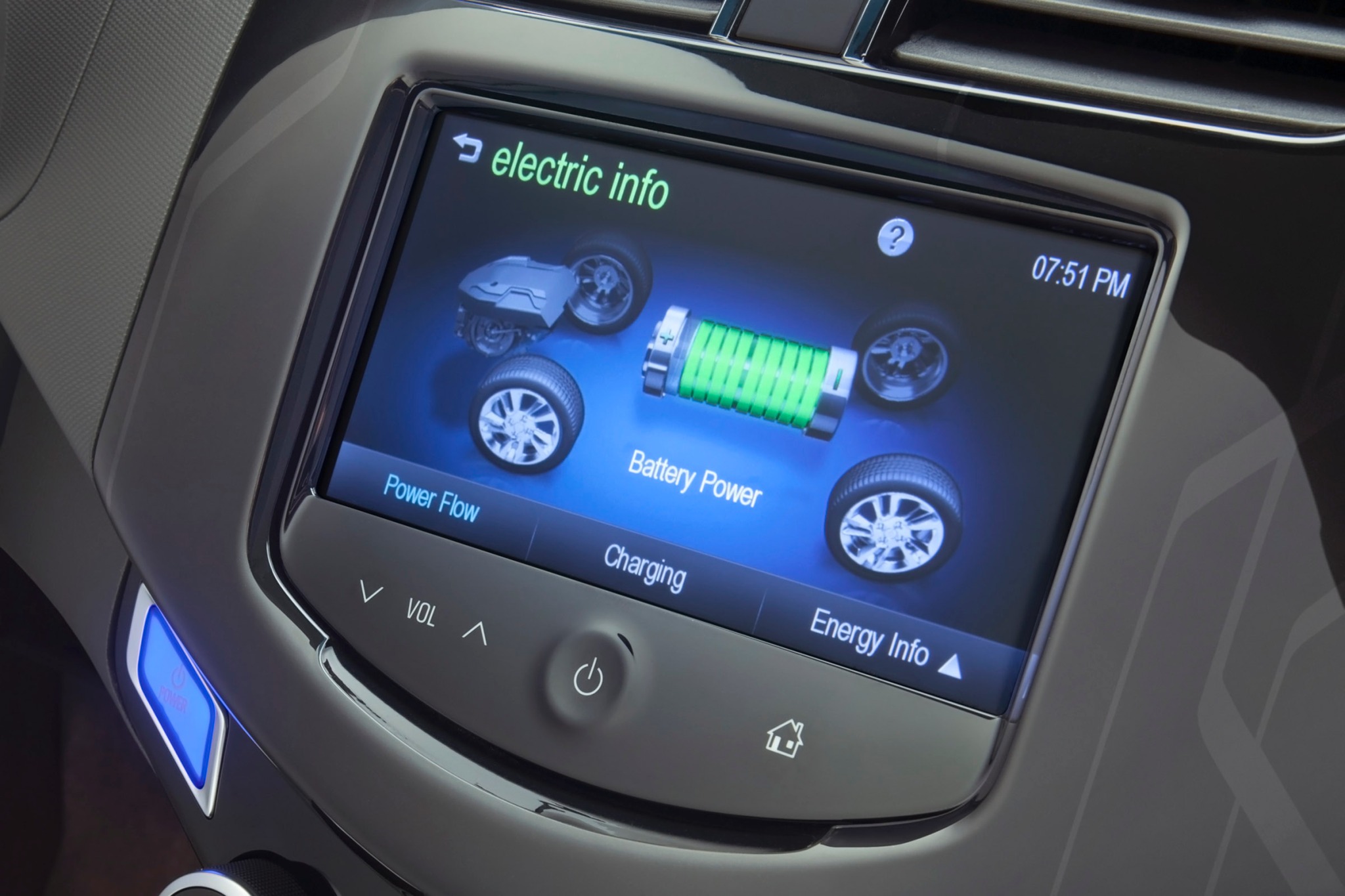
The 2016 Chevrolet Spark EV has an EPA-estimated range of 82 miles (132 kilometers) on a full charge. This range is powered by an 18.4 kWh lithium-ion battery pack. While the official combined rating is 82 miles, real-world range typically varies between 60 and 90 miles depending on driving habits, climate control usage, and ambient temperature.
The 2016 Chevrolet Spark EV represents the final production year of GM’s first modern all-electric passenger car. While it was primarily a "compliance car" sold in select markets like California, Oregon, and Maryland, it earned a reputation for being a "sleeper" performance vehicle due to its massive torque output. As we look at these vehicles in 2026, understanding the nuances of its range, battery health, and charging limitations is essential for anyone considering one as a budget-friendly commuter.
The Technical Foundation: The 18.4 kWh Battery
To understand the 2016 Spark EV's range, one must look at the battery chemistry and architecture. Unlike the initial 2014 model year, which utilized a 21.3 kWh battery pack from A123 Systems, the 2016 model features an 18.4 kWh battery using cells supplied by LG Chem.
Despite the reduction in total kilowatt-hour capacity compared to the earliest models, the EPA range remained identical at 82 miles. This was achieved through improved cell efficiency and a reduction in the overall weight of the battery pack (roughly 86 pounds lighter). The pack consists of 192 lithium-ion cells arranged in a configuration that prioritizes thermal stability.
Thermal Management and Longevity
One of the most significant factors affecting the long-term range of the 2016 Spark EV is its active liquid cooling and heating system. Many contemporary EVs from the same era, most notably the Nissan LEAF, relied on passive air cooling. Passive systems are notorious for accelerated degradation in hot climates.
The Spark EV’s liquid-cooled system circulates coolant through the battery to maintain an optimal operating temperature. This is why, even in 2026, many Spark EVs still retain a significant portion of their original range. However, users should still expect some degree of natural chemical degradation over a decade of use.
EPA Efficiency and MPGe Ratings
The 2016 Spark EV is remarkably efficient, often outperforming larger EVs in terms of energy consumption per mile. The EPA rated the vehicle at 119 MPGe combined (Miles Per Gallon equivalent).
- City: 128 MPGe
- Highway: 109 MPGe
- Energy Consumption: 28 kWh per 100 miles
The disparity between city and highway ratings highlights a fundamental characteristic of EV range: aerodynamic drag. Because the Spark EV is a tall, narrow hatchback, it encounters significant wind resistance at speeds above 65 mph. Consequently, drivers using the vehicle for high-speed freeway commuting will likely see their range drop toward the 60-mile mark, whereas urban drivers frequently exceed the 82-mile estimate.
Real-World Range Variables
The "82-mile" figure is a standardized benchmark, but actual daily range is a moving target. Several environmental and behavioral factors dictate how far the 2016 Spark EV can actually travel.
1. Impact of Climate and HVAC
The 2016 Spark EV uses a high-voltage positive temperature coefficient (PTC) heater for cabin warmth. Unlike a heat pump, which is more common in modern 2026 EVs, a PTC heater is essentially a high-powered electric toaster element. Turning the heat to maximum in sub-freezing temperatures can instantly reduce the estimated range by 20% to 30%.
To mitigate this, the Spark EV offers a "pre-conditioning" feature. If the car is plugged into a Level 2 charger, the driver can use the key fob or a mobile app to warm or cool the cabin using grid power rather than the battery, preserving the full 82-mile range for the drive.
2. Driving Style and Regenerative Braking
The Spark EV features a robust regenerative braking system. When the driver lifts off the accelerator, the electric motor reverses its function, acting as a generator to slow the car and feed electricity back into the battery.
Driving in "L" (Low) mode on the gear selector increases the aggressiveness of this regeneration. While it does not allow for true "one-pedal driving" (the car will not come to a complete stop without the brake pedal), it significantly extends the range in stop-and-go traffic.
3. Terrain and Elevation
Climbing steep grades consumes energy at an accelerated rate. While the Spark EV’s 327 lb-ft of torque makes hill climbing effortless, the energy cost is high. Conversely, descending a mountain can often "recharge" the battery by several percentage points, but the net energy balance will always favor flat or downhill routes.
Charging Standards and Speeds
Range is only half of the equation; the other half is how quickly that range can be replenished. The 2016 Spark EV supports three primary levels of charging.
Level 1: Standard Wall Outlet (120V)
Every Spark EV came with a portable cord set for a standard household outlet. This is the slowest method, adding roughly 3 to 5 miles of range per hour. A full charge from empty can take 15 to 20 hours. This is generally only sufficient for drivers with very short daily commutes (under 30 miles).
Level 2: Public or Home Charging (240V)
The Spark EV features a 3.3 kW onboard charger. By modern standards, this is slow; many current EVs use 7.7 kW or 11 kW onboard chargers. For the Spark EV, a Level 2 station will fully replenish the battery in approximately 7 hours.
DC Fast Charging (CCS Port)
DC Fast Charging was an optional feature for the 2016 model year. It is crucial to verify if a specific vehicle has the orange flap covering the lower portion of the charging port. If equipped with the SAE Combo (CCS) port, the Spark EV can charge from 0% to 80% in about 20 minutes. In 2026, the CCS standard remains widely available, making DC-equipped Spark EVs much more versatile than those limited to Level 2 charging.
Comparing the 2016 Spark EV to Contemporaries
To understand where the Spark EV fits in the market, it helps to compare it to other electric vehicles from the same production era.
| Feature | 2016 Chevy Spark EV | 2016 Nissan LEAF (24kWh) | 2016 Fiat 500e | 2016 BMW i3 (60Ah) |
|---|---|---|---|---|
| EPA Range | 82 Miles | 84 Miles | 84 Miles | 81 Miles |
| Battery Size | 18.4 kWh | 24 kWh | 24 kWh | 22 kWh |
| Thermal Mgmt | Liquid Cooled | Passive Air | Liquid Cooled | Liquid Cooled |
| Torque | 327 lb-ft | 187 lb-ft | 147 lb-ft | 184 lb-ft |
| Fast Charge | CCS (Optional) | CHAdeMO (Optional) | None | CCS (Standard) |
Despite having the smallest battery in this group, the Spark EV matches or exceeds the range of its competitors thanks to its superior efficiency and lighter curb weight.
Assessing Battery Health in 2026
If you are evaluating a 2016 Chevrolet Spark EV today, the primary concern is battery degradation. While the liquid-cooled LG Chem cells are durable, no battery is immune to the passage of a decade.
How to Check Range Health
The most reliable way to check the battery health is through the "Energy Information" screen on the center console. After a full charge, note the "Max" and "Min" range estimates. However, the most accurate method involves using an OBD-II scanner and an app like Torque Pro or MyGreenVolt. These tools can read the "Battery Capacity Remaining" in kWh.
A healthy 2016 Spark EV in 2026 should ideally show a capacity between 14 kWh and 16 kWh. If the capacity has dropped below 12 kWh, the effective range will likely be limited to 50–55 miles, significantly impacting the vehicle's utility.
Signs of Degradation
- Sudden Drops: If the range percentage drops rapidly (e.g., from 40% to 20% in two miles), it indicates a weak cell within the pack.
- Reduced Top Speed Performance: As internal resistance increases with age, the battery may struggle to provide peak power for hard acceleration.
- Longer Equilibrium Times: If the "Guess-O-Meter" (the range display) fluctuates wildly with minor temperature changes, the battery’s state-of-health may be declining.
Maintenance for Optimal Range
The Spark EV requires very little maintenance, but certain factors directly influence how many miles you get out of a charge:
- Tire Pressure: The Spark EV uses Low Rolling Resistance (LRR) tires. Running these tires even 5 PSI below the recommended 35 PSI can reduce range by 3% to 5%.
- Wheel Alignment: Because of the car's high torque, it is easy to knock the front wheels out of alignment during spirited starts. Poor alignment increases friction and kills efficiency.
- 12V Battery Health: A failing 12V lead-acid battery can cause the high-voltage system to behave erratically, sometimes preventing the car from entering its most efficient operating modes.
Frequently Asked Questions
Can the 2016 Spark EV battery be upgraded for more range?
Currently, there are no commercially available "drop-in" battery upgrades that increase the capacity beyond the original factory specs. While some specialized EV shops can perform cell-level repairs or swaps from salvaged units, the cost often exceeds the market value of the vehicle.
Does fast charging damage the Spark EV’s range?
Frequent DC Fast Charging generates heat, which is the primary enemy of battery longevity. However, because the Spark EV has active liquid cooling, the risk is much lower than in air-cooled vehicles. Occasional fast charging is generally considered safe and has a negligible impact on long-term range.
Why does my range drop so much on the highway?
The Spark EV is not aerodynamically optimized for high speeds. Its drag coefficient is relatively high for an EV. Additionally, electric motors are most efficient at lower RPMs found in city driving. At 75 mph, the motor must work significantly harder to overcome air resistance, causing the "82-mile" range to deplete much faster than a mile-per-mile basis.
Is the 2016 Spark EV range sufficient for a 50-mile round-trip commute?
Yes, provided you have a reliable way to charge. If you can charge at work (Level 1 or Level 2), a 50-mile commute is easy. If you can only charge at home, a 50-mile commute is still feasible, but you will have a smaller "buffer" (roughly 30 miles) for errands, bad weather, or battery degradation.
Does the 2016 Spark EV have a "Range Extender" (Gas Generator)?
No. Unlike the Chevrolet Volt, the Spark EV is a Battery Electric Vehicle (BEV). It does not have a gasoline engine. If the battery reaches 0%, the vehicle will stop and require a tow or a mobile charging service.
Final Recommendations for Buyers and Owners
The 2016 Chevrolet Spark EV remains a highly viable secondary vehicle in 2026, especially for urban dwellers with dedicated home charging. To maximize your experience with the 82-mile range:
- Prioritize DC Fast Charge Models: Even if you don't plan to use it often, having the CCS port significantly increases the car’s resale value and provides a safety net for longer trips.
- Account for Age: When planning your routes, treat the car as having a 65-mile range rather than 82. This accounts for 10 years of degradation and ensures you never arrive at a charger with a critically low battery.
- Use Pre-conditioning: Always warm or cool the car while it is still plugged into the wall. This single habit can save up to 10 miles of range during extreme weather months.
As a compact, efficient, and surprisingly quick electric car, the 2016 Spark EV proves that you don't always need a 300-mile battery to have a functional and enjoyable electric driving experience.