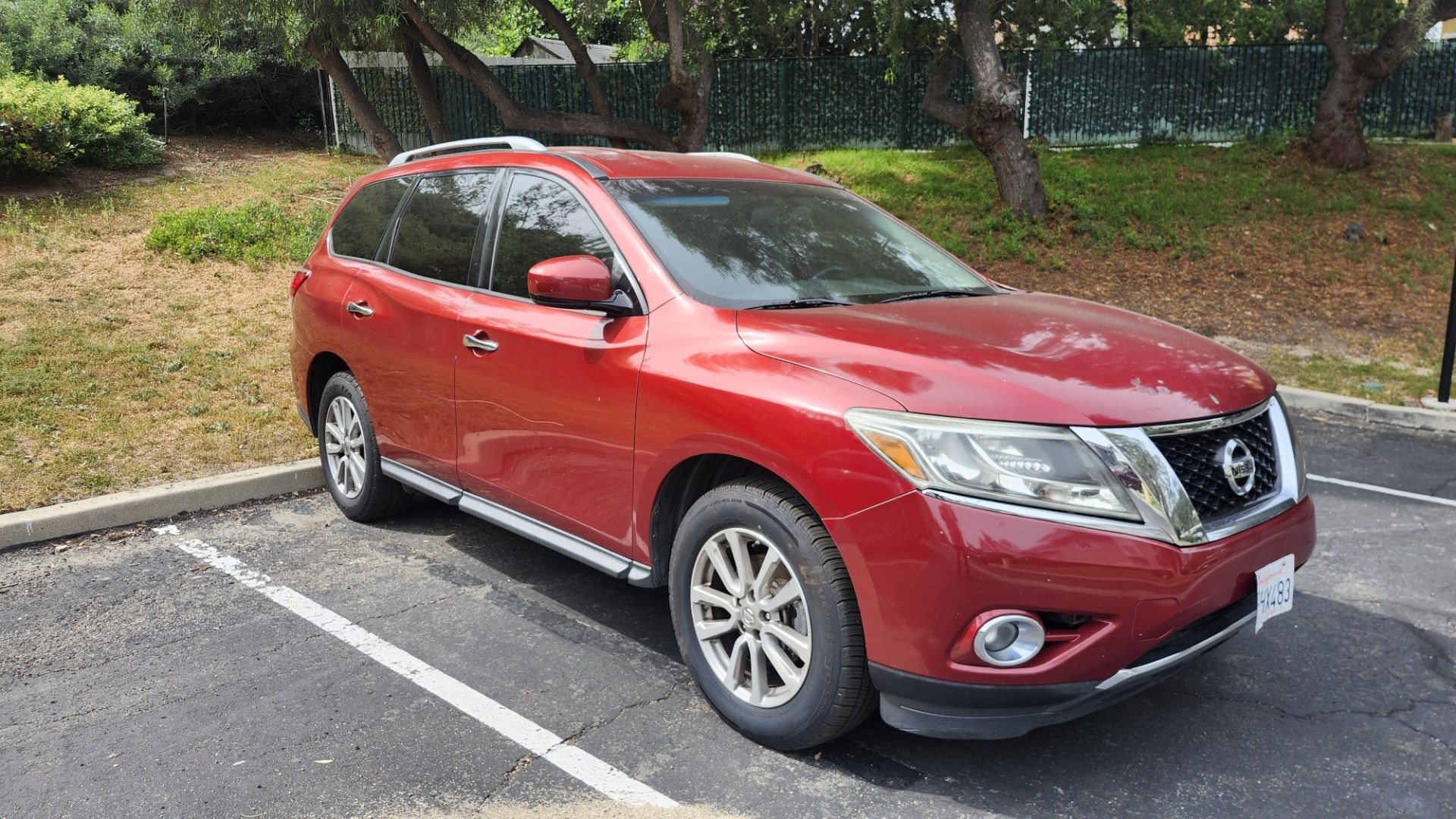
When the 2015 Nissan Pathfinder SV was revealed, it marked a significant continuation of Nissan's strategy to transform its once-rugged, truck-based SUV into a family-friendly, unibody crossover. Positioned directly above the entry-level S trim and below the SL and Platinum variants, the SV grade struck a balance between everyday utility, enhanced comfort features, and accessible pricing for growing families.
Introduction to the 2015 Nissan Pathfinder SV
The fourth-generation Nissan Pathfinder, introduced for the 2013 model year, represented a radical departure from its body-on-frame predecessors. By adopting a unibody platform shared with the Altima, Maxima, and Murano, Nissan optimized the vehicle for fuel efficiency, highway ride comfort, and interior space. When the 2015 model year updates rolled out, the Pathfinder SV emerged as the volume-selling sweet spot in the lineup. It retained the spacious three-row seating configuration and efficient V6 powertrain while introducing a revised Xtronic Continuously Variable Transmission (CVT) software calibration, expanded standard equipment packages, and refined interior electronics that appealed directly to value-conscious family buyers looking for a versatile midsize crossover SUV.
Exterior Design and Styling Language
The exterior styling of the 2015 Nissan Pathfinder SV adhered to the brand's contemporary design language, characterized by sweeping aerodynamic lines, a chrome-accented grille, and a signature sweeping window line. Unlike the boxy, utilitarian aesthetics of older Pathfinders, the 2015 model prioritized low drag coefficients to improve highway fuel economy.
Aerodynamics and Body Architecture
The unibody construction not only reduced overall vehicle weight compared to older frame-based designs but also allowed for a lower step-in height, making it significantly easier for children and older passengers to enter and exit. The SV trim added practical exterior appointments, including standard roof rails for cargo management, fog lights integrated into the front fascia, and 18-inch aluminum-alloy wheels that filled the wheel wells more aggressively than the 18-inch steel or basic alloy setups found on lower trims.
Lighting and Visibility
Halogen projector headlights came standard on the SV, providing reliable illumination, while the inclusion of front fog lamps enhanced visibility in adverse weather conditions like dense fog or heavy rain. The side mirrors featured integrated turn signal indicators and power-adjustment capabilities, ensuring that driver visibility and communication with surrounding traffic remained uncompromised.
Interior Comfort, Packaging, and Cargo Utility
Inside the cabin, the 2015 Nissan Pathfinder SV focused heavily on ergonomic design, passenger flexibility, and family-oriented storage solutions. The vehicle offered a standard seating capacity for seven passengers across three rows.
Seating Versatility and EZ Flex Seating System
One of the standout interior features of this generation was the LATCH and Glide system, part of Nissan's EZ Flex Seating System. The second-row bench seat featured a 60/40-split design that could slide forward and backward over a 5.5-inch range. Crucially, this system allowed the second-row seat to tilt and slide forward even with a child safety seat installed in place, permitting remarkably easy access to the third row without the typical struggle associated with three-row crossovers.
Cabin Materials and Convenience Features
The SV trim elevated the interior environment above the base S model by incorporating a leather-wrapped steering wheel and shift knob, an 8-way power adjustable driver's seat with manual lumbar support, and a dual-zone automatic temperature control system. Tri-zone climate control provisions ensured that rear passengers could regulate their own comfort levels. Storage cubbies abounded throughout the cabin, including a deep center console, a dual-tier glove compartment, and multiple cup holders across all three rows.
Powertrain, Performance, and Drivetrain Engineering
Under the hood, the 2015 Nissan Pathfinder SV relied on a proven powertrain combination designed to maximize efficiency without sacrificing towing capability or everyday drivability.
The 3.5-Liter V6 Engine
The vehicle was powered by a 3.5-liter VQ-series V6 engine, generating 260 horsepower at 6,400 rpm and 240 lb-ft of torque at 4,400 rpm. This dual overhead camshaft (DOHC) engine utilized continuous valve timing control (CVTC) to optimize air intake and combustion efficiency across varying rev ranges.
Xtronic CVT and Drivetrain Configurations
Power was routed through a second-generation D-Step Logic Xtronic CVT. Nissan programmed this transmission to simulate traditional stepped gear ratios under heavy acceleration, mitigating the persistent engine droning often associated with older CVTs. Buyers could choose between front-wheel drive (FWD) and an advanced Intuitive All-Mode 4x4-i system. The 4x4-i system featured a rotary switch on the center console allowing drivers to select between 2WD mode for maximum fuel economy, Auto mode for continuous monitoring of road conditions and power distribution, and 4WD Lock mode for slippery surfaces or deep snow.
Technical Specifications and Comparative Trim Breakdown
To understand where the SV variant stood within the broader 2015 Pathfinder lineup, examining its technical specifications alongside adjacent trims provides clear context for prospective buyers and automotive researchers.
| Feature / Specification | Pathfinder S (Base) | Pathfinder SV (Mid-Tier) | Pathfinder SL (Upper-Mid) | Pathfinder Platinum (Top-Tier) |
|---|---|---|---|---|
| Engine Type | 3.5L V6 (260 hp) | 3.5L V6 (260 hp) | 3.5L V6 (260 hp) | 3.5L V6 (260 hp) |
| Transmission | Xtronic CVT | Xtronic CVT | Xtronic CVT | Xtronic CVT |
| Drivetrain | FWD / Optional 4WD | FWD / Optional 4WD | FWD / Optional 4WD | FWD / Optional 4WD |
| Wheels | 18-inch Aluminum | 18-inch Aluminum-Alloy | 18-inch Unique Alloy | 20-inch Unique Alloy |
| Driver's Seat | 6-way Manual | 8-way Power | Leather, Heated, Memory | Leather, Heated/Cooled |
| Infotainment Screen | 7.0-inch Display | 7.0-inch Display w/ Apps | 8.0-inch Touchscreen | 8.0-inch Touchscreen w/ Nav |
| Audio System | 6-Speaker Audio | 6-Speaker Audio | Bose Premium Audio | Bose Premium Audio |
| Rear Power Liftgate | Not Available | Not Available | Standard | Standard with Motion-Activated |
Technology, Infotainment, and Driver Convenience
The 2015 Nissan Pathfinder SV bridged the gap between basic analog instrumentation and modern digital connectivity. It featured an Advanced Drive-Assist Display positioned directly in the center of the instrument cluster between the speedometer and tachometer. This 4.0-inch color screen supplied real-time fuel economy data, navigation turns, tire pressure monitoring, and four-wheel-drive power distribution readouts.
The central dashboard housed a 7.0-inch color audio display equipped with NissanConnect featuring mobile apps, Bluetooth hands-free phone connectivity, streaming audio via Bluetooth, a USB connection port for iPods and compatible media devices, and a rearview monitor. While satellite radio (SiriusXM) was integrated, higher-end amenities like voice-recognized navigation and Bose premium audio systems were reserved for the SL and Platinum trims, leaving the SV as a more straightforward, technology-accessible option.
Safety Ratings, Structure, and Active Security
Family safety remains a paramount consideration in the three-row crossover segment. The 2015 Nissan Pathfinder SV was engineered around an occupant zone with crumple zones designed to absorb crash energy and protect the cabin integrity during front, side, and rear impacts.
Standard Safety Equipment
Standard safety gear included dual-stage supplemental front airbags, front seat-mounted side-impact airbags, and roof-mounted curtain side-impact airbags with rollover sensors for all three rows. Active safety technologies featured a 4-wheel Anti-lock Braking System (ABS) with Electronic Brake force Distribution (EBD), Brake Assist, and Vehicle Dynamic Control (VDC) coupled with a Traction Control System (TCS) to maintain stability in adverse weather or emergency maneuver scenarios.
Crash Test Performance
In evaluations conducted by the National Highway Traffic Safety Administration (NHTSA), the front-wheel-drive and all-wheel-drive versions of the 2015 Nissan Pathfinder received strong overall safety ratings. Similarly, the Insurance Institute for Highway Safety (IIHS) awarded the vehicle favorable marks in moderate overlap front, side, and roof strength evaluations, making it a reliable choice for family transport.
Fuel Economy, Towing Capacity, and Practical Ownership
Efficiency and utility represent two primary drivers for buyers evaluating midsize crossovers. The 2015 Pathfinder SV delivered competitive figures across both categories.
Fuel Consumption Metrics
Front-wheel-drive models achieved an EPA-estimated fuel economy rating of roughly 20 mpg in city driving and 27 mpg on the highway, with a combined rating of 23 mpg. Selecting the All-Mode 4x4-i system adjusted these figures slightly to an EPA-estimated 19 mpg city, 26 mpg highway, and 22 mpg combined. These numbers placed the Pathfinder near the top of its class for V6-powered three-row utility vehicles during its production era.
Towing Performance
The vehicle maintained a maximum towing capacity of up to 5,000 pounds when properly equipped. This capacity allowed owners to haul light travel trailers, pop-up campers, boats, or utility trailers, supported by standard trailer sway control features integrated into the vehicle stability control software.
Common Maintenance Items and Operational Considerations
Maintaining a second-generation Nissan Pathfinder SV requires adherence to factory-recommended service intervals. Understanding common mechanical traits helps owners preserve vehicle longevity.
CVT Maintenance and Fluid Flushes
The Xtronic CVT requires specific maintenance attention. While Nissan marketed the transmission fluid as a lifetime fluid under normal driving conditions, mechanics and automotive specialists strongly recommend inspecting the CVT fluid every 30,000 to 60,000 miles—especially for vehicles utilized frequently for towing or operating in severe weather environments. Utilizing genuine Nissan NS-3 CVT fluid is critical to prevent premature internal wear.
Suspension and Steering Longevity
Due to the heavy front-end weight of the V6 engine combined with unibody structural loads, front suspension components such as sway bar links, lower control arm bushings, and strut mounts can experience wear around 100,000 miles. Routine alignment checks and suspension inspections help maintain responsive steering and tire longevity.
Frequently Asked Questions
What engine came with the 2015 Nissan Pathfinder SV?
The 2015 Nissan Pathfinder SV came equipped with a 3.5-liter V6 engine producing 260 horsepower and 240 lb-ft of torque, paired with an Xtronic Continuously Variable Transmission (CVT).
Does the 2015 Nissan Pathfinder SV have third-row seating?
Yes. All variants of the 2015 Nissan Pathfinder, including the SV trim, feature standard three-row seating configured to accommodate up to seven passengers.
What is the maximum towing capacity of the 2015 Pathfinder SV?
When properly equipped, the 2015 Nissan Pathfinder SV has a maximum towing capacity of 5,000 pounds, making it suitable for small trailers, boats, and campers.
Is all-wheel drive standard on the Pathfinder SV?
No. Front-wheel drive (FWD) was standard equipment on the SV trim, while Nissan's Intuitive All-Mode 4x4-i system was available as an optional mechanical upgrade.
How does the SV trim differ from the base S trim?
The SV trim adds several popular family amenities over the base S model, including an 8-way power driver's seat, a leather-wrapped steering wheel, rear sonar parking sensors, automatic headlights, front fog lamps, and an upgraded instrumentation display.
Conclusion and Final Recommendations
The revelation and subsequent market release of the 2015 Nissan Pathfinder SV solidified Nissan's commitment to the modern family crossover format. By blending car-like driving dynamics, excellent fuel economy for a V6 utility vehicle, and clever interior packaging like the EZ Flex seating system, the SV trim emerged as a balanced choice for buyers needing three-row versatility without moving up to higher-priced luxury trims. For prospective buyers or owners evaluating this model, prioritizing maintenance records—particularly concerning CVT fluid history and suspension health—ensures continued reliability and performance.