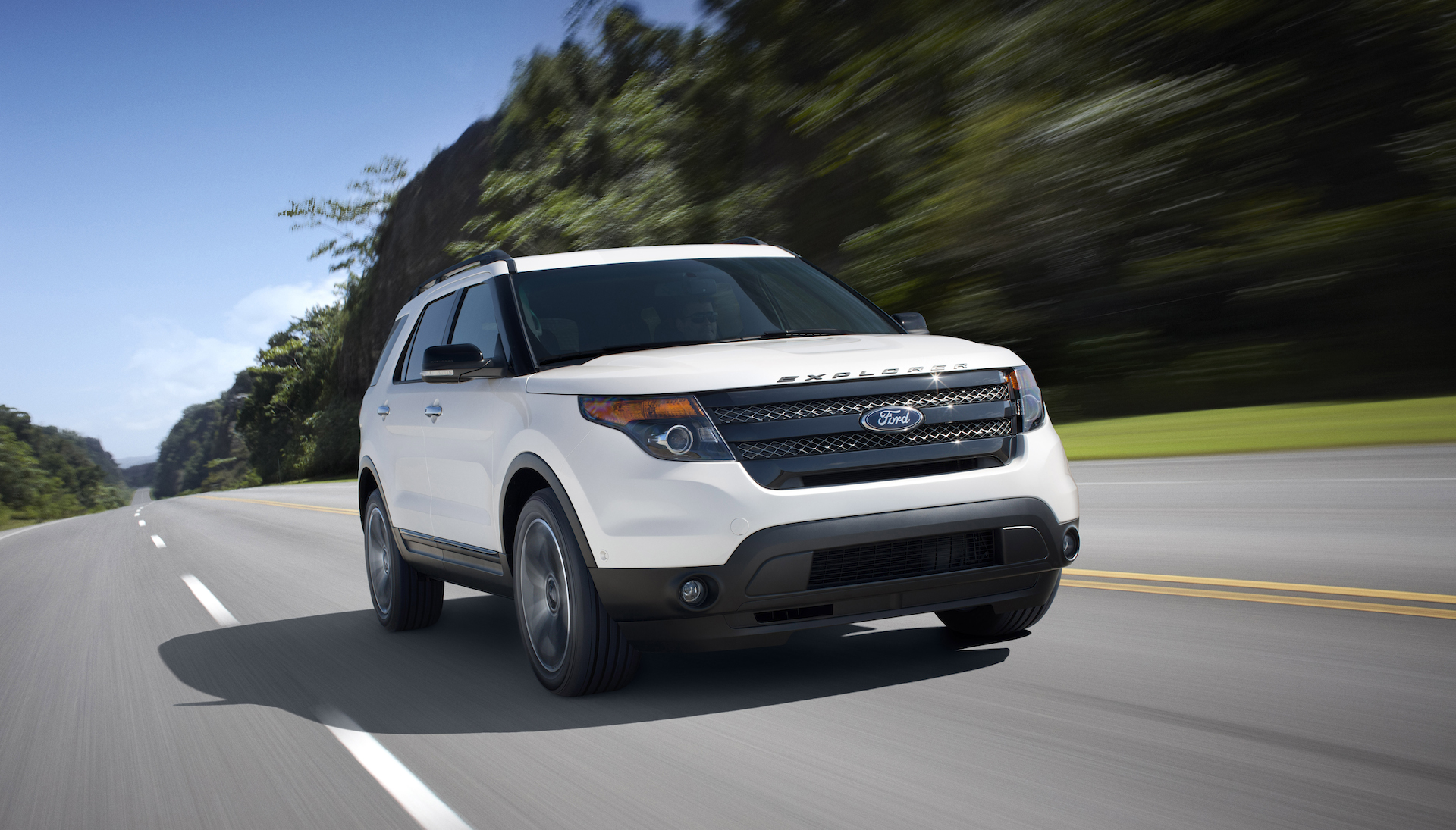
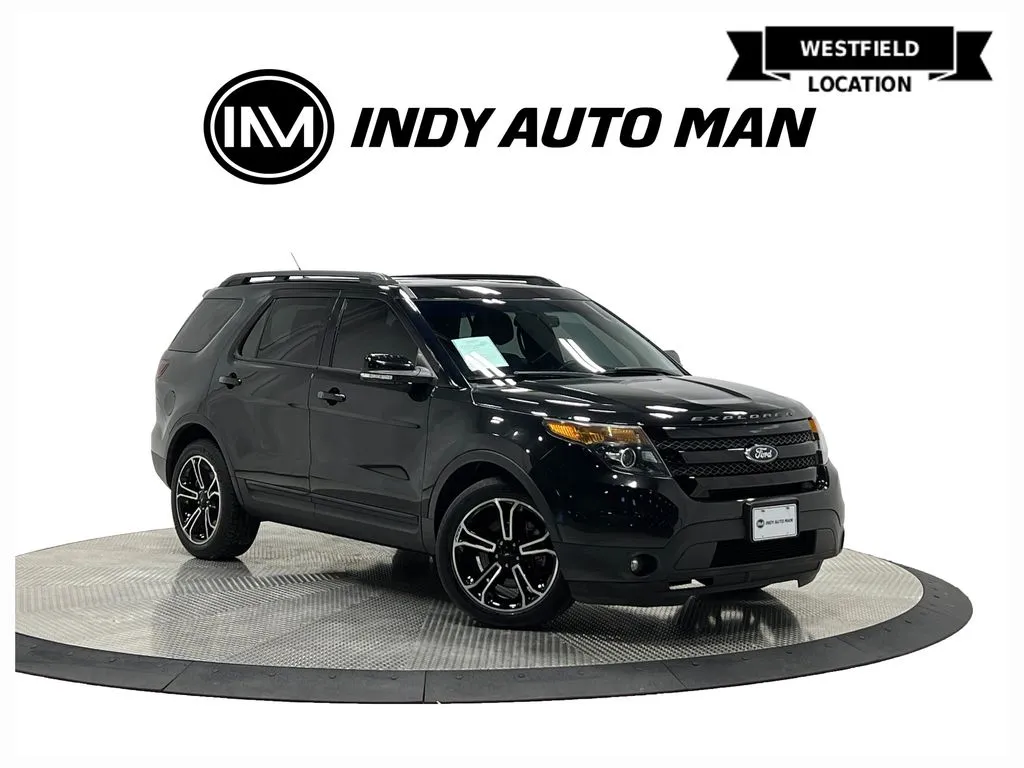
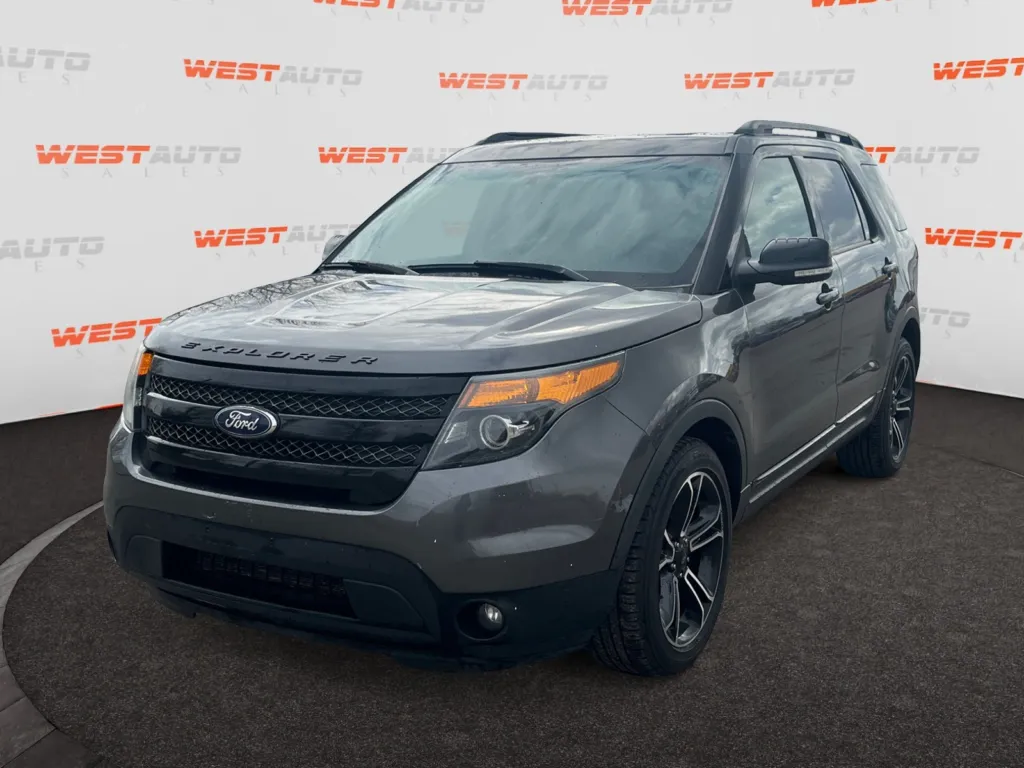
The 2015 Ford Explorer Sport balances utility and performance by pairing a 365-horsepower EcoBoost V6 engine with standard intelligent four-wheel drive and a stiffer suspension, though it sacrifices ride comfort, fuel economy, and interior packaging compared to standard trims or traditional large SUVs.
When the Ford Explorer transitioned into its fifth generation as a unibody crossover, it redefined what mainstream families expected from a three-row utility vehicle. Within that lineup, the Sport trim emerged as a bold experiment: applying a performance-oriented mindset to a heavy, family-hauling platform. For buyers navigating the used car market or evaluating legacy vehicles, understanding the 2015 Ford Explorer Sport specs and trade-offs requires looking past the aggressive blacked-out exterior trim and twin-turbocharged engine to examine how this vehicle handles daily driving, mechanical longevity, and real-world utility.
Identity, Positioning, and Powertrain Specifications
The 2015 model year sits right in the middle of the fifth-generation Explorer's lifecycle, arriving just before a major mid-cycle refresh that altered the front fascia and interior electronics for 2016. The Sport trim was positioned above the base, XLT, and Limited models as the performance flag-bearer of the lineup. Unlike lower trims that offered a naturally aspirated 3.5-liter V6 or a fuel-efficient 2.0-liter EcoBoost four-cylinder with front-wheel drive, the Sport came exclusively with a more potent powerplant and forced induction.
At the heart of the 2015 Ford Explorer Sport specifications is a 3.5-liter EcoBoost twin-turbocharged V6 engine. This direct-injection motor generates 365 horsepower at 5,500 RPM and a robust 350 lb-ft of torque starting at an accessible 3,500 RPM. Power is routed through a six-speed SelectShift automatic transmission paired with a permanent intelligent four-wheel-drive system featuring a terrain management dial. This setup replaces traditional low-range gearing with electronic modes for Normal, Mud/Ruts, Sand, and Snow, optimizing torque split and throttle mapping dynamically.
Core Performance and Mechanical Metrics
To handle the extra power and weight, Ford endowed the Sport trim with unique chassis and suspension tuning. The vehicle features a sport-tuned suspension with stiffer springs, revised dampening, and thicker stabilizer bars to mitigate body roll in tight corners. Steering feel is also uniquely calibrated, offering a heavier, more responsive weight than standard Explorer variants.
| Specification Category | 2015 Ford Explorer Sport Metric |
|---|---|
| Engine Type | 3.5L Twin-Turbocharged EcoBoost V6 |
| Horsepower | 365 hp @ 5,500 RPM |
| Torque | 350 lb-ft @ 3,500 RPM |
| Transmission | 6-speed SelectShift Automatic |
| Drivetrain | Intelligent Four-Wheel Drive (4WD) |
| Towing Capacity | 5,000 lbs (properly equipped) |
| EPA Fuel Economy | 16 mpg City / 22 mpg Highway / 18 mpg Combined |
| Curb Weight | Approx. 4,917 lbs |
Exterior Styling and Interior Equipment
Aesthetic differentiation plays a major role in the Explorer Sport appeal. Ford replaced the chrome accents found on the Limited trim with gloss-black and smoked treatments. The front grille, liftgate appliqué, and roof rack side rails feature a unique low-gloss black finish. Headlamp and taillight housings receive dark bezels, and the vehicle rides on unique 20-inch machined aluminum wheels painted with low-gloss black pockets.
Inside, the cabin leans toward a dark, athletic theme. Charcoal black leather-trimmed seating surfaces with contrasting stitching come standard, often complemented by unique scuff plates and floor mats. Front occupants benefit from heated, power-adjustable bucket seats, while the second row can be configured as a bench or dual bucket seats depending on original options.
Technology features reflect the mid-2010s automotive landscape. The 2015 model prominently features the MyFord Touch infotainment system powered by SYNC, housed within an 8-inch touch screen center stack alongside twin 4.2-inch configurable displays in the instrument cluster. While innovative for its era, this system has become a frequent point of discussion for used car buyers due to its interface complexity and reliance on capacitive touch buttons.
Major Advantages: The Strengths of the Sport Trim
Evaluating the 2015 Ford Explorer Sport reveals several distinct advantages that make it appealing to drivers who refuse to compromise entirely on driving dynamics when purchasing a multi-passenger vehicle.
Straight-Line Performance and Passing Power
In a segment dominated by lethargic naturally aspirated V6s and underpowered four-cylinder turbos, the EcoBoost engine transforms the driving experience. With 350 lb-ft of torque arriving low in the rev range, the heavy crossover accelerates with authority. Merging onto fast-moving highways, passing slower traffic, or climbing steep mountain grades requires minimal effort, contrasting sharply with non-turbo competitors of the same vintage.
Confidence-Inspiring All-Weather Handling
The combination of intelligent four-wheel drive and the terrain management system provides exceptional traction in adverse weather conditions. Whether navigating heavy winter snowstorms or wet, unpaved roads, the electronic control units constantly monitor wheel slip, yaw, and steering angle to shift torque proactively, ensuring stable tracking without driver intervention.
Aggressive Aesthetic Appeal
For buyers who find standard family haulers visually uninspiring, the Sport trim delivers a more muscular, purposeful stance. The monochrome exterior paint schemes, lack of bright chrome, and larger wheel packages give the vehicle a stealthy appearance that ages remarkably well compared to brighter, chrome-heavy designs from the same era.
Significant Trade-Offs: Compromises and Limitations
No vehicle is without flaws, and the performance-oriented nature of the Explorer Sport introduces specific compromises that prospective owners must weigh carefully against its benefits.
Firm Ride Quality
The stiffened suspension and heavy 20-inch wheels do an admirable job of controlling body roll, but they exact a toll on ride comfort. Over broken pavement, potholes, and expansion joints, the ride can feel jarring and harsh compared to the plush, compliant ride of an Explorer XLT or a competing Toyota Highlander. Passengers in the third row feel road impacts even more acutely due to their proximity to the rear axle.
Disappointing Fuel Economy
Forced induction offers impressive power, but it demands fuel when the turbochargers spool under load. While the EPA rates the vehicle at 18 mpg combined, real-world city driving often dips into the 14 to 15 mpg range. Drivers with heavy feet or those who frequently tow heavy loads will find fuel stops frequent and expensive, negating some of the traditional efficiency arguments for choosing a crossover over a body-on-frame SUV.
Infotainment Frustrations
The MyFord Touch system utilized in 2015 models is widely regarded by automotive journalists and owners alike as a low point in interface design. The four-corner touch screen layout is occasionally sluggish, and the haptic feedback buttons require precise touches that can distract the driver. Many owners look into aftermarket head unit replacements or specialized conversion kits to modernize the interior connectivity.
Long-Term Reliability and Common Maintenance Considerations
Purchasing or maintaining a used 2015 model requires an awareness of mechanical tendencies reported by technicians and long-term owners. While the 3.5L EcoBoost is generally robust when maintained properly, it operates in a high-heat, high-pressure environment that demands rigorous maintenance intervals.
- Timing Chain Wear: Early EcoBoost engines utilize an internal timing chain system driven by plastic guides and tensioners. While failures are not as universally catastrophic as internet lore sometimes suggests, proactive oil changes every 5000 miles are mandatory to prevent premature wear on these components.
- Cooling System Integrity: The water pump on transverse-mounted 3.5L engines is internally driven. If a water pump seal fails, coolant can mix directly into the engine oil, risking total engine failure if not caught early through regular fluid inspections.
- Power Steering Rack: The electric power-assisted steering (EPAS) systems on fifth-generation Explorers can experience internal sensor failures over high mileage, resulting in a sudden loss of power steering assist that requires replacing the entire steering gear assembly.
Comparison with Key Competitors
To contextualize the 2015 Ford Explorer Sport, it is helpful to examine how it measures up against contemporary rivals that targeted a similar demographic of performance-minded families.
| Vehicle Model | Engine Spec | Drivetrain | Primary Strength | Primary Weakness |
|---|---|---|---|---|
| 2015 Ford Explorer Sport | 3.5L Twin-Turbo V6 (365 hp) | Intelligent 4WD | Straight-line acceleration, styling | Firm ride, mediocre fuel economy |
| 2015 Dodge Durango R/T | 5.7L V8 HEMI (360 hp) | Rear- / All-Wheel Drive | Traditional V8 exhaust note, towing | Interior packaging, dated tech |
| 2015 Acura MDX | 3.5L V6 (290 hp) | Front- / SH-AWD | Long-term reliability, cabin comfort | Less aggressive power delivery |
| 2015 Jeep Grand Cherokee Overland | 3.0L EcoDiesel / 5.7L V8 | 4WD / Off-Road capability | Off-road articulation, towing range | Reliability inconsistency, tight rear seat |
Frequently Asked Questions
What kind of fuel does the 2015 Ford Explorer Sport require?
While the 3.5L EcoBoost engine can technically run on standard 87-octane regular unleaded fuel due to its knock-sensors and engine management computer, Ford recommends premium 93-octane fuel to achieve maximum horsepower and torque ratings. Using regular fuel results in the computer pulling ignition timing to prevent engine knock, leading to a subtle reduction in peak performance and throttle response.
Can the 2015 Explorer Sport tow a heavy trailer?
Yes, when properly equipped with the Class III Trailer Tow Package, the vehicle has a maximum towing capacity of 5,000 pounds. This is sufficient for pulling mid-sized travel trailers, boat trailers, or utility haulers. However, towing near maximum capacity will significantly increase fuel consumption and place higher thermal loads on the twin-turbochargers and transmission.
Is the third row spacious enough for adults?
The third-row seating in the fifth-generation Explorer is best reserved for children or emergency use over short distances. Legroom and headroom are constrained, and the floor pan is relatively high, forcing adult passengers into a knees-up seating posture. Folding the third row flat provides a vast, highly usable cargo area for daily luggage and gear.
How does the Sport trim differ mechanically from the Limited trim?
While both trims share the available 3.5L EcoBoost engine in later production years, the 2015 Limited trim relied primarily on a standard naturally aspirated V6 or a four-cylinder EcoBoost. Furthermore, the Sport trim features exclusive chassis calibration, including stiffer springs, unique dampening rates, a faster steering ratio, and standard intelligent four-wheel drive that cannot be replicated simply by purchasing cosmetic accessories.
Practical Recommendations for Prospective Buyers
Approaching the 2015 Ford Explorer Sport as a used vehicle purchase requires careful due diligence. Prioritize examples that possess a documented service history confirming frequent oil changes using full synthetic oil, as clean lubrication is the single most important factor in preserving the longevity of twin-turbocharged engines. Before finalizing a purchase, schedule a pre-purchase inspection with a mechanic familiar with Ford powertrains to check for coolant leaks, timing chain health, and suspension component wear. For drivers who prioritize responsive handling and passing power in a practical package, the Sport trim delivers a compelling drive, provided they accept the stiffer ride and heavier fuel consumption as part of the equation.