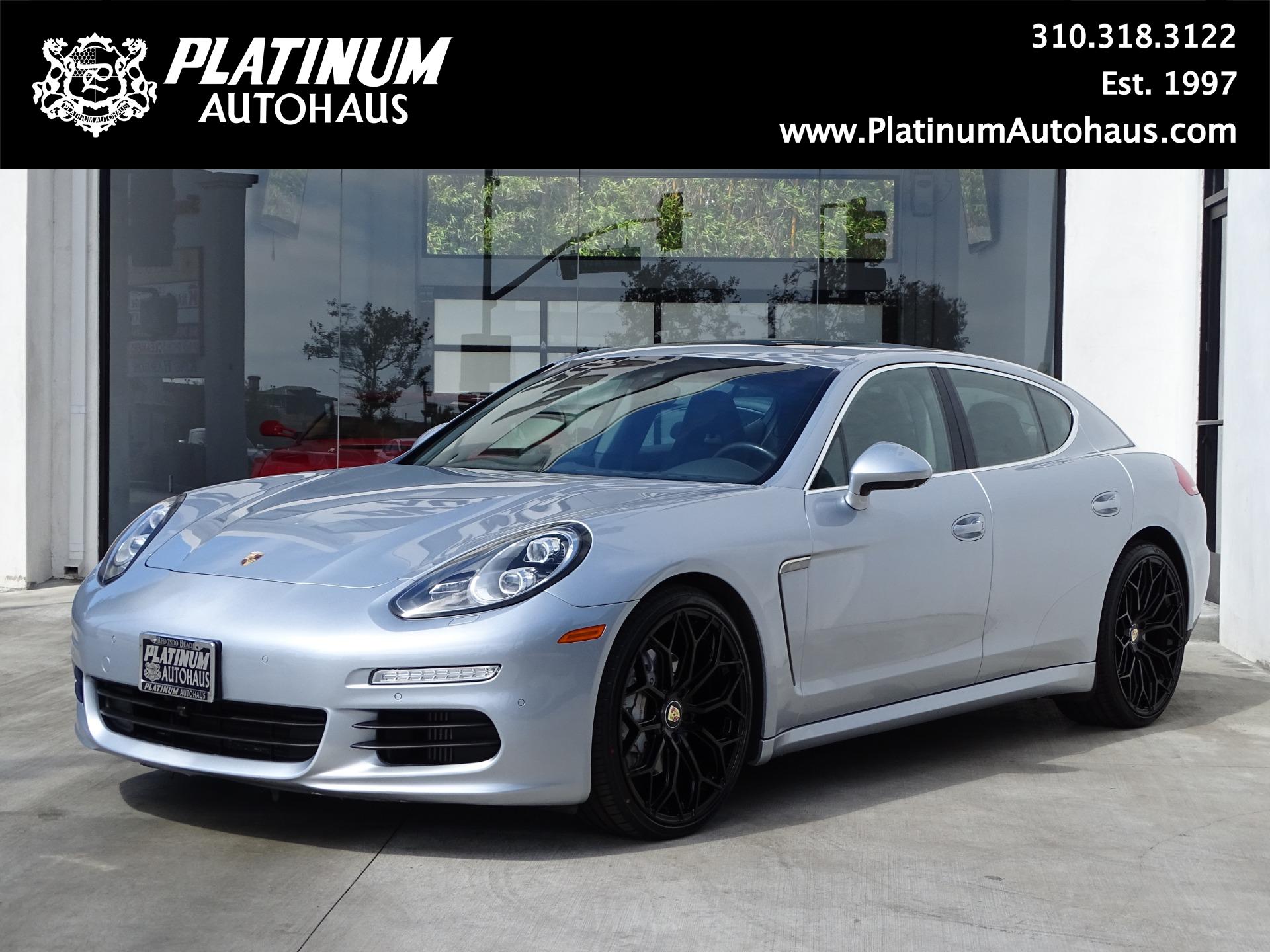
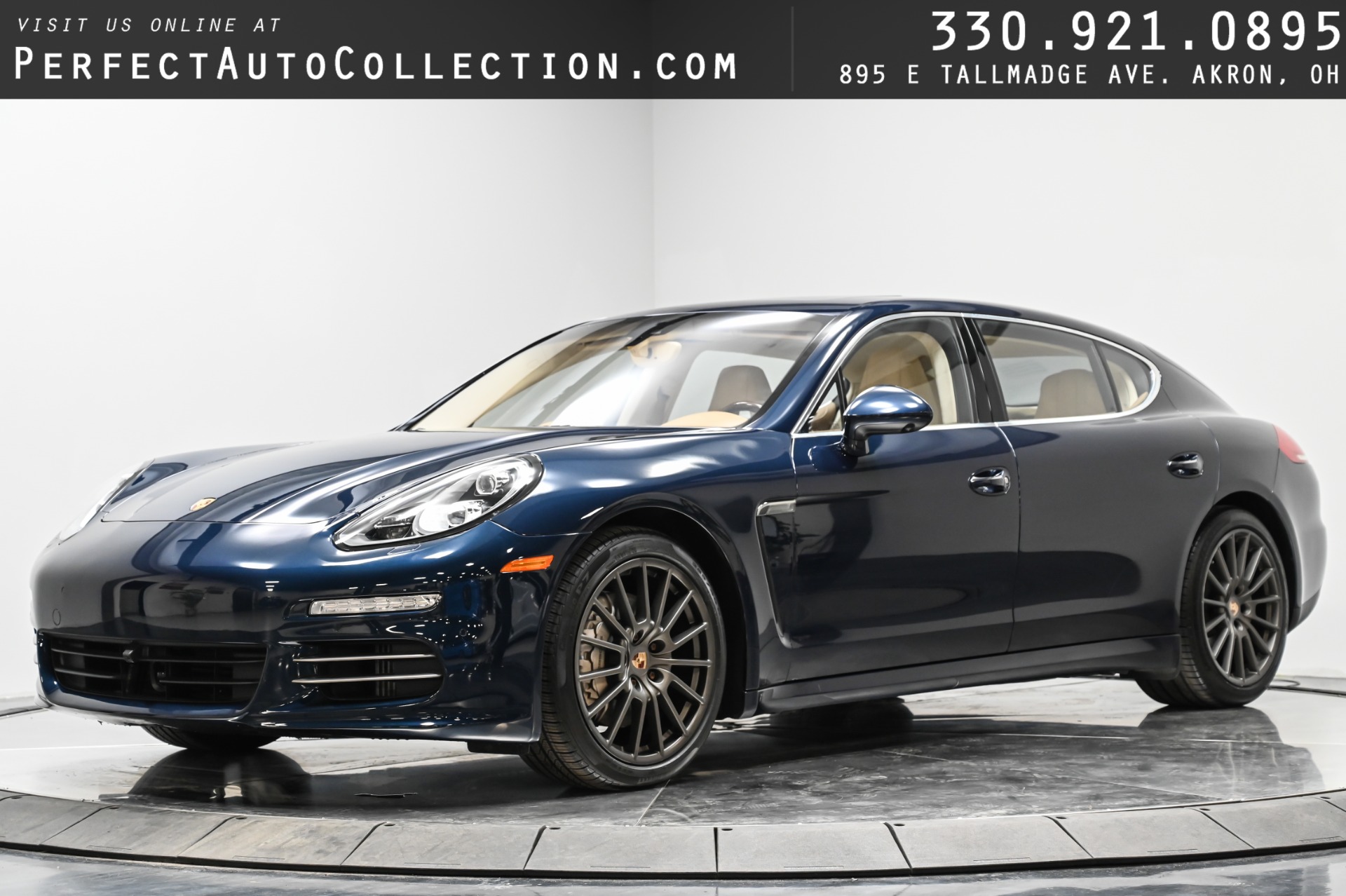
The 2014 Porsche Panamera S marks a major mid-cycle refresh for Porsche's luxury performance hatchback, highlighted by the replacement of the older naturally aspirated V8 with a more efficient, twin-turbocharged 3.0-liter V6 engine, refreshed exterior styling, and an expanded array of technology features.
Introduction to the 2014 Porsche Panamera S
When Porsche introduced the Panamera for the 2010 model year, it polarized automotive enthusiasts and critics alike. Traditionalists lamented the four-door hatchback layout, while practical drivers and performance purists praised its world-class driving dynamics. By 2014, Porsche addressed early aesthetic and powertrain criticisms with a comprehensive facelift. The 2014 Porsche Panamera S sits proudly in the middle of the lineup, bridging the gap between the base V6 models and the high-performance GTS and Turbo variants.
Understanding the 2014 model requires looking closely at how Porsche shifted its engineering philosophy during this era. Downsizing displacement while forcing induction became an industry-wide trend driven by emissions regulations and fuel economy standards. For the Panamera S, this meant retiring the beloved 4.8-liter naturally aspirated V8 in favor of a newly developed 3.0-liter twin-turbo V6. This change brought higher torque earlier in the rev range, making the car feel remarkably responsive in everyday driving conditions. Evaluating this vehicle today involves balancing its undeniable engineering pedigree against the complex maintenance realities of owning a sophisticated, high-performance German luxury car over a decade after its initial release.
Powertrain Evolution: The Twin-Turbo V6 Transition
The most significant mechanical update for the 2014 model year was the introduction of the 3.0-liter twin-turbocharged V6 engine under the hood of the Panamera S and 4S variants. This powerplant replaced the previous 4.8-liter naturally aspirated V8, delivering an output of 420 horsepower and 384 lb-ft of torque.
This new engine was not merely a concession to fuel efficiency; it was a performance upgrade in several practical metrics. Peak torque became available across a wide plateau from 1,750 to 5,000 rpm, virtually eliminating the lag associated with older turbo systems and providing instant acceleration from a standstill. Power is routed through Porsche’s lightning-fast seven-speed Doppelkupplung (PDK) dual-clutch transmission. The rear-wheel-drive S model delivers classic sports car handling dynamics, while the 4S variant adds an electronically managed all-wheel-drive system for enhanced traction in inclement weather.
Performance figures for the rear-wheel-drive 2014 Panamera S remain impressive by any standard. The vehicle accelerates from 0 to 60 mph in approximately 4.6 seconds when equipped with the Sport Chrono Package, and it continues up to a top speed of 178 mph. Furthermore, the forced-induction V6 significantly improved fuel economy compared to the outgoing V8, achieving better EPA ratings while offering superior throttle response at lower speeds.
Exterior Styling Refinements and Ergonomics
Porsche’s design team applied a series of subtle yet effective visual updates to the 2014 Panamera to correct some of the awkward proportions of the original design. The front fascia received larger air intakes, sharper headlight contours, and more prominent character lines on the hood.
At the rear, the tailgate was completely redesigned. The rear glass was widened, and the license plate recess was moved lower onto the bumper, allowing for a sleeker, more horizontal rear lighting strip that visually widened the stance of the car. Bi-xenon headlights became standard across all models, while adaptive LED headlights were made available as an option. The standard 19-inch wheels filled the wheel arches cleanly, though numerous 20-inch factory wheel designs were specified by original buyers.
Inside the cabin, the 2014 Panamera S maintains its signature cockpit layout, inspired by the Porsche Carrera GT. A rising center console divides the driver and front passenger, lined with a bank of physical and haptic touch-sensitive buttons that control climate, suspension, and audio settings. Rear-seat passengers enjoy generous legroom and individual bucket seats, making the Panamera a genuine long-distance grand tourer. Cargo capacity is another strong suit; the rear hatch opens to reveal 15.7 cubic feet of cargo space, which expands significantly when the 60/40 split-folding rear seatbacks are lowered.
Technical Specifications and Performance Comparison
To fully understand where the Panamera S sits within the 2014 lineup, it helps to examine its technical specifications alongside its sibling models.
| Specification | 2014 Panamera (Base) | 2014 Panamera S | 2014 Panamera GTS | 2014 Panamera Turbo |
|---|---|---|---|---|
| Engine Type | 3.6L V6 (Naturally Aspirated) | 3.0L V6 (Twin-Turbo) | 4.8L V8 (Naturally Aspirated) | 4.8L V8 (Twin-Turbo) |
| Horsepower | 310 hp @ 6,200 rpm | 420 hp @ 6,000 rpm | 440 hp @ 6,700 rpm | 520 hp @ 6,000 rpm |
| Torque | 295 lb-ft @ 3,750 rpm | 384 lb-ft @ 1,750-5,000 rpm | 384 lb-ft @ 3,500 rpm | 516 lb-ft @ 2,250-4,500 rpm |
| Transmission | 7-Speed PDK | 7-Speed PDK | 7-Speed PDK | 7-Speed PDK |
| 0-60 mph (Sec) | 6.0 | 4.6 (with Sport Chrono) | 4.2 | 3.9 |
| Top Speed | 160 mph | 178 mph | 177 mph | 305 km/h (189 mph) |
Driving Dynamics and Ride Quality
Despite its hefty curb weight of approximately 4,100 pounds, the 2014 Porsche Panamera S handles with an agility that defies its size. Steering weight is precise, offering genuine feedback from the road surface through the hydraulic-assist steering rack.
The vehicle comes standard with steel springs and passive dampers, but many models on the secondary market are equipped with Porsche Active Suspension Management (PASM) and the adaptive air suspension system. PASM allows the driver to toggle through three distinct suspension modes: Comfort, Sport, and Sport Plus. In Comfort mode, the Panamera S absorbs highway expansion joints and rough pavement with the composure of a traditional luxury executive sedan. Selecting Sport or Sport Plus stiffens the dampers, reduces body roll through tight corners, and sharpens the shift points of the PDK transmission, transforming the luxury cruiser into a formidable sports sedan.
Braking performance is equally confidence-inspiring. The standard setup features six-piston monobloc aluminum fixed calipers at the front and four-piston units at the rear, clamping down on ventilated discs. For buyers seeking ultimate fade resistance, Porsche Ceramic Composite Brakes (PCCB) were available as an expensive factory option, though they are rarely found outside of Turbo and GTS models.
Ownership Considerations, Common Issues, and Maintenance
Purchasing or maintaining a used 2014 Porsche Panamera S requires careful consideration of long-term operating costs. While Porsche engineering is renowned for mechanical durability, these vehicles are complex, high-performance machines packed with advanced electronics and pressurized fluid systems.
Common Mechanical Points to Inspect
- Air Suspension Leaks: Vehicles equipped with the optional air suspension can experience sagging over extended parking periods if the rubber air struts or valve blocks develop micro-leaks. Replacement of these components is costly.
- Coolant Lines and Thermostats: The twin-turbo V6 utilizes complex plastic and aluminum coolant crossover pipes. Over time, heat cycles can cause O-rings to degrade, leading to coolant leaks in the V-valley of the engine.
- PDK Transmission Health: The dual-clutch transmission is exceptionally robust when serviced properly, but fluid and filter changes must be performed strictly according to the manufacturer's maintenance schedule (typically every 40,000 miles).
- High-Pressure Fuel Pumps (HPFP): Direct-injection systems operate under extreme pressure, and early iterations of the HPFP on these turbo engines occasionally fail, resulting in extended crank times or limp-mode operation.
Routine maintenance should ideally be performed by an independent specialist familiar with Porsche vehicles or an authorized dealership, as specialized diagnostic tools are required to clear service intervals and program electronic modules.
Frequently Asked Questions
Is the 2014 Porsche Panamera S reliable?
The 2014 Panamera S is generally reliable for a high-performance luxury vehicle, provided it has a documented service history. The shift to the 3.0L twin-turbo V6 resolved several oil consumption issues present in earlier V8 models, but buyers should still budget for higher-than-average maintenance costs associated with luxury German engineering.
What is the difference between the Panamera S and the Panamera 4S?
The primary difference lies in the drivetrain. The Panamera S is rear-wheel drive, offering a slightly lighter curb weight and classic sports car steering feel. The Panamera 4S features an intelligent all-wheel-drive system that automatically directs power to the front wheels when rear slippage is detected, making it ideal for wet or snowy climates.
Does the 2014 Panamera S require premium fuel?
Yes. The high-compression ratio and forced-induction nature of the 3.0-liter twin-turbo V6 require premium unleaded gasoline with an octane rating of 91 AKI (95 RON) or higher to prevent engine knocking and deliver rated performance.
Can you fit golf clubs or large luggage in the 2014 Panamera S?
Yes. The hatchback configuration provides a wide loading aperture and 15.7 cubic feet of trunk space with the rear seats upright. Folding the rear seatbacks flat expands the cargo volume significantly, easily accommodating multiple golf bags or large suitcases.
What option packages should I look for when buying a used 2014 Panamera S?
Key packages to look for include the Sport Chrono Package (which adds dash-mounted analog/digital stopwatch, Sport Plus mode, and launch control), the Premium Package (adding heated seats, park assist, and a rearview camera), and adaptive air suspension for superior ride comfort.
Conclusion and Buying Recommendation
The 2014 Porsche Panamera S represents a sweet spot in the model's history, combining the mechanical maturity of the first-generation mid-cycle refresh with the punchy performance of the downsized twin-turbo V6 engine. For buyers seeking a spacious daily driver that refuses to compromise on driving dynamics, it offers an compelling alternative to traditional executive sedans from Mercedes-Benz, BMW, and Audi. When shopping for a used model, prioritize examples with a comprehensive service history, verified pre-purchase inspections from a qualified technician, and well-documented maintenance records to ensure a rewarding ownership experience.