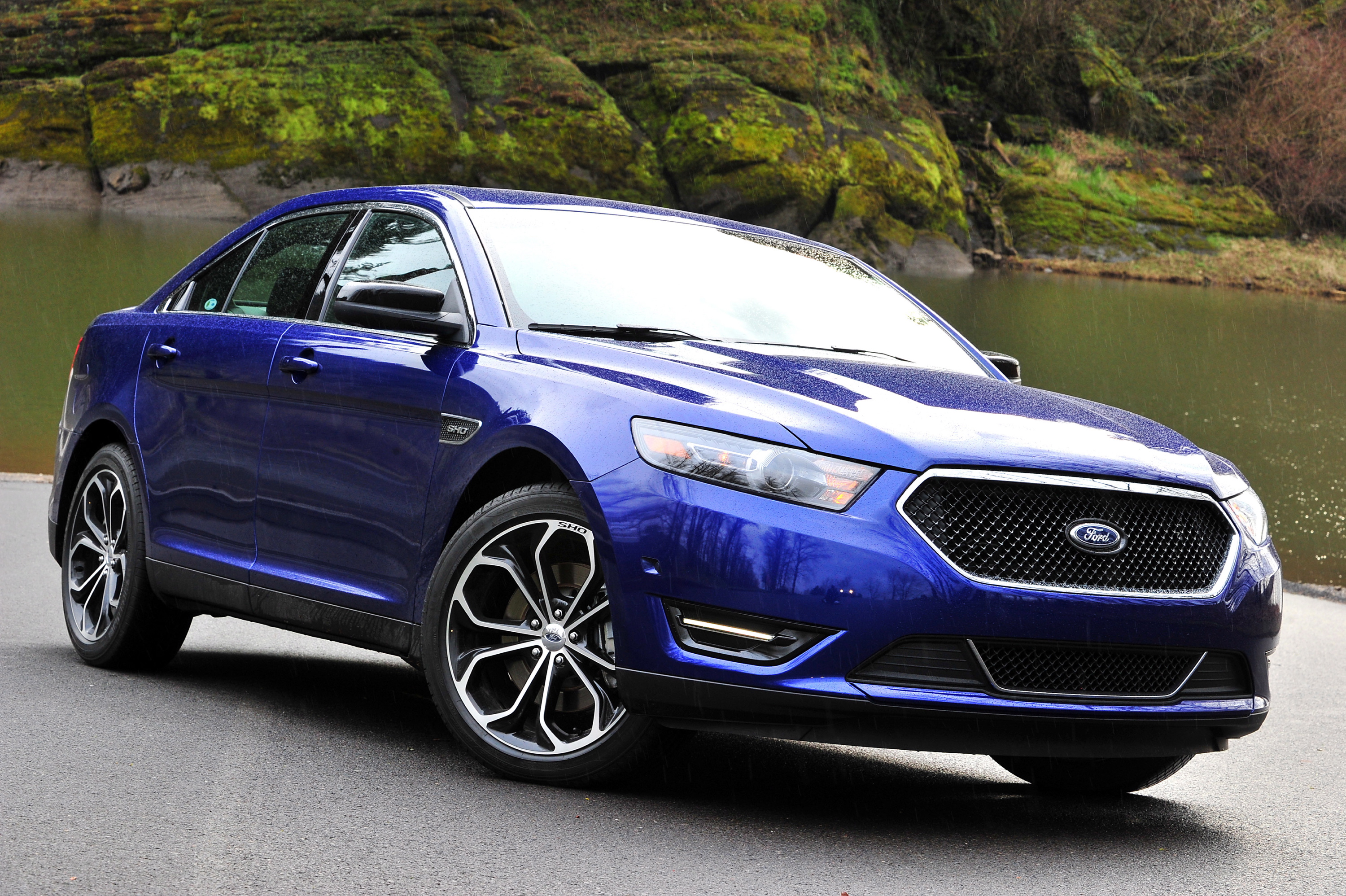
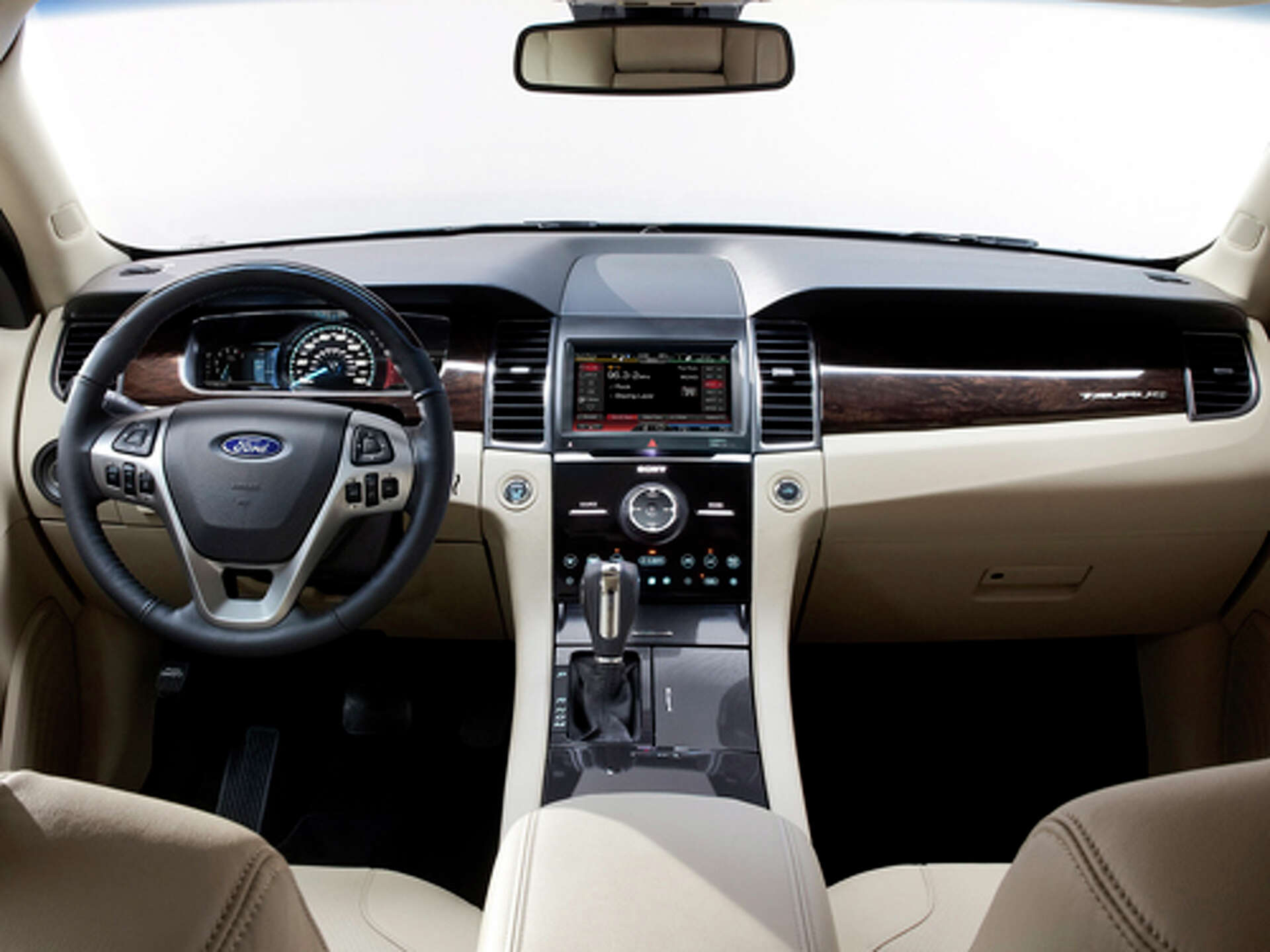
The 2013 Ford Taurus offers a wide range of fuel economy ratings depending on the chosen powertrain, with EPA estimates ranging from 17 city / 25 highway MPG for the high-performance SHO model to an impressive 22 city / 32 highway MPG for the 2.0L EcoBoost variant. The standard 3.5L V6 engine delivers a balanced 19 city / 29 highway MPG in front-wheel-drive configurations.
In the landscape of full-size sedans, the 2013 Ford Taurus represented a significant technological pivot for Ford. This model year introduced the 2.0L EcoBoost four-cylinder engine to the Taurus lineup, aiming to provide the fuel efficiency of a smaller car without sacrificing the "big sedan" comfort and road presence the Taurus was known for. As we evaluate this vehicle from the perspective of 2026, the 2013 Taurus remains a common sight on the used market, making its fuel consumption metrics vital for buyers looking to balance purchase price with ongoing operational costs.
The Engineering Behind the 2013 Taurus Efficiency
To understand the 2013 Ford Taurus MPG overview, one must look at the mechanical updates Ford implemented during this mid-cycle refresh. The 2013 model was not just a facelift; it included several engineering enhancements designed to reduce drag and mechanical friction.
One of the most notable additions was the active grille shutter system. Available on specific trims, these shutters automatically close at highway speeds to reduce aerodynamic drag, redirecting air around the vehicle rather than through the radiator when cooling demands are low. This small adjustment contributed significantly to the Taurus reaching the 30+ MPG mark on the highway—a notable feat for a vehicle weighing nearly 4,000 pounds.
Furthermore, Ford transitioned to Electric Power-Assisted Steering (EPAS) across the lineup. Unlike traditional hydraulic systems that draw constant power from the engine via a belt-driven pump, the EPAS only draws energy when steering assistance is actually required. This reduction in parasitic engine load directly translates to a marginal but measurable improvement in fuel economy.
Detailed MPG Breakdown by Engine and Drivetrain
The 2013 Ford Taurus was offered with three distinct engines, each paired with a six-speed automatic transmission. The fuel economy varies drastically between these setups, particularly when comparing the fuel-sipping EcoBoost four-cylinder to the performance-oriented SHO.
1. The Standard 3.5L Ti-VCT V6
The workhorse of the Taurus fleet, the 3.5-liter Twin Independent Variable Camshaft Timing (Ti-VCT) V6, was designed to provide a smooth power delivery. This engine was standard on the SE, SEL, and Limited trims.
- Front-Wheel Drive (FWD): 19 City / 29 Highway / 23 Combined MPG.
- All-Wheel Drive (AWD): 18 City / 26 Highway / 21 Combined MPG.
The Ti-VCT technology allows the engine to adjust the intake and exhaust valve timing independently. This optimizes performance under high load while maximizing fuel efficiency during steady-state cruising. For most drivers, this engine represents the "middle ground," offering sufficient power (288 horsepower) while staying competitive with other V6 sedans of that era.
2. The 2.0L EcoBoost I-4
Introduced as an option for the 2013 model year, the 2.0-liter EcoBoost was Ford’s answer to rising fuel prices and stricter emissions standards. By using turbocharging and direct injection, Ford achieved the torque of a larger V6 with the displacement of a four-cylinder.
- Front-Wheel Drive (FWD) only: 22 City / 32 Highway / 26 Combined MPG.
This engine was specifically marketed to commuters. While it offered less peak horsepower (240 hp) than the base V6, its low-end torque made it feel responsive in city traffic. It is important to note that the 2.0L EcoBoost was not available with All-Wheel Drive, a limitation intended to keep the vehicle's weight down and maximize the efficiency benefits of the smaller displacement.
3. The 3.5L EcoBoost V6 (SHO Model)
The Taurus SHO (Super High Output) was the performance flagship. It utilized a twin-turbocharged 3.5-liter V6 engine and came standard with All-Wheel Drive to manage its 365 horsepower.
- All-Wheel Drive (AWD): 17 City / 25 Highway / 20 Combined MPG.
While the SHO’s numbers are the lowest in the lineup, they were considered impressive in 2013 for a vehicle with its performance capabilities. The use of direct injection helped maintain a respectable 25 MPG on the highway, provided the driver maintained a light foot on the accelerator.
2013 Ford Taurus MPG Comparison Table
| Engine Configuration | Drivetrain | City MPG | Highway MPG | Combined MPG |
|---|---|---|---|---|
| 2.0L EcoBoost I-4 | FWD | 22 | 32 | 26 |
| 3.5L Ti-VCT V6 | FWD | 19 | 29 | 23 |
| 3.5L Ti-VCT V6 | AWD | 18 | 26 | 21 |
| 3.5L EcoBoost V6 (SHO) | AWD | 17 | 25 | 20 |
The Impact of All-Wheel Drive on Fuel Economy
For those living in northern climates, the 2013 Ford Taurus with All-Wheel Drive (AWD) is a popular choice for its added traction in snow and rain. However, this safety feature comes with a definitive "tax" on fuel economy.
The AWD system in the Taurus adds approximately 200 pounds to the vehicle's curb weight. Beyond the weight, there is the issue of mechanical parasitic loss. Because the engine must spin additional driveshafts and a rear differential, more energy is lost to friction before it reaches the wheels. As seen in the table above, opting for AWD on the standard V6 drops the highway rating by 3 MPG and the city rating by 1 MPG. Over the course of 15,000 miles per year, this can lead to a significant difference in annual fuel expenditure.
Real-World Factors Affecting 2013 Taurus MPG
While the EPA ratings provide a standardized benchmark, real-world fuel economy for a vehicle of this age (now over a decade old) can fluctuate based on several critical factors.
1. Fuel Quality and Octane
The EcoBoost engines (both the 2.0L and the 3.5L SHO) are designed to run on regular 87-octane gasoline. However, Ford’s official power and efficiency ratings were often achieved using 93-octane premium fuel. Using lower-grade fuel in the turbocharged engines may result in the engine computer retarding the timing to prevent "knocking," which can slightly decrease both performance and fuel efficiency, especially in hot weather or under heavy loads.
2. Maintenance and Component Aging
In 2026, a 2013 Taurus likely has high mileage. Several components can degrade and negatively impact MPG:
- Spark Plugs: EcoBoost engines are notoriously hard on spark plugs due to high cylinder pressures. Worn plugs lead to incomplete combustion and lower MPG.
- Carbon Buildup: Direct-injection engines (EcoBoost) are prone to carbon deposits on the intake valves over time, which can disrupt airflow and reduce efficiency.
- Oxygen Sensors: Aging sensors may provide inaccurate data to the ECU, leading to a "rich" fuel mixture that wastes gasoline.
- Tire Pressure and Alignment: Given the Taurus's heavy weight, under-inflated tires or poor alignment can significantly increase rolling resistance.
3. Driving Habits and Environment
The Taurus is a large, heavy sedan. It requires significant energy to get it moving from a dead stop. Consequently, city fuel economy is highly sensitive to driving style. Frequent "jackrabbit" starts will see the city MPG dip into the low teens, particularly for the V6 models. Conversely, the vehicle’s aerodynamic profile allows it to cruise efficiently once it reaches highway speeds, provided the speed is kept within the 65–70 mph range.
Comparing the 2013 Taurus to its Contemporary Rivals
To put the 2013 Ford Taurus MPG overview into perspective, it is helpful to see how it stacked up against other full-size sedans from the same era.
- 2013 Chevrolet Impala: The aging Impala of that year featured a 3.6L V6 that achieved 18 city / 30 highway MPG. The Taurus was roughly equivalent, though the Taurus offered a more modern interior and technology suite.
- 2013 Toyota Avalon: The Avalon was the efficiency leader in the segment, especially with its Hybrid variant (40 city / 39 highway). Even its standard V6 (21 city / 31 highway) outperformed the Taurus V6 slightly, though the Avalon lacked an AWD option.
- 2013 Chrysler 300: With its 8-speed automatic transmission, the V6 Chrysler 300 could achieve 19 city / 31 highway MPG. The Taurus’s 6-speed automatic was slightly less efficient at the top end compared to Chrysler's 8-speed unit.
The Taurus’s unique advantage in 2013 was the 2.0L EcoBoost. While other manufacturers were still relying on large-displacement V6 engines, Ford's move to a turbocharged four-cylinder allowed the Taurus to compete with mid-size cars in terms of highway fuel economy while maintaining a full-size footprint.
Long-Term Fuel Costs and Value Proposition
When considering a 2013 Ford Taurus in 2026, the cost of fuel remains a primary component of the Total Cost of Ownership (TCO). While the Taurus does not offer the hyper-efficiency of modern hybrids or electric vehicles, its fuel costs are predictable.
Assuming an average fuel price of $3.50 per gallon and a 15,000-mile annual driving split (60% highway, 40% city):
- 2.0L EcoBoost (26 Combined): ~$2,019 per year in fuel.
- 3.5L V6 FWD (23 Combined): ~$2,282 per year in fuel.
- 3.5L V6 AWD (21 Combined): ~$2,500 per year in fuel.
- SHO AWD (20 Combined): ~$2,625 per year in fuel.
For many buyers, the $500–$600 annual difference between the most and least efficient Taurus models is a trade-off for the added performance of the SHO or the all-weather capability of the AWD system.
Frequently Asked Questions
Does the 2013 Ford Taurus require premium gas?
No, all 2013 Ford Taurus engines are designed to run on 87-octane regular unleaded gasoline. While the EcoBoost engines (2.0L and 3.5L SHO) can achieve slightly better performance and efficiency on 93-octane premium fuel, it is not a requirement for safe operation.
How much does All-Wheel Drive affect the Taurus's MPG?
Opting for All-Wheel Drive (AWD) reduces the fuel economy of the 2013 Taurus by approximately 1 MPG in the city and 3 MPG on the highway. This is due to the increased weight of the AWD components and the additional mechanical friction in the drivetrain.
Is the 2.0L EcoBoost reliable in the 2013 Taurus?
The 2.0L EcoBoost is generally considered a reliable engine, but it requires diligent maintenance. Owners should be aware of potential carbon buildup on intake valves and ensuring the turbocharger is properly cooled. From a fuel economy perspective, it remains the best choice for those prioritizing efficiency.
What is the fuel tank capacity of the 2013 Ford Taurus?
The 2013 Ford Taurus has a fuel tank capacity of 19.0 gallons. This large tank provides an impressive highway cruising range—potentially over 600 miles for the 2.0L EcoBoost model—making it an excellent vehicle for long-distance road trips.
Why is my 2013 Taurus getting lower MPG than the EPA rating?
Lower-than-expected MPG can be caused by several factors, including aggressive driving, excessive idling, carrying heavy cargo, or mechanical issues like a clogged air filter, worn spark plugs, or a failing oxygen sensor. Additionally, winter-blend gasoline typically results in a 2-8% drop in fuel economy.
Which 2013 Taurus trim is the most fuel-efficient?
The most fuel-efficient trim is any model equipped with the 2.0L EcoBoost I-4 engine, typically found in the SE, SEL, or Limited trims. It achieves a class-leading 32 MPG on the highway.
Practical Recommendations for Potential Buyers
If you are evaluating a 2013 Ford Taurus for purchase in 2026, prioritize the engine that matches your specific needs. For the commuter, the 2.0L EcoBoost is the clear winner; the fuel savings are meaningful over long distances, and the engine provides plenty of torque for merging into traffic.
For those who prioritize reliability and simplicity, the standard 3.5L V6 (Ti-VCT) is often the safer bet for high-mileage examples. It avoids the complexities of turbocharging and provides a very respectable 29 MPG on the highway.
Finally, for the enthusiast or those in snowy climates, the 3.5L V6 AWD or the SHO model offers the necessary capability, provided you are comfortable with a 15-20% increase in annual fuel costs compared to the four-cylinder alternative. Always ensure that any used Taurus has had its transmission fluid and PTU (Power Transfer Unit) fluid serviced, as these are critical for maintaining drivetrain efficiency in AWD models.