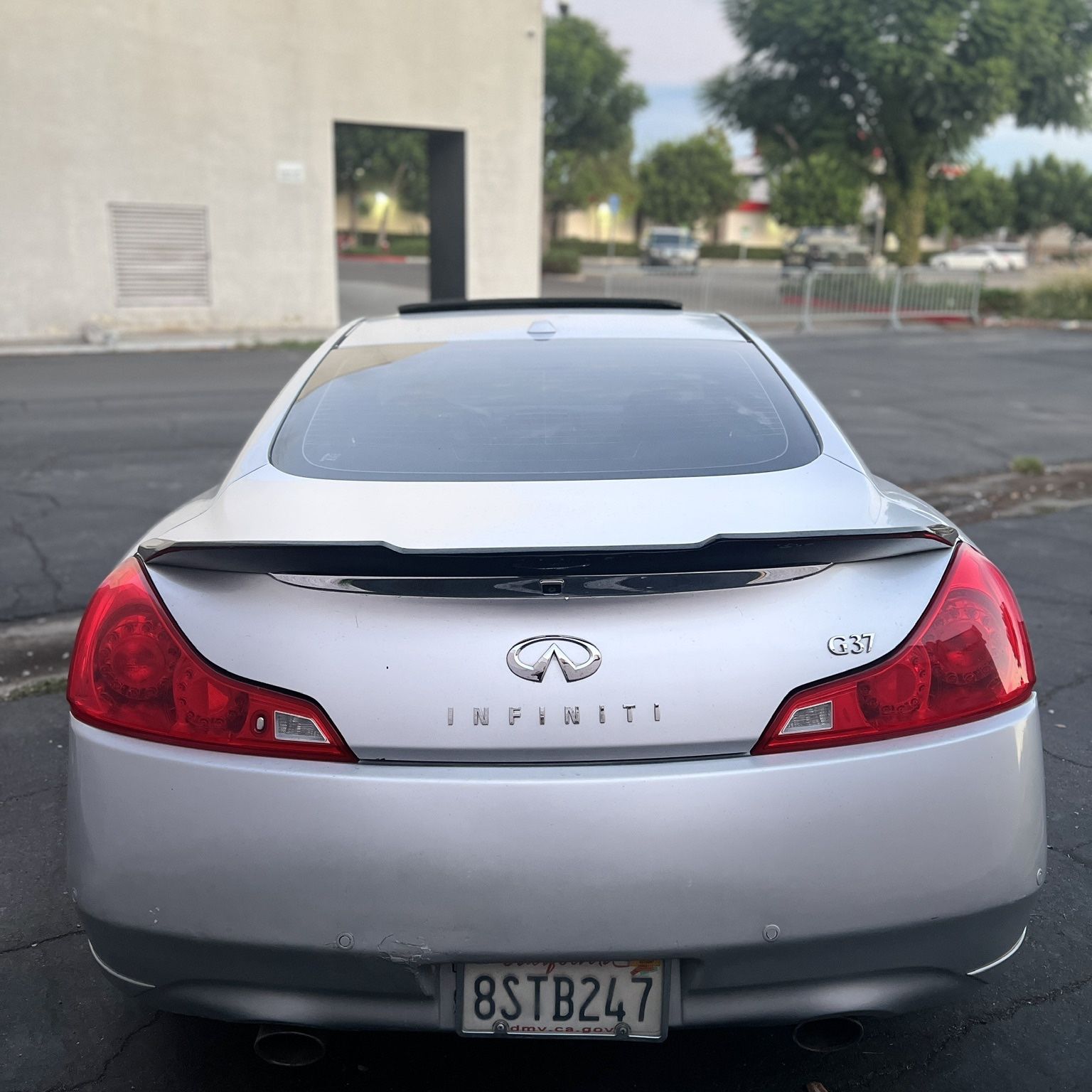
The 2010 Infiniti G37 sedan features a naturally aspirated 3.7-liter VQ37VHR V6 engine that produces 328 horsepower at 7,000 RPM and 269 lb-ft of torque at 5,200 RPM, delivering its power to either the rear wheels or an intelligent all-wheel-drive system through a 7-speed automatic or a 6-speed manual transmission.
Selecting a performance-oriented luxury sport sedan requires a close examination of what happens under the hood. For automotive enthusiasts, buyers on the used car market, and mechanics alike, the output figures tell only part of the story. The 2010 Infiniti G37 sedan represents a high-water mark for naturally aspirated V6 engineering from Nissan's luxury division. Understanding the exact horsepower rating, the mechanics of the powerplant, and how that power translates to the road requires a deep dive into the engineering philosophy of the VQ-series engine family.
Historical Context and Engine Architecture
The 2010 model year falls squarely in the middle of the G37's production run, which succeeded the popular G35. By 2010, Infiniti had refined the platform to offer a compelling alternative to German rivals like the BMW 3 Series and Audi A4. At the heart of this vehicle is the VQ37VHR engine, where "HR" stands for High Revolution and High Response.
Unlike its predecessor, the 3.5-liter VQ35DE and VQ35HR found in earlier Infiniti and Nissan models, the 3.7-liter iteration introduced advanced valvetrain technology that fundamentally changed how the engine breathes. The engine block utilizes an aluminum-block and aluminum-cylinder-head construction, featuring micro-finished crankshaft journals, lightweight pistons, and symmetrical intake and exhaust plumbing. This symmetric layout minimizes intake flow resistance and helps the engine rev smoothly all the way up to its 7,500 RPM redline.
Detailed Breakdown of 2010 Infiniti G37 Sedan Horsepower and Torque
The headline figure for the 2010 Infiniti G37 sedan is 328 horsepower. This output was remarkably competitive for a naturally aspirated V6 engine of that era, often matching or exceeding the output of contemporary V8 engines found in entry-level luxury competitors.
To fully understand this power delivery, it is necessary to examine how the engine creates and distributes energy across the rev range:
- Peak Horsepower: 328 hp delivered at 7,000 RPM. This high-rpm peak encourages enthusiastic driving, as the engine truly comes alive in the upper half of the tachometer.
- Peak Torque: 269 lb-ft (365 Nm) achieved at 5,200 RPM. While peak torque requires a moderate amount of engine speed, the VQ37VHR benefits from Variable Valve Event and Lift (VVEL).
- Redline: 7,500 RPM, allowing for broad gear holds during spirited driving or track use.
- Specific Output: Approximately 88.6 horsepower per liter, an impressive metric for a production naturally aspirated engine from 2010 without direct injection.
The Role of VVEL (Variable Valve Event and Lift)
A major contributor to the engine's power delivery and efficiency is Nissan's VVEL system. Introduced to replace traditional throttle bodies for primary load control in some applications, VVEL combines hydraulic-controlled variable valve timing (CVTCS) with continuously variable valve lift on the intake side.
By adjusting the lift and duration of the intake valves rather than relying solely on a butterfly throttle valve, the engine reduces pumping losses, improves throttle response, and optimizes air intake across various RPM ranges. This technology allows the G37 sedan to produce 328 horsepower at high revs while maintaining reasonable drivability and emissions compliance during low-speed city commuting.
Trim Levels, Drivetrains, and Transmission Options
While every 2010 Infiniti G37 sedan utilizes the exact same 3.7-liter VQ37VHR powerplant rated at 328 horsepower, the driving experience changes depending on the chosen trim level and drivetrain configuration. Buyers could select from rear-wheel drive (RWD) and Intelligent All-Wheel Drive (AWD), as well as multiple transmission types.
| Trim Level / Drivetrain | Transmission Type | Curb Weight (Approx.) | Power-to-Weight Ratio |
|---|---|---|---|
| G37 Sedan Journey (RWD) | 7-Speed Automatic w/ Manual Shift Mode | 3,653 lbs | 11.14 lbs/hp |
| G37x Sedan (AWD) | 7-Speed Automatic w/ Snow Mode | 3,820 lbs | 11.65 lbs/hp |
| G37 Sedan Sport (6MT) | 6-Speed Close-Ratio Manual | 3,698 lbs | 11.27 lbs/hp |
Transmission Characteristics
The transmission paired with the 328-hp engine significantly impacts acceleration feel and fuel economy:
- 7-Speed Automatic Transmission: Equipped with Downshift Rev Matching (DRM) and magnesium paddle shifters on Sport models, this transmission offers a wide gear spread. The tall seventh gear aids highway fuel efficiency, while lower gears are closely spaced to keep the engine in its power band.
- 6-Speed Manual Transmission: Exclusive to the G37 Sport 6MT sedan for 2010, this traditional stick-shift setup appeals to purists. It features a heavy clutch pedal feel and direct mechanical linkage, allowing the driver to precisely manage the 328 horsepower.
Performance Metrics and Real-World Acceleration
Factory specifications and independent automotive testing place the 2010 Infiniti G37 sedan among the quicker luxury sedans of its era.
- 0-60 MPH Acceleration: Achieved in approximately 5.2 to 5.5 seconds for RWD automatic and manual variants, with the slightly heavier AWD G37x accomplishing the sprint in about 5.6 seconds due to its added traction and weight.
- Quarter Mile: Typically completed in the mid-13-second range at roughly 102–104 MPH.
- Top Speed: Electronically governed at approximately 155 MPH.
The power delivery curve is linear, lacking the sudden low-end surge of modern turbocharged engines, but rewarding drivers who keep the engine spinning above 4,000 RPM.
Fuel Economy and Operating Requirements
Generating 328 horsepower from a naturally aspirated 3.7-liter displacement requires high compression (11.0:1 ratio). Consequently, the 2010 Infiniti G37 sedan has specific fuel and maintenance requirements to sustain optimal performance:
- Fuel Grade: Premium unleaded gasoline (91 octane or higher) is strictly required. Using lower octane fuel can trigger knock sensors, reduce timing advance, and decrease total power output.
- EPA Fuel Economy Ratings:
- RWD Automatic: ~17 MPG city / 25 MPG highway
- AWD (G37x): ~16 MPG city / 24 MPG highway
- RWD Manual (6MT): ~17 MPG city / 25 MPG highway
Common Mechanical Considerations Affecting Power
For owners or prospective buyers examining a 2010 Infiniti G37 sedan, certain mechanical items can influence engine longevity and sustained horsepower output:
- Gallery Gaskets: Early VQ37VHR engines (including 2008–2011 models) are known for potential degradation of the internal oil gallery gaskets, leading to low oil pressure. A drop in oil pressure compromises the VVEL system and variable valve timing, resulting in reduced power and a possible "limp mode." Inspecting oil pressure is a critical pre-purchase step.
- Throttle Body Carbon Buildup: Because the VQ37VHR uses port injection rather than direct injection, carbon buildup on the intake valves is significantly reduced compared to direct-injected engines. However, carbon accumulation on the electronic throttle bodies can cause rough idling and sluggish throttle response over time. Cleaning the throttle bodies restores crisp power delivery.
- Exhaust Restrictions: The factory exhaust system is notoriously restrictive to meet strict noise and emissions regulations. Many owners install cat-back exhaust systems or high-flow catalytic converters to unlock modest horsepower gains and enhance the signature VQ exhaust note.
Frequently Asked Questions
Does the 2010 Infiniti G37 sedan have 330 horsepower?
No. While many people round up or confuse it with older Infiniti models, the official factory rating for the 2010 Infiniti G37 sedan is 328 horsepower at 7,000 RPM.
Is the G37 engine supercharged or turbocharged from the factory?
No. The VQ37VHR engine is strictly naturally aspirated. It relies entirely on displacement (3.7 liters) and advanced variable valve timing and lift technology to produce its 328 horsepower without forced induction.
What is the difference in horsepower between the G37 sedan and the G37 coupe?
The engine output is identical. Both the 2010 G37 sedan and the G37 coupe utilize the same 3.7-liter VQ37VHR engine rated at 328 horsepower and 269 lb-ft of torque.
Can I run regular 87 octane gas in a 2010 Infiniti G37?
No. Infiniti mandates premium unleaded fuel (91 octane or higher) for the G37. Running lower octane fuel will cause the engine control unit (ECU) to retard ignition timing to prevent engine knock, resulting in noticeable power loss and reduced fuel efficiency.
How does the AWD G37x affect performance compared to RWD?
The AWD system adds roughly 170 pounds of weight to the vehicle. While this slightly increases 0-60 times from a dead stop in dry conditions due to weight, the ATTESA E-TS all-wheel-drive system provides superior traction in rain, snow, and low-grip environments by dynamically routing torque to the front wheels when slip is detected.
Practical Recommendations for Buyers and Owners
If you are looking to purchase or maintain a 2010 Infiniti G37 sedan, prioritize vehicles with comprehensive service history records documenting regular oil changes using high-quality synthetic 5W-30 oil. Check for any history of oil pressure warnings or gallery gasket repairs. For maximum longevity and to preserve the factory 328-hp output, replace spark plugs at recommended intervals, keep air filters clean, and use only premium fuel.