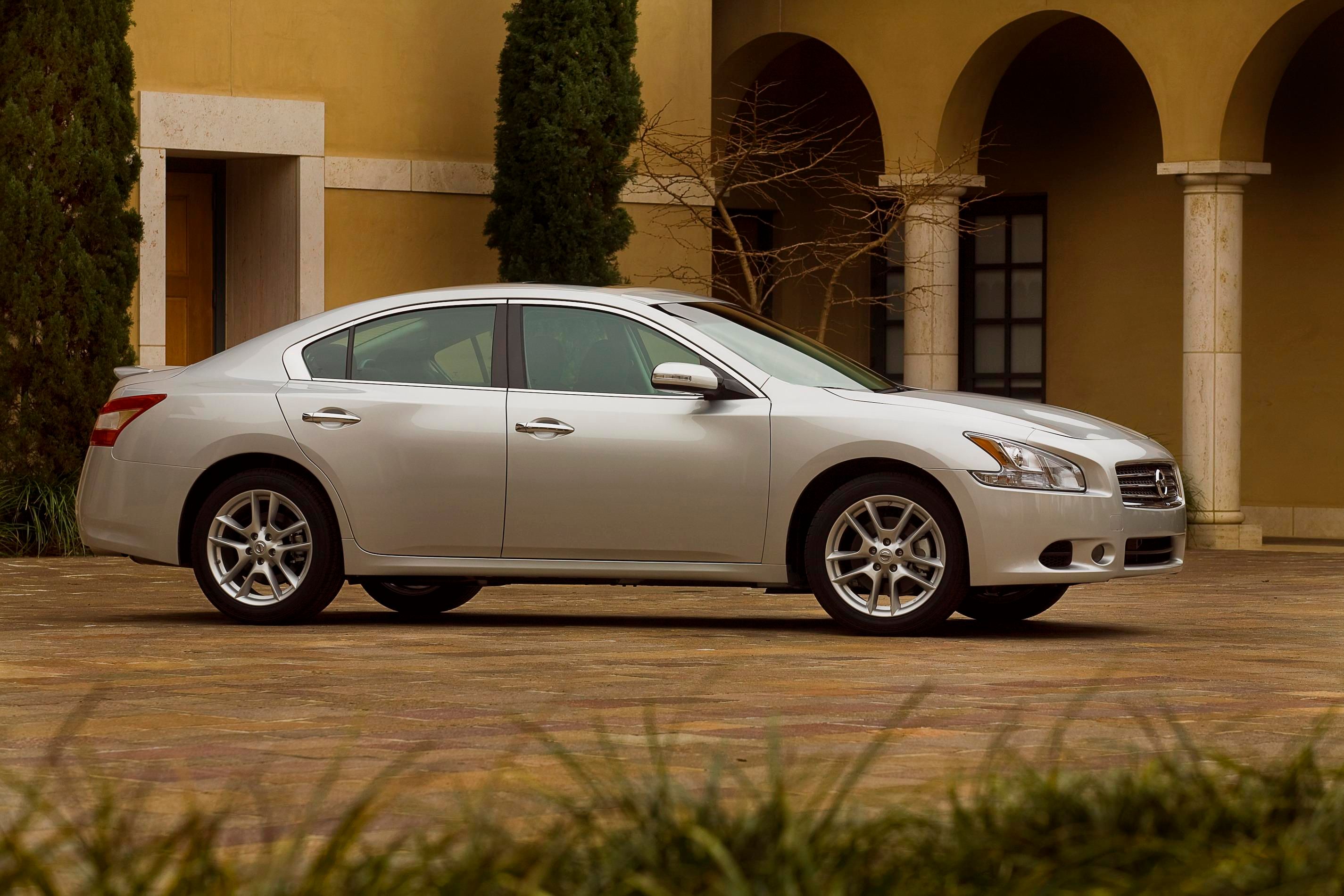
The 2009 Nissan Maxima achieves an EPA-estimated fuel economy of 19 mpg in city driving, 26 mpg on the highway, and 21 mpg combined. This seventh-generation sports sedan balances a potent 3.5-liter V6 engine with reasonable efficiency for its vehicle class, though real-world mileage varies depending on driving habits, vehicle maintenance, and powertrain condition.
Evaluating the fuel economy and efficiency of a vehicle manufactured over a decade and a half ago requires looking past initial sticker ratings. As vehicles age, components degrade, and driving environments change, understanding the baseline specifications, real-world owner experiences, and mechanical factors influencing efficiency becomes essential for prospective buyers and current owners alike. This comprehensive overview examines the mileage metrics of the 2009 Nissan Maxima, shedding light on what to expect at the pump and how to maintain optimal performance.
Evolution and Context of the 2009 Nissan Maxima Powertrain
The 2009 model year marked a complete redesign for the Nissan Maxima, shifting its identity more aggressively toward a "4-Door Sports Car" (4DSC). Built on Nissan's D platform, the vehicle received an updated version of the venerable VQ35DE 3.5-liter V6 engine. This powerplant produced 290 horsepower and 261 lb-ft of torque, a substantial output for a midsize front-wheel-drive sedan of that era.
To manage this power while optimizing efficiency, Nissan paired the V6 exclusively with a second-generation Xtronic Continuously Variable Transmission (CVT) featuring a manual shift mode with paddle shifters on certain trims like the Sport. Unlike traditional stepped automatic transmissions, a CVT uses a system of pulleys and a steel belt to provide a virtually infinite number of gear ratios. This design allows the engine to operate in its optimal power band more frequently, which theoretically maximizes fuel economy during steady cruising. However, the aggressive tuning of the 2009 Maxima's CVT prioritizes responsive acceleration, which directly impacts fuel consumption during spirited driving.
Official EPA Ratings Versus Real-World Fuel Economy
When new, the Environmental Protection Agency (EPA) evaluated the 2009 Nissan Maxima under revised testing procedures implemented for the 2008 model year to better reflect real-world conditions. The official figures established for the base and upper trim levels (such as the 3.5 S and 3.5 SV) are consistent across the lineup due to identical powertrain configurations:
- City Fuel Economy: 19 MPG
- Highway Fuel Economy: 26 MPG
- Combined Fuel Economy: 21 MPG
Despite these laboratory-derived figures, real-world tracking by platforms like Fuelly and owner forums often reveals a slight variance. Real-world averages for a well-maintained 2009 Maxima typically hover between 18 and 20 mpg in heavy urban traffic, while highway trips consistently yield between 24 and 28 mpg, provided the vehicle is traveling at moderate highway speeds. Heavy footed acceleration, frequent idling, and short trips severely degrade these numbers, often dropping city averages into the mid-teens.
Factors Influencing Fuel Economy in an Aging Maxima
As these vehicles accumulate high mileage, several mechanical and environmental factors begin to influence fuel efficiency. Recognizing these variables helps owners troubleshoot declining mileage and restore lost efficiency.
Engine Health and Ignition Components
A drop in fuel economy is often the first symptom of declining engine performance. In the 2009 Maxima, worn spark plugs, a fouled mass air flow (MAF) sensor, or dirty fuel injectors can disrupt the air-fuel ratio. The VQ35DE engine requires periodic spark plug replacement—typically every 100,000 miles under normal conditions. Neglecting this maintenance leads to incomplete combustion, forcing the engine control unit (ECU) to inject more fuel to maintain power output.
Transmission Performance and Fluid Condition
The Xtronic CVT relies heavily on clean, specialized Nissan NS-2 CVT fluid (or approved equivalents) to maintain hydraulic pressure and prevent belt slippage. Degraded fluid or a failing valve body can cause the transmission to hesitate, flare, or fail to adjust ratios efficiently, resulting in higher engine revolutions per minute (RPM) for a given vehicle speed and a subsequent drop in fuel economy.
Aerodynamics and Rolling Resistance
Tire condition, wheel alignment, and vehicle weight play a significant role in highway efficiency. Underinflated tires increase rolling resistance, forcing the engine to work harder. Additionally, aftermarket modifications, such as heavier wheels or roof racks, disrupt the aerodynamic profile that Nissan optimized in wind tunnels for the 2009 redesign.
Fuel Economy Comparison by Driving Condition
| Driving Condition | EPA Estimated MPG | Real-World Expected MPG | Primary Efficiency Factors |
|---|---|---|---|
| City / Urban | 19 MPG | 17 – 20 MPG | Stop-and-go traffic, idle time, heavy curb weight, aggressive throttle response. |
| Highway / Cruising | 26 MPG | 24 – 28 MPG | Sustained high gear ratios, steady aerodynamic drag, vehicle speed over 70 mph. |
| Combined Average | 21 MPG | 19 – 22 MPG | Mix of commuting habits, seasonal temperature shifts, fuel grade usage. |
Fuel Requirements and Operational Costs
The 2009 Nissan Maxima requires premium unleaded gasoline (91 octane or higher) for optimal performance and fuel economy. While the engine can technically run on regular 87 octane fuel due to the knock sensor retarding ignition timing to prevent engine pinging, doing so typically results in a measurable reduction in power output and a drop in overall fuel efficiency.
When calculating the true cost of ownership and mileage efficiency, owners must weigh the price difference between regular and premium fuel against the minor efficiency gains provided by higher octane ratings. Furthermore, the 20-gallon fuel tank allows for a theoretical highway cruising range of roughly 500 miles, though practical fuel stops generally occur around the 400-to-450-mile mark to maintain a safe reserve.
Strategies for Maximizing Mileage in a 2009 Maxima
Drivers looking to squeeze every possible mile out of their 2009 Nissan Maxima can implement several proactive maintenance steps and driving adjustments:
- Strict Maintenance Schedules: Replace air filters every 15,000 to 30,000 miles and inspect the throttle body for carbon buildup, which is common in direct-injection and port-injection V6 engines over time.
- Monitor Tire Pressure: Check cold tire pressures monthly to ensure they match the manufacturer placard inside the driver's door jamb (typically 33 psi for stock sizes).
- Smooth Throttle Application: The CVT responds best to progressive acceleration rather than abrupt throttle inputs, which trigger rich fuel mixtures.
- CVT Servicing: Although Nissan originally marketed CVT fluid as "lifetime," mechanics and transmission specialists strongly recommend changing the fluid every 30,000 to 50,000 miles to preserve internal components and maintain optimal hydraulic efficiency.
Frequently Asked Questions
Can the 2009 Nissan Maxima run on regular 87 octane gas?
Yes, the vehicle's engine management system features knock sensors that will automatically adjust ignition timing to prevent damage when lower octane fuel is used. However, this causes a reduction in engine horsepower and a slight decrease in overall fuel efficiency, meaning the money saved at the pump is often offset by burning more fuel.
Why is my 2009 Maxima getting significantly lower mileage than the EPA estimate?
Drastic drops in fuel economy are usually caused by neglected maintenance items such as dirty oxygen sensors, a clogged air filter, worn spark plugs, dragging brake calipers, or a slipping CVT. Scanning the vehicle for pending diagnostic trouble codes (DTCs) is recommended even if the check engine light is not illuminated.
Does the 2009 Maxima have an Eco mode to save gas?
No, the 2009 model predates the widespread inclusion of dedicated "Eco" drive modes in Nissan passenger cars. Efficiency relies entirely on driver behavior, vehicle maintenance, and the inherent programming of the Xtronic CVT.
How often should the CVT fluid be changed in this model?
To ensure the longevity of the transmission and maintain proper hydraulic efficiency, fluid changes are recommended every 30,000 to 50,000 miles using genuine Nissan NS-2 fluid or an exact certified equivalent.
What is the driving range of a full tank of gas?
With a 20-gallon fuel tank and a real-world combined average of roughly 21 mpg, a full tank yields a practical driving range of approximately 400 to 440 miles under mixed driving conditions, extending closer to 500 miles on pure highway trips.
Conclusion and Next Actions
The 2009 Nissan Maxima offers a blend of V6 performance and acceptable fuel economy for a sports sedan of its era, achieving an EPA-rated 19 city and 26 highway MPG. While age and maintenance history heavily influence real-world mileage, adhering to strict maintenance intervals for ignition components, tires, and CVT fluid ensures the vehicle operates near its design efficiency. Owners experiencing abnormal fuel consumption should begin diagnostics by inspecting air filters, checking tire pressures, and scanning for underlying sensor faults.