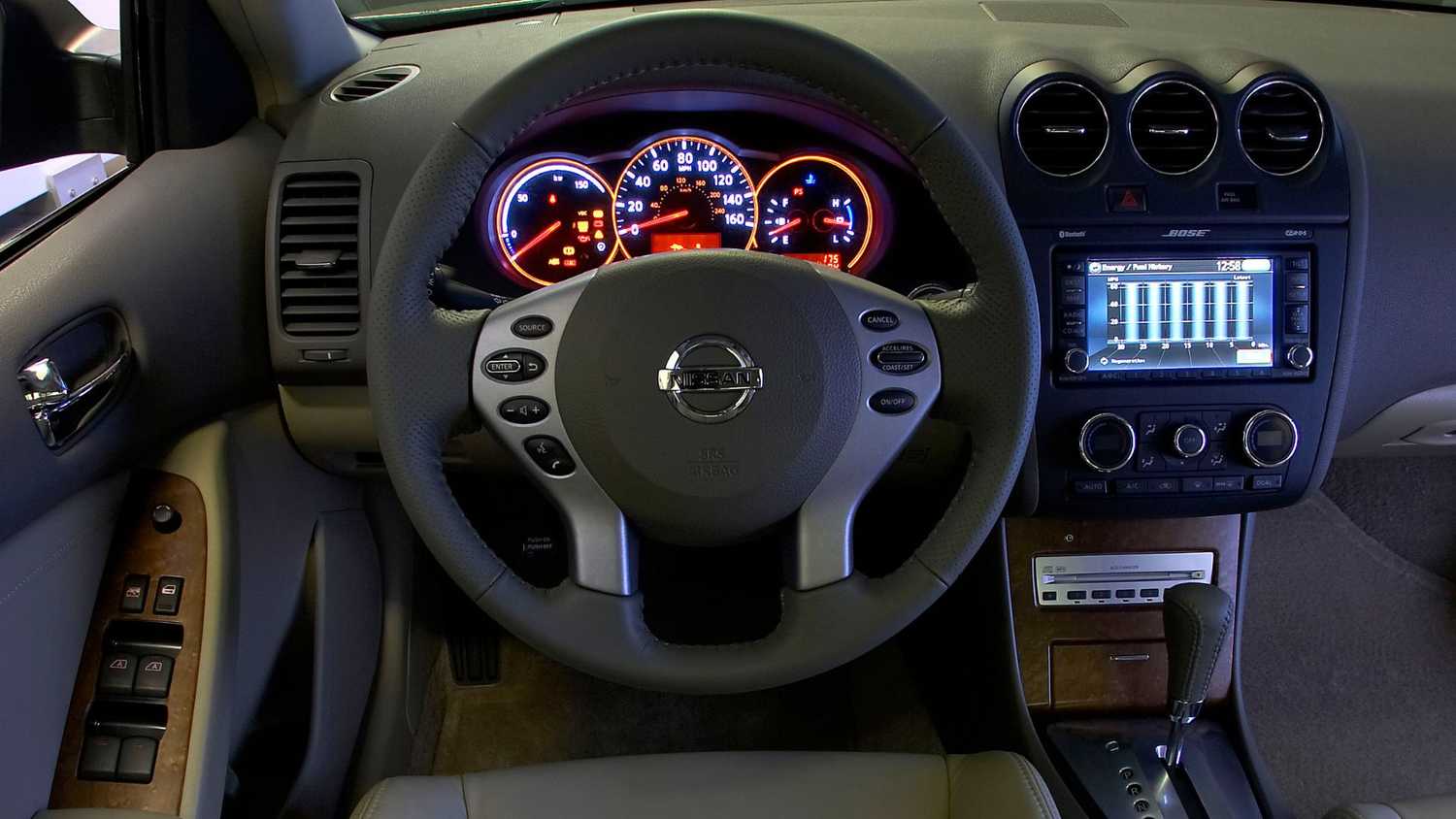
The 2008 Nissan Altima is generally considered a reliable daily driver with comfortable ride quality and strong fuel economy, though it is plagued by notable powertrain issues—specifically with its continuously variable transmission and steering column lock—that require careful pre-purchase inspection and diligent maintenance.
Evaluating the reliability of a mass-market midsize sedan built nearly two decades ago requires looking past initial showroom impressions and examining how its mechanical and electrical systems hold up over hundreds of thousands of miles. The 2008 Nissan Altima represents the second year of the fourth generation (L32 platform), a period when Nissan aggressively pushed its powertrain technology forward while simultaneously scaling up production volume. For buyers considering a used 2008 model, understanding the specific engineering strengths, chronic failure points, repair costs, and maintenance protocols is essential for avoiding costly ownership surprises.
Historical Context and Powertrain Architecture
The fourth-generation Nissan Altima launched for the 2007 model year, built on Nissan's D platform. It offered buyers a choice of two primary internal combustion engines: a 2.5-liter QR25DE inline-four and a 3.5-liter VQ35DE V6. Transmission options included a traditional six-speed manual for the base four-cylinder models and Nissan's Xtronic Continuously Variable Transmission (CVT) for nearly all other trims.
During this era, Nissan positioned the Altima as a sporty, tech-forward alternative to the Toyota Camry and Honda Accord. The inclusion of the Xtronic CVT was a major marketing pillar, promised to deliver seamless acceleration and enhanced fuel efficiency by keeping the engine in its optimal power band. However, the early iterations of this transmission technology have since become the focal point of discussions surrounding the vehicle's long-term durability.
While the engines themselves—particularly the 2.5L four-cylinder—are fundamentally robust, the supporting electrical architecture, interior build materials, and steering mechanisms introduced distinct failure patterns. Assessing the 2008 model requires separating routine wear-and-tear items from systemic engineering vulnerabilities.
Common Mechanical Failures and Known Issues
Every vehicle model has distinct weak points, and the 2008 Altima is no exception. While routine maintenance like oil changes and brake replacements are standard for any car of this vintage, several specific components demand close scrutiny.
Continuously Variable Transmission (CVT) Concerns
The Xtronic CVT in the 2008 Altima is the single most significant reliability concern for this model year. Early CVT designs suffered from overheating, premature belt wear, and valve body failures.
- Symptoms: Drivers often experience sudden shuddering, severe hesitation during acceleration, whining or buzzing noises at highway speeds, and entry into "limp mode" where engine RPMs are restricted.
- Root Cause: Inadequate fluid cooling and software calibration issues in early units led to excessive friction and internal component degradation. Nissan eventually extended warranties for many vehicles affected by CVT issues, but any 2008 model on the road today is well past those coverage windows.
Electronic Steering Column Lock (ESCL) Failure
Another notorious issue with the 2008 Altima involves the Intelligent Key system and the Electronic Steering Column Lock module.
- Symptoms: The push-button ignition fails to respond, the dashboard displays a steering lock error, and the vehicle refuses to crank or start.
- Root Cause: The internal actuator motor within the ESCL unit fails prematurely. When this happens, the car becomes completely immobilized, requiring an expensive tow and module replacement or a bypass kit installation.
Engine Mount Degradation
The hydraulic engine mounts on both the 2.5L and 3.5L models wear out faster than average.
- Symptoms: Excessive cabin vibration at idle, clunking noises when shifting between drive and reverse, and visible sagging of the engine block.
- Root Cause: The rubber and fluid-filled internal chambers of the mounts deteriorate due to heat cycles and age, allowing the engine to shift excessively and stress exhaust flex pipes.
Interior Build Quality and Exterior Paint
Beyond the powertrain, the 2008 Altima is known for cabin accessories wearing down prematurely. Dashboard materials near the passenger-side airbag are prone to melting or becoming sticky under high heat. Additionally, exterior clear coat failure and paint peeling—especially on dark colors like black and navy—are frequently reported aesthetic issues.
Engine Reliability Breakdown: 2.5L vs. 3.5L
Choosing between the four-cylinder and V6 models significantly alters the ownership experience and maintenance profile of the 2008 Altima.
| Feature / Metric | 2.5L QR25DE (Inline-4) | 3.5L VQ35DE (V6) |
|---|---|---|
| Horsepower | 175 hp | 270 hp |
| Fuel Economy (EPA Est.) | ~23 City / 31 Hwy MPG | ~19 City / 26 Hwy MPG |
| Maintenance Access | Moderate; straightforward layout | Tight; challenging spark plug access |
| Common Issues | Pre-cat oil consumption, mounts | Timing chain guides, oil leaks |
| Overall Longevity | High (if maintained properly) | High, but expensive to repair |
The 2.5L QR25DE Four-Cylinder
The four-cylinder engine is the more common powerplant. Mechanically, it is capable of crossing the 200,000-mile threshold if oil change intervals are strictly observed. However, early versions of this engine family occasionally suffered from pre-catalytic converter degradation. If the catalytic converter broke down internally, engine suction could pull ceramic particles back into the combustion chambers, scoring the cylinder walls and causing severe oil consumption. Inspecting the condition of the exhaust manifold and catalytic converter is a vital pre-purchase step.
The 3.5L VQ35DE V6
The V6 engine offers brisk acceleration and a smooth power delivery that makes the Altima feel genuinely sporty. The VQ engine architecture is widely regarded as one of Nissan's best creations, praised for its durability. However, routine maintenance is more labor-intensive due to the cramped engine bay. Replacing rear spark plugs or servicing the intake manifold gaskets requires significant labor time. Furthermore, higher mileage V6 models can experience timing chain guide wear, which manifests as a rattling noise upon cold startup.
Suspension, Steering, and Braking Performance
Ride quality on the 2008 Altima is tuned toward the firmer side of the midsize segment, providing composed handling on winding roads while absorbing most road imperfections comfortably.
- Suspension Wear: Front control arms, lower ball joints, and strut assemblies typically require replacement around 100,000 to 150,000 miles. Clunking over bumps or uneven tire wear are the primary indicators of failing suspension bushings.
- Steering System: Hydraulic power steering (on base models) and electric power steering components are generally durable, but intermediate steering shafts can develop play or clicking noises over time.
- Braking Componentry: Four-wheel disc brakes provide adequate stopping power, though rear brake calipers are prone to sticking if slide pins are not periodically cleaned and lubricated during routine tire rotations.
Cost of Ownership, Maintenance, and Repair Economics
When evaluating a used 2008 Nissan Altima, purchase price is only part of the equation. Long-term operating costs depend heavily on the vehicle's past maintenance history and the current health of its transmission.
- Routine Maintenance: Standard consumable parts—such as brake pads, rotors, air filters, and drive belts—are widely available at affordable aftermarket price points. DIY maintenance is relatively straightforward on the four-cylinder variant.
- Major Repairs: If a transmission fails, replacement costs often exceed the total market value of the car itself, rendering the vehicle economically unviable to fix unless a used or rebuilt unit is sourced independently.
- Insurance and Fuel: Insurance rates remain modest due to the vehicle's age and standard safety equipment. Fuel economy remains a strong selling point, routinely achieving over 30 mpg on highway trips for the four-cylinder model.
Buying Guide: What to Check Before Purchasing
For buyers inspecting a used 2008 Nissan Altima, a methodical evaluation helps filter out neglected vehicles from well-maintained examples.
- Test Drive Thoroughly: Pay strict attention to how the car accelerates from a dead stop. Listen for whining noises, check for jerking or delayed engagement when shifting between Park, Drive, and Reverse, and ensure the transmission transitions smoothly without slipping.
- Scan for Diagnostic Trouble Codes (DTCs): Plug an OBD-II scanner into the vehicle port to check for pending or erased transmission codes (such as P0744 or P0868), which indicate past or present CVT distress.
- Verify the Ignition and Steering Lock: Insert the intelligent key fob and test the push-button start multiple times. Ensure the steering column unlocks and engages reliably without hesitation.
- Inspect Fluid Condition: Pull the CVT fluid dipstick (if accessible) or inspect service records. Healthy CVT fluid should be light green or clear, free of dark discoloration or a burnt odor.
- Check for Rust and Leaks: Inspect the subframe, rocker panels, and exhaust hangers for excessive rust, particularly if the vehicle was operated in northern winter climates where road salt is used.
Frequently Asked Questions
How long does a 2008 Nissan Altima transmission last?
The lifespan of the 2008 Altima CVT varies widely based on maintenance and driving habits. Some units fail before 100,000 miles due to overheating and valve body wear, while others successfully surpass 180,000 miles if the fluid was regularly changed every 30,000 to 40,000 miles.
Is the 2008 Nissan Altima good on gas?
Yes, the four-cylinder 2.5-liter model offers exceptional fuel economy for its era, achieving roughly 23 miles per gallon in city driving and up to 31 miles per gallon on the highway. The V6 model consumes more fuel, averaging around 19 mpg city and 26 mpg highway.
What are the most common warning signs of a failing 2008 Altima CVT?
Common warning signs include a persistent high-pitched whining or buzzing noise under acceleration, severe shuddering when pulling away from a stoplight, delayed engagement into gear, and activation of the transmission warning light or limp mode.
Are parts expensive or hard to find for a 2008 Altima?
No. Because Nissan produced hundreds of thousands of Altimas during this generation, OEM and aftermarket replacement parts are widely abundant, inexpensive, and stocked by almost any local auto parts retailer or online distributor.
Is a 2008 Nissan Altima a good first car for a student?
It can be an economical choice due to its low initial purchase price, high fuel efficiency, and comfortable interior space. However, buyers must verify that the transmission and steering lock mechanism have been thoroughly inspected or repaired to avoid catastrophic reliability failures.
Final Recommendation and Next Actions
The 2008 Nissan Altima offers a compelling blend of fuel efficiency, comfort, and affordable pricing on the used car market, but its appeal is tempered by well-documented mechanical vulnerabilities. Buyers should prioritize models with comprehensive service records demonstrating regular CVT fluid changes and documented repairs for known issues like the electronic steering lock.
If you are currently evaluating a specific 2008 Altima, arrange for an independent pre-purchase inspection by an ASE-certified mechanic who can specifically evaluate transmission pressures, suspension health, and exhaust integrity before finalizing the transaction.