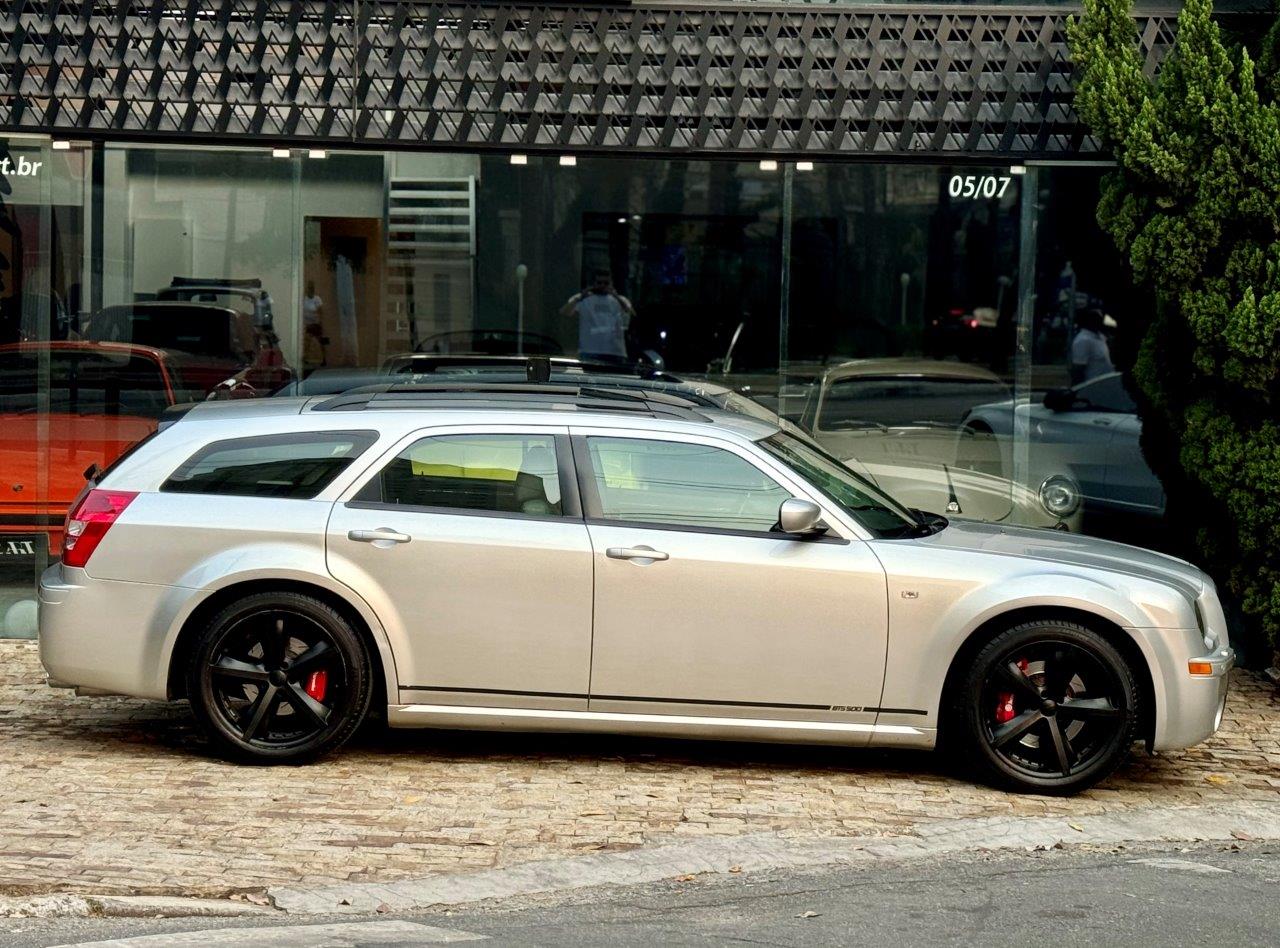
The 2007 Chrysler 300 HEMI C, commonly referred to as the 300C HEMI, represents a pivotal era in American automotive design, blending classic rear-wheel-drive architecture with modern performance engineering. As a luxury sedan powered by the 5.7-liter HEMI V8 engine, it offers a distinct combination of executive styling and muscle-car dynamics, making it a point of significant interest for collectors and automotive enthusiasts in 2026.
The Evolution of the LX Platform
The 2007 Chrysler 300C was built on the Chrysler LX platform, a chassis architecture developed during the DaimlerChrysler partnership. This platform was revolutionary for the brand at the time, as it utilized components derived from the Mercedes-Benz E-Class (W210) and S-Class (W220), most notably in the suspension geometry and the rear-wheel-drive configuration.
By 2007, the 300C had established itself as the flagship of the Chrysler lineup. The "C" designation was not merely a trim level; it signified the top-tier offering that moved the 300 series from a standard sedan into the performance-luxury category. Unlike the base 2.7-liter or 3.5-liter V6 variants, the 300C HEMI was engineered to handle the substantial torque generated by the 5.7-liter overhead-valve V8 engine. The chassis tuning provided a firm, planted feel that was widely praised for its balance between highway stability and cornering competence.
Powertrain and Performance Dynamics
At the heart of the 2007 Chrysler 300C lies the 5.7-liter HEMI V8, a powerplant that defined Chrysler’s performance identity in the mid-2000s. The engine features a hemispherical combustion chamber design, which allows for larger valves and more efficient spark plug placement, leading to improved combustion efficiency.
For the 2007 model year, the engine produced 340 horsepower and 390 lb-ft of torque. A critical technical feature of this engine is the Multi-Displacement System (MDS). The MDS allows the engine to deactivate four of its eight cylinders during steady-state cruising or light-load conditions, effectively turning the V8 into a 2.85-liter V4. This technology was designed to balance the raw power of a V8 with the fuel efficiency requirements of a large, heavy sedan.
The powertrain is paired with the NAG1 (New Automatic Gearbox 1) five-speed automatic transmission, which was developed by Mercedes-Benz. This unit features an electronic range selection (AutoStick) that allows the driver to manually shift gears, providing more control over the power delivery during spirited driving. The combination of the HEMI’s low-end torque and the Mercedes-derived transmission makes the 300C a capable cruiser, capable of reaching 60 mph in approximately 6.0 seconds.
Interior Features and Executive Styling
The interior of the 2007 Chrysler 300C was designed to differentiate the vehicle from its more mundane siblings. The "C" trim included premium amenities such as leather-trimmed bucket seats, power-adjustable pedals, a telescoping steering wheel, and a Boston Acoustics premium sound system.
The aesthetic is characterized by a "bold" design language, featuring an egg-crate grille, a long hood, and a high beltline. This styling choice was intentionally provocative, aiming to evoke the grandeur of American luxury sedans from the 1950s and 60s while utilizing contemporary cabin ergonomics. In 2026, many owners prioritize the 300C for its comfortable cabin, which remains spacious by modern standards, offering generous rear-seat legroom and a substantial trunk capacity.
Technical Specifications Summary
For prospective buyers or enthusiasts comparing the 2007 300C against other performance sedans of the era, the following technical data serves as a reference point for the 5.7L HEMI V8 configuration.
| Feature | Specification |
|---|---|
| Engine Type | 5.7L HEMI V8 |
| Horsepower | 340 hp @ 5,000 rpm |
| Torque | 390 lb-ft @ 4,000 rpm |
| Transmission | 5-Speed Automatic (NAG1) |
| Drive Train | Rear-Wheel Drive (Optional AWD) |
| Fuel Economy (Est.) | 15 City / 23 Highway MPG |
| 0–60 MPH Time | ~6.0 Seconds |
Maintenance and Ownership Considerations
As the vehicle reaches nearly two decades of age, potential owners in 2026 should be aware of specific maintenance requirements. The 5.7-liter HEMI engine is generally robust, but it relies on a complex oiling system to maintain the integrity of the MDS solenoids. Regular oil changes with the manufacturer-specified viscosity are critical; using the incorrect oil can impede the operation of the MDS lifters, potentially leading to engine ticking or performance degradation.
Another area of focus is the suspension. The LX platform uses multi-link front and rear suspension components that are known to wear over time. Specifically, front tension struts and outer tie-rod ends often require replacement after 100,000 miles. When inspecting a 2007 300C, one should look for any evidence of clunking noises over bumps or uneven tire wear, both of which are indicators that the bushings or ball joints have reached the end of their service life.
Electrical systems on the 2007 models are generally reliable, but owners should check for any parasitic battery drain. The CAN-bus architecture in the 300C is complex, and aftermarket modifications to the electrical system can often lead to intermittent communication errors between the various control modules.
The All-Wheel Drive (AWD) Variant
It is important to distinguish between the rear-wheel-drive (RWD) and all-wheel-drive (AWD) models of the 300C. The AWD version was introduced to cater to markets with significant snowfall. It utilizes a full-time, torque-splitting transfer case that provides a 38/62 front-to-rear torque split. While the AWD model offers superior traction in inclement weather, it is slightly heavier than the RWD version and features a different front suspension geometry to accommodate the front half-shafts. For those living in areas with harsh winters, the AWD model is highly desirable, though it is slightly more complex to maintain due to the additional driveline components.
Market Position and Value in 2026
In 2026, the 2007 Chrysler 300C occupies a "modern classic" niche. It is often sought after for its ability to provide a quintessential American V8 experience in a refined package. Prices for these vehicles vary significantly based on mileage, maintenance records, and whether the vehicle has been subjected to aftermarket modifications. Vehicles that have remained stock, with documented maintenance and verified service of the MDS system, typically command a premium over examples that have been heavily modified or neglected.
When assessing the value, prioritize documentation of the transmission fluid service and the state of the cooling system. The 300C is a heavy vehicle, and the strain on cooling components, particularly the radiator and water pump, should be verified during any pre-purchase inspection.
Frequently Asked Questions
What is the difference between the 300C and the 300 SRT8? The 300C comes with the 5.7-liter HEMI V8, while the SRT8 features a larger 6.1-liter HEMI V8. The SRT8 is tuned for higher performance, featuring a firmer suspension, Brembo brakes, and a more aggressive body kit.
Does the 2007 Chrysler 300C require premium fuel? Chrysler recommended 89-octane (mid-grade) fuel for the 5.7L HEMI at the time of production. While the engine can run on 87-octane, the performance may be slightly reduced, and the engine management system will adjust ignition timing to prevent knocking.
Are the parts for a 2007 300C still readily available? Yes, because the LX platform was used for many years across various Chrysler, Dodge, and Jeep vehicles, the majority of mechanical parts, suspension components, and body hardware remain widely available from both original equipment manufacturers and aftermarket suppliers.
What is the most common issue to watch for in a used 2007 300C? The most common mechanical issue is the potential failure of the MDS lifters if oil maintenance has been poor. Additionally, suspension bushings and front-end components are common wear items that should be inspected annually.
Is the 300C considered a reliable vehicle? It is considered reliable provided it has received routine maintenance. Its heavy build quality is a pro for longevity, but the complexity of the electronic systems and the high-performance powertrain mean it is not a "low-maintenance" economy car.
Final Recommendation
The 2007 Chrysler 300C HEMI remains a compelling choice for enthusiasts seeking a blend of luxury and performance. If you are looking to purchase one in 2026, focus your search on well-documented, stock examples. Prioritize a thorough inspection of the suspension and the engine’s valve train health. With proper care, the 300C serves as both a comfortable executive daily driver and an engaging tribute to the high-displacement V8 era of American automotive history.