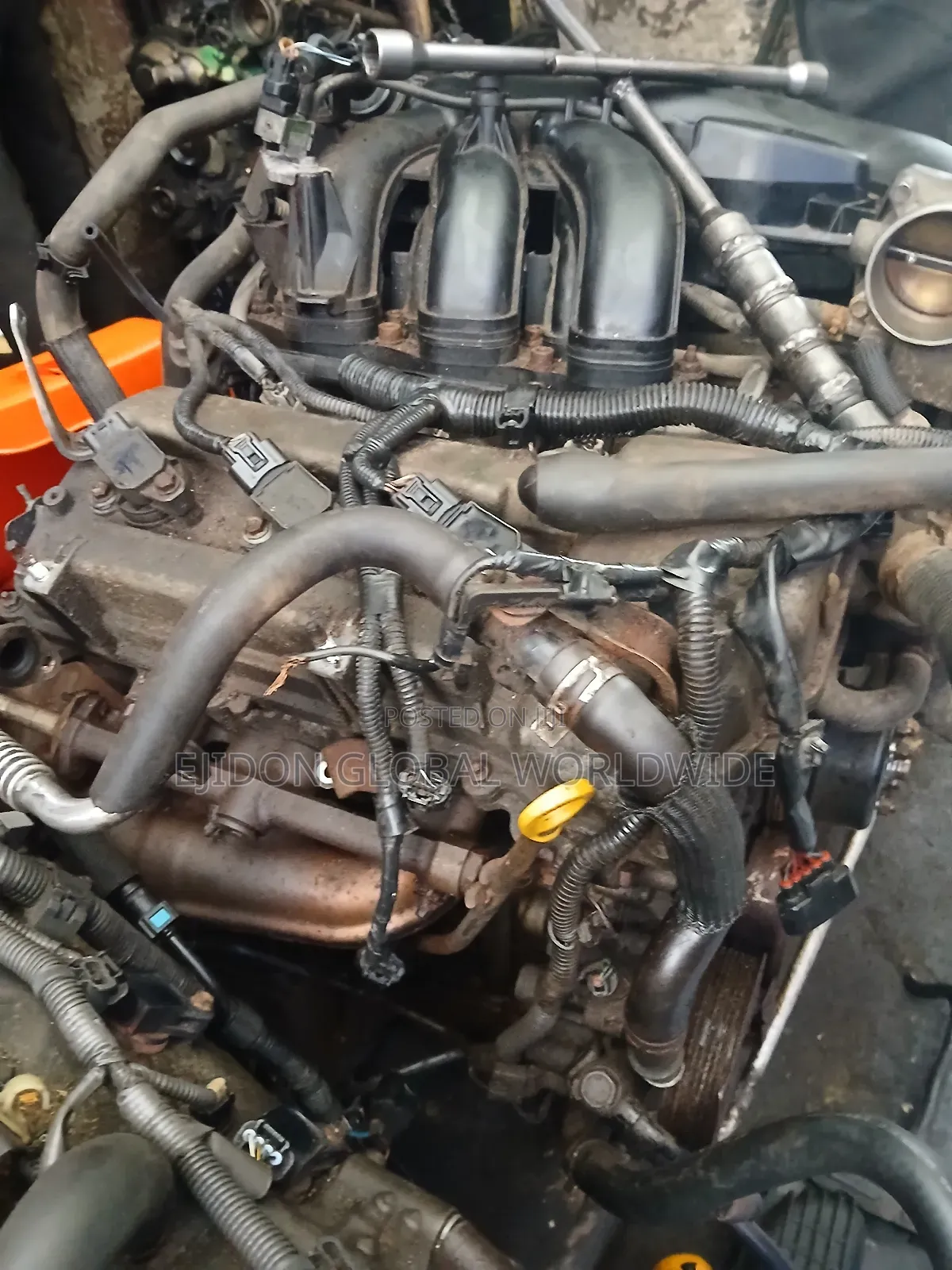
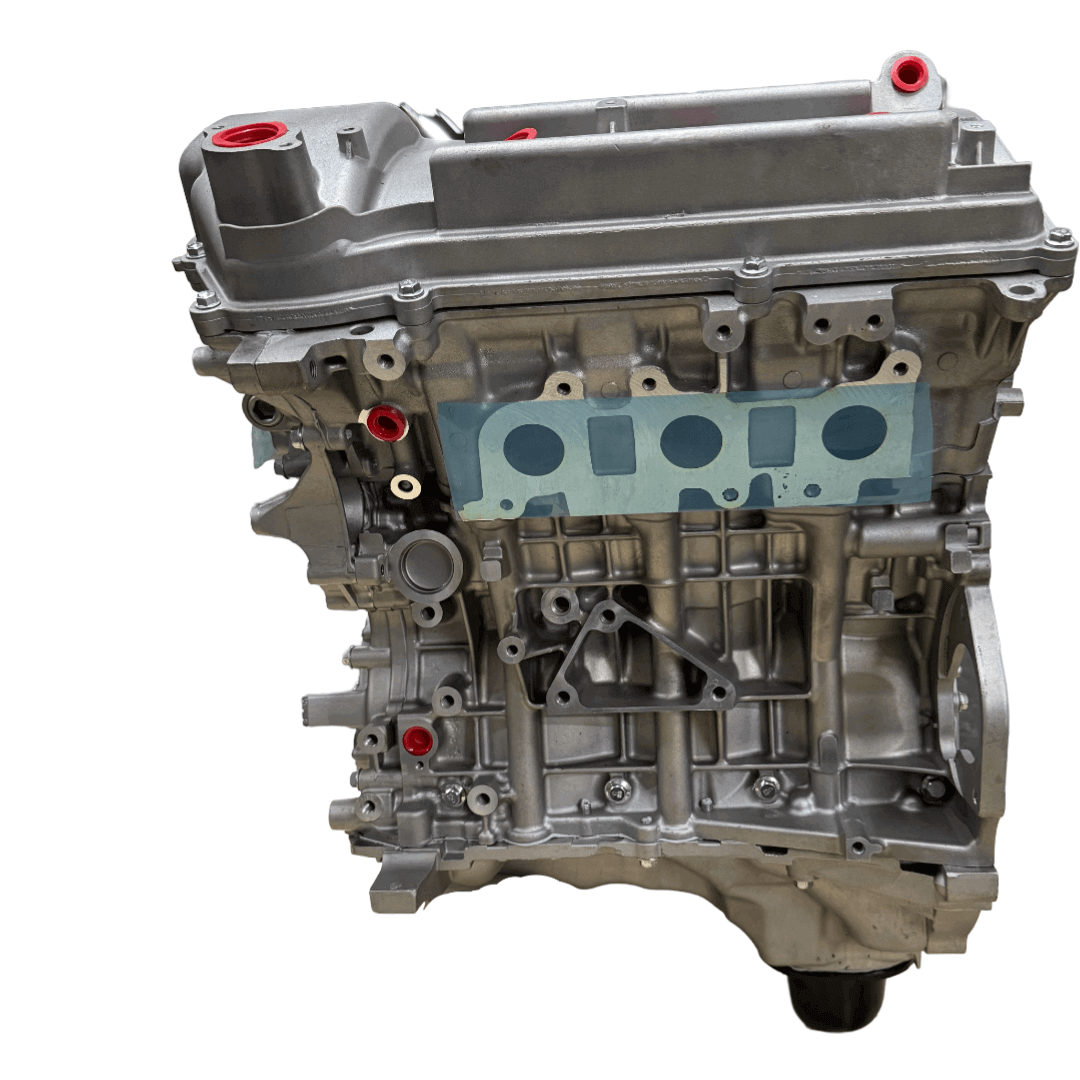
The 2004 Toyota 4Runner features a 4.0-liter V6 engine (designated 1GR-FE) that delivers 245 horsepower and 282 lb-ft of torque, combining dual independent variable valve timing with intelligence (VVT-i) and an aluminum block to provide a reliable, powerful, and durable powerplant for mid-size SUV applications.
Introduction to the 4th Generation 4Runner Powertrain
When Toyota introduced the fourth-generation 4Runner for the 2003 model year and carried it forward into 2004, the mid-size SUV market was transitioning from purely utilitarian truck-based platforms to more refined, daily-drivable vehicles that still maintained serious off-road credentials. A central pillar of this generation's success was the introduction of the 1GR-FE engine, a 4.0-liter V6 designed to replace the older 3.4-liter 5VZ-FE V6 while bridging the performance gap between older V6 options and traditional V8 powerplants.
For the 2004 model year, the 4.0-liter V6 engine was paired exclusively with a 5-speed automatic transmission, utilizing a robust electronic control system designed to optimize fuel delivery and gear selection. Buyers could choose between rear-wheel drive (2WD) and two distinct four-wheel-drive configurations: a traditional part-time system or a sophisticated full-time multi-mode 4WD system featuring a Torsen limited-slip center differential with a locking feature. Understanding the mechanical architecture, operational characteristics, maintenance realities, and long-term durability of the 2004 Toyota 4Runner 4.0L V6 engine provides vital insight for current owners, prospective buyers, and automotive enthusiasts looking at long-term vehicle ownership.
Core Technical Specifications and Mechanical Design
The 1GR-FE engine architecture represents a significant engineering shift for Toyota's truck and SUV lineup. Displacing 3,956 cubic centimeters (3.96 liters), the engine features a 94.0 mm bore and a 95.0 mm stroke, creating a nearly square cylinder geometry that balances low-end torque with high-RPM efficiency.
| Specification Metric | 2004 Toyota 4Runner 4.0L V6 (1GR-FE) |
|---|---|
| Engine Code | 1GR-FE |
| Displacement | 4.0 L (3,956 cc / 241.4 cu in) |
| Valvetrain | DOHC, 4 valves per cylinder, VVT-i |
| Horsepower | 245 hp @ 5,200 rpm |
| Torque | 282 lb-ft (382 Nm) @ 3,800 rpm |
| Compression Ratio | 10.0:1 |
| Block / Head Material | Cast Aluminum with Iron Cylinder Liners / Aluminum |
| Fuel System | Sequential Multiport Fuel Injection (SFI) |
| Recommended Fuel | Regular Unleaded (87 Octane) |
| Oil Capacity | 5.5 US Quarts (with filter) |
Cylinder Block and Head Construction
Unlike its heavy cast-iron predecessors, the 1GR-FE utilizes a lightweight gravity-die-cast aluminum cylinder block with press-fit cast-iron cylinder liners. This design reduces total front-end vehicle weight, improving handling and weight distribution across the front axle while maintaining the structural rigidity required for heavy towing and rugged off-road environments. The aluminum cylinder heads feature four valves per cylinder actuated by double overhead camshafts (DOHC).
Variable Valve Timing with Intelligence (VVT-i)
Toyota’s VVT-i system continuously adjusts the intake valve timing relative to engine speed and load. By advancing or retarding intake valve opening events, the 1GR-FE optimizes volumetric efficiency across the entire powerband. This mechanical strategy results in a flat torque curve, ensuring that the heavy 4Runner body responds smoothly when pulling away from a stop, climbing steep grades, or passing at highway speeds.
Performance Characteristics and Drivetrain Integration
The power delivery of the 2004 4.0L V6 is characterized by immediate throttle response and robust mid-range pull. Producing 282 lb-ft of torque at a relatively low 3,800 rpm, the engine allows the 4Runner to accelerate smoothly without requiring high-RPM revving.
Transmission Pairing
The 1GR-FE in the 2004 model year is bolted to the A750F 5-speed automatic transmission. This electronically controlled transmission features close gear ratios that keep the 4.0L engine operating within its optimal power band. The inclusion of an overdrive gear helps maintain reasonable engine speeds during highway cruising, reducing mechanical wear and optimizing fuel economy.
Towing and Hauling Capability
Equipped with the 4.0L V6 engine and an appropriate factory or aftermarket hitch receiver, the 2004 Toyota 4Runner is rated to tow up to 5,000 pounds when properly equipped. The engine's low-end torque delivery makes launching heavy trailers on boat ramps or navigating undulating terrain manageable, provided payload limits and tongue weight guidelines are strictly observed.
Long-Term Reliability and Known Mechanical Considerations
While the 1GR-FE is widely regarded by automotive mechanics and long-term owners as one of the most durable truck engines ever manufactured, certain model-specific and mileage-related considerations require attention.
Early Head Gasket Vulnerability (2003–2005 Models)
Early iterations of the 1GR-FE engine—spanning model years 2003 through mid-2005—are known to experience a vulnerability related to the passenger-side (Bank 1) head gasket. Due to a design characteristic in the coolant passage gasket area, a small percentage of these engines can develop an external coolant leak or internal coolant consumption over high mileage (typically exceeding 150,000 miles).
- Symptoms: Unexplained coolant loss without visible puddles, sweet-smelling exhaust, white smoke upon startup, or overheating under load.
- Resolution: Affected engines require a complete cylinder head gasket replacement using updated OEM gasket revisions.
Timing Chain Design
Unlike interference engines utilizing rubber timing belts that require frequent replacement, the 1GR-FE uses a maintenance-free timing chain system designed to last the lifetime of the engine. However, high-mileage units (over 200,000 miles) should be inspected periodically for chain stretch or tensioner wear, which can manifest as a rattling noise upon cold startup.
Ignition Coils and Spark Plugs
The engine utilizes a coil-on-plug ignition system. Factory iridium-tipped spark plugs have a service interval of 30,000 miles under normal Toyota maintenance schedules, though many owners successfully extend this interval using high-quality OEM replacement plugs (such as Denso or NGK). Failing ignition coils typically trigger a Check Engine Light with diagnostic trouble codes indicating a cylinder-specific misfire (e.g., P0300, P0301).
Maintenance Protocols and Operational Best Practices
To maximize the longevity of a 2004 Toyota 4Runner 4.0L V6, adherence to strict maintenance schedules is required.
Fluid Selection and Oil Change Intervals
The 1GR-FE engine specifies 5W-30 conventional or synthetic motor oil. Given modern lubricating standards, many owners and technicians recommend utilizing full synthetic 5W-30 changed every 5,000 to 7,500 miles. Using high-efficiency oil filters (such as the OEM Toyota cartridge or equivalent premium brands) ensures proper oil pressure and filtration.
Cooling System Maintenance
Because aluminum engines are sensitive to thermal shock and overheating, maintaining the cooling system is paramount. The cooling system should be flushed every 30,000 to 50,000 miles using Toyota Long Life Coolant (pink or red formulation). Inspecting the water pump, thermostat, and radiator hoses prevents premature cooling system failure.
Frequently Asked Questions
Is the 2004 Toyota 4Runner 4.0L V6 an interference engine?
Yes, the 1GR-FE is an interference engine. This means that if the timing chain or associated components were to fail catastrophically, the valves would make contact with the pistons, causing internal engine damage. However, because it utilizes heavy-duty timing chains rather than a rubber belt, catastrophic failure is exceptionally rare with regular oil changes.
What kind of fuel economy does the 2004 4.0L V6 4Runner achieve?
Under EPA testing guidelines established for the era, the 2004 4Runner V6 typically achieves an estimated 16 mpg in city driving and 20 to 21 mpg on the highway for 2WD models. Four-wheel-drive variants generally see a slight reduction of approximately 1 mpg highway due to increased drivetrain weight and mechanical resistance.
Does the 2004 4.0L V6 require premium fuel?
No, the 1GR-FE engine is engineered to run efficiently on standard regular unleaded gasoline with an octane rating of 87. Using higher-octane fuel does not provide performance or fuel economy benefits for this specific engine tune.
Can the 4.0L V6 engine easily exceed 300,000 miles?
Yes, with proper routine maintenance, prompt attention to fluid changes, and regular cooling system upkeep, the 1GR-FE engine is entirely capable of surpassing 300,000 miles of operation without requiring an internal rebuild.
How does the 4.0L V6 compare to the V8 option available in 2004?
The 2004 4Runner was also offered with a 4.7-liter V8 (2UZ-FE). While the V8 offers higher maximum towing capacity (up to 7,300 lbs) and a smoother power delivery at high RPMs, the 4.0L V6 is lighter, offers better fuel economy, uses a maintenance-free timing chain (versus the V8's timing belt), and provides more than enough power for everyday driving and moderate off-roading.
Conclusion and Ownership Guidance
The 2004 Toyota 4Runner 4.0L V6 engine represents a high point in durable SUV engineering, balancing reliable power delivery, mechanical longevity, and reasonable operational costs. When evaluating a vehicle with this powerplant, prospective buyers should verify service history, inspect the cooling system, check for any signs of early head gasket seepage on early-production units, and confirm that routine oil changes were performed consistently. For current owners, adhering to preventive maintenance schedules ensures that this iconic V6 powerplant continues to deliver dependable performance on the highway and the trail.